Human-AI hybrid productions are cutting film costs 40 to 70 percent while delivering comparable audience results — reshaping who can make a film and who gets hired to make it.
AI Film Productions Are Cutting Costs 40–70%, and Entertainment Economics Won't Recover
Human-AI hybrid film productions are cutting costs 40 to 70 percent compared to traditional workflows — and they're delivering audience results that are statistically comparable. That combination is not a trend. It's a structural shift in who can make a film, who gets hired to make it, and what the economics of the independent and mid-budget segments look like going forward.
What's Actually Changing
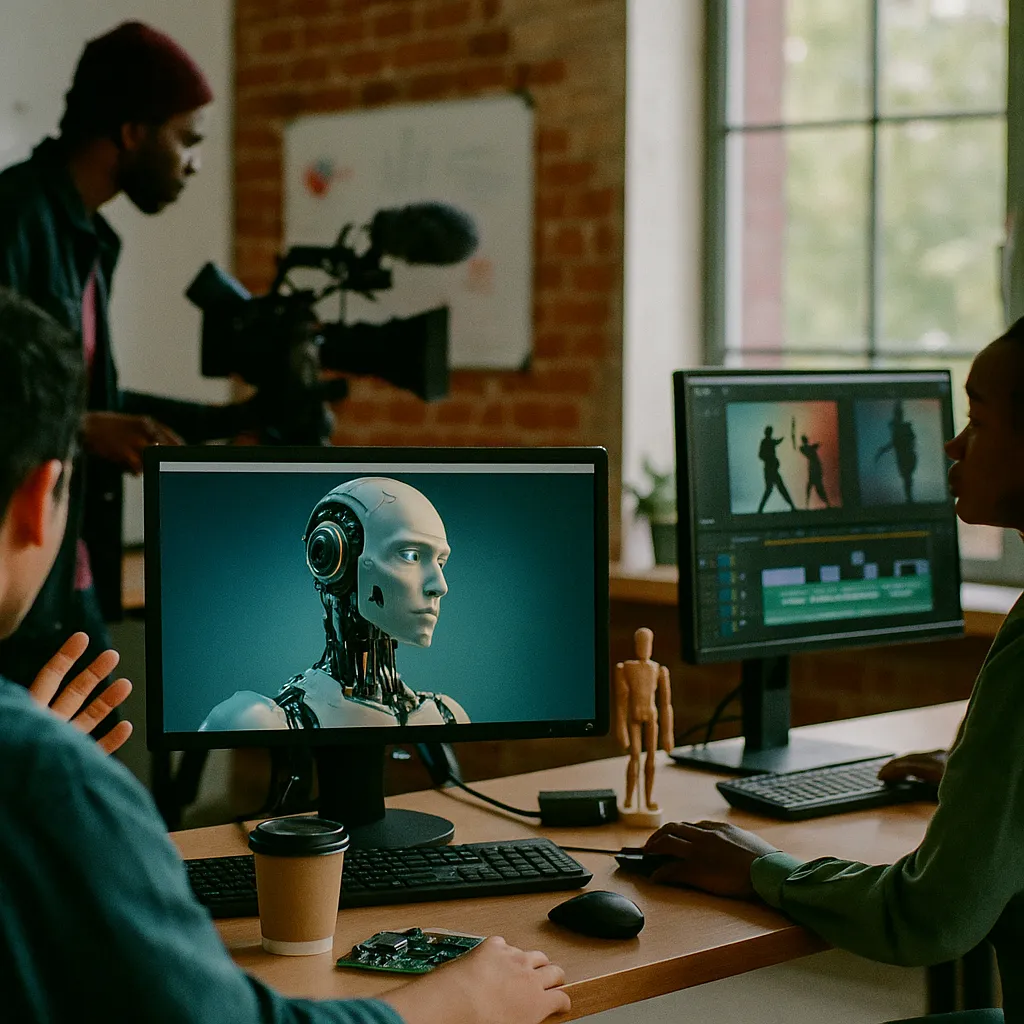
The phrase "AI in film" usually summons images of fully generated movies or AI replacing directors. The reality reshaping entertainment economics in 2026 is more specific: human-AI hybrid production teams are completing projects faster and cheaper, at a quality level that meets audience expectations for independent and mid-budget content.
According to Media & Entertainment News, hyper-efficient production cycles are delivering 40–70% cost reductions versus traditional workflows while delivering comparable audience results. Those savings are concentrated in the production phases that have historically been the most labor-intensive: visual effects, set design and visualization, post-production editing, scoring, and sound design. AI handles volume work. Human creative directors handle decisions that require taste, narrative judgment, and final-stage refinement.
Where the Savings Are Coming From
The 40–70% range is wide because the savings depend on the specific production category and workflow:
- Visual effects: AI-assisted VFX has compressed the cost of environments, crowd simulation, and compositing work that previously required large specialist teams working for months
- Pre-production: AI visualization tools allow directors to produce detailed previsualization at a fraction of traditional storyboard and concept art costs
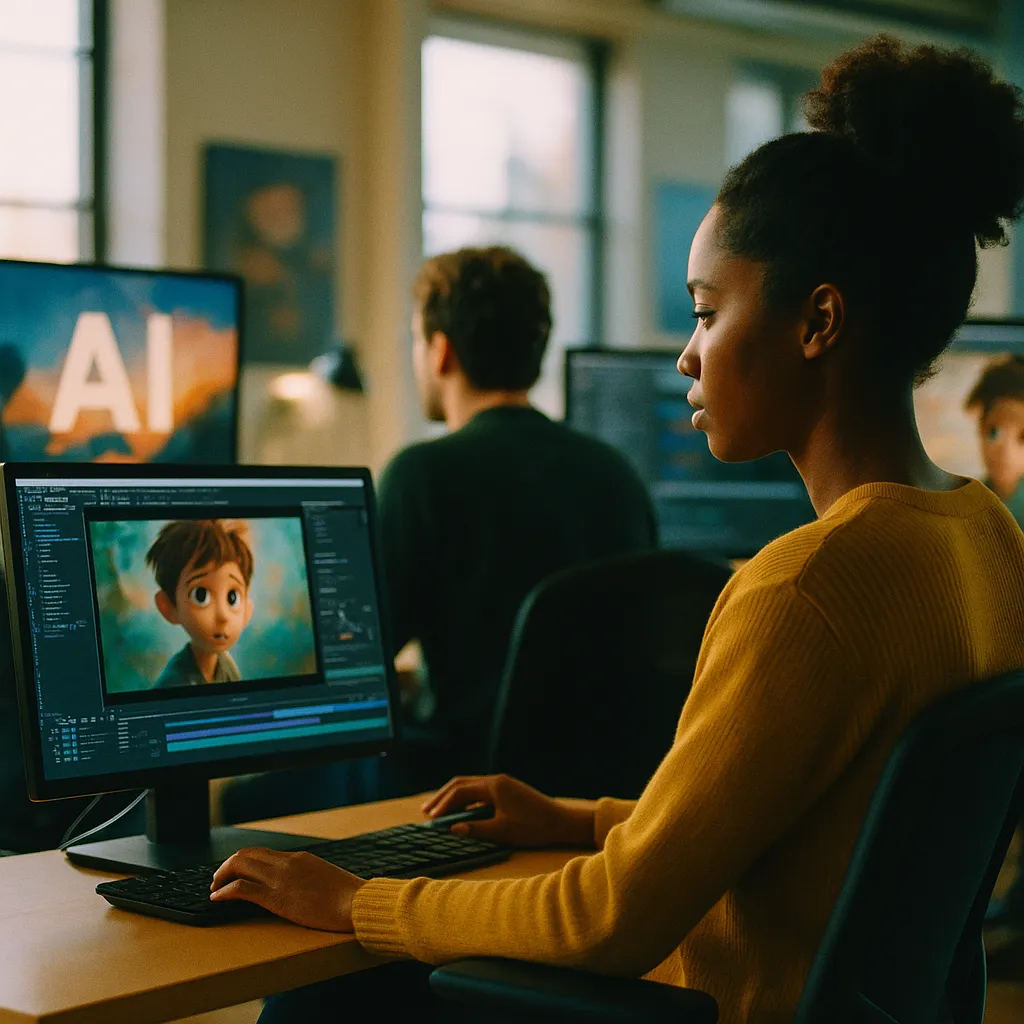
- Post-production: AI editing tools trained on genre conventions can produce initial cuts faster, reducing the timeline and per-hour cost of editorial work
- Music and sound: Generative scoring tools have narrowed the gap between composer-written scores and production music for lower-tier budget projects
Each of these represents a category that historically employed dozens or hundreds of below-the-line workers per production.
The Pressure on Below-the-Line Employment
The entertainment industry distinction between "above-the-line" (writers, directors, producers, lead talent) and "below-the-line" (crew, technicians, artisans) signals where most of the employment volume lives. In a traditional mid-budget production, below-the-line costs account for 60–75% of the budget.
Get this in your inbox.
Daily AI intelligence. Free. No spam.
The shift toward hybrid production is concentrated in below-the-line categories. Grip and electric crews aren't being replaced by AI — lighting a physical set still requires physical people. VFX artists, colorists, sound designers, and production assistants working on volume tasks are being replaced. Union contracts in the International Alliance of Theatrical Stage Employees (IATSE) and related guilds are not designed for a world where a significant portion of post-production labor is automated. The renegotiation pressure that began with the writers' and actors' strikes in 2023 is now arriving in force for the technical guilds.
The economic math creates a structural incentive that's difficult to resist: a director who previously needed $12 million to execute a vision can now attempt it for $5–7 million. That director doesn't stop at the threshold of "good enough." They spend the savings on more shots, more iterations, better talent above the line.
The Indie and Mid-Budget Paradox
The studios most likely to adopt AI-efficient production practices are also the ones most likely to keep funding independent and mid-budget films at all. The economics that previously made a $15 million film financially marginal become workable at $7–8 million with hybrid production methods.
That creates a genuine paradox. The same tools eliminating below-the-line jobs are enabling productions that wouldn't otherwise get greenlit. The net employment effect across the sector is genuinely uncertain. What's certain is that the distribution of who gets paid — and for what — is shifting sharply toward the creative and above-the-line categories and away from the technical volume work that once employed large crews.
Live Experience and Hybrid Storytelling
One pattern emerging in the hyper-efficient production wave is accelerating interest in live experience engineering: productions designed not just for streaming distribution but for live, location-based, or hybrid theatrical formats that AI tools cannot replicate directly.
The reasoning is straightforward. If AI can produce comparable results to traditional post-production at dramatically lower cost, the premium shifts to formats that require physical presence, real-time human performance, or interactive participation. Festivals, hybrid theatrical runs, and event-driven releases are all being explored as ways to create scarcity value that streaming distribution doesn't provide.
Whether that proves durable as a business model is unproven. But the strategic logic is sound, and several independent distributors are building specifically around the live-experience premium.
What to Watch
Three things will determine how fast and how far this shift reshapes entertainment:
- Union contract cycles: IATSE and related technical guilds are in or approaching contract negotiations. How specifically those contracts address AI-assisted production labor will either slow the adoption curve or accelerate it as legal clarity emerges
- Audience signal data: Studios are tracking whether audiences can detect or care about AI-assisted productions. Early data suggests they generally don't. If that holds at the box office over the next 12–18 months, the cost argument becomes unchallengeable for most production decisions
- Festival gatekeeping: Sundance, SXSW, and the major international festivals have faced pressure to require AI disclosure. Their policies will shape whether hyper-efficient AI productions gain prestige credibility or remain segregated in lower-tier distribution categories
The entertainment industry has survived major technology disruptions before — sound, television, home video, streaming. This one is different in speed and in where the displacement falls. The creative classes are largely intact for now. The technical employment base is being compressed quickly, and the economics are running ahead of the governance frameworks that might slow or shape the transition.
Did this help you understand AI better?
Your feedback helps us write more useful content.
Get tomorrow's AI briefing
Join readers who start their day with NexChron. Free, daily, no spam.