Tesla
AI-powered autonomous driving and robotics
Price delayed up to 15 minutes. Source: Yahoo Finance.
Earnings Snapshot
Q4 2025: Revenue $25.7B (+2% YoY). FSD revenue recognized over $2B. Dojo training capacity expanded.
About Tesla
Tesla is an electric vehicle and clean energy company that has made one of the most ambitious bets in artificial intelligence: building fully autonomous driving capability using cameras and neural networks alone, without lidar or high-definition maps. Founded by Martin Eberhard and Marc Tarpenning in 2003, and led by CEO Elon Musk since 2008, Tesla has grown into one of the most valuable companies in the world.
Tesla's AI effort spans three major initiatives. Full Self-Driving (FSD) uses eight cameras and a neural network trained on billions of miles of fleet driving data to navigate roads with increasing autonomy. Dojo, Tesla's custom AI training supercomputer, was purpose-built to process the massive video datasets from Tesla's global fleet. And Optimus, Tesla's humanoid robot, applies the company's neural network and sensor expertise to general-purpose robotics.
Tesla's camera-only approach to autonomous driving is controversial. While competitors like Waymo use lidar for centimeter-precise 3D sensing, Tesla bets that neural networks trained on sufficient camera data can achieve the same results at dramatically lower cost — enabling autonomy in every vehicle, not just purpose-built robotaxis.
Technology & Approach
Tesla's AI approach is vision-first: cameras capture the driving environment, and custom neural networks (running on Tesla's FSD chip) process the visual data in real time. The company's 'Occupancy Networks' build a 3D volumetric representation of the world from 2D camera images, replacing the 3D point clouds that lidar-equipped vehicles use. Tesla's fleet of millions of vehicles provides a continuous data flywheel — real-world driving scenarios are automatically uploaded to train improved models. Dojo, built on Tesla's D1 chip, is designed to be the most cost-effective video training computer in the world.
Products & Services
Full Self-Driving (FSD)
AI-powered driver assistance system using cameras and neural networks. Level 2 autonomy with supervised self-driving on city streets.
Autonomous DrivingDojo Supercomputer
Custom AI training supercomputer built on Tesla's D1 chip. Designed to process massive video datasets from Tesla's vehicle fleet.
AI InfrastructureOptimus Robot
General-purpose humanoid robot. Uses Tesla's neural networks for perception and manipulation in unstructured environments.
RoboticsFSD Computer (HW4)
Custom chip in every Tesla vehicle providing 144 TOPS of neural network inference for real-time autonomous driving.
HardwareLeadership
Notable Achievements
- ✓ Fleet of 6M+ vehicles provides the largest real-world driving dataset on earth
- ✓ FSD Beta has driven over 1 billion autonomous miles
- ✓ Built Dojo, one of the most powerful AI training supercomputers
- ✓ Optimus humanoid robot performs autonomous factory tasks
- ✓ Tesla's AI Day presentations set new standards for technical transparency
Competitive Landscape
Companies competing in the same space as Tesla.
NexChron Coverage
Latest articles mentioning Tesla
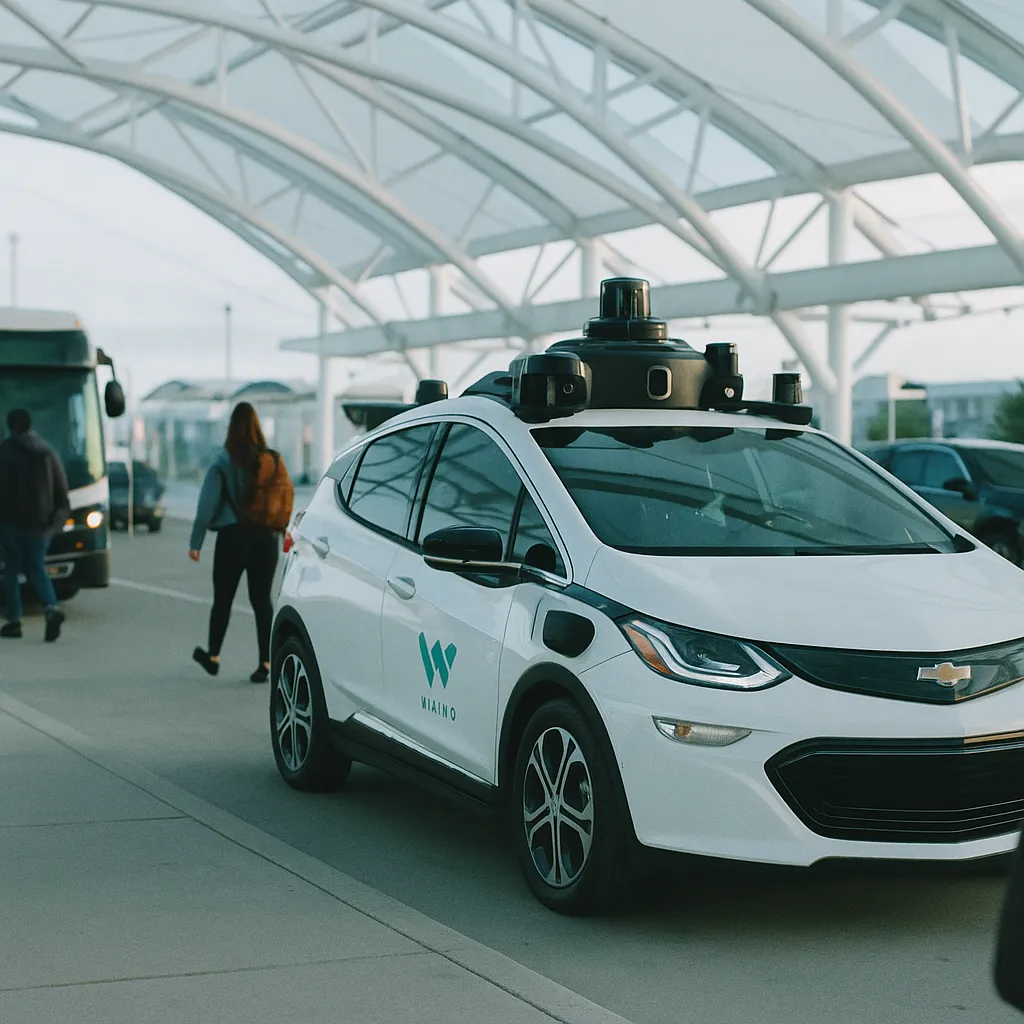
Waymo Launches Paid Robotaxi Rides in Denver, San Diego, and Tampa — Now Operating in 14 US Cities
Waymo opened paid robotaxi service in three new cities on September 1, bringing its fully autonomous fleet to 14 US cities and making Tampa the first city with two competing driverless services.
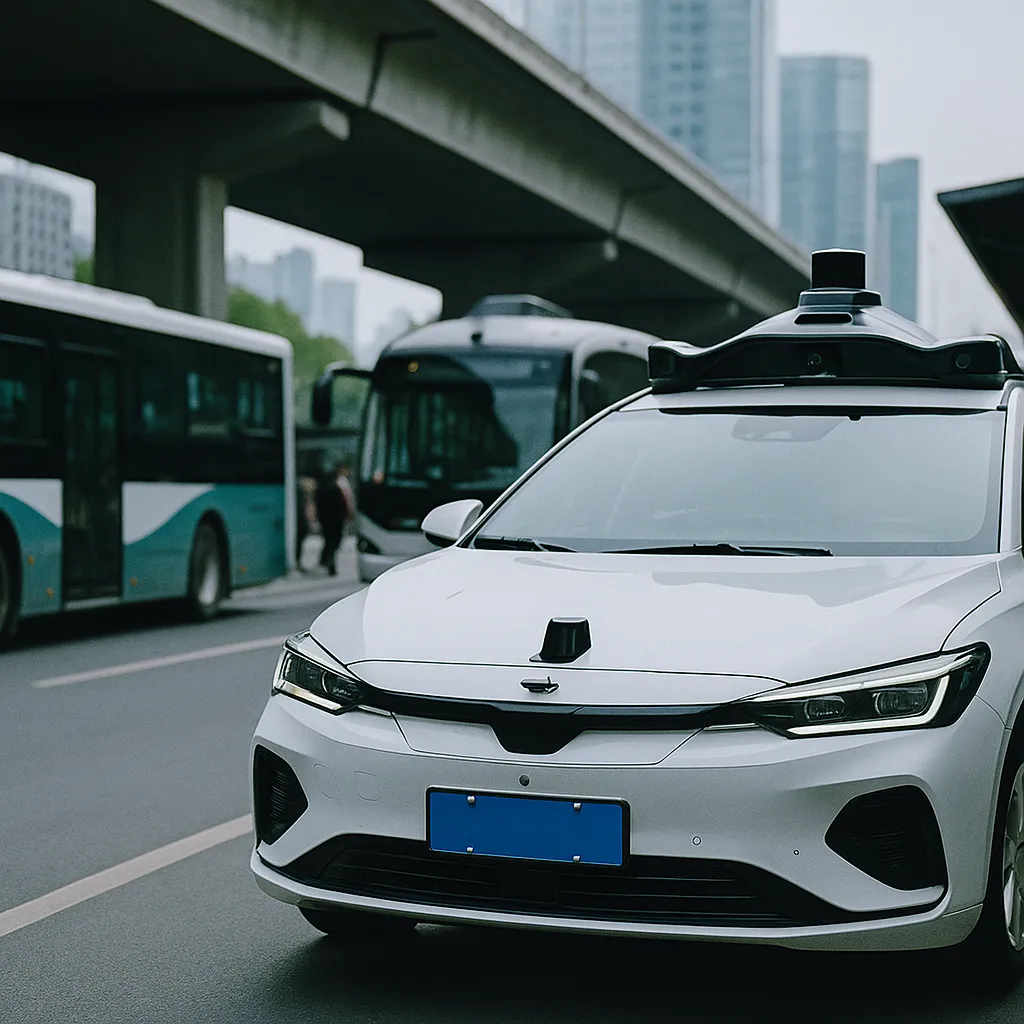
China Is Closing the Autonomous Vehicle Gap With the U.S. Faster Than Expected
Experts warn China's AV industry — led by Baidu, WeRide, and Xpeng — is closing the technology gap with Waymo and Tesla FSD at a pace that could shift the global competitive balance within years.
Tesla Launches Cybercab as a Fully Driverless Robotaxi—But 17 Accidents Shadow Its Safety Record
Tesla launched the Cybercab as a fully driverless commercial robotaxi—but at least 17 accidents involving its autonomous systems since 2025 are drawing regulator scrutiny.
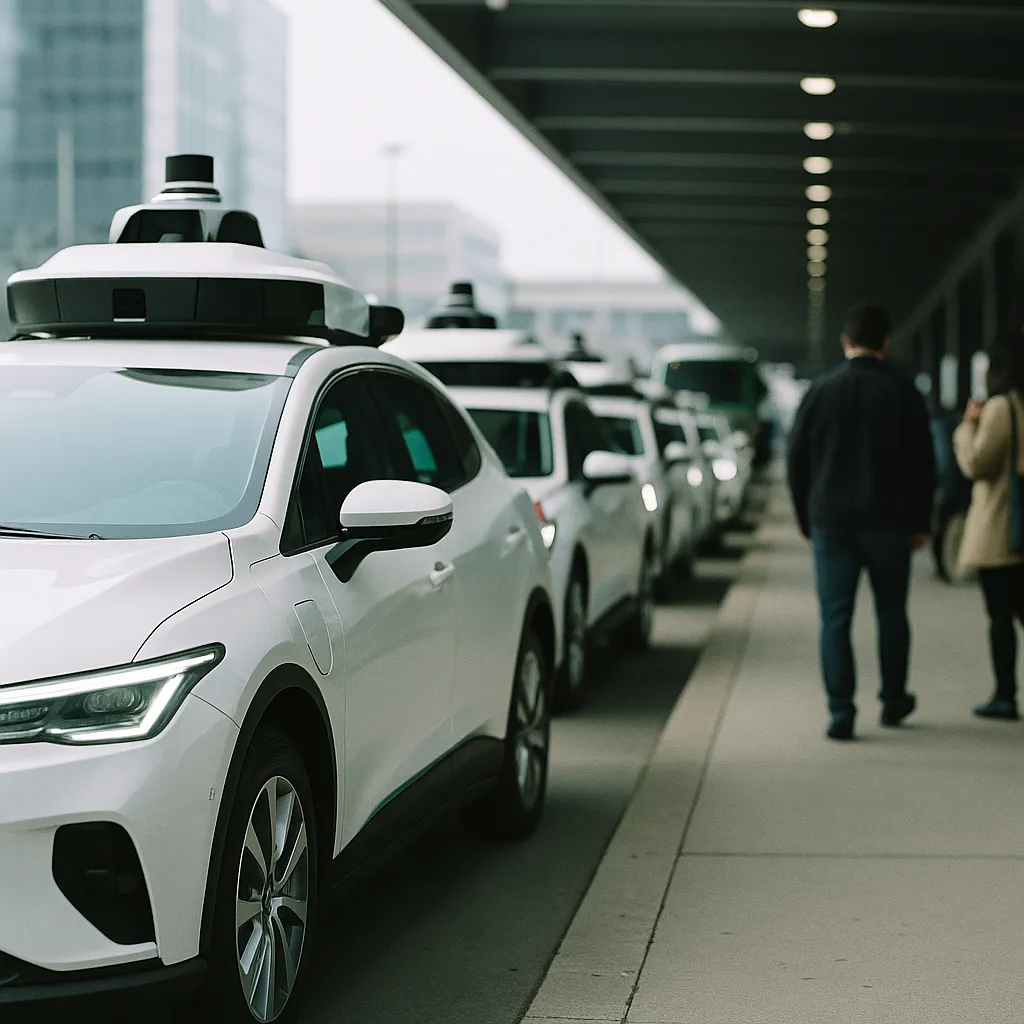
Tesla Has Only About 12 Robotaxis Running in Austin Despite Musk's Commercial Promises
A Marketplace investigation finds Tesla has roughly 12 robotaxis in active Austin service — a number that exposes the widening gap between Elon Musk's commercial expansion claims and what's actually on the road.
Financial Disclosure: NexChron provides financial data for informational purposes only. This is not investment advice, a recommendation to buy or sell securities, or an offer to transact. Stock prices are delayed up to 15 minutes and sourced from Yahoo Finance. Funding round data is compiled from public reports and may not reflect the most current information. Company valuations, revenue estimates, and financial projections are based on publicly available data and may be inaccurate or outdated. Always consult a qualified financial advisor before making investment decisions. NexChron, its founder, and contributors may hold positions in companies mentioned on this site.