Agentic AI systems are now making autonomous planting, irrigation, and harvest decisions on commercial farms without human prompts — delivering measurable cost savings while raising unresolved questions about liability when autonomous decisions cause crop losses.
Agentic AI — systems that act autonomously across multi-step tasks without requiring human prompts at each decision point — has moved from agricultural research labs into commercial farm operations. Research published November 6 documents autonomous AI systems now making decisions across the full crop cycle: when to plant, when to irrigate, when to apply inputs, and when to harvest — without a farmer approving each step. The economic case is strong. The accountability questions are still being written.
What Agentic AI Does on a Farm
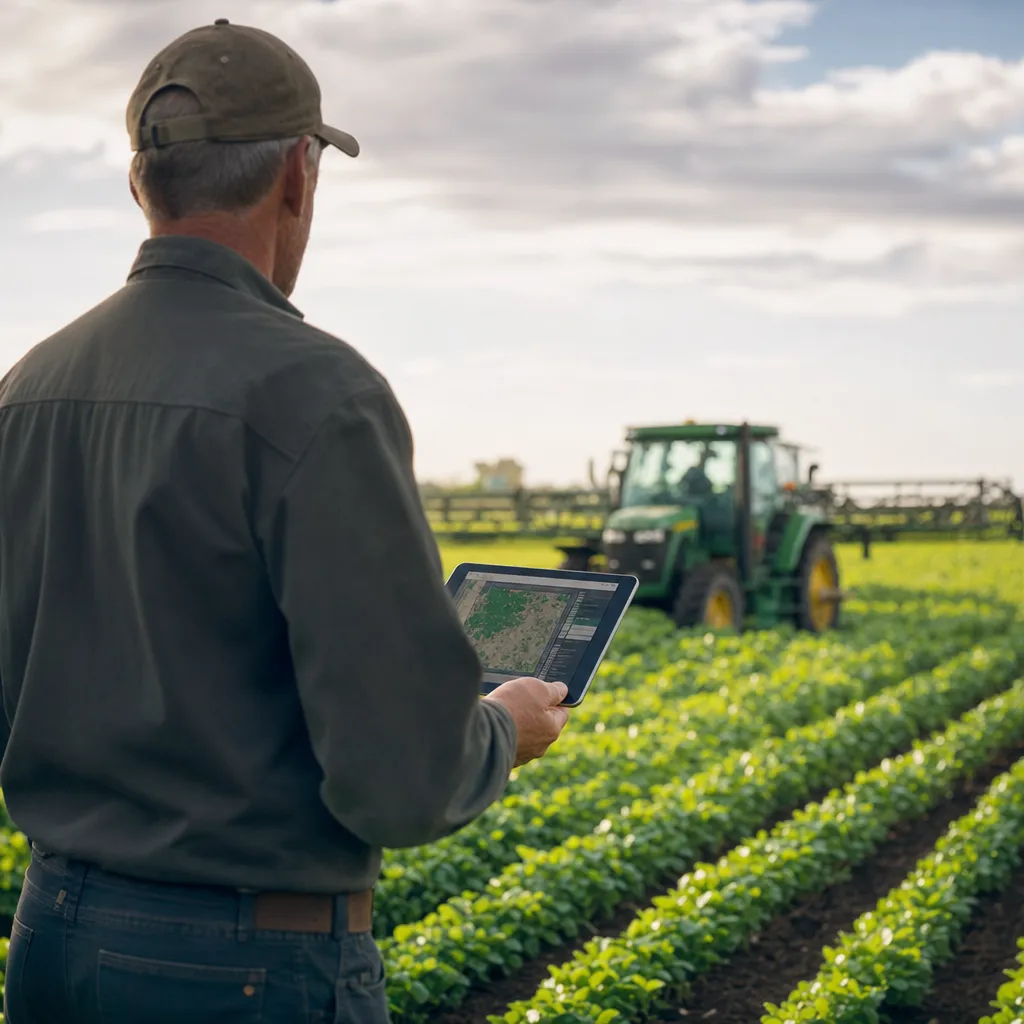
Traditional precision agriculture — GPS-guided tractors, drone imagery, soil sensors — still required a human to interpret data and make decisions. The farmer looked at a moisture map and decided whether to irrigate. The agronomist reviewed satellite data and recommended an application rate.
Agentic systems collapse that loop. They ingest the same data — satellite imagery, soil sensor readings, weather APIs, commodity price feeds — and act. An agentic irrigation system doesn't recommend watering a specific field block; it schedules and executes the irrigation run. An agentic planting system doesn't suggest a planting window; it instructs the equipment.
The technical architecture typically involves:
- Sensor networks providing continuous ground truth (soil moisture, temperature, nutrient levels)
- Satellite and drone imagery updated at daily or sub-daily intervals
- AI decision models trained on historical yield data, weather patterns, and agronomic research
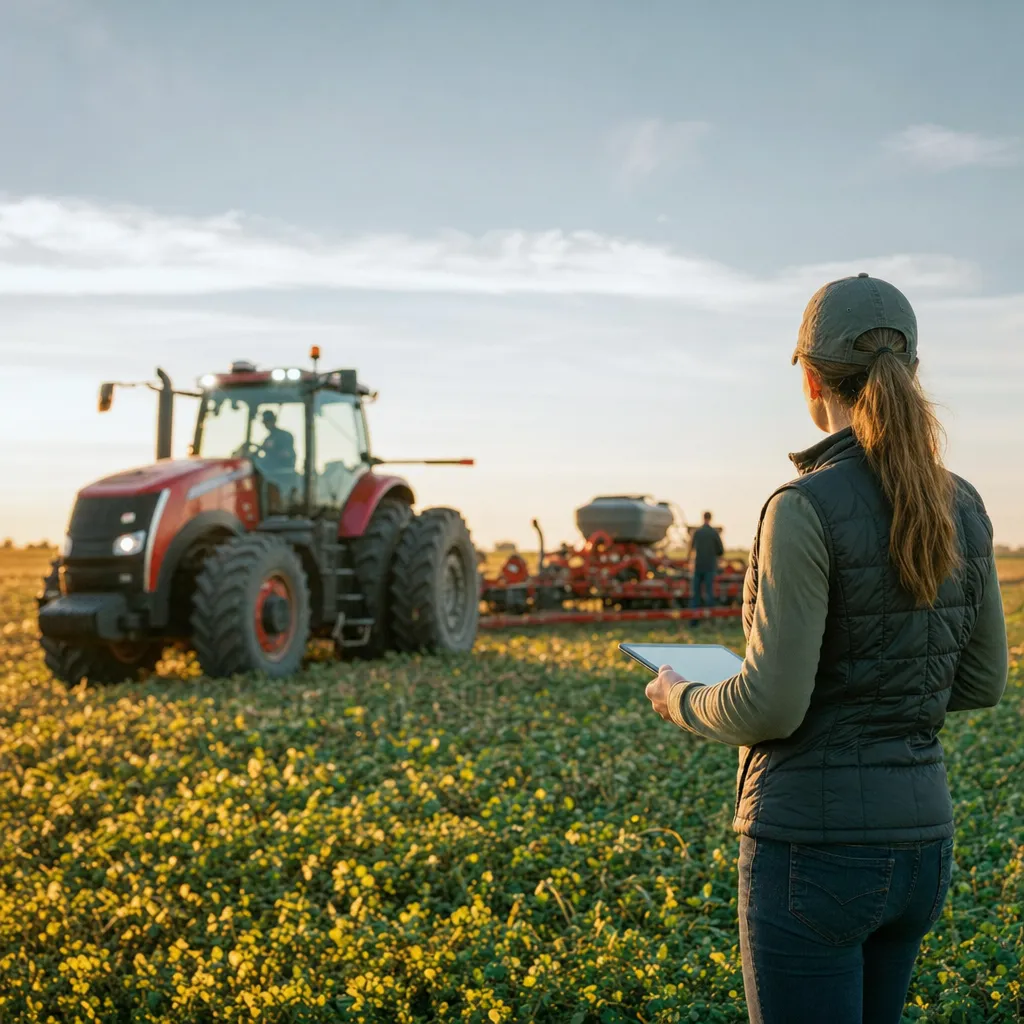
- Equipment integration allowing the AI to issue operational commands to GPS-guided machinery
Where It's Deployed
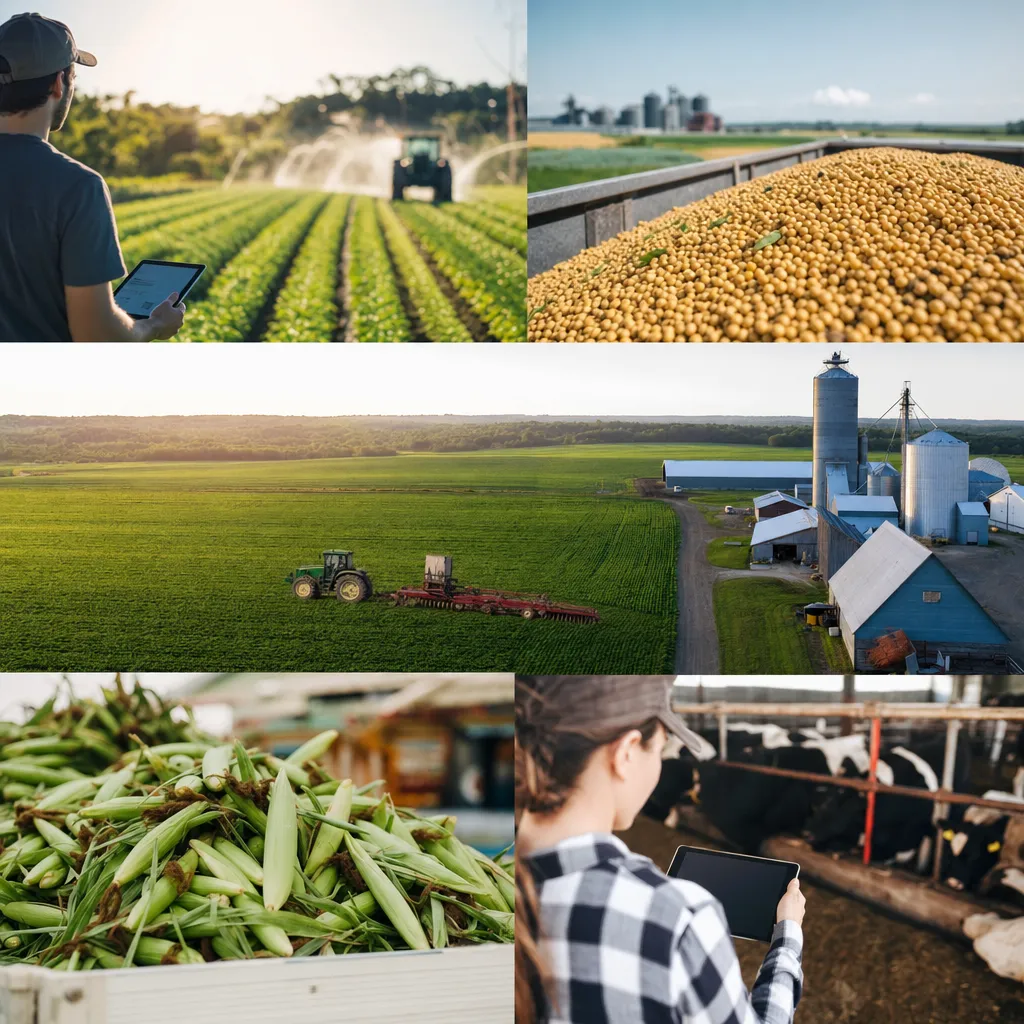
Researchers note agentic AI is seeing earliest commercial deployment on large-scale row crop operations — corn, soybeans, wheat — where the uniformity of inputs and outputs makes automation most tractable. Precision viticulture (wine grapes) and high-value horticulture operations are also early adopters, where margin per acre justifies the technology investment.
Get this in your inbox.
Daily AI intelligence. Free. No spam.
Large agribusiness operations and farm management companies are the primary early adopters. The capital cost of full sensor networks and equipment integration remains high enough that sub-1,000-acre family farms are largely watching from the sideline — though the economics are improving rapidly.
The Accountability Gap
The research identifies a problem the industry hasn't solved: when an autonomous AI system makes a decision that causes crop losses, who is responsible?
The question is not hypothetical. If an agentic system misreads soil moisture data and delays irrigation during a heat event, causing a yield loss, the accountability chain is murky. Is the farmer liable for deploying an autonomous system? The software provider for a prediction error? The sensor manufacturer for inaccurate readings?
Traditional crop insurance frameworks weren't designed for autonomous decisions. Neither were the agronomic service agreements between technology providers and growers. Researchers call for explicit liability frameworks before agentic AI deployment scales further — a regulatory conversation that is currently running behind the technology.
Cost Reductions
Despite the accountability questions, documented cost reductions are real. The research cites:
- Input savings from precision application — applying fertilizer, water, and pesticides only where and when needed rather than uniformly across fields
- Labor displacement in routine monitoring and decision tasks, with agentic systems handling work that previously required regular agronomist visits
- Yield optimization from tighter response times — agentic systems can act on moisture stress or disease pressure faster than a weekly farm visit allows
For large operations, the ROI case is increasingly clear. The uncertainty is in the tail risks: what happens when the autonomous system is wrong in a way that a human would have caught.
What to Watch
Two developments will shape agentic farm AI through 2027: liability framework development (crop insurance companies and legal teams are actively working on this), and expansion to smaller farm sizes as sensor costs fall. Watch also for the first high-profile legal case involving an agentic system and a significant crop loss — that case will define industry norms faster than any regulatory process.
Did this help you understand AI better?
Your feedback helps us write more useful content.
Get tomorrow's AI briefing
Join readers who start their day with NexChron. Free, daily, no spam.