The 2026 Farm Bill proposes 90% federal reimbursement for AI farm tools, but environmental researchers say the climate benefits of precision agriculture are largely unmeasured and unverified.
Precision Agriculture Is Booming — But Critics Question Whether AI Actually Helps the Climate
By Hector Herrera | May 7, 2026 | Agriculture
AI-powered precision agriculture tools are spreading rapidly across American farmland, and the 2026 Farm Bill proposes an unprecedented 90% federal reimbursement to accelerate adoption further. But environmental researchers are raising a pointed question that the policy debate has largely avoided: is all this technology actually reducing emissions and resource use, or is it primarily helping large operators grow more crops more efficiently? A February 2026 investigation by Inside Climate News finds the environmental benefits of precision agriculture are largely unmeasured and unverified — even as Congress prepares to fund it at the highest subsidy rate in agricultural technology history.
The tension is embedded in how agricultural technology policy has always worked: tools are subsidized for economic efficiency, and environmental benefits are assumed rather than required. That assumption is now being challenged at exactly the moment Congress is prepared to spend unprecedented amounts on it.
What the Farm Bill Proposes
The 2026 Farm Bill's Environmental Quality Incentives Program (EQIP) would reimburse farmers up to 90% of their costs for adopting AI and precision agriculture technologies — the highest subsidy cap ever offered for agricultural technology. The proposal covers:
- AI-driven irrigation systems that adjust water delivery based on soil moisture sensors and weather data
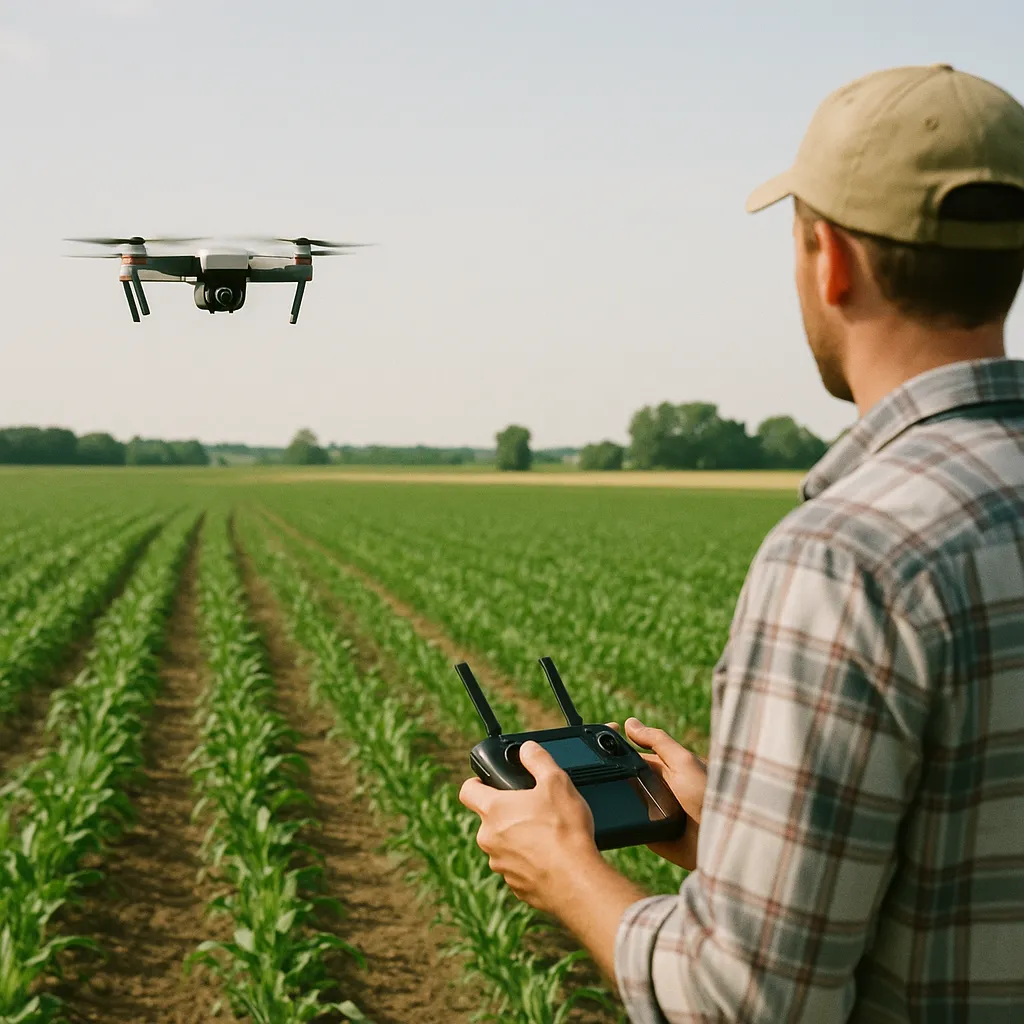
- Drone-based crop monitoring with targeted, variable-rate input application
- Autonomous tractors and field robots
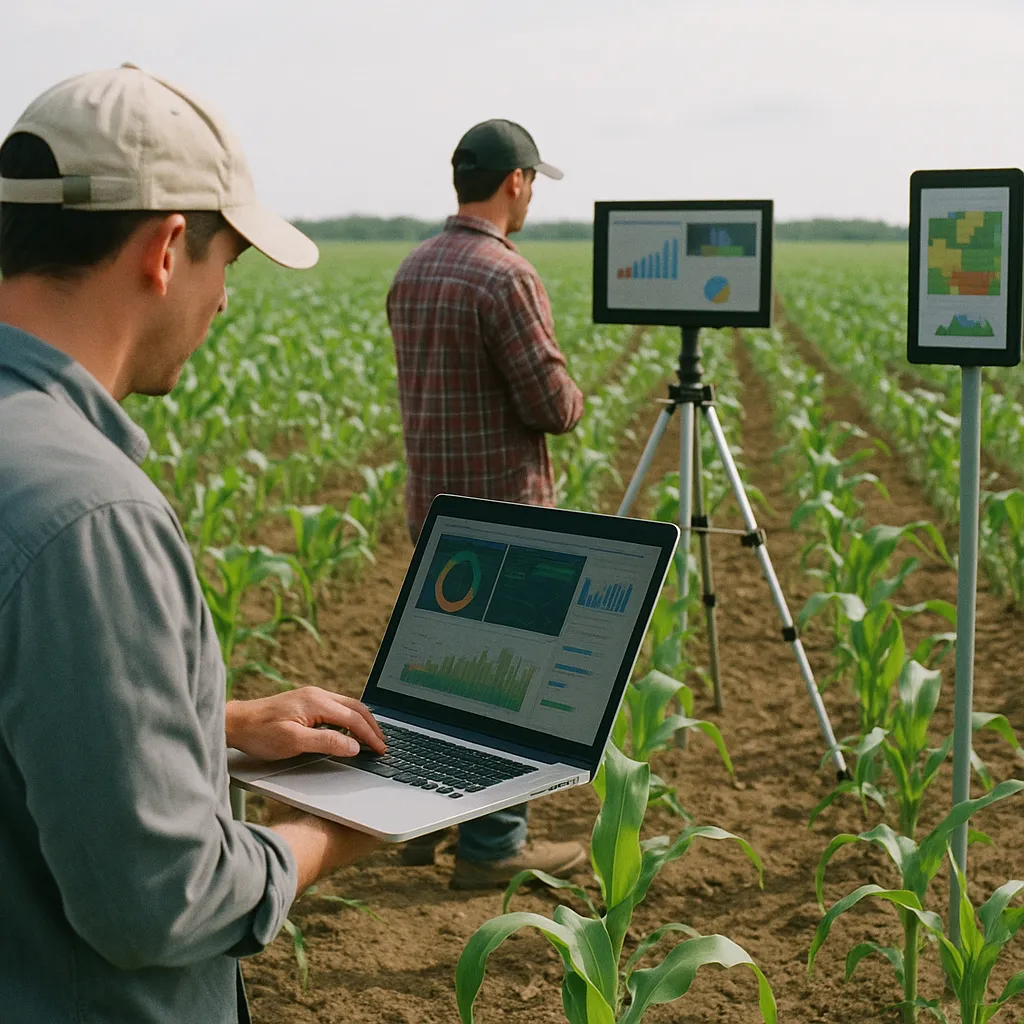
- AI crop planning, yield optimization, and predictive analytics software
The economic case for these technologies is well-established: farms that adopt them see meaningful yield improvements and input cost reductions. The environmental case — that they use less water, apply fewer chemicals, and reduce emissions — is less rigorously documented, and the Farm Bill as drafted doesn't require that it be.
Where the Evidence Gets Complicated
Inside Climate News interviewed environmental researchers who argue that precision agriculture's environmental story is primarily marketing. Their critique is precise: adoption is driven by economic incentives, and environmental performance is measured inconsistently if at all.
Three specific problems the research identifies:
Measurement gaps. Most EQIP programs measure adoption of practices, not environmental outcomes. A farm that installs an AI irrigation system qualifies for reimbursement regardless of whether water use actually declines at the field level. The data to verify outcomes exists in theory — soil sensors, satellite imagery, water meter records — but EQIP doesn't require its collection or reporting.
Get this in your inbox.
Daily AI intelligence. Free. No spam.
The rebound effect. Precision tools can enable farmers to apply inputs more efficiently while also expanding total planted acreage. Per-acre resource use may fall while total resource use stays flat or increases. This rebound dynamic is well-documented in energy efficiency research; agricultural technology researchers argue it applies here too.
Scale disparity. AI precision agriculture carries significant upfront capital costs even after subsidies. Large operations can absorb those costs and capture efficiency gains faster. Small and mid-size farms often cannot — creating a technology-driven consolidation dynamic where federal subsidies accelerate the competitive advantage of large operators over smaller ones.
The Equity Dimension
The Farm Bill subsidy structure compounds an existing pattern in agricultural AI: large operations are better positioned to adopt these tools, capture the economic benefits, and receive federal reimbursement for doing so.
Inside Climate News found this dynamic already present in current precision agriculture adoption. AI compounds it by adding data infrastructure requirements that favor operations with technical resources: cloud connectivity, sensor networks, proprietary software subscriptions, and the agronomists to interpret the outputs. A 10,000-acre corn and soy operation in Iowa has access to all of this. A 200-acre diversified farm does not.
The 90% reimbursement cap sounds like a leveling mechanism. In practice, the 10% co-pay and the operational complexity of adoption still favor the large operators that have capital, staff, and existing technology infrastructure.
Two Defensible Policy Positions
The Farm Bill precision agriculture debate is a preview of a broader question about how the U.S. funds agricultural technology:
Position 1: Subsidize adoption, trust markets. Economic efficiency gains from precision agriculture benefit farmers directly, keep food production costs lower over time, and deliver some environmental benefits even without formal measurement. Technology adoption at scale is good policy regardless of whether every environmental claim is verified.
Position 2: Tie subsidies to verified environmental outcomes. Pay for measured reductions in water use, nitrogen application, or greenhouse gas emissions — not for the installation of tools that might deliver those reductions. If the tools work as advertised, farmers receive the same subsidies. If they don't, public money isn't funding technology purchases with unverified environmental returns.
The 2026 Farm Bill, as currently structured, follows Position 1. Environmental advocates in the House and Senate negotiations are pushing for elements of Position 2 — specifically, verified outcome reporting for EQIP payments above a certain dollar threshold.
What to Watch
The Farm Bill negotiation continues through mid-2026, with the EQIP precision agriculture language among the contested provisions. The specific language around environmental performance standards — whether adoption of technology or measured outcomes trigger reimbursement — will determine whether this becomes the largest environmental investment in agricultural AI history, or the largest agricultural technology subsidy that happens to come with environmental marketing attached.
The distinction matters for farmers, for environmental policy, and for the companies selling AI precision agriculture tools. If verified outcomes become the standard, the tools that can actually demonstrate measurable environmental improvement will have a significant market advantage. If adoption remains the standard, every tool in the category benefits equally regardless of real-world performance.
Reporting based on Inside Climate News coverage published February 2026, updated for the current 2026 Farm Bill debate.
Did this help you understand AI better?
Your feedback helps us write more useful content.
Get tomorrow's AI briefing
Join readers who start their day with NexChron. Free, daily, no spam.