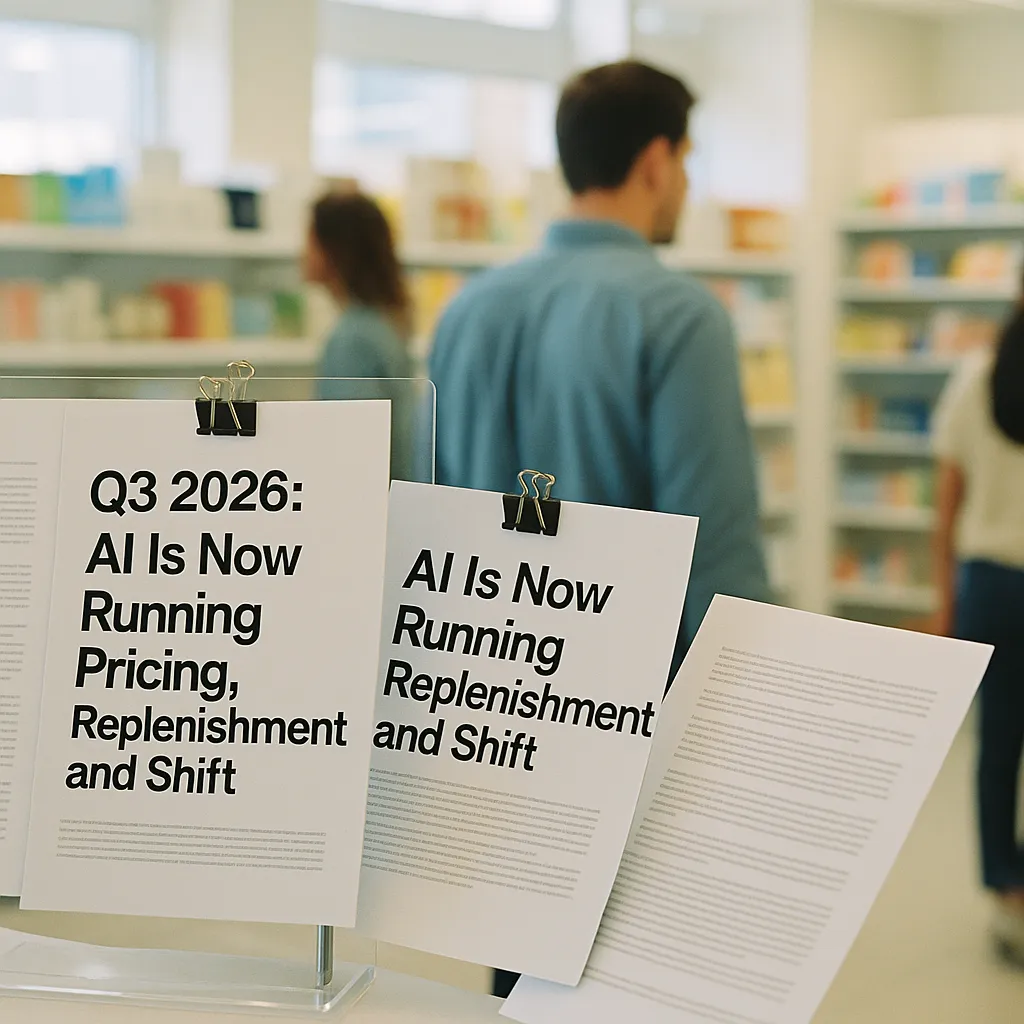
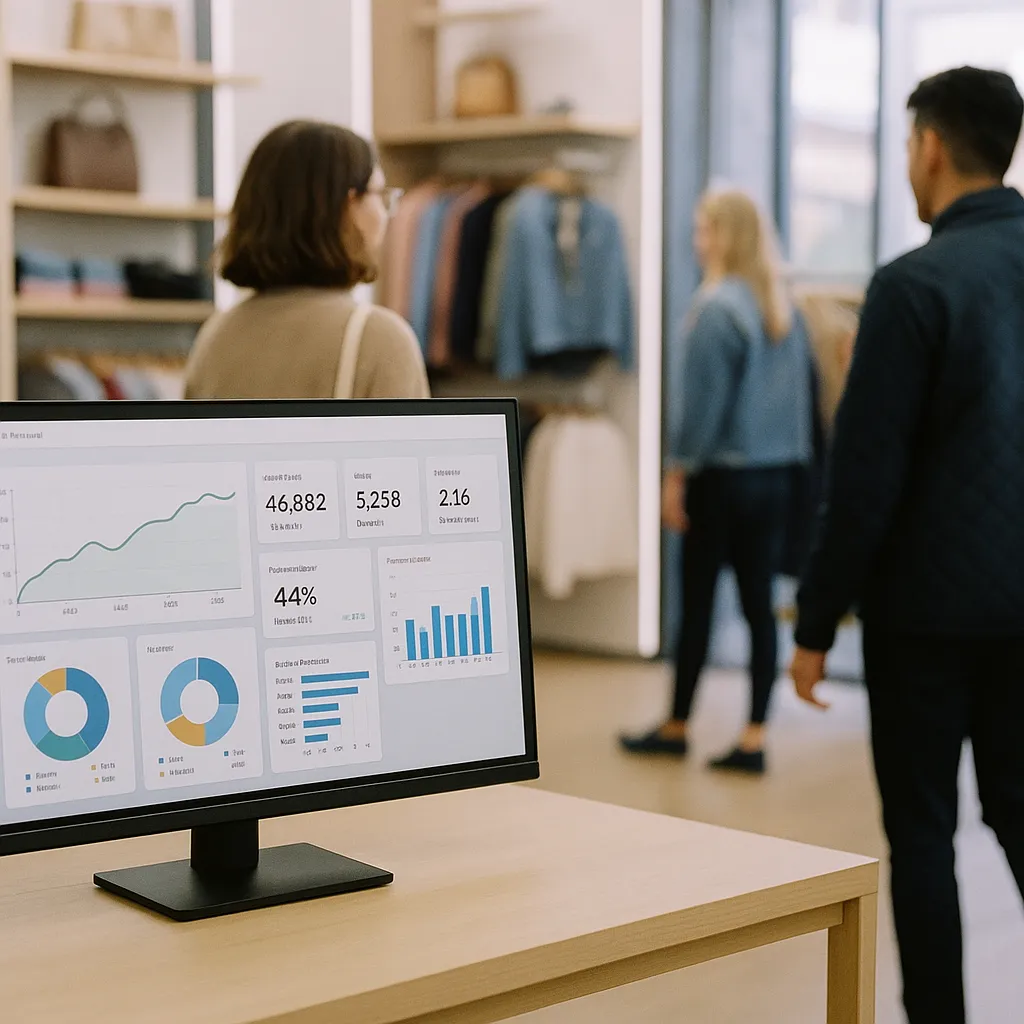
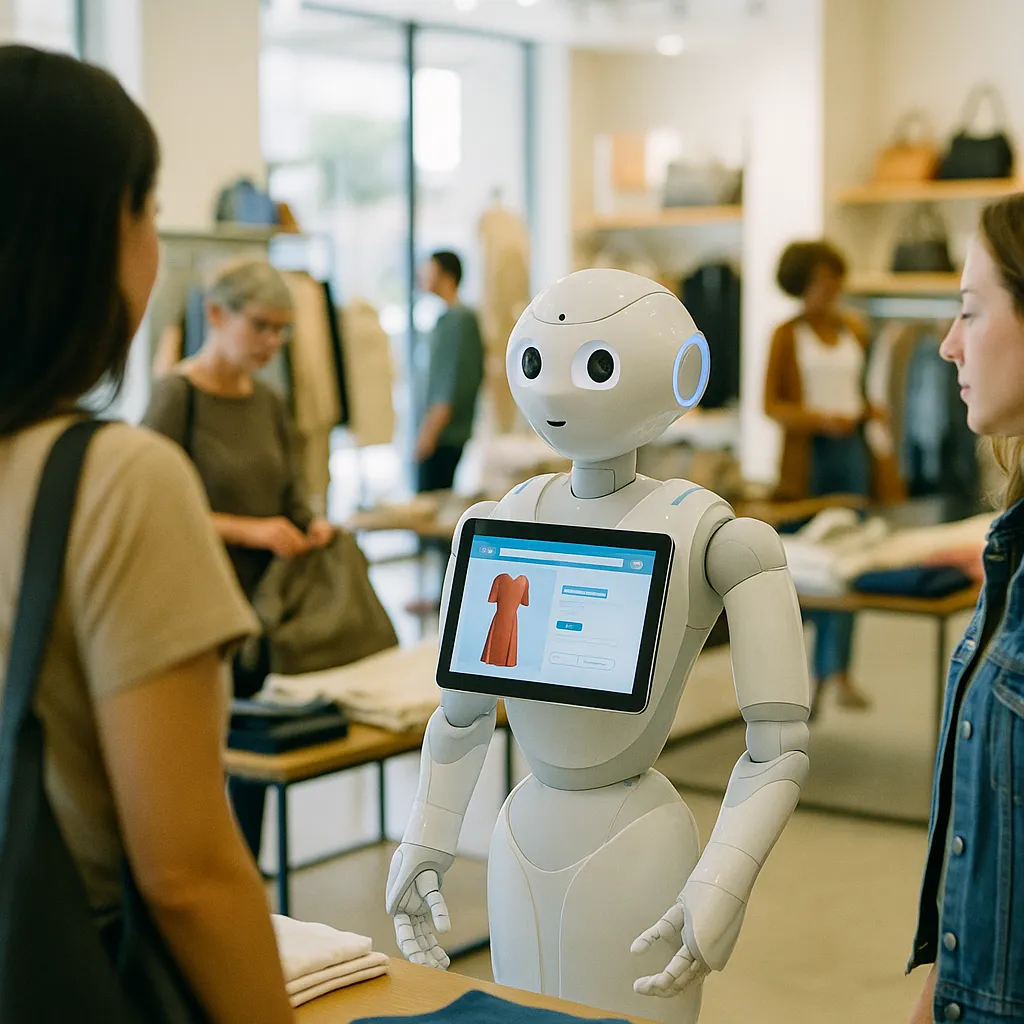
Retail AI has moved beyond personalization into autonomous operations. Apparel Group now runs forecasting, replenishment, pricing, and shift scheduling autonomously across 85 brands and 2,500 stores.
AI in retail has crossed a threshold. It is no longer a personalization layer running recommendations in the background — it is now making operational decisions: setting prices, triggering replenishment orders, and scheduling employee shifts, often without human review. Retail Insider's Q3 2026 analysis documents how far AI has moved into the operational core of global retail over the past eighteen months.
The short version: the era of AI-as-feature is over. AI is now the operating system of the world's most advanced retail organizations.
Phase Three of Retail AI
It helps to understand where this fits in the arc. Retail AI has moved through three recognizable phases:
- Recommendation engines (2018–2022) — "Customers who bought X also bought Y." Background, invisible to operations.
- Targeted promotions and inventory forecasting (2022–2024) — AI driving markdown timing and demand prediction.
- Autonomous operations (2025–present) — AI setting prices, triggering replenishment, scheduling shifts, and in some cases completing purchases without human approval at each step.
The Q3 2026 data marks a definitive entry into the third phase for the industry's leaders — and a widening gap between those leaders and the rest of the market.
The Apparel Group Model
The report's most striking example is Apparel Group, which rebuilt its entire operational model around AI. The company now runs forecasting, replenishment, pricing, and shift scheduling autonomously across 85 brands and 2,500 stores. There is no human manager reviewing replenishment triggers or pricing adjustments at the store level — the AI system handles both.
Get this in your inbox.
Daily AI intelligence. Free. No spam.
This is not a pilot. It is the production system at a company operating at global scale.
The implications are significant. Apparel Group's cost structure for inventory management and workforce scheduling is fundamentally different from a retailer still running these decisions through regional managers and merchandising teams. The gap between that model and traditional retail operations is not a software feature — it is a structural cost and speed advantage that compounds over time.
The Numbers
- Digitally influenced sales: Now exceed 60% of total retail globally. More than half of every retail transaction involves an AI touchpoint — a recommendation, a targeted offer, an AI-optimized price — at some point in the purchase journey.
- 61 million US consumers now begin their shopping research with an AI assistant rather than a search engine or a brand website. This is a fundamental shift in how product discovery works.
- The autonomy tension: The Q3 report identifies an emerging friction point — AI systems are technically capable of completing purchases without human review, but most retailers are not yet prepared to authorize fully autonomous transactions.
What This Means
For retailers: The competitive divide is no longer about having AI. It is about how deep AI runs into operations. Brands still running manual replenishment cycles and human-reviewed pricing adjustments are competing against organizations where those decisions happen in milliseconds. The gap is structural and widening.
For brands and product manufacturers: If 61 million Americans start their shopping research with an AI assistant, your product's visibility to AI recommendation systems is now a primary marketing priority — not a secondary one. Brands optimizing for Google search rankings without equally investing in AI assistant visibility are systematically missing a massive top-of-funnel.
For retail workers: Autonomous scheduling and AI-managed replenishment directly compress the mid-level retail management layer — the zone between store floor operations and executive strategy. Buyer roles, replenishment managers, and regional pricing teams face the clearest structural pressure.
For consumers: The benefit is genuine — better availability, more relevant pricing, fewer out-of-stock experiences. The risk is less obvious: when AI sets prices and manages inventory autonomously across thousands of stores, errors are also autonomous and can affect large populations of consumers simultaneously before a human catches them.
What to Watch
Which major US retailer announces a fully autonomous supply chain decision layer first — and how both labor groups and consumer advocates respond when AI scheduling demonstrably reduces shift hours or AI pricing decisions produce anomalous outcomes at scale.
By Hector Herrera
Did this help you understand AI better?
Your feedback helps us write more useful content.
Get tomorrow's AI briefing
Join readers who start their day with NexChron. Free, daily, no spam.