QVC and HSN report 20–38% order value lifts from AI shopping agents while Amazon and Tapestry pump the brakes over brand control and consumer trust — a divide that will play out at holiday scale this quarter.
AI Shopping Agents Divide the Retail Industry: QVC Dives In, Amazon Stays Cautious
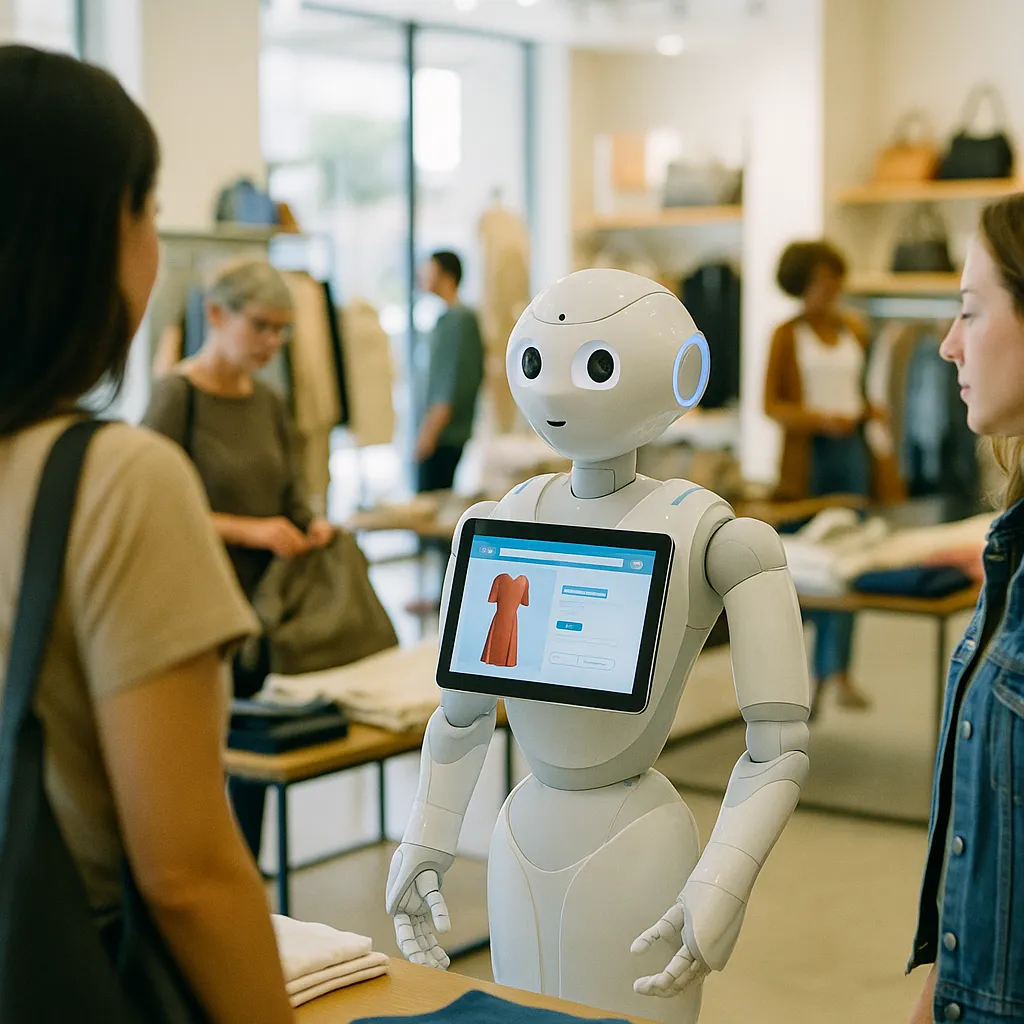
The retail industry is splitting along a clear fault line over AI shopping agents, and the divide is not between big and small players — it is between retailers who see AI agents as a revenue accelerator and those who see them as a brand risk. Early data shows the divide is producing measurably different outcomes, with QVC, HSN, and home-shopping brands reporting 20–38% increases in average order value from AI-personalized recommendations, while Amazon and luxury retailer Tapestry are deliberately slowing their agent deployments over concerns about consumer trust and purchasing control.
The timing matters: the divergence is crystallizing exactly as retailers make their final technology investment decisions ahead of the 2026 holiday season. Which strategy plays out better this quarter will inform an entire cycle of retail technology spending.
What AI Shopping Agents Actually Do
An AI shopping agent is software that goes beyond product recommendations — it can proactively surface products based on browsing patterns, previous purchases, and contextual signals like weather, calendar events, or stated preferences; generate personalized marketing copy; answer purchase-related questions in real time; and in more advanced implementations, initiate purchases on behalf of users who have granted that authority.
The distinction from earlier recommendation engines is autonomy. Traditional recommendation systems suggest. Shopping agents act — or can act — when given appropriate permissions. That autonomy is precisely what is dividing the industry.
What enthusiastic adopters are deploying:
- Conversational AI during product discovery that adjusts tone, depth, and product focus based on the customer's demonstrated behavior in the current session
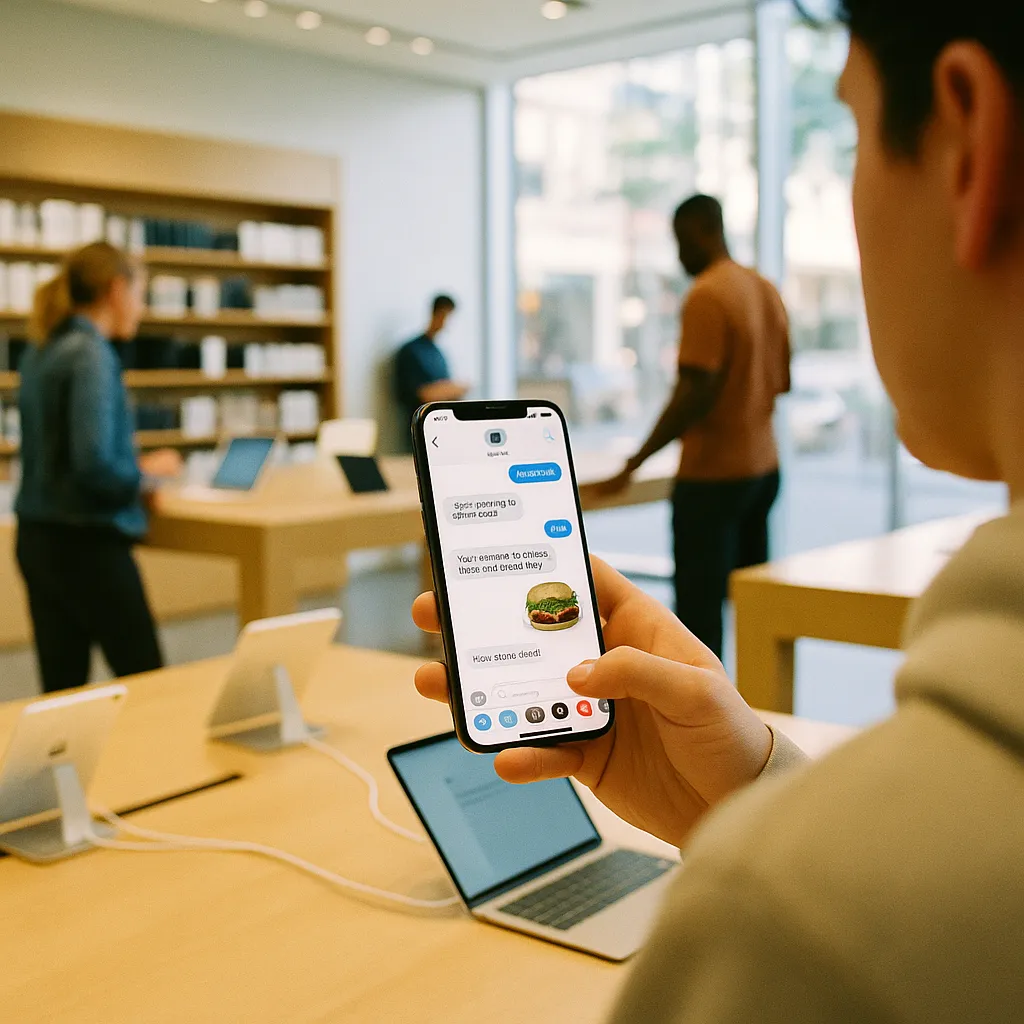
- Proactive reach-out via SMS or push notification when a product matching a customer's prior wishlist or browsing pattern becomes available or drops in price
- AI-generated product bundles and cross-sell sequences built dynamically per customer rather than via static merchandising rules
QVC and HSN's results — 20–38% lifts in average order value — reflect a customer base that is already predisposed to guided purchasing. Home-shopping audiences have decades of experience with curated, high-velocity product presentation. AI-native personalization maps onto that behavior in a way that feels like a service upgrade rather than surveillance.
Get this in your inbox.
Daily AI intelligence. Free. No spam.
Why Amazon and Tapestry Are Pulling Back
Amazon's caution is surprising on its face. The company has more customer data, more AI infrastructure, and more deployment experience than any other retailer in the country. Its hesitation over AI shopping agents is not a capability gap — it is a strategic judgment about consumer trust.
The concern Amazon has reportedly articulated internally is that shopping agents that can initiate purchases create a new category of consumer complaint: "I didn't authorize that." Even if the authorization is technically present in a terms-of-service agreement or a settings configuration, the subjective experience of a purchase that feels automatic — rather than deliberate — creates friction with the core transaction relationship that Amazon has spent decades building. One disputed AI-initiated purchase can undo the trust that drove a customer to a Prime membership in the first place.
Tapestry, whose brands include Coach and Kate Spade, has a different but related concern: brand control. Luxury and premium brands depend on the perception that purchasing is considered, selective, and meaningful. A shopping agent that optimizes for conversion frequency works against that brand positioning. The value of a Coach bag is partly that you chose it. An AI that chose it for you changes the emotional calculus.
The core tension is not technical. It is about what shopping means:
- For high-frequency, commodity-adjacent purchasing, AI optimization aligns with consumer behavior
- For considered purchases — luxury goods, large home items, category-defining products — consumer autonomy is part of the product experience
The Holiday Season Stakes
The practical consequence of the strategic split is that entering the 2026 holiday season, the retail industry will run a natural experiment. Retailers who deployed AI agents aggressively will see whether the order value lifts hold at holiday purchase volumes, or whether consumer backlash — over personalization overreach or unsolicited contact — erodes the gains. Retailers who held back will either watch competitors outperform them and accelerate their own deployments in Q1 2027, or see their caution validated.
The agent-readiness infrastructure question also has a longer tail. Building the data pipelines, consent frameworks, personalization models, and customer service escalation paths that responsible AI shopping agent deployment requires is not a switch that can be flipped. Retailers who started building that infrastructure now have a 12-to-18-month lead on those who did not. If AI agents prove out at scale this holiday season, that lead becomes a structural advantage.
What retailers on the fence are watching:
- Net promoter scores and customer satisfaction data from early adopters through Q4
- Return rates — a reliable signal of whether AI recommendations matched genuine customer intent or optimized for conversion at the expense of fit
- Opt-out rates from AI agent communications, which indicate whether customers experience agent behavior as helpful or intrusive
What to Watch
The holiday Q4 results will be the clearest signal yet of whether AI shopping agents are a durable retail strategy or a conversion optimization tactic with a trust ceiling. Watch for earnings commentary from home-shopping companies in January — they will be the first to report quantified AI agent impact at holiday scale.
Did this help you understand AI better?
Your feedback helps us write more useful content.
Get tomorrow's AI briefing
Join readers who start their day with NexChron. Free, daily, no spam.