Gemini Robotics 2.5 hit a 96 percent success rate picking automotive parts on live Mercedes-Benz production lines — the benchmark analysts call the floor for commercial viability — as OpenAI simultaneously disbanded its dedicated robotics team.
Google DeepMind's Gemini Robotics 2.5 Hits 96% Success Rate on Mercedes-Benz Production Lines
By Hector Herrera | November 17, 2026 | Manufacturing
Google DeepMind's Gemini Robotics 2.5 achieved a 96 percent success rate picking and packing automotive components in a trial on Mercedes-Benz production lines — a benchmark that industry analysts call the floor for commercial viability in unstructured factory environments. The result arrives as OpenAI simultaneously disbanded its dedicated robotics team, betting that general-purpose models can run robots without domain-specific training. Together, the two moves signal the manufacturing robotics race is now being run by foundation model labs, not robotics specialists.
Why 96 Percent Matters
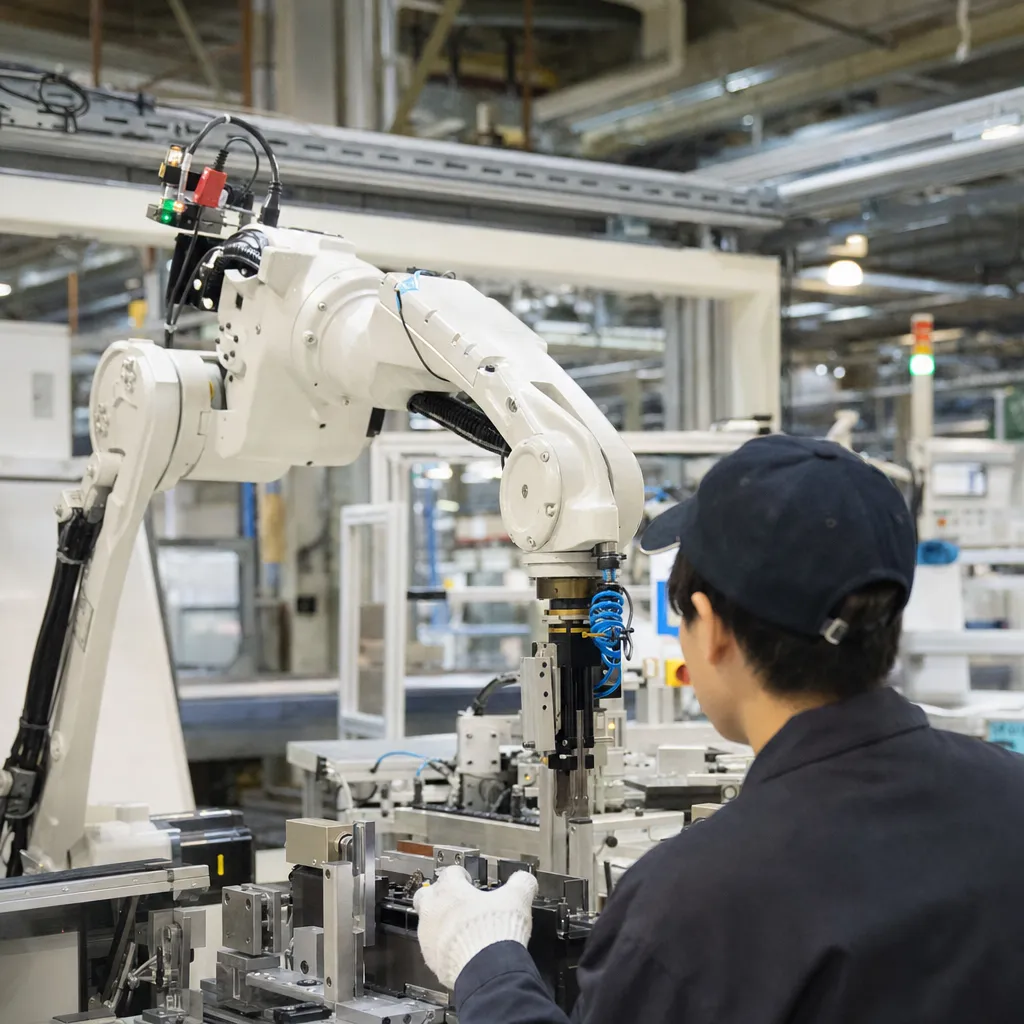
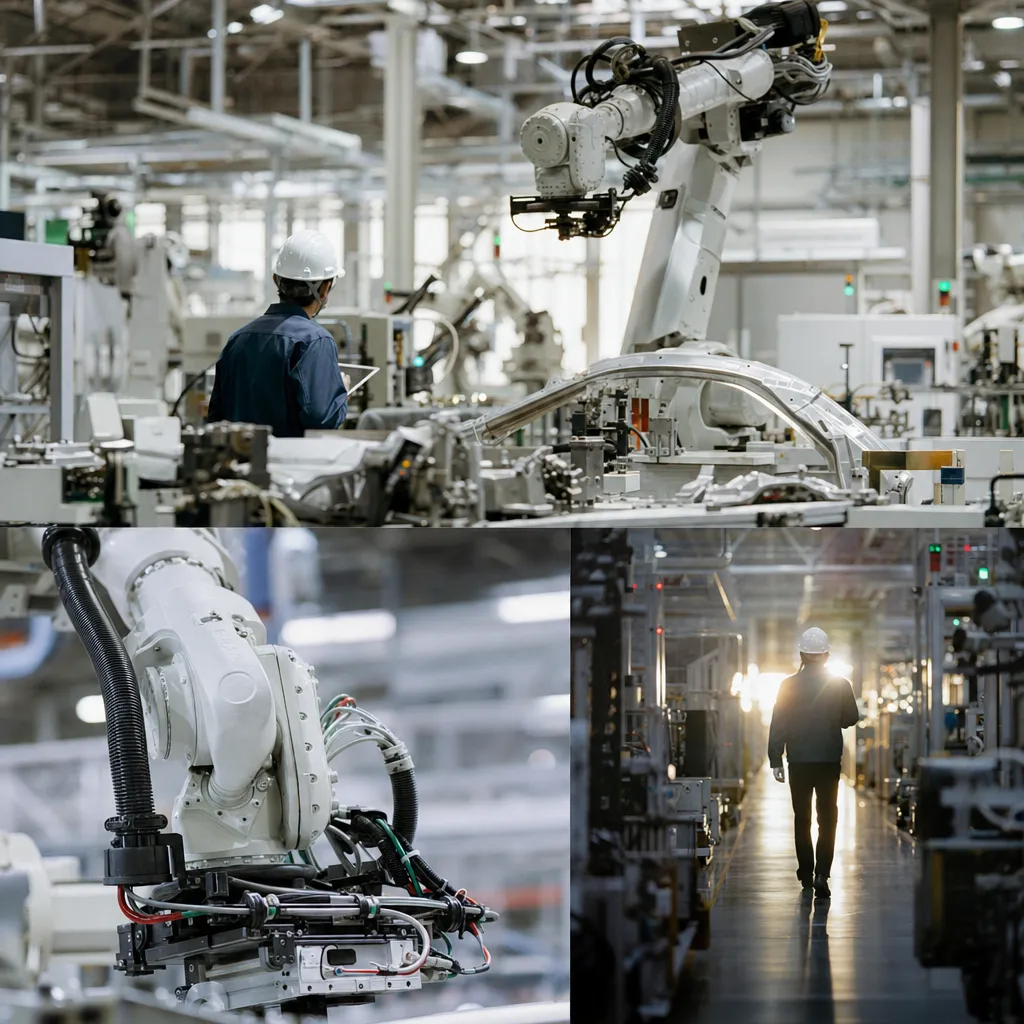
Industrial automation has a precision standard that most people outside manufacturing don't appreciate: traditional industrial robots run at 99.9 percent accuracy or higher, but only on perfectly controlled, highly repetitive tasks. The moment parts arrive in slightly different orientations, lighting conditions vary, or new components are introduced, traditional robots fail.
Humanoid robots running foundation models represent a fundamentally different approach. Instead of explicit programming for each scenario, they learn from demonstrations and generalize. The tradeoff has always been accuracy — and 96 percent has been the threshold where automotive manufacturers consider a technology deployable. Getting there in a live production environment, not a lab, is what changes procurement conversations.
Previous public benchmarks for humanoid robots in automotive settings had not broken 90 percent on unstructured pick-and-pack tasks.
The Trial Details
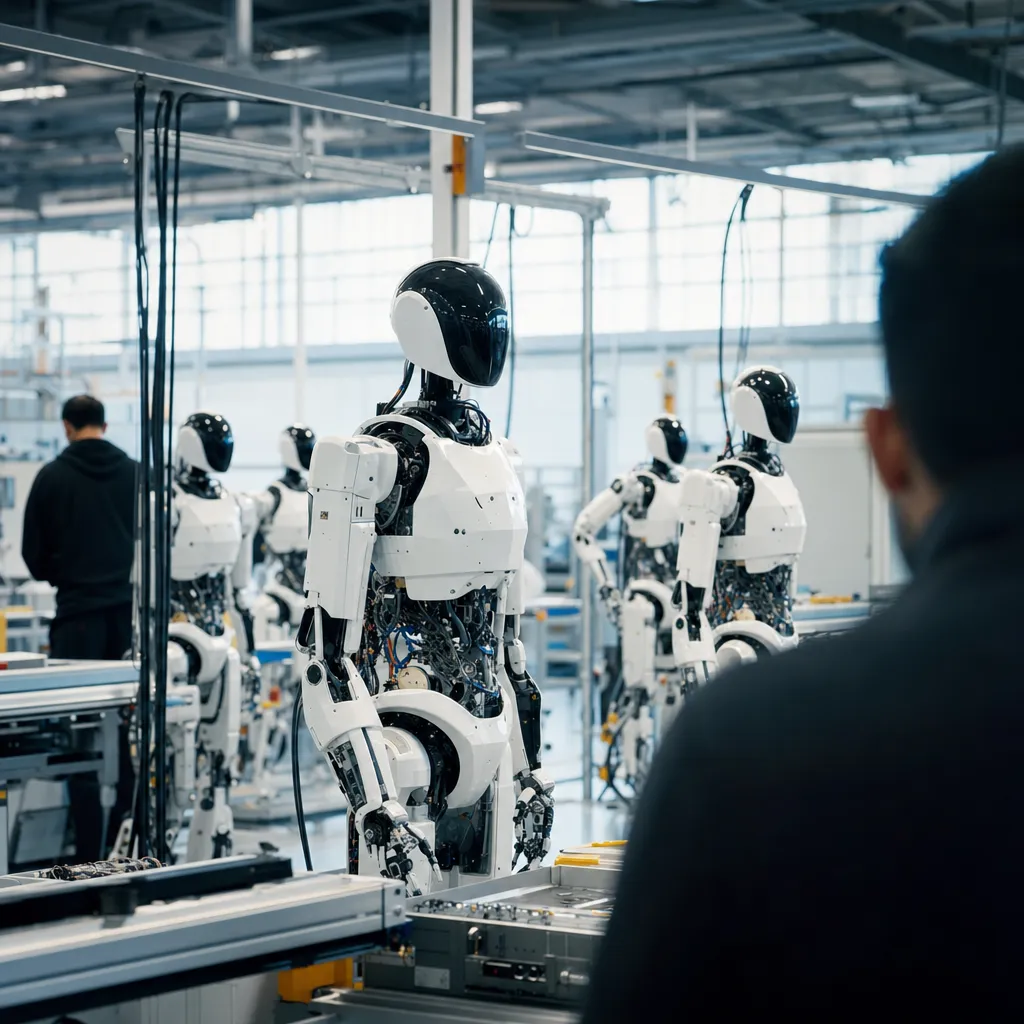
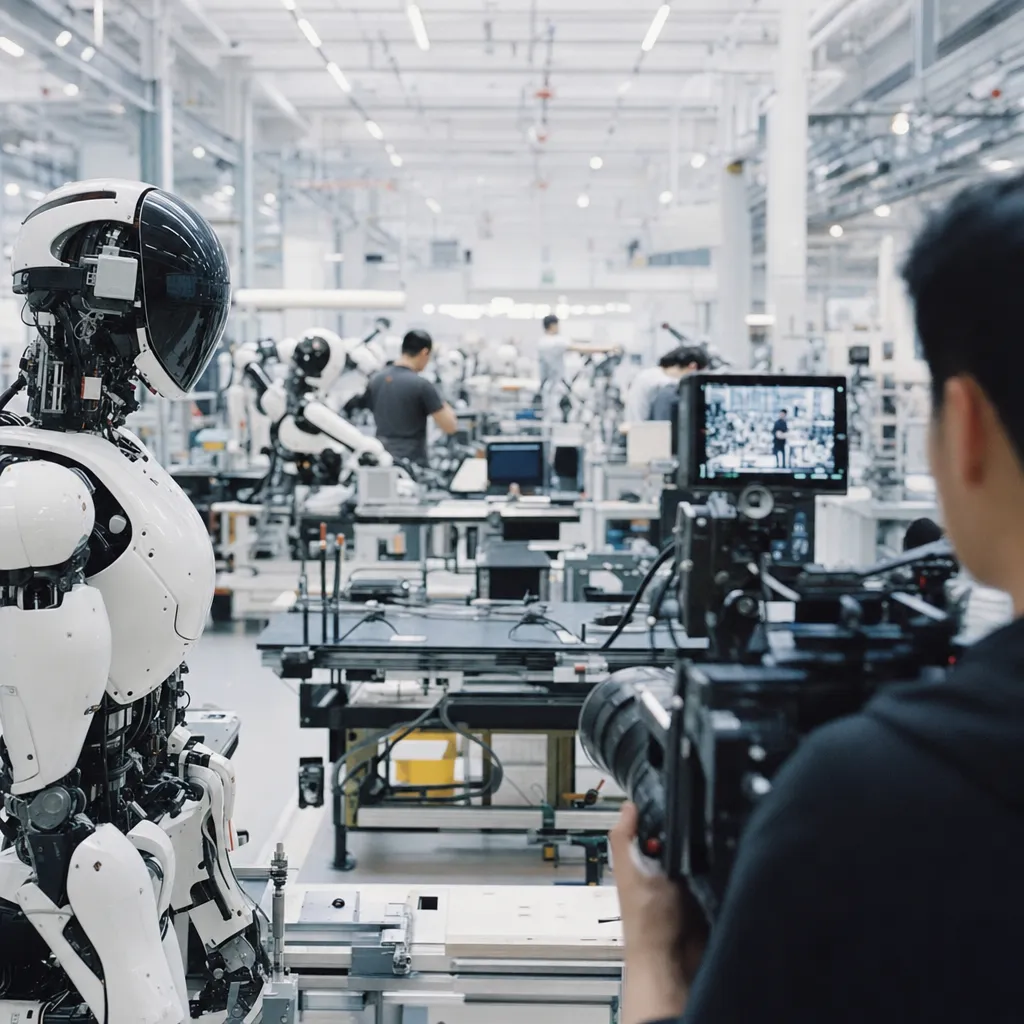
The Gemini Robotics 2.5 trial ran on Apptronik's Apollo 2 humanoid robot platform on Mercedes-Benz production lines. Specific details:
Get this in your inbox.
Daily AI intelligence. Free. No spam.
- Task: Picking and packing automotive components, including parts that arrive in variable orientations
- Environment: Live Mercedes-Benz production lines — not a controlled lab setting
- Result: 96 percent success rate on component handling tasks
- Model: Gemini Robotics 2.5, Google DeepMind's latest robotics foundation model
- Hardware: Apptronik Apollo 2 humanoid robot
The Apollo 2 is a full-size humanoid robot — 5'8", roughly 160 pounds — built specifically for factory deployment. Apptronik, a University of Texas at Austin spinout, has been a Google DeepMind partner since 2024.
The OpenAI Move in the Same Week
The timing is not coincidental. OpenAI's decision to fold its standalone robotics team into core research is an explicit philosophical bet: GPT-6 Astra-class general models are capable enough to run robotic systems without a dedicated domain team. OpenAI's argument is that domain-specific robotics research is redundant when the base model is powerful enough.
Google DeepMind is making the opposite bet — that robotics requires a dedicated research track to handle the physical world's messiness, embodiment challenges, and latency requirements that text-and-image models weren't designed for.
The Mercedes result is the first real-world data point in this argument. It shows Gemini Robotics 2.5, trained specifically for physical manipulation tasks, hitting commercial viability benchmarks on a live production line.
What This Means for Manufacturers
For automotive OEMs, the question shifts from "can humanoid robots work in factories?" to "which model and which robot?" The 96 percent threshold, confirmed in a named production environment, will unlock pilot budget conversations that have been stalled at the R&D stage.
For traditional industrial robotics companies — Fanuc, KUKA, ABB, Yaskawa — the foundation model approach threatens their core value proposition. Their systems are more accurate, but only on static, pre-programmed tasks. As production lines become more variable (EV platforms require faster retooling than ICE vehicles), the flexibility advantage of foundation model robots grows.
For workers on automotive lines, the 96 percent result means the deployment timeline for AI-assisted picking and packing tasks is measured in years, not decades. The near-term impact is likely augmentation — robots handling part retrieval while humans handle final assembly — before displacement risks materialize at scale.
What to Watch
Whether Google DeepMind and Mercedes-Benz announce an expansion from trial to full-scale deployment — and at what volume. Also watch whether Apptronik raises new capital on the back of this result, as the Apollo 2 platform is now the named hardware for the most credible public factory deployment benchmark in the humanoid sector. OpenAI's alternative approach will face its first real test when it publishes comparable production-environment results.
Did this help you understand AI better?
Your feedback helps us write more useful content.
Get tomorrow's AI briefing
Join readers who start their day with NexChron. Free, daily, no spam.