Home Assistant's November 2026 release ships November 11 with new hardware bridging unsupported smart home devices into its local AI ecosystem — a direct challenge to Apple HomeView, Amazon, and Google's cloud-dependent smart home platforms.
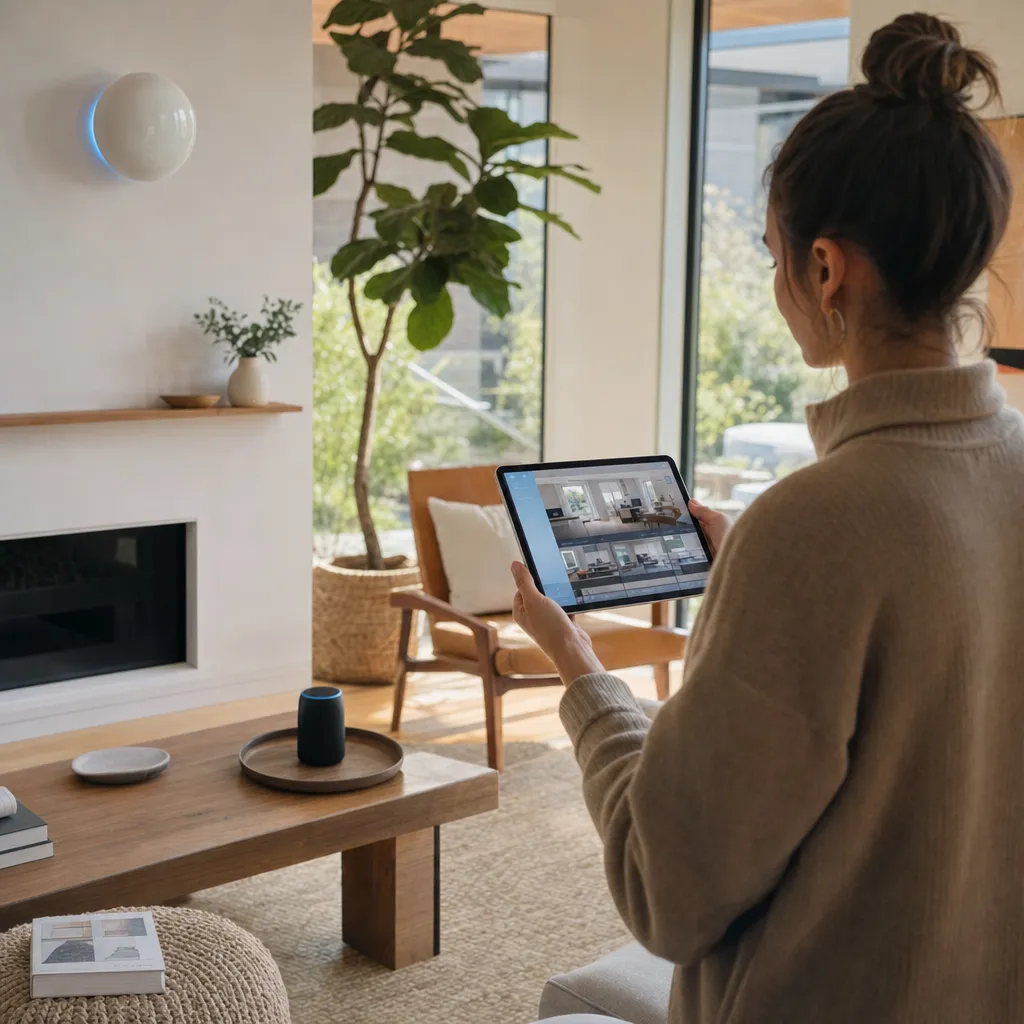
Home Assistant's November 2026 release, shipping November 11 under the banner "No device left behind," arrives with new hardware designed to bring AI-driven local control to smart home devices that otherwise lack native support. For the platform's 1.5 million active users, it's another step toward a home automation ecosystem that works entirely offline — an increasingly pointed contrast to Apple HomeView, Amazon Alexa, and Google Home, all of which route AI processing through the cloud.
What "No Device Left Behind" Means
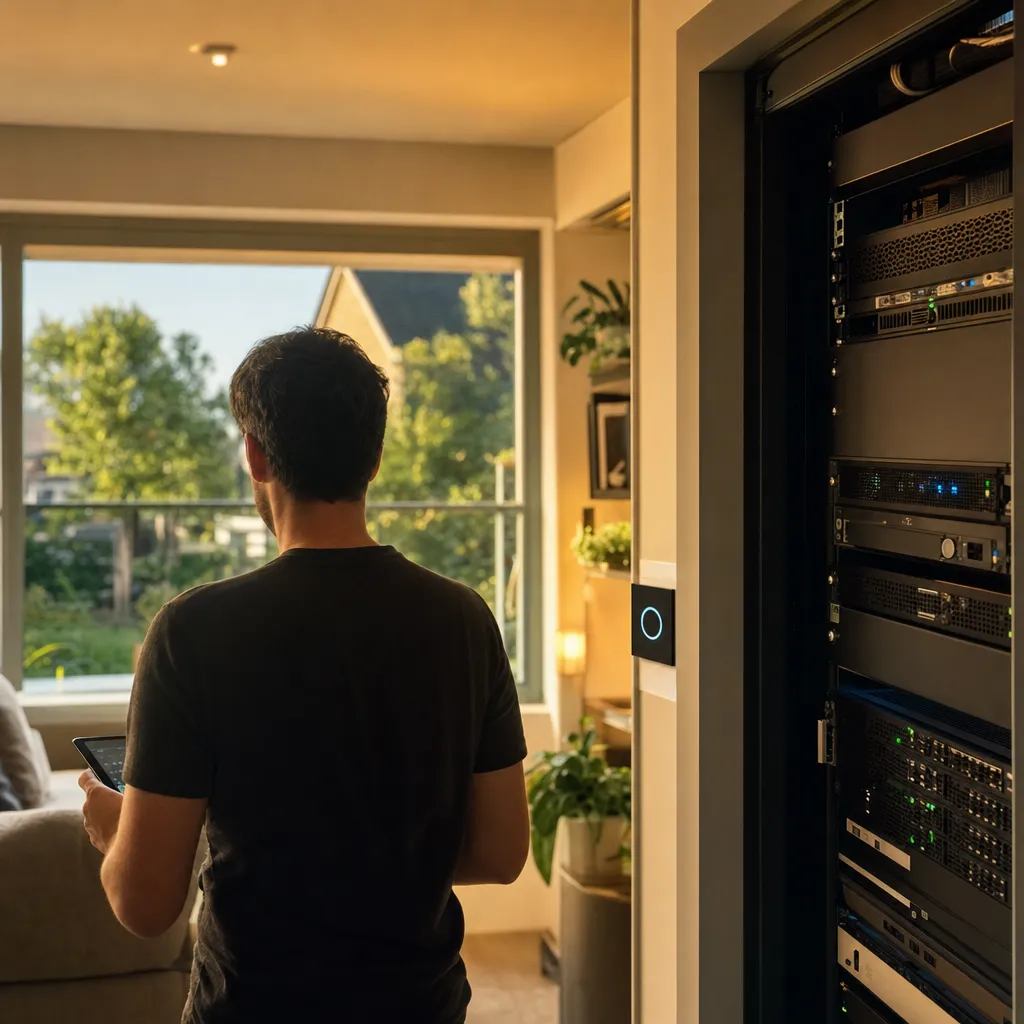
The November release targets the long tail of smart home hardware: devices that work with their manufacturer's proprietary app but have no path into standard protocols like Matter or Zigbee. Home Assistant's new hardware provides a local bridge — essentially a translator that makes those devices visible to the Home Assistant ecosystem without requiring a cloud connection.
For users, this matters because:
- Privacy: Device data never leaves the home network. Voice commands, sensor readings, and automation triggers are processed locally.
- Reliability: Local processing eliminates the failure mode where a cloud service outage disables your lights, thermostat, or locks.
- Longevity: When a manufacturer discontinues a product or shuts down its cloud service — which happens with regularity in consumer IoT — locally bridged devices keep working.
The irony of "no device left behind" is intentional. Consumer IoT has a device abandonment problem: millions of smart home products become inoperable when manufacturers exit the market or sunset their cloud infrastructure. Home Assistant has positioned itself as the rescue platform.
Get this in your inbox.
Daily AI intelligence. Free. No spam.
Privacy-First AI as a Differentiator
Home Assistant has been investing heavily in on-device AI — running language models and voice recognition locally rather than sending audio to cloud servers. The November release extends this capability to the new hardware, maintaining the platform's privacy-first architecture even as it adds more AI features.
This matters competitively. Apple HomeView launched in November 2026 with Siri-powered AI agents for home control, but routes inference through Apple's servers. Amazon's Alexa Plus, Google's latest Nest integrations, and other commercial smart home AI platforms all process data in the cloud. Home Assistant's local-first architecture is a genuine differentiator for users who prioritize privacy — particularly in Europe, where GDPR implications of cloud-processed home sensor data are increasingly on legal teams' radar.
Who Builds and Uses Home Assistant
Home Assistant is an open-source project maintained by Nabu Casa, a small company that offers a paid cloud subscription for users who want remote access while still maintaining local processing. The 1.5 million active install figure understates actual reach: Home Assistant is typically installed by technically sophisticated users who then set it up for less technical household members.
The platform supports over 3,000 integrations — far more than any commercial platform — and its community of developers consistently ships support for new devices faster than manufacturers build it into their own apps. The November release's new hardware component suggests Nabu Casa is investing in lowering the technical barrier to entry, making the platform accessible to users who can't or won't configure custom firmware.
The Competitive Moment
The home AI market is consolidating around a small number of cloud platforms, and 2026 has been the year that consolidation accelerated. Apple's HomeView launch, Amazon's Alexa platform refresh, and Google's continued Nest investment have raised the stakes. Home Assistant's response — hardware that extends local control, AI that runs on-device, and a "no device left behind" philosophy — is a coherent product strategy for users who have been burned by commercial platforms' track record of product discontinuation and data collection.
What to Watch
Watch the November 11 launch day adoption metrics: how quickly the community integrates the new hardware with previously unsupported devices will signal whether the bridge concept is technically clean. Longer term, watch Nabu Casa's cloud subscription growth as a proxy for whether the privacy-first value proposition is translating into sustainable revenue — the foundation the project needs to maintain its development pace against well-funded commercial competitors.
Did this help you understand AI better?
Your feedback helps us write more useful content.
Get tomorrow's AI briefing
Join readers who start their day with NexChron. Free, daily, no spam.