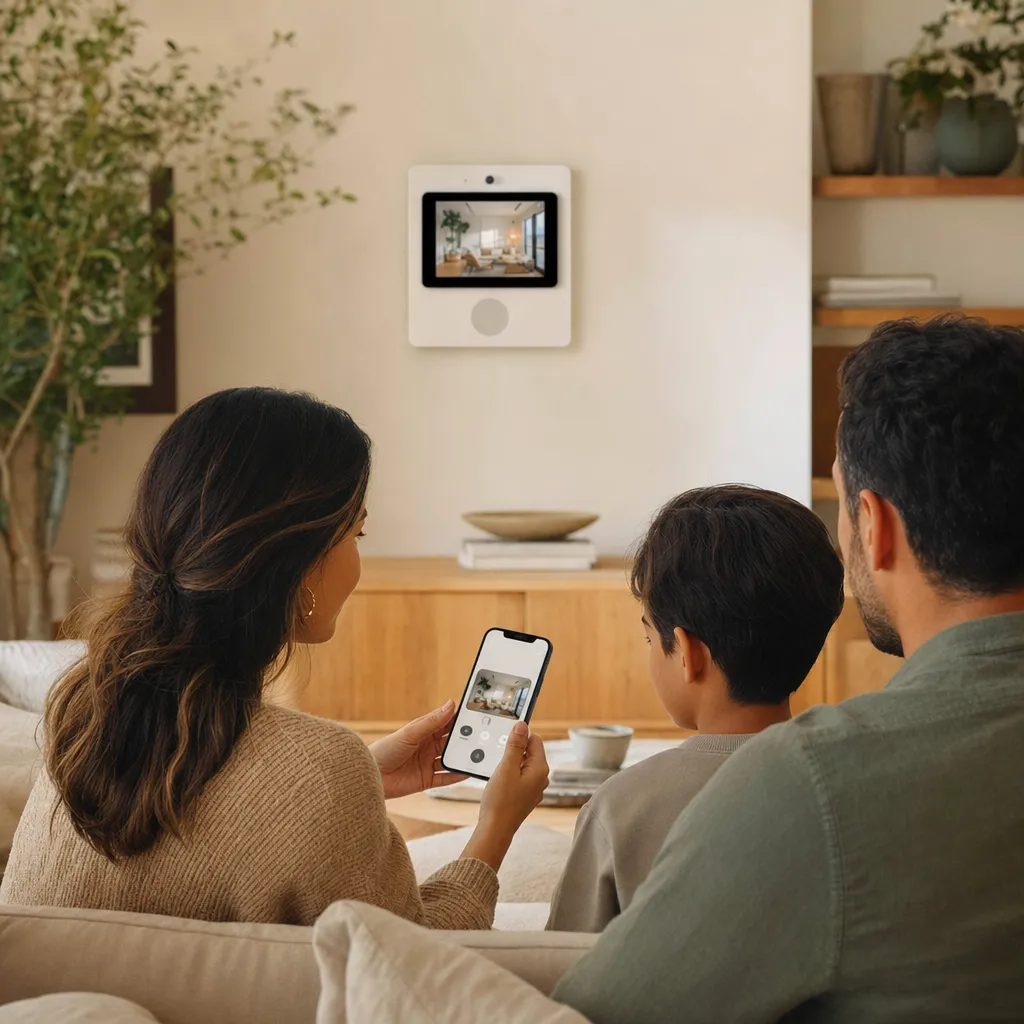
Google's November 2026 Gemini for Home update adds contextual images to Nest Hub AI responses and improves smart home device control reliability — arriving the same week Apple launched HomeView.
Google's November 2026 Gemini for Home update gives Nest Hub and compatible smart displays the ability to show contextual images alongside AI responses — a step toward richer ambient computing that goes beyond voice and text. Android Police reports that the update also significantly improves smart home device control reliability, addressing a persistent frustration that undercut Gemini's predecessor, Google Assistant, throughout its lifecycle.
The timing is pointed: Apple launched HomeView the same week, kicking off what may be the most competitive AI home assistant period yet.
What Changed
Before this update, Gemini for Home responses on Nest Hub were text-and-voice only. When you asked about a rash, a knot-tying technique, or a recipe step, you got words. Now you get images alongside them.
The addition sounds incremental. It is not. Visual context is the difference between an ambient display being genuinely useful and being a speaker with a screen. Recipe steps shown with photos, weather maps appearing with forecasts, product images loading during shopping comparisons — these make a Nest Hub functionally different from a smart speaker.
Get this in your inbox.
Daily AI intelligence. Free. No spam.
The device control reliability improvement addresses a separate failure mode. Gemini has consistently underperformed Google Assistant on simple home automation tasks — turning off lights, adjusting thermostats, locking doors. For a system positioned as a home intelligence hub, dropping the basic reliability ball has been a persistent embarrassment. This update targets that gap directly.
The Three-Way War for the AI-Native Home
Google, Apple, and Amazon are simultaneously shipping major AI home updates:
- Google: Gemini for Home visual answers and improved device control (this update)
- Apple: HomeView launched this week — a dedicated AI home hub with deep iOS and HomeKit integration
- Amazon: Alexa Plus has been rolling out agentic capabilities since mid-year, including shopping and calendar management
The battle is for the AI-native living room: a home environment where a natural language interface manages devices, answers questions, makes purchases, and coordinates schedules without the user ever opening an app. Each company controls a different share of the existing smart home device ecosystem and is trying to make its AI layer the default cognitive interface for the household.
Google's strength is cross-platform device compatibility and deep search integration. Apple's is tight hardware-software integration and consumer trust around privacy. Amazon's is the largest installed base of voice-first devices and the longest track record in home commerce.
What to Watch
Watch whether Google matches Apple's HomeView with dedicated display hardware for the AI home category, or doubles down on Nest Hub as the visual AI hub. The hardware strategy reveals which customer segment each company believes will anchor the AI home transition — and sets the terms of competition heading into 2027.
Did this help you understand AI better?
Your feedback helps us write more useful content.
Get tomorrow's AI briefing
Join readers who start their day with NexChron. Free, daily, no spam.