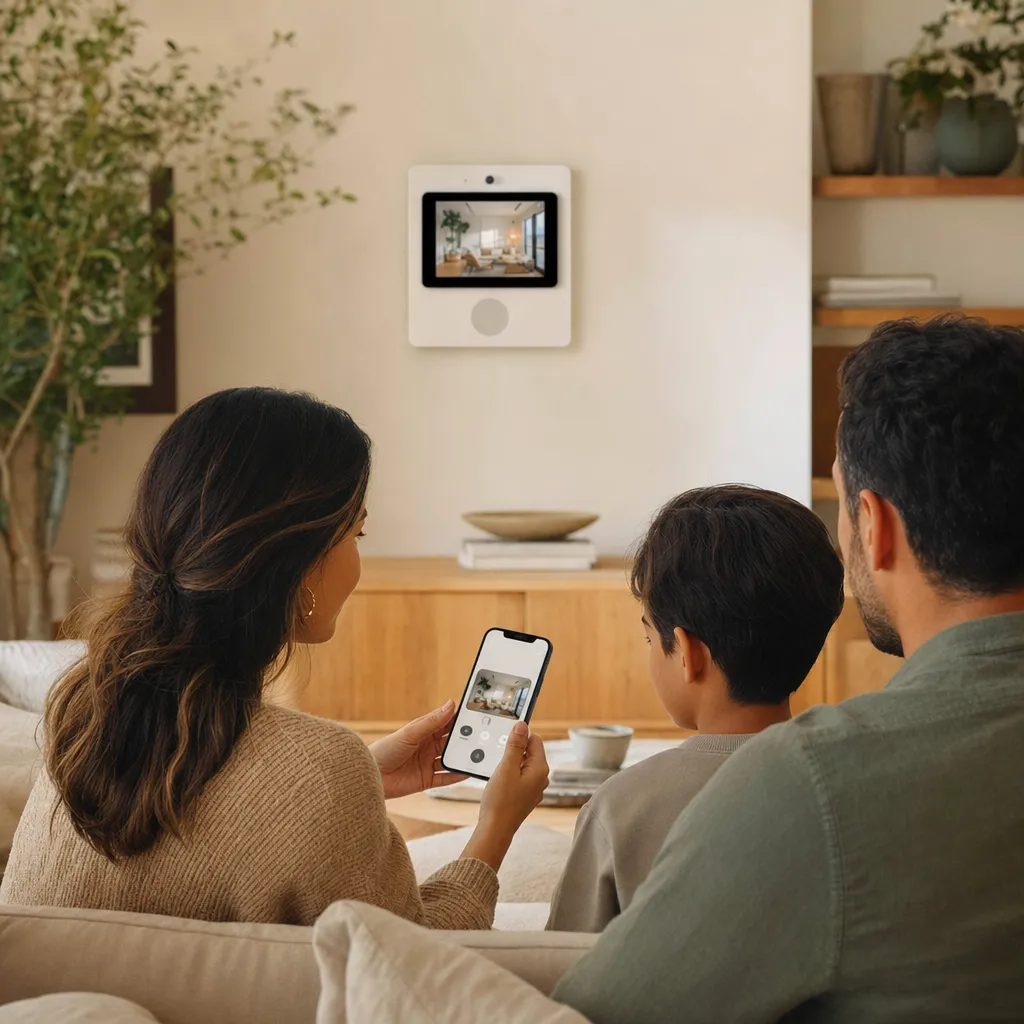
Apple's HomeView smart home display went on sale today at $299, putting Siri AI at the center of the living room and directly challenging Amazon Echo Show and Google Nest Hub.
Apple's HomeView — a 7-inch Siri AI-powered smart home display — went on sale today at $299, marking Apple's first dedicated smart home hub and placing Siri AI at the center of the living room for the first time. The launch puts Apple in direct competition with Amazon's Echo Show and Google's Nest Hub in a market those two devices have dominated for the better part of a decade.
HomeView is the clearest signal yet that Apple views the smart home not as an accessory market but as a primary platform for Siri's next phase — and that it's willing to build dedicated hardware to claim that ground.
What HomeView Does
According to ABC News coverage of today's launch, HomeView integrates with the core Apple services ecosystem in ways Amazon and Google can't replicate on their competing devices:
- Messages and FaceTime — send and receive iMessages and make video calls directly from the display without a phone
- Calendar and reminders — full integration with Apple's scheduling apps, surfacing alerts and upcoming events on the home screen
- Find My — real-time tracking of family members and devices visible on the display
- HomeKit — full control of connected home devices, cameras, locks, thermostats, and lights
- Siri AI — voice-activated assistant with full context of the user's Apple account, apps, and device ecosystem
The $299 price point sits above the entry-level Amazon Echo Show 5 ($89) and Google Nest Hub ($99) but below the premium Echo Show 15 ($349). It targets households already in the Apple ecosystem, where deeper integration with existing Apple apps justifies the higher price.
Why Apple Is Entering Now
Apple has watched Amazon and Google build persistent presence in the home through smart displays since 2017. The strategic cost of that absence has grown: HomeKit device adoption has expanded significantly, AirPlay usage in the home has increased, and Siri needs a physical home device to anchor its relevance against a maturing Amazon Alexa and an increasingly capable Google Assistant.
Get this in your inbox.
Daily AI intelligence. Free. No spam.
The timing also reflects Apple's AI trajectory. Siri received substantial infrastructure upgrades in iOS 28, introducing more capable autonomous agent features. HomeView is the hardware platform that makes those Siri AI capabilities useful in the home context — persistent, ambient, and hands-free in a way that an iPhone, which users pocket and silence, is not.
Apple has built a moat it can now monetize. The combination of Messages, Find My, iCloud-connected apps, and HomeKit creates a device utility that is exclusively valuable to iPhone users. Amazon and Google have no comparable depth in that specific ecosystem.
The Competitive Landscape
Amazon's Echo Show line has the installed base advantage — millions of units in US homes across multiple device generations. Google's Nest Hub has tighter Google Search and YouTube integration. Neither can replicate Apple's integration with Messages, Find My, and iCloud-connected apps.
Apple's historical pattern in category entries — late, premium-priced, and platform-integrated — has been effective where existing competitors lack the ecosystem depth to match Apple's native integrations. The smart home display market fits that template closely: Amazon and Google built horizontally (broad device compatibility, broad service integration); Apple is building vertically (deep integration with one ecosystem, one user base).
What Apple lacks is broad smart home device compatibility. Amazon's Alexa supports thousands of third-party smart home devices. HomeKit's ecosystem, while growing, is narrower. Users with legacy non-HomeKit smart home hardware will find HomeView's device control capabilities more limited than Echo Show's until they upgrade or replace their existing devices.
What to Watch
HomeView launches during the holiday season, giving Apple a fast read on consumer appetite within weeks. The critical question is purchase intent among the tens of millions of iPhone users who don't yet own a smart home display — whether the Apple ecosystem integration is a strong enough pull to convert the undecided buyer who already has an iPhone but hasn't felt compelled by Echo Show or Nest Hub.
The second test is Siri's on-device performance as a standalone device. HomeView needs to work without being treated as an iPhone peripheral. If Siri's local performance matches the responsiveness of Alexa and Google Assistant for routine requests — timers, weather, music, lighting — Apple's ecosystem depth becomes a decisive advantage. If it requires frequent cloud round-trips or misses basic commands, the premium price will be difficult to defend against mature competitors with years of voice-interaction optimization behind them.
HomeView is available today at Apple retail stores and through Apple.com. No carrier requirement is noted; it operates on home Wi-Fi like competing smart displays.
Did this help you understand AI better?
Your feedback helps us write more useful content.
Get tomorrow's AI briefing
Join readers who start their day with NexChron. Free, daily, no spam.