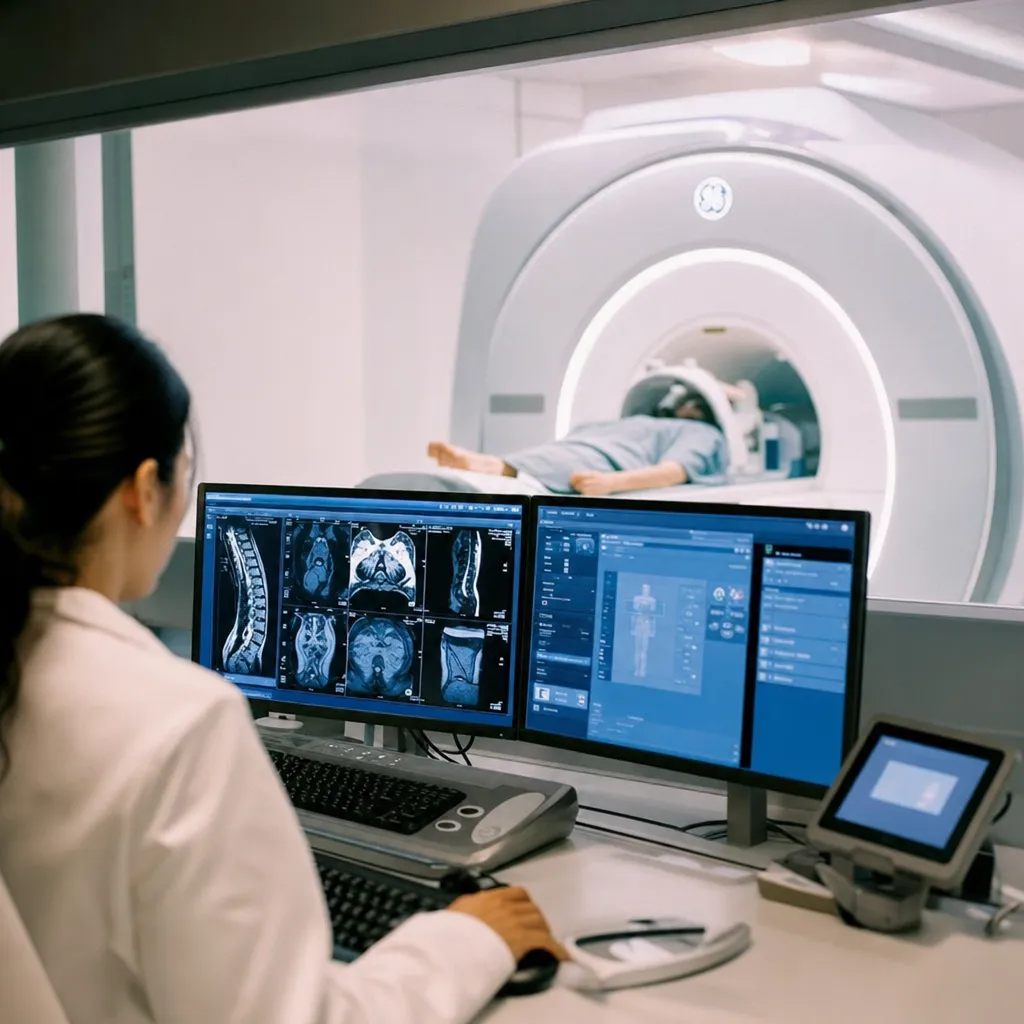
A study published in Science found Microsoft's diagnostic AI identified 83.2% of complex clinical cases correctly — more than double the 36.1% rate for generalist physicians with reference materials.
Microsoft's diagnostic AI correctly identified 83.2% of complex clinical cases in a peer-reviewed study published in Science — compared to 36.1% for generalist physicians using reference materials. That is a gap of 47 percentage points, and it is one of the most direct performance comparisons between AI and human clinicians published in a major journal to date. The finding does not settle the question of clinical deployment, but it does change what that conversation looks like.
What the Study Found
The research, reported by Open Loop Health in November 2026, pitted Microsoft's diagnostic AI against generalist physicians working with reference materials — the best available tool for a doctor who doesn't immediately know the answer. This is an important experimental design: it tests AI not against unprepared clinicians, but against clinicians with access to the resources they'd actually use in practice.
The results:
- Microsoft diagnostic AI: 83.2% accuracy on complex clinical cases
- Generalist physicians with reference materials: 36.1% accuracy
- Performance gap: 47.1 percentage points
The cases tested were specifically complex — the type that often stump front-line physicians and lead to specialist referrals, delayed diagnoses, or outright misdiagnoses. These are not routine presentations.
Researchers were clear about one caveat: laboratory performance does not equal clinical readiness. Real-world deployments introduce incomplete records, time pressure, comorbidities, and communication failures that controlled studies cannot replicate. Further validation in live care settings is required before clinical deployment.
Why This Data Point Is Different
Clinical AI has produced a steady stream of benchmark claims for years. Many have been criticized for cherry-picked datasets, favorable test conditions, or comparisons against unprepared clinicians. This study differs on two counts.
First, it was published in Science, which applies rigorous peer review to medical research. Second, the design — AI versus reference-assisted physicians — is harder to game than model-versus-model comparisons. It tests AI against clinicians actively trying to look things up.
Get this in your inbox.
Daily AI intelligence. Free. No spam.
That the gap held at 47 points under those conditions is what makes the number significant.
For hospital administrators, the data creates a pressure that will be difficult to ignore: at what point does deploying AI clinical decision support become a standard-of-care obligation, not just an innovation option?
Three near-term integration paths emerge from findings like this:
-
Second-opinion workflows. AI tools that flag potential diagnostic mismatches could reduce missed diagnoses without requiring physicians to cede clinical judgment. The physician remains the decision-maker; AI is the check.
-
Triage and routing. A system that can accurately categorize case complexity could move patients to appropriate specialist care faster — compressing the often months-long journey from a confusing primary care visit to a correct diagnosis.
-
Health equity. Patients in rural or underserved areas who rely primarily on generalists stand to gain the most. Tools that bring specialist-level diagnostic support to generalist encounters could reduce outcome disparities tied to geography.
The Cautions Still Stand
The researchers' caution about real-world deployment is not bureaucratic hedging — it reflects documented failure modes in AI health tool deployments:
- Clinical records are messy; study datasets are clean
- Automation bias is real: physicians can accept AI suggestions without independent critical evaluation, introducing new error modes
- Performance gaps across demographic groups have appeared in some diagnostic AI tools, raising equity concerns that controlled studies may not catch
None of these is a reason to dismiss the results. They are reasons to insist on prospective deployment studies before treating benchmark accuracy as clinical readiness.
What to Watch
The next critical step is a prospective validation trial — one that embeds the Microsoft diagnostic tool in live clinical settings and tracks outcomes over time, not retrospective case reviews. If performance holds under real-world conditions, it would constitute one of the strongest arguments yet for mandatory AI-assisted diagnostics in complex case triage.
Watch also for responses from the American Medical Association and specialty physician organizations. Their positions will shape how health systems interpret these findings — and how quickly they move.
Source: Open Loop Health, November 2026
Did this help you understand AI better?
Your feedback helps us write more useful content.
Get tomorrow's AI briefing
Join readers who start their day with NexChron. Free, daily, no spam.