Microsoft's GPT-5-based medical AI achieved nearly double the diagnostic accuracy of emergency room physicians on structured cases — but 91% of patients say AI should require their explicit consent before diagnosing them.
Microsoft's GPT-5 Medical AI Diagnosed Diseases Twice as Accurately as Emergency Physicians
By Hector Herrera | November 7, 2026 | Health
A Microsoft medical AI system built on GPT-5 outperformed emergency room physicians on structured diagnostic cases by nearly double in accuracy, according to new research published this week. The findings are the strongest clinical validation yet for large language model (LLM)-based diagnostic tools, and they are arriving at the same moment that 91% of patients in a parallel survey said AI should require their explicit permission before being used in their care.
The gap between what the technology can do and what patients are ready to accept is now the central tension shaping how health systems will deploy these tools over the next two years.
What the Research Found
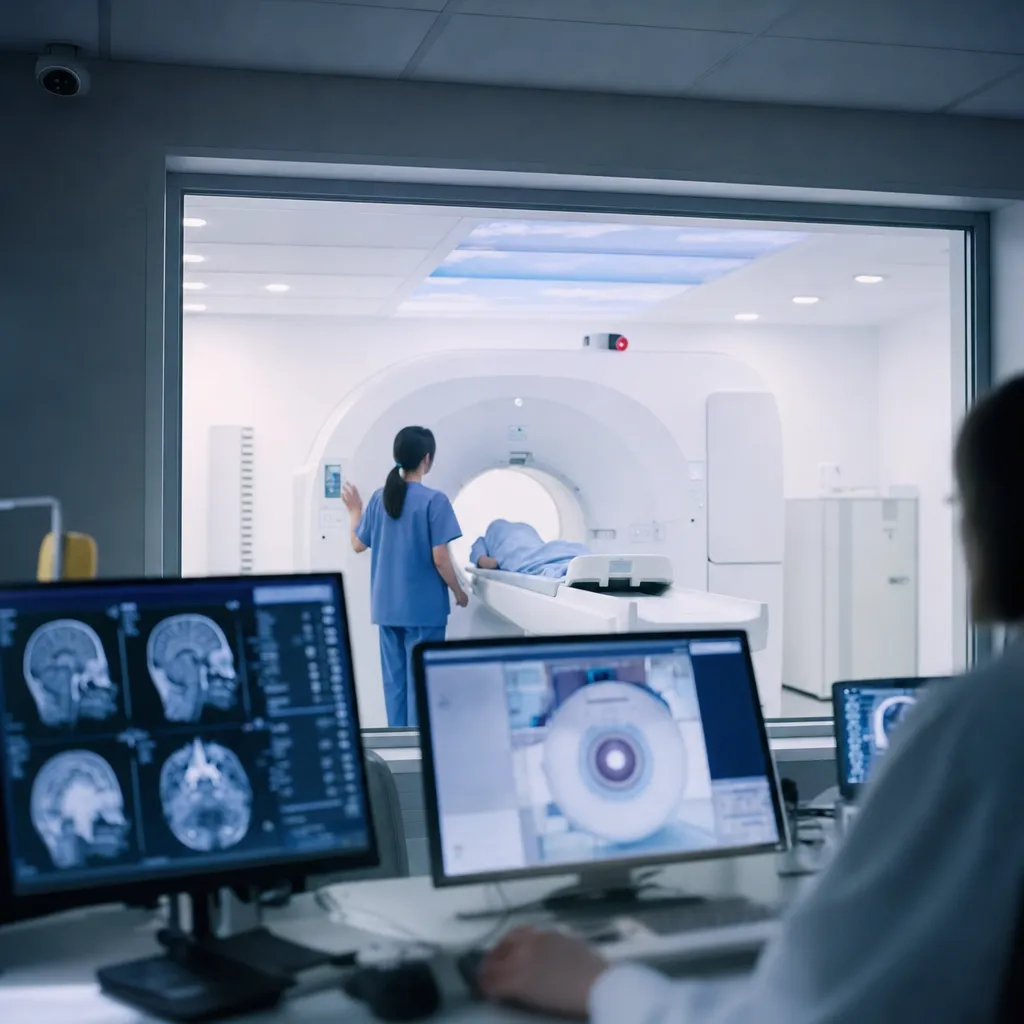
The study, reported by Singularity Hub, tested Microsoft's GPT-5-powered clinical AI against emergency medicine physicians across a set of structured diagnostic cases representative of typical ER presentations — the kinds of cases that make up the bulk of emergency medicine volume, not highly unusual presentations.
The AI system achieved nearly twice the diagnostic accuracy of the physician cohort on the same case set. The research adds to a growing body of evidence from Google DeepMind, Stanford, and several European health systems that frontier-class LLMs are reaching or exceeding physician-level performance on structured diagnostic reasoning tasks.
It is important to note what "structured diagnostic cases" means: patients presenting with documented symptoms, test results available, and a known ground-truth diagnosis established retrospectively. This is not the same as diagnosing a live patient with incomplete information, conflicting symptoms, and time pressure. The gap between benchmark performance and real-world emergency medicine is real. What makes this study notable is the magnitude of the gap — 2x is not a marginal improvement.
Why This Matters Now
This is not the first study showing AI outperforming physicians on diagnostic benchmarks. What is different in 2026 is that these tools are no longer hypothetical — they are being deployed in clinical settings. Microsoft's clinical AI partnerships now span multiple health systems across North America and Europe. Similar deployments are live through Google's Med-Gemini integrations and several independent clinical AI platforms.
Get this in your inbox.
Daily AI intelligence. Free. No spam.
The study puts specific pressure on three unresolved questions:
- At what accuracy threshold should AI diagnosis become the default first step in a clinical encounter, rather than a support tool?
- Who is liable when AI is more accurate than a physician but the physician overrides it?
- Who is liable when AI makes an error that a physician would not have made?
None of these questions have settled legal answers in the United States or most of Europe as of November 2026.
The Patient Consent Problem
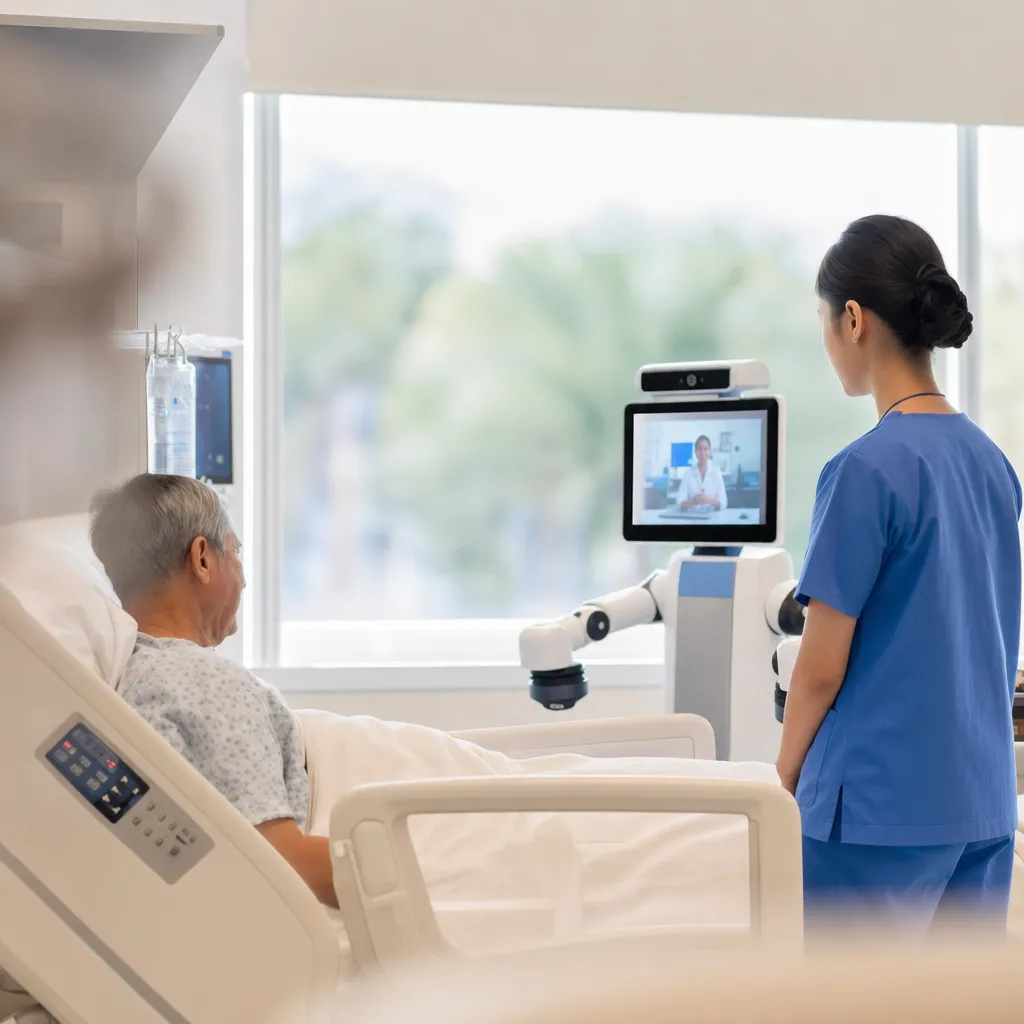
The consent data is the other half of this story. According to the same reporting, 91% of patients say their explicit permission should be required before AI is used for their diagnosis. That is an extraordinarily high number, suggesting that patient acceptance of AI-assisted diagnosis is not keeping pace with the technology's demonstrated capability or its current deployment in health systems.
Health systems deploying clinical AI tools generally obtain consent through bundled language in admission paperwork — not through specific, informed disclosure that an AI system will be evaluating the patient's case. The disconnect between patients' stated preferences and standard hospital consent practice is a legal and ethical exposure that has not yet been tested in a major court case.
This mirrors a broader dynamic in AI-assisted care: the technology is advancing faster than the frameworks for how it should be introduced to patients, what rights patients have to opt out, and how errors should be investigated and compensated.
Physician responses to AI diagnostic tools vary significantly by specialty and generation. Emergency medicine physicians — who handle the highest diagnostic volume under the most time pressure — are among the most open to AI assistance. Radiologists and pathologists have been using AI tools for the longest and have the most established norms for how to integrate algorithmic outputs with clinical judgment.
The more resistant populations tend to be generalists and specialists who see AI diagnostic claims as encroaching on the professional judgment that defines their role. The 2x accuracy finding is unlikely to change their minds quickly. Physicians note, correctly, that diagnostic accuracy in controlled retrospective studies does not map directly onto the complex social and physical reality of a clinical encounter.
What to Watch
The FDA has cleared over 1,000 AI-based medical devices, but its regulatory framework for LLM-driven diagnostic tools is still evolving. A September 2026 FDA report found that only 3% of approved AI medical devices had been tested on patient outcome data. Watch for whether this Microsoft study accelerates calls for mandatory outcome-based validation requirements — and whether hospital systems begin adding specific AI disclosure language to their consent processes ahead of potential regulatory mandates.
Source: Singularity Hub, November 4, 2026
Did this help you understand AI better?
Your feedback helps us write more useful content.
Get tomorrow's AI briefing
Join readers who start their day with NexChron. Free, daily, no spam.