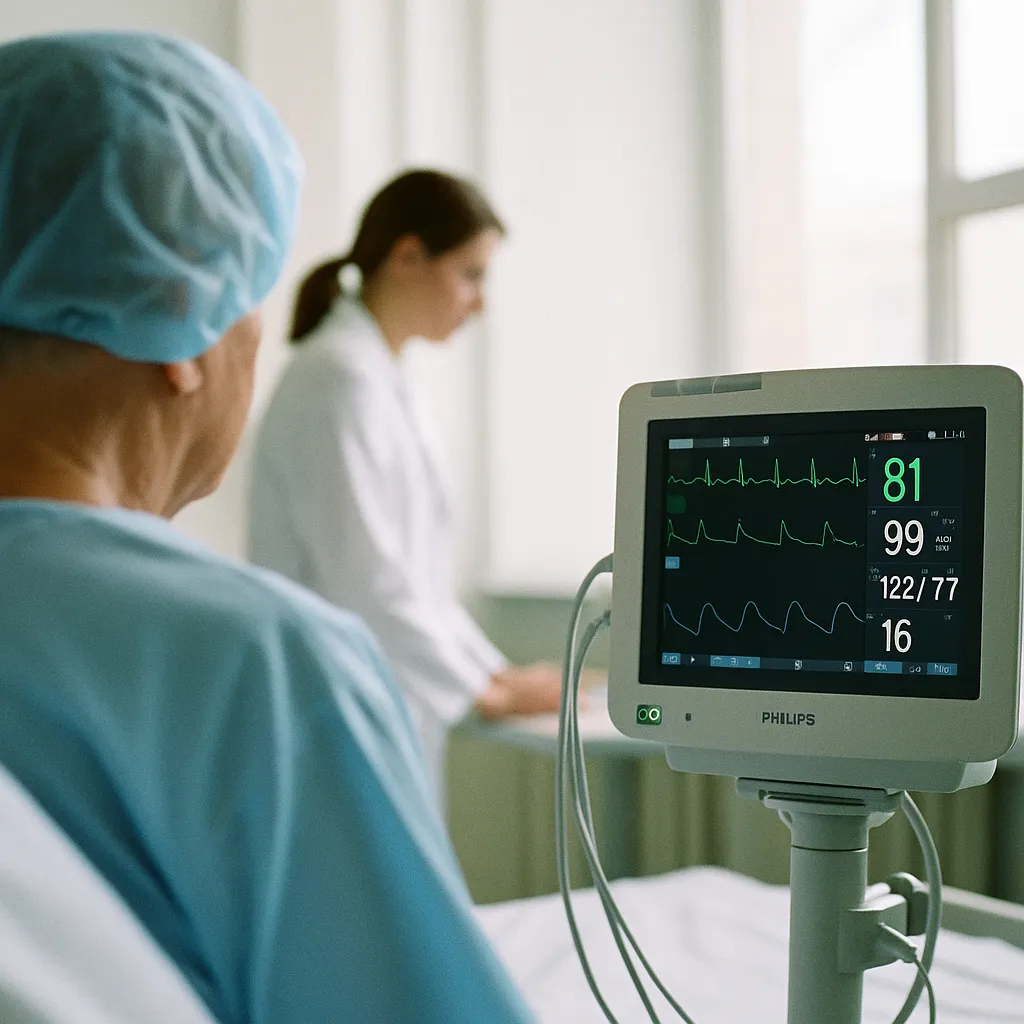
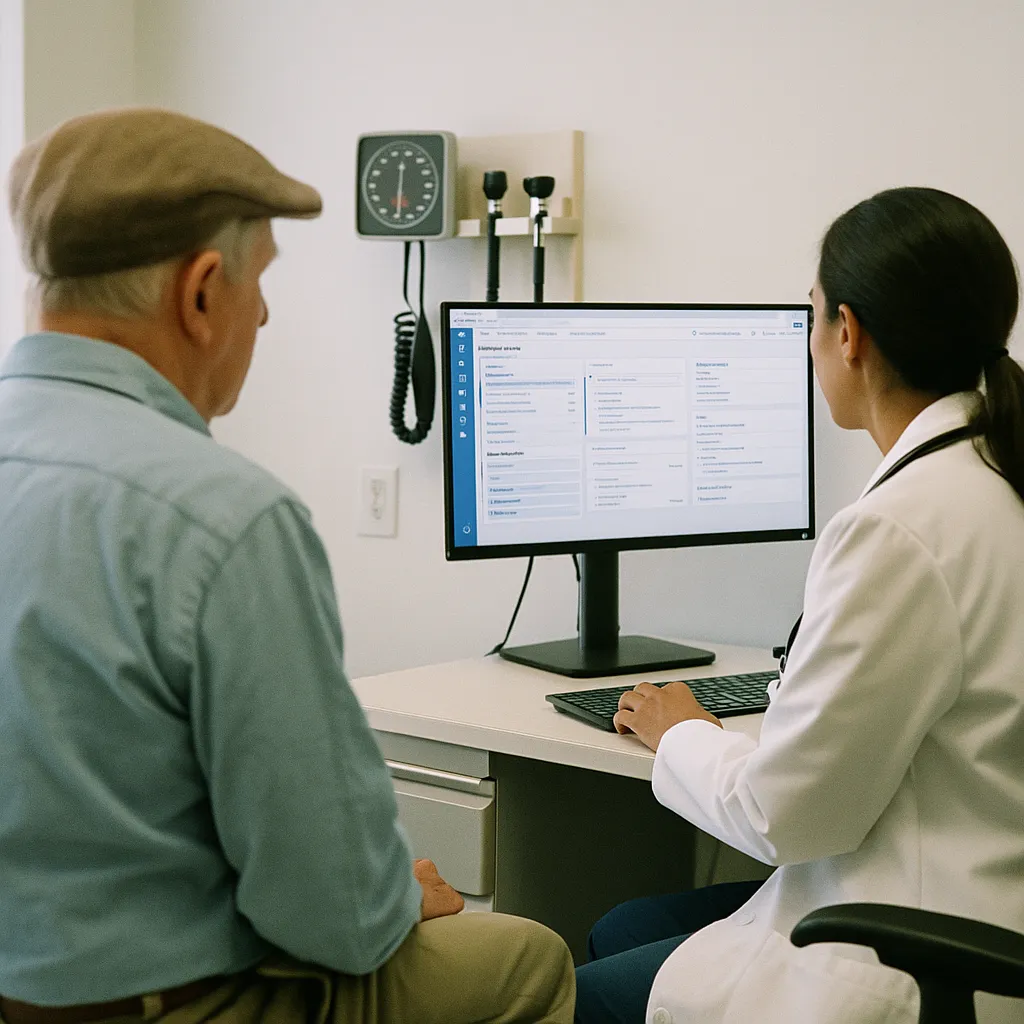
The Joint Commission's new Responsible Use of AI in Healthcare certification gives U.S. hospitals a formal, third-party-verified framework to demonstrate AI governance—arriving as 80% of physicians now use AI in clinical settings.
Joint Commission Launches First Voluntary AI Governance Certification for U.S. Hospitals
By Hector Herrera | June 12, 2026 | Health
The Joint Commission — the organization that accredits more than 22,000 U.S. healthcare organizations — released its Responsible Use of AI in Healthcare (RUAIH) voluntary certification on June 1, giving hospitals a formal, independent way to demonstrate that their AI systems are governed, audited, and performing as intended. For the first time, a patient walking into a certified hospital can know that an external authority has verified how that facility manages the AI helping make clinical decisions.
The timing is not accidental. More than 80% of physicians now use AI in clinical settings, according to the American Medical Association's 2026 survey, and the pace of AI deployment in health systems has outrun the governance frameworks meant to oversee it. Patient safety advocates, regulators, and clinicians have been calling for exactly this kind of standardized accountability structure.
What the Certification Covers
The RUAIH certification establishes requirements across five domains: AI governance and oversight, data management and quality, bias mitigation and equity, performance monitoring, and clinician training. Critically, hospitals do not need to already hold a Joint Commission accreditation to apply — any U.S. healthcare organization deploying AI systems can pursue the certification independently.
The program was developed in coordination with more than 20 healthcare and technology coalitions, including professional medical associations, patient advocacy groups, and AI vendors. That multi-stakeholder design matters: it means the standards reflect what is actually achievable in real clinical environments, not theoretical ideals.
Key elements of the certification framework include:
- Governance structure: Hospitals must designate accountable leadership for AI oversight, with defined escalation paths when an AI system underperforms
- Bias auditing: AI tools must be evaluated across demographic groups before deployment and monitored continuously for performance divergence
- Data provenance: Training data sources must be documented and reviewed for quality and representativeness
- Performance monitoring: Deployed models require real-time accuracy tracking against clinician outcomes, not just initial validation results
- Clinician training: Staff must receive documented training on both the capabilities and limitations of any AI system they interact with
Why This Matters Now
Healthcare AI has been moving fast. Radiology AI tools now flag potential tumors. Predictive algorithms triage ER patients. Discharge recommendation engines flag readmission risk. These aren't pilots anymore — they're running 24/7 in production, affecting treatment decisions for millions of patients.
Get this in your inbox.
Daily AI intelligence. Free. No spam.
The problem is that deployment outpaced governance. A 2025 study in JAMA found that the majority of clinical AI tools in active use had never been prospectively validated on the population they were serving. Bias in training data has led to documented disparities in pain assessment, sepsis prediction, and dermatology screening — disparities that tend to disadvantage Black patients, women, and low-income populations.
The Joint Commission's certification doesn't solve all of these problems. But it does create a credentialing signal that hospital procurement, payers, and patients can use. For the first time, there is a third-party answer to the question: "How do I know this hospital's AI is being used responsibly?"
The Regulatory Backdrop
The RUAIH launch arrives alongside intensifying federal and state attention on healthcare AI. The Centers for Medicare and Medicaid Services (CMS) finalized its first AI payment model this spring, creating financial incentives tied to responsible AI deployment. The FDA has cleared more than 950 AI-enabled medical devices, and Congress has been circulating draft legislation requiring transparency disclosures when AI influences a clinical recommendation.
Several major health systems — including Kaiser Permanente, Mayo Clinic, and Mass General Brigham — have already built internal AI governance offices. The Joint Commission certification offers a path for the broader ecosystem of regional hospitals and community health centers that lack the resources to build those programs from scratch.
Impact: Who Benefits
Hospitals: Certification provides a defensible due-diligence record in the event of an AI-related adverse outcome. It also gives procurement teams a vendor evaluation filter — if a vendor's tool cannot support RUAIH documentation requirements, that is itself a useful data point.
Patients: A certified facility has made a verifiable commitment to equity monitoring and clinician oversight. That matters most for patients from groups historically underrepresented in training data.
AI vendors: The certification clarifies what "enterprise-ready for healthcare" actually means. Vendors that build their documentation and governance workflows to RUAIH standards will have a faster path to clinical deployment in certified health systems.
Payers and regulators: An independent certification layer reduces the need for each insurer or state health department to build their own AI audit process.
What to Watch
The certification is voluntary, which means its impact depends on uptake. Watch whether major health systems pursue it as a competitive differentiator — if even 10% of Joint Commission–accredited hospitals pursue RUAIH certification in year one, it becomes a procurement expectation. Also watch whether CMS begins tying RUAIH certification to value-based care incentive programs, which would effectively make it mandatory for any hospital participating in federal reimbursement programs.
Sources: Joint Commission RUAIH Certification announcement, GlobeNewswire
Did this help you understand AI better?
Your feedback helps us write more useful content.
Get tomorrow's AI briefing
Join readers who start their day with NexChron. Free, daily, no spam.