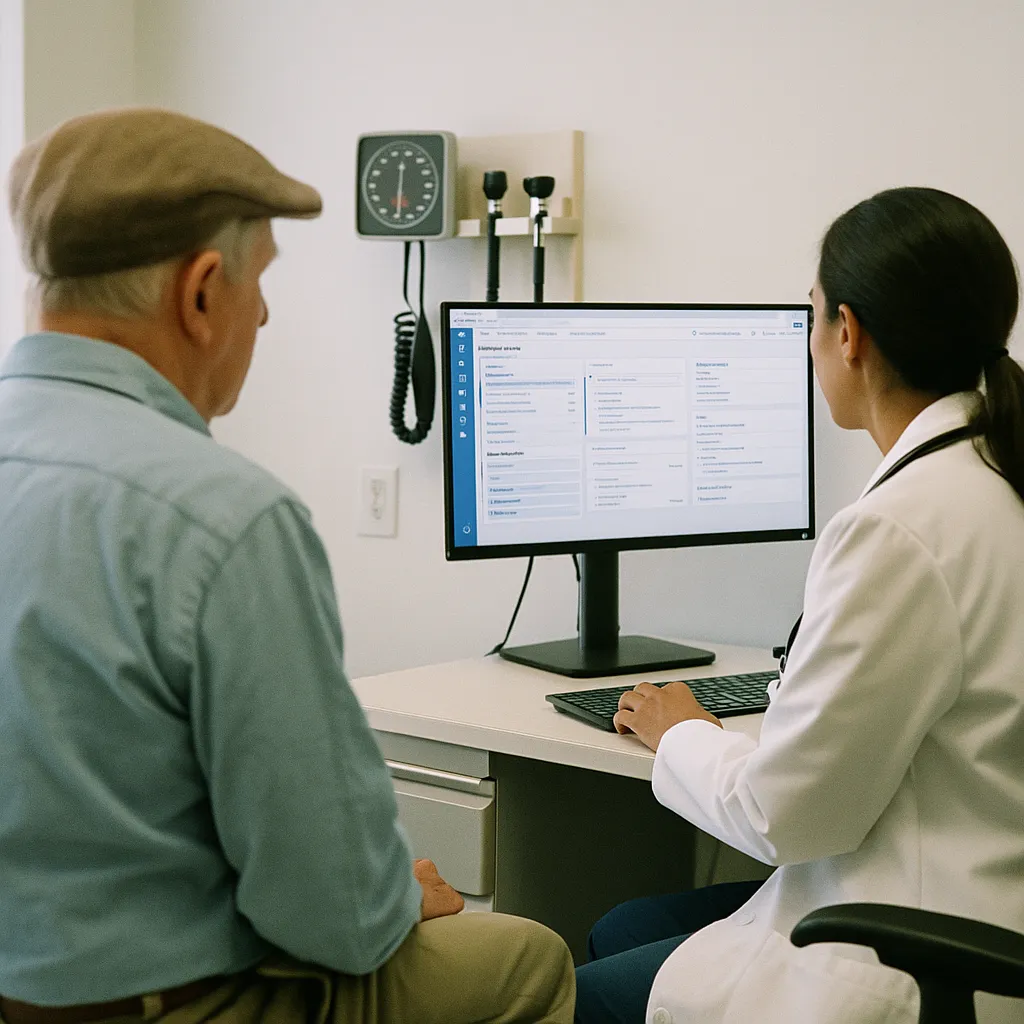
SEARCH 2026 presents early data showing AI-assisted telehealth improving follow-up adherence and reducing readmissions in rural populations — evidence CMS is tracking as it weighs reimbursement expansion.
AI-Augmented Telehealth Is Improving Patient Outcomes — and CMS Is Watching
By Hector Herrera | June 9, 2026 | Health
Early clinical data from AI-assisted telehealth platforms is good enough that the federal agency controlling Medicare and Medicaid reimbursement is paying attention. Findings presented at SEARCH 2026 — a leading research conference for connected care evidence — show AI-augmented telehealth improving follow-up adherence and reducing hospital readmissions in rural populations. That outcome data is directly relevant to the Centers for Medicare and Medicaid Services (CMS) as it evaluates whether to expand reimbursement for AI-assisted remote care.
What SEARCH 2026 Found
The Society for Education and Research in Connected Health — SEARCH — convenes clinical researchers, health systems, and telehealth platform developers to present emerging evidence on remote care technology. The 2026 conference focused heavily on the intersection of AI and telehealth, reflecting how deeply the two have become entangled in clinical practice.
Key findings from the conference:
Remote patient monitoring with AI interpretation: AI algorithms are now being applied to data streams from remote monitoring devices — blood pressure cuffs, continuous glucose monitors, pulse oximeters, and wearable ECG patches — to flag deteriorating conditions before patients report symptoms. Early data from rural health systems shows these AI-interpreted monitoring programs are catching decompensating heart failure and post-surgical complications an average of 18–36 hours earlier than check-in-based protocols.
AI-assisted clinical decision support in virtual visits: Telehealth platforms integrating AI-generated clinical decision support — surfacing relevant guidelines, drug interaction flags, and care pathway recommendations during virtual visits — are reducing documentation time for clinicians while improving adherence to evidence-based protocols in specialties where guideline compliance has historically been uneven.
Get this in your inbox.
Daily AI intelligence. Free. No spam.
Follow-up adherence in rural populations: One of telehealth's persistent failure modes has been post-visit follow-up — patients in rural areas often don't make follow-up appointments they need. AI-driven outreach systems that analyze patient risk profiles and proactively schedule follow-up care are showing measurable improvement in adherence rates in rural and underserved populations. Some programs are reporting 20–30% improvements in post-discharge follow-up completion.
Readmission reduction: The combination of AI-augmented remote monitoring and proactive follow-up outreach is appearing as a readmission reduction factor in early trials. For health systems managing Medicare patients with chronic conditions, 30-day readmission reduction has direct financial implications under the Hospital Readmissions Reduction Program.
Why CMS Reimbursement Is the Key Variable
The entire trajectory of AI in telehealth runs through one bureaucratic chokepoint: what CMS agrees to pay for. Under current fee schedules, reimbursement for AI-assisted remote monitoring and AI-augmented telehealth visits is inconsistent — covered in some contexts, excluded in others, and subject to documentation requirements that have created billing complexity.
The accumulation of outcome evidence presented at conferences like SEARCH 2026 is precisely the kind of data CMS needs to build the actuarial case for expanded reimbursement. The agency has historically moved slowly, but it moved decisively when the evidence base for telehealth expanded during COVID — and the same evidence-building dynamic is playing out with AI-assisted telehealth now.
If CMS formally expands reimbursement for AI-assisted remote monitoring and AI-augmented virtual care in its next annual fee schedule update, it will unlock a significantly larger market. Health systems will deploy at scale what they're currently piloting cautiously.
The Rural Health Equity Angle
Rural populations represent both the strongest use case and the starkest equity test for AI-augmented telehealth. The strongest use case: rural patients face geographic barriers to specialist access that telehealth already partially addresses, and AI clinical decision support can extend the capabilities of primary care clinicians who are managing conditions they'd otherwise refer out. The equity test: rural areas often have lower broadband penetration, older patient populations with lower digital literacy, and health systems with thinner margins for technology investment.
The programs showing the best outcomes are those that layered AI onto existing telehealth infrastructure rather than requiring patients to adopt new devices or apps. AI that works within existing workflows — surfacing alerts in the EHR (electronic health record) system a clinician is already using, rather than requiring them to check a separate dashboard — has the highest adoption rate among both clinicians and patients.
What to Watch
The SEARCH 2026 evidence will need to survive peer review and multi-site replication before CMS acts on it. The next milestone is the CMS proposed fee schedule update for 2027, expected in late summer 2026 — watch for whether AI-assisted remote monitoring services appear in the proposed coverage expansions.
Also watch: commercial insurers. When CMS moves, commercial health plans typically follow within 12–18 months. A CMS reimbursement expansion for AI-assisted telehealth would effectively mainstream the category across the entire U.S. health insurance market.
Did this help you understand AI better?
Your feedback helps us write more useful content.
Get tomorrow's AI briefing
Join readers who start their day with NexChron. Free, daily, no spam.