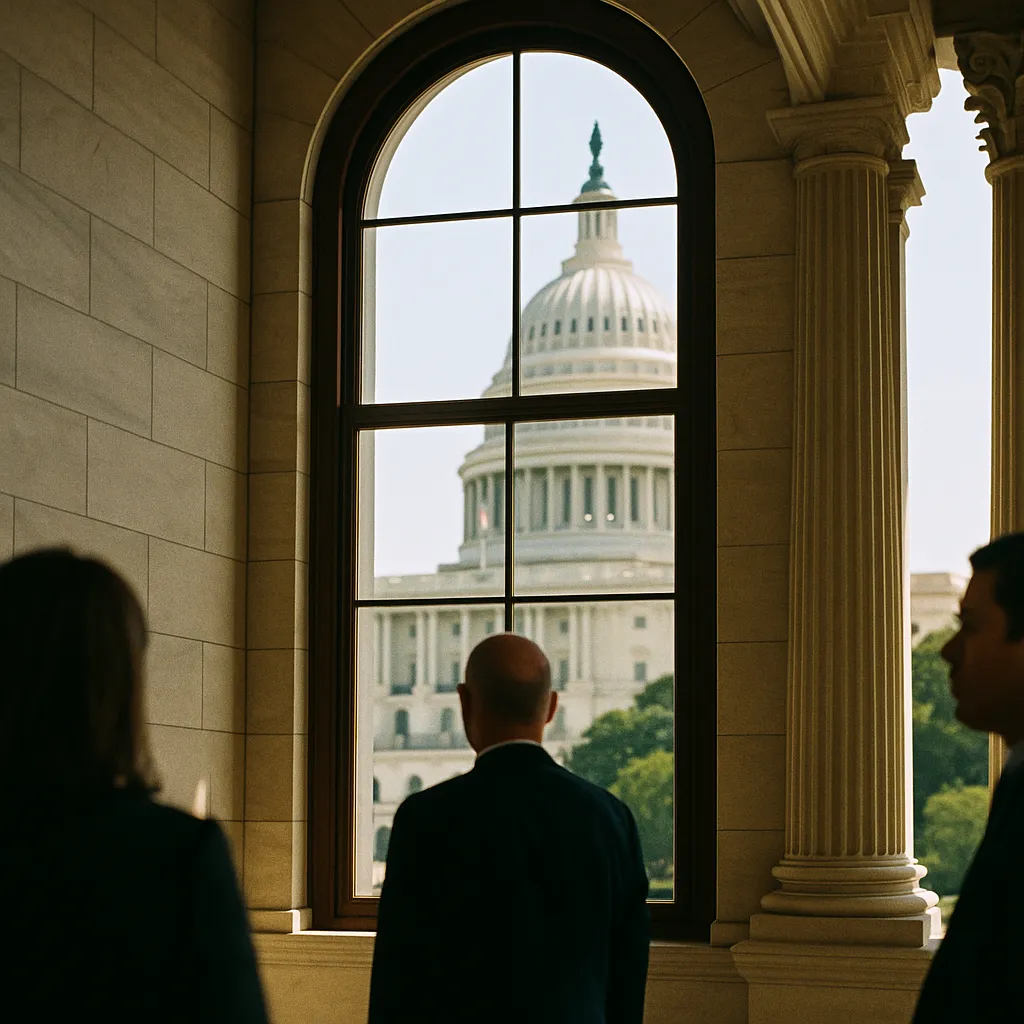
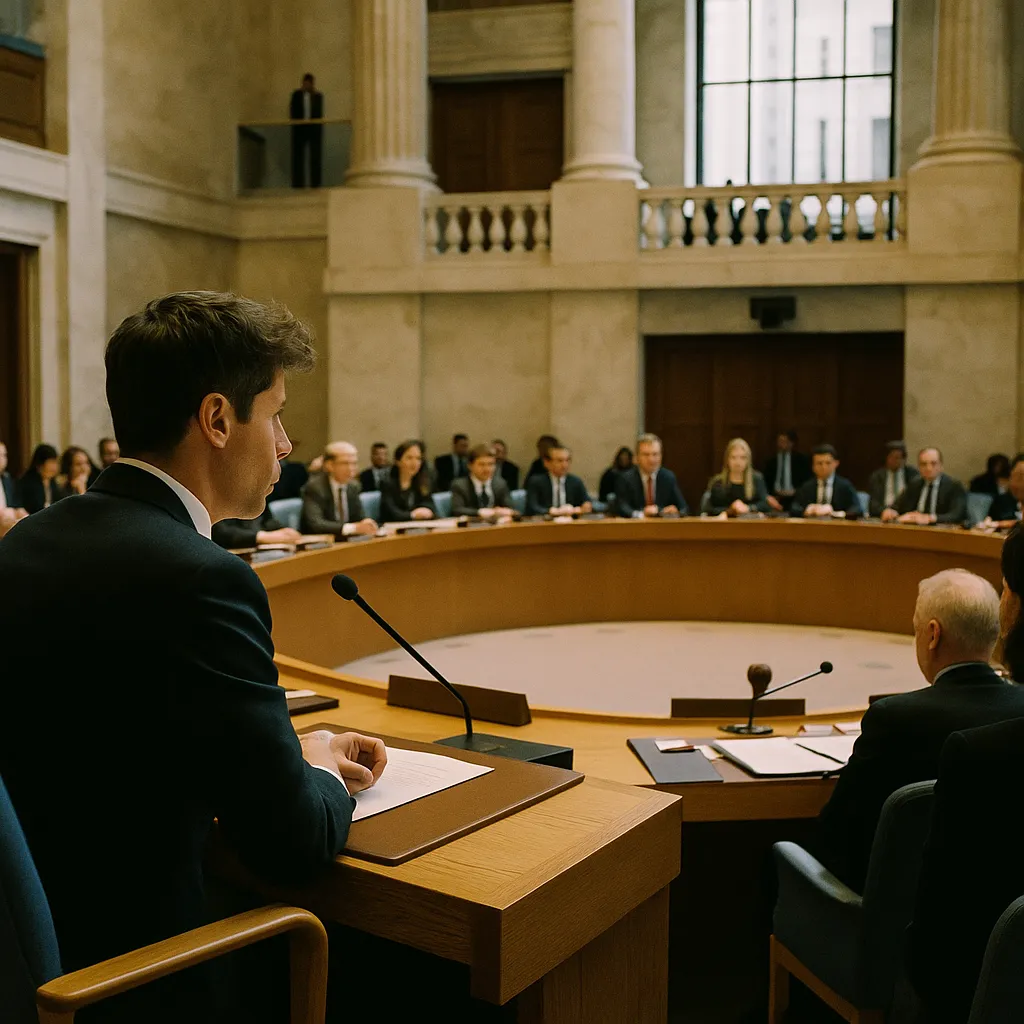
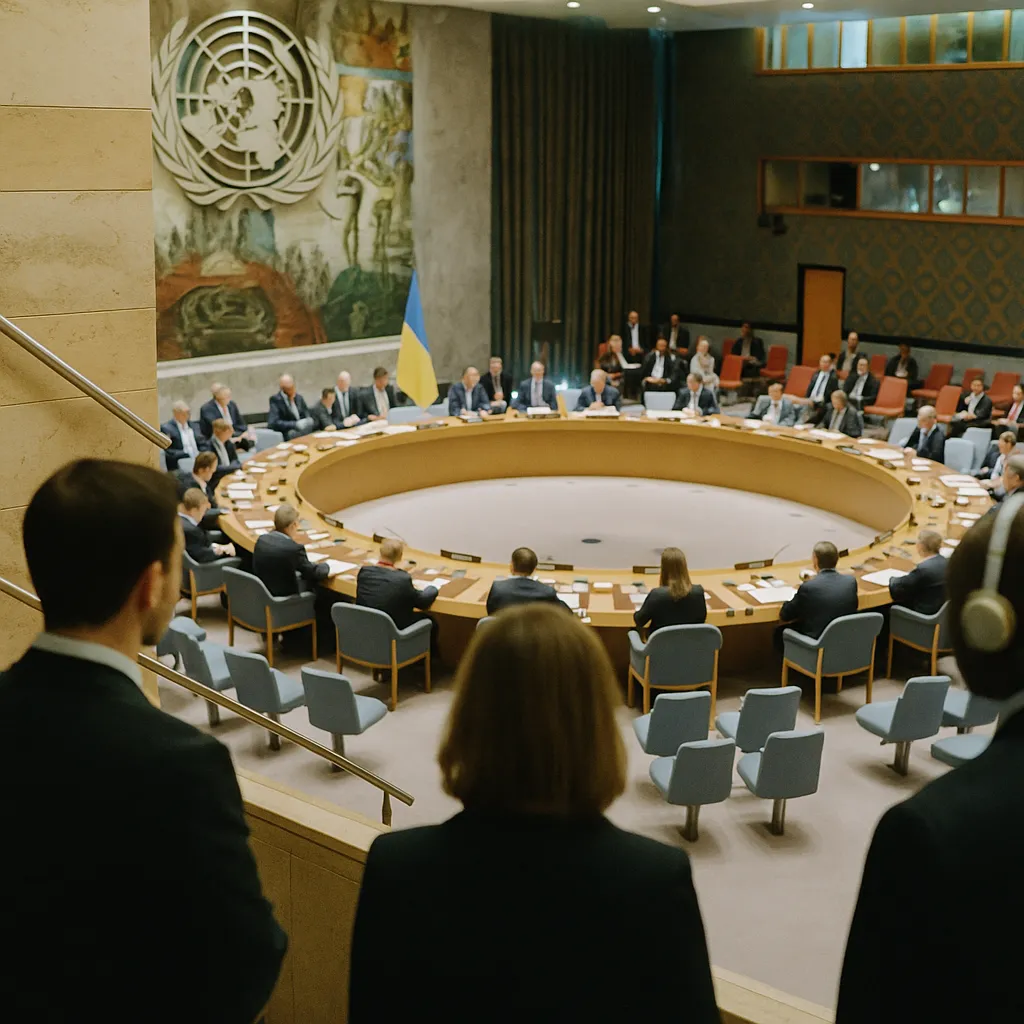
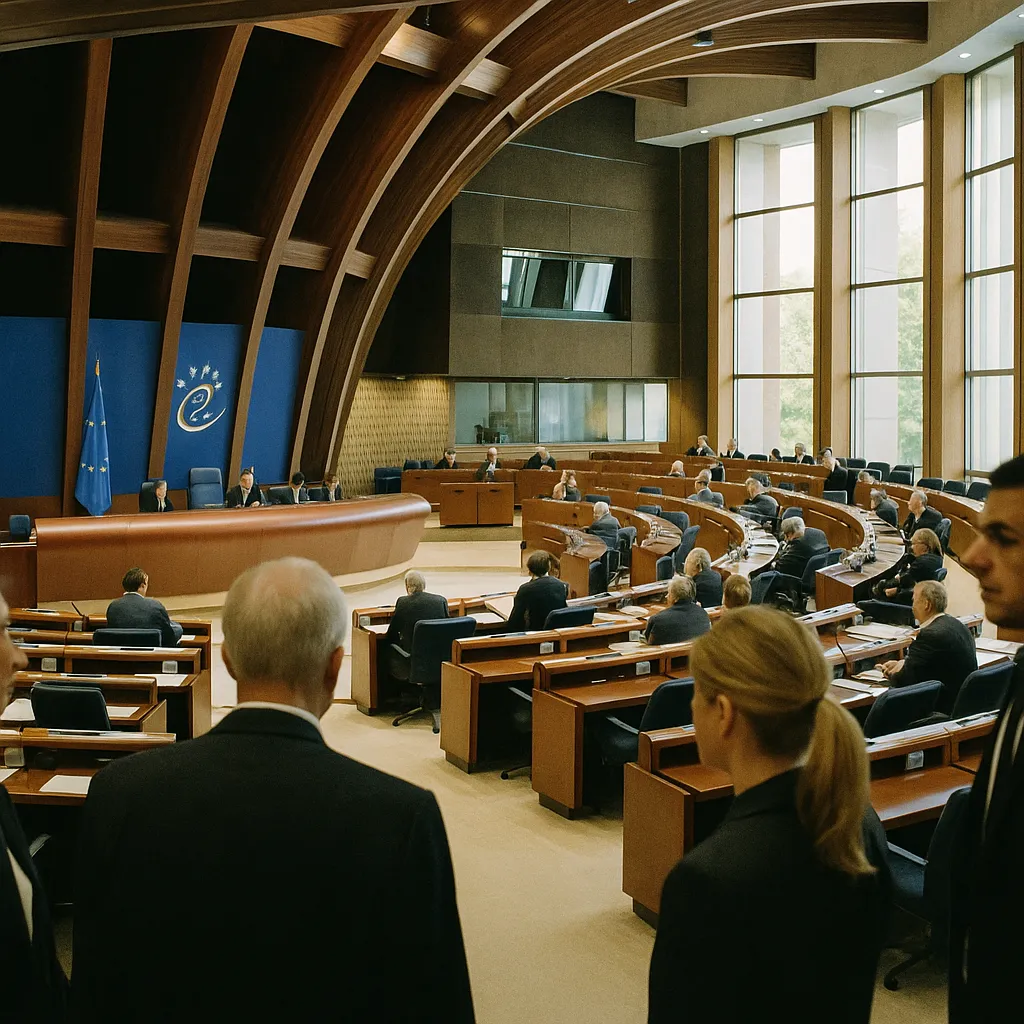
The White House and congressional negotiators are building a package that would federally preempt select state AI regulations in exchange for the Kids Online Safety Act and the NO FAKES Act — a deal with major implications for state-level AI governance.
White House and Congress Are Trading Federal AI Preemption for Kids Safety and Deepfakes Laws
The White House and congressional negotiators are constructing a legislative package that would federally preempt select state AI regulations in exchange for two long-stalled priorities: the Kids Online Safety Act (KOSA) and the NO FAKES Act, which would protect artists and public figures from AI-generated impersonation without consent. Axios reported the relaunched negotiations on June 8. Sen. Marsha Blackburn (R-TN) is leading the congressional side of the talks.
This is a deal with significant tradeoffs for everyone involved. Technology companies get relief from the patchwork of state AI laws that have been creating compliance complexity since Colorado, California, Texas, and more than a dozen other states passed divergent AI requirements. Children's advocates and the entertainment industry get federal legislation that has been stalled for years. State governments get told their laws no longer apply in the covered categories. The question is whether that trade holds together long enough to pass.
The Structure of the Deal
The current negotiating framework is built around subject-matter preemption rather than a blanket override of all state AI laws. That distinction matters enormously.
A blanket preemption would void every state AI law and replace it with nothing — or replace it with whatever federal standard Congress ultimately passes. That approach has little support, and with good reason: when Congress preempts a field without passing replacement legislation, it creates a regulatory vacuum. The history of federal preemption in areas like medical device liability shows how that vacuum can persist for years while harmed parties have no legal recourse.
Subject-matter preemption covers specific categories. Based on the current negotiating framework, the preemption would likely cover AI-specific requirements in areas such as algorithmic transparency mandates, foundation model disclosure requirements, and AI liability standards — the categories where state-by-state variation is most disruptive to national AI development. State consumer protection laws, privacy laws, and antidiscrimination laws would largely remain intact.
The Kids Online Safety Act — which has passed the Senate before but stalled in the House — would require social media platforms to implement design safeguards for minors, default privacy settings, and age-appropriate content restrictions. The NO FAKES Act would create a federal right against unauthorized digital replicas of a person's voice or likeness, directly targeting the AI-generated deepfake and voice-clone market.
Why the White House Is Pushing This Now
The timing reflects a specific political window. Several major state AI laws — most significantly Colorado's SB-205, which was significantly weakened but is still on track to have some provisions take effect June 30, and California's AI accountability framework — are approaching implementation dates. Technology companies have been lobbying aggressively for federal action to preempt those laws before compliance obligations crystallize.
Get this in your inbox.
Daily AI intelligence. Free. No spam.
The White House calculus is that it can trade AI preemption — which the tech industry wants badly enough to accept other legislation it finds uncomfortable — for KOSA and NO FAKES, both of which have proven politically difficult to pass on their own merits. KOSA has been opposed by civil liberties groups concerned about age verification requirements creating surveillance infrastructure. NO FAKES has been opposed by some AI companies concerned about liability exposure.
Bundling them with AI preemption changes the political math. AI preemption is popular enough with the technology sector and with states that have struggled with inconsistent requirements that it attracts Republican support. KOSA is popular with parents and family advocacy groups. NO FAKES is popular with labor unions in entertainment, which gives it Democratic support. A combined package has a broader coalition than any single bill.
Who Wins, Who Loses, Who Compromises
Technology companies broadly win on preemption — particularly large foundation model developers like Anthropic, OpenAI, and Google, whose models underlie applications subject to state AI requirements in multiple jurisdictions. Compliance with Colorado's algorithmic disclosure requirements, California's AI safety assessments, Texas's biometric data rules, and similar state-level requirements simultaneously is a real operational cost. Federal subject-matter preemption eliminates that fragmentation in covered categories.
State governments are the clearest losers in the deal's preemption component. Colorado legislators spent significant political capital passing SB-205 and negotiating its weakened-but-surviving provisions. California's AI regulatory infrastructure represents years of legislative work. Being preempted by a federal package they had no role in drafting will generate significant opposition from state attorneys general and state legislative leaders, particularly in Democratic-led states.
Children's advocates and entertainment unions get real wins. KOSA, if it passes in its current form, would create enforceable design requirements for platforms like TikTok and Instagram regarding minor users — requirements that have resisted voluntary industry adoption. SAG-AFTRA and the Recording Artists Coalition have been pushing NO FAKES protections for years; federal legislation would give them a legal foundation that state-by-state advocacy cannot match.
Civil liberties organizations — particularly the ACLU and EFF — are likely to oppose KOSA's age verification provisions, which they have consistently argued create privacy risks and could chill speech for adults. Their opposition is the primary reason KOSA hasn't passed despite broad Senate support. Whether that opposition is decisive in a larger package deal is unclear.
What to Watch
The critical near-term test is whether Sen. Blackburn can assemble a Senate cloture coalition — 60 votes — for a combined package. The bill would need to attract both Republican senators skeptical of the tech industry and Democratic senators protective of their states' AI regulatory authority. Neither coalition is easy to build.
Watch also for state AG coalitions to mobilize against the preemption provisions. California AG Rob Bonta and Colorado AG Phil Weiser have both been vocal about state authority over AI regulation; expect formal statements and potentially legal analysis challenging the constitutional scope of preemption in this domain.
The June 30 Colorado compliance deadline is the implicit clock on negotiations. If federal preemption doesn't pass before then, Colorado's requirements take effect, and the political urgency driving tech industry lobbying pressure deflates somewhat.
Hector Herrera covers AI policy and government for NexChron.
Did this help you understand AI better?
Your feedback helps us write more useful content.
Get tomorrow's AI briefing
Join readers who start their day with NexChron. Free, daily, no spam.