The U.S. Has 1,561 AI Bills and No Good Test for Any of Them
U.S. lawmakers have introduced 1,561 AI bills across 45 states with no agreed federal standard — creating a compliance crisis for companies navigating 50 simultaneous regulatory regimes.
Top Stories
All Sections
Finance
About
12 results for "state AI laws"
U.S. lawmakers have introduced 1,561 AI bills across 45 states with no agreed federal standard — creating a compliance crisis for companies navigating 50 simultaneous regulatory regimes.
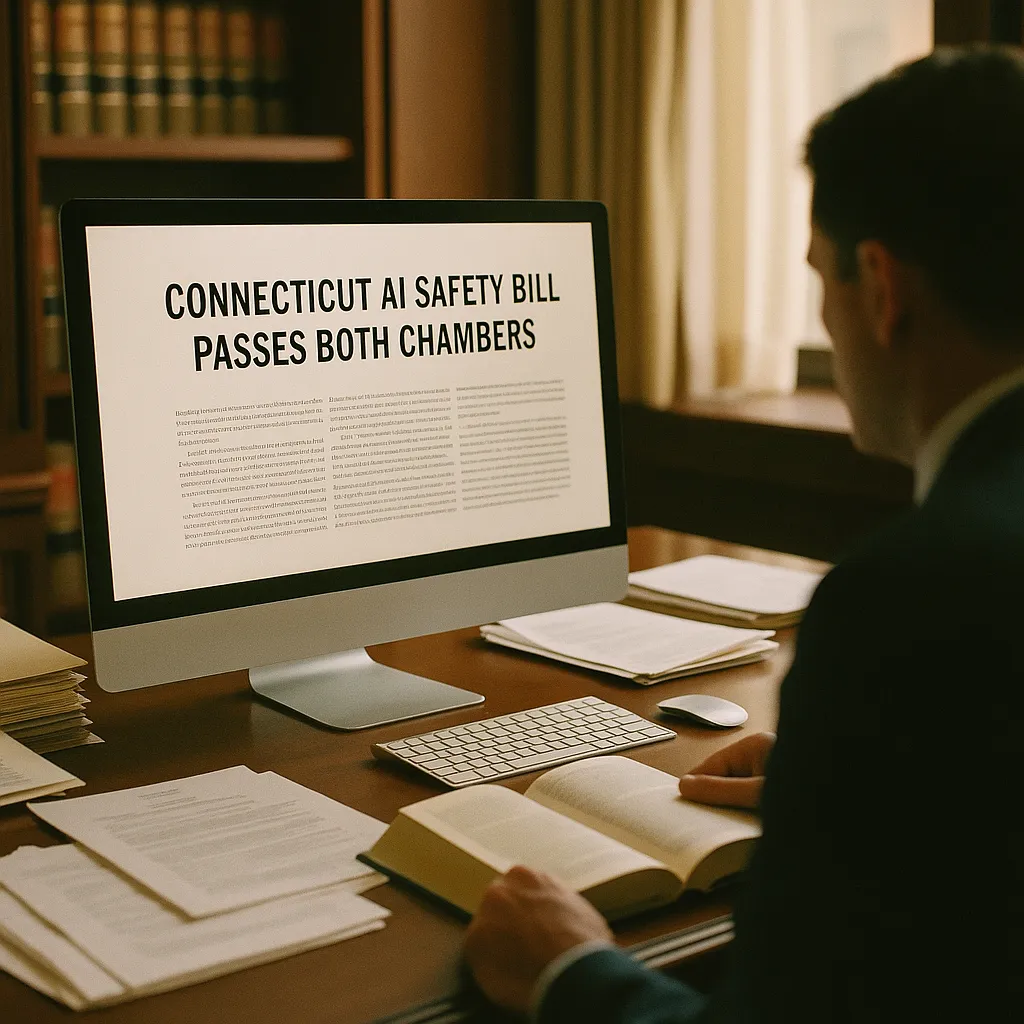
Connecticut's SB5 cleared both legislative chambers on May 1, 2026, establishing AI obligations around companion chatbots, automated hiring, and synthetic content — making it one of the most comprehensive state AI laws in the country.
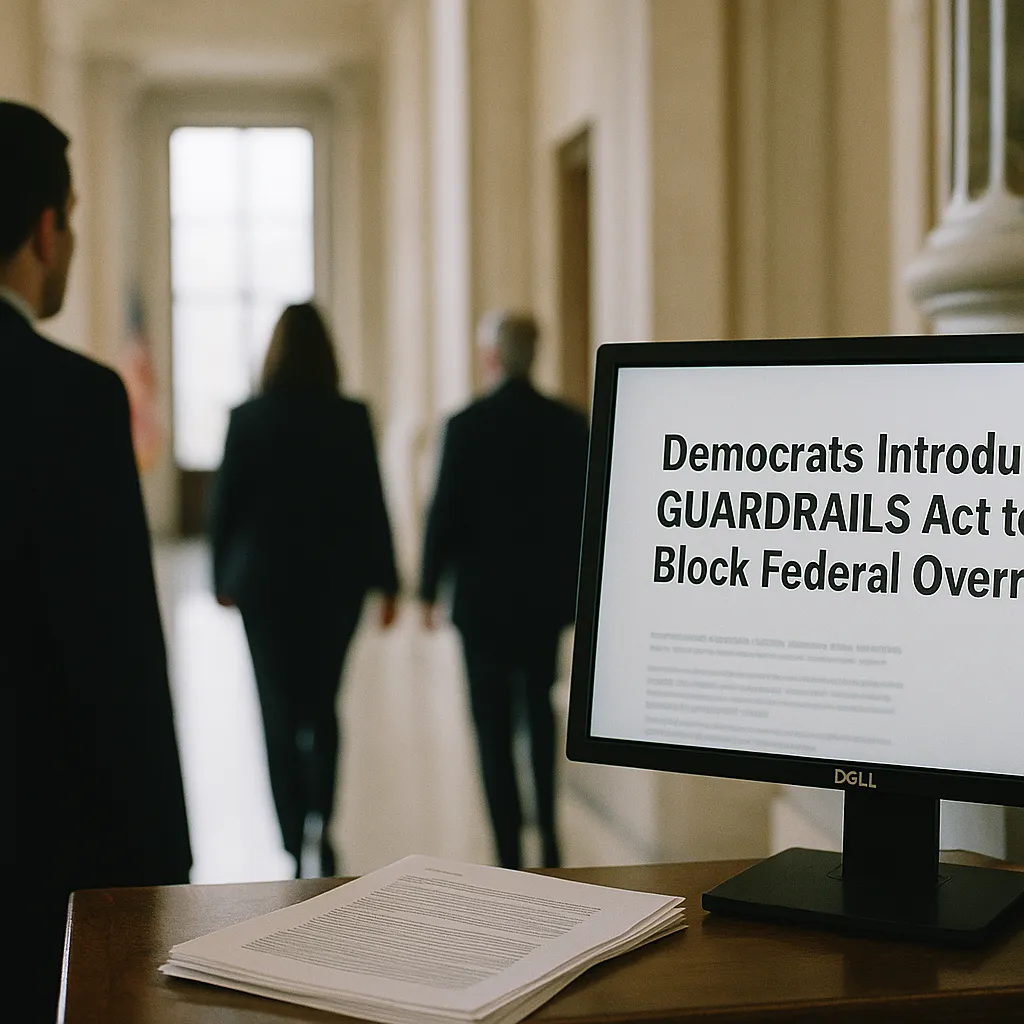
Rep. Don Beyer introduced the GUARDRAILS Act to repeal Trump's AI policy framework and block federal preemption of state AI laws — setting up the defining battle over who governs AI in America.
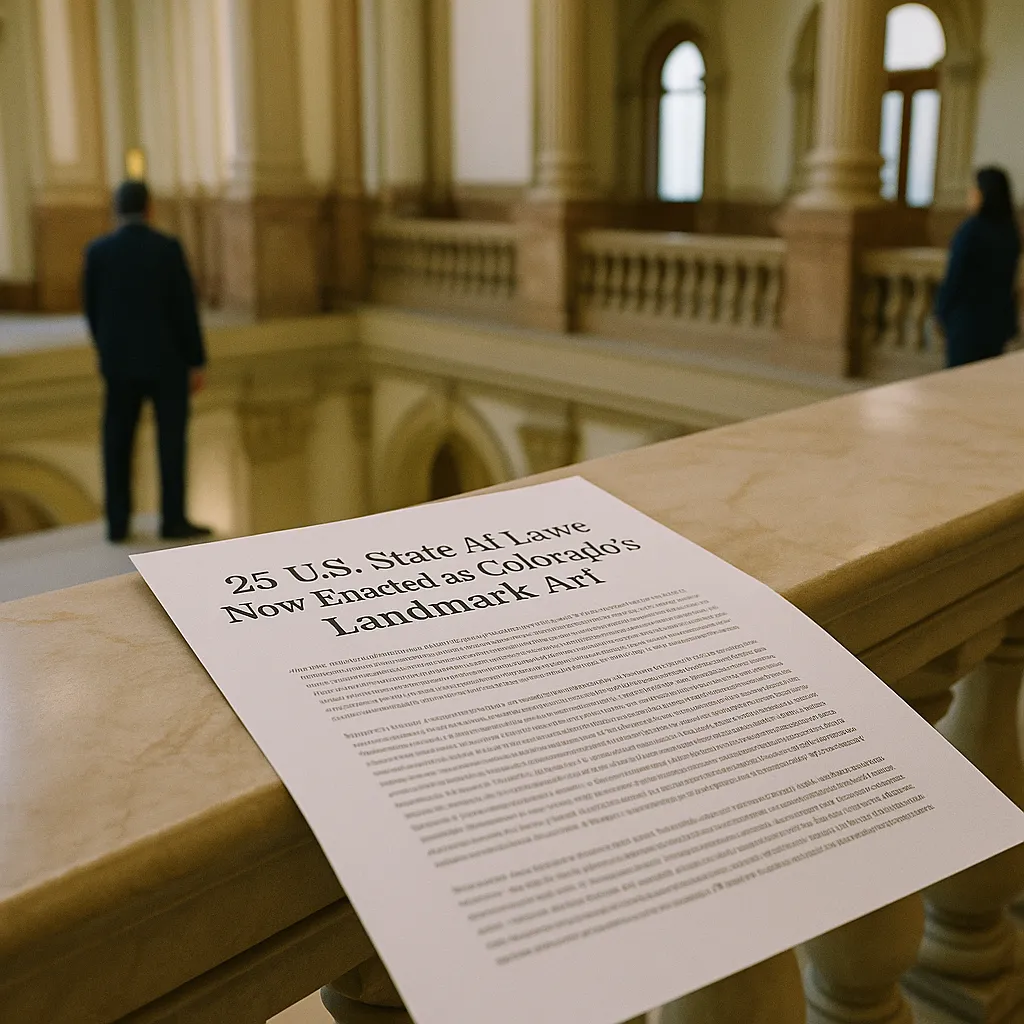
Twenty-five U.S. states have enacted AI laws in 2026, with Colorado's Act taking effect in June — creating the most fragmented AI compliance landscape businesses have ever faced.
Colorado is considering fully repealing and reenacting its AI Act, resetting the clock to January 2027. New York's Governor has stripped the RAISE Act's most restrictive provisions in favor of transparency requirements.
The White House wants Congress to wipe out state AI laws deemed too burdensome—and Democrats have introduced legislation to do the opposite, setting up a defining fight over who governs AI in the United States.
The Trump administration wants Congress to override state AI laws that impose undue burdens — and refuses to create any new federal AI regulator to fill the gap.
The U.S. does not have a national AI law, and it will not have one soon. What it has instead is an accelerating patchwork of state legislation and aggressive federal agency enforcement under existing statutes — a fragmented landscape creating real compliance risk for businesses.
The White House released its National AI Policy Framework recommending that Congress preempt state AI laws in favor of a single minimally restrictive federal standard.
The White House's National Policy Framework for AI recommends Congress preempt state AI laws — setting up a defining federal-vs-state battle as 600+ AI bills advance in state legislatures.
The Trump Administration's March 20 National Policy Framework for AI recommends Congress override state AI laws, explicitly targets laws like New York's RAISE Act, and rules out any new federal AI agency — setting up a major legislative battle.
The Trump administration's National Policy Framework for AI calls on Congress to preempt state AI laws that impose undue burdens, replace 600-plus state bills with a national standard, and rely on existing agencies rather than a new federal AI regulator.