South Australia approved natural gas electricity for AI data centers, drawing sharp criticism from climate advocates who say the decision contradicts the state's renewable energy commitments and signals that AI infrastructure is bending energy policy globally.
South Australia Approved Gas Power for AI Data Centers. The Backlash Was Immediate.
By Hector Herrera | November 15, 2026 | Government
South Australia's government approved the use of natural gas-generated electricity to power proposed AI data centers in the state, with the energy minister stating he is "absolutely fine" with the arrangement. Critics called it a policy backflip that undercuts Australia's renewable energy commitments. The decision mirrors debates playing out in the U.S., UK, and EU — where the pressure of AI infrastructure buildout is bending energy policy in ways that were considered off-limits two years ago.
South Australia is not an obscure participant in this debate. The state leads Australia — and ranks among the world's leaders — in renewable energy penetration, regularly generating over 70% of its electricity from solar and wind. That history makes the gas approval politically significant in ways it wouldn't be in a state with a fossil-fuel-heavy baseline.
What Happened
South Australia's energy minister confirmed the state government had approved proposals to use natural gas generation to power AI data center developments. Asked about the climate implications, he stated he was "absolutely fine" with the arrangement — a quote that landed badly with climate advocates given the state's self-styled reputation as a renewable energy pioneer.
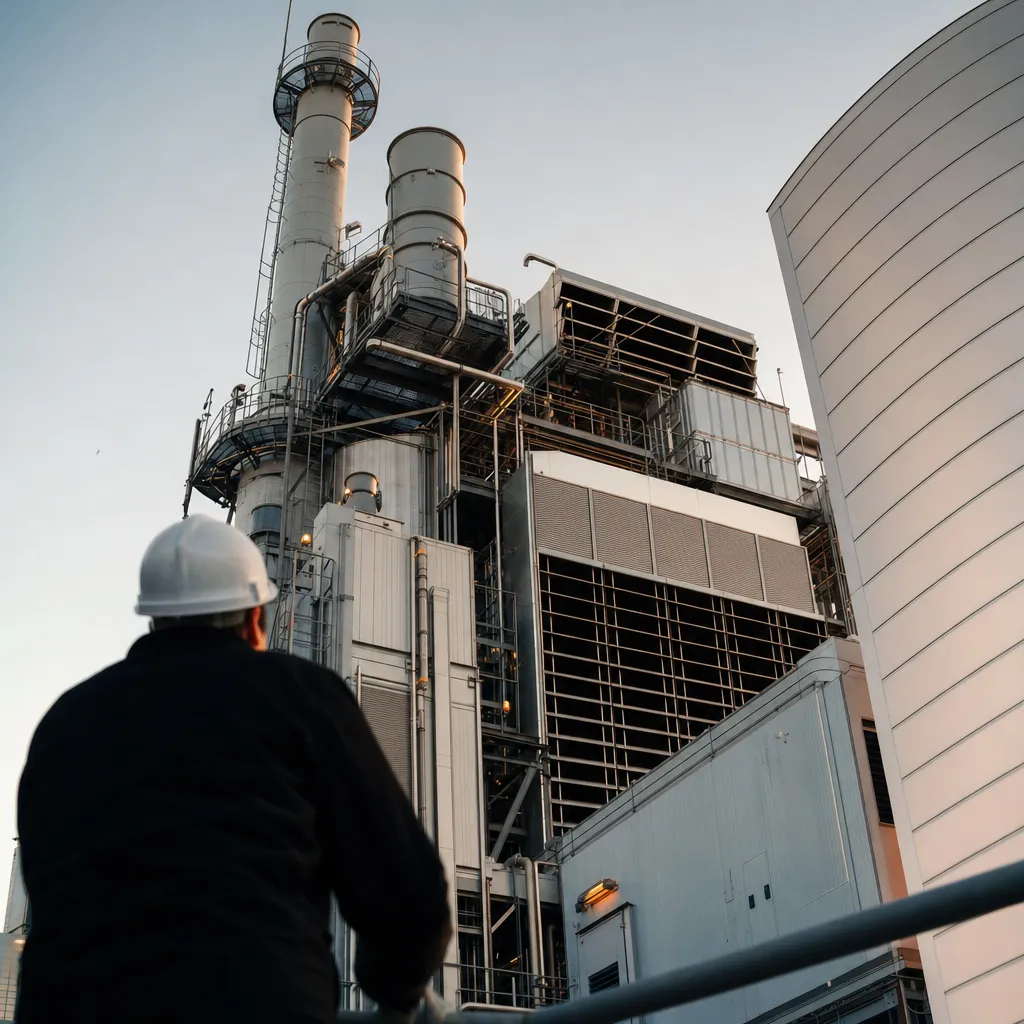
The minister's argument reflects a position that is becoming standard in pro-AI-infrastructure circles: baseload reliability is non-negotiable for hyperscale AI. Solar and wind generation is intermittent. Data centers running large AI training or inference workloads need consistent, uninterrupted power 24 hours a day, 365 days a year. Without large-scale battery storage or grid-scale dispatchable backup, gas is effectively the only technology available to fill that reliability gap at the scale AI data centers require.
Opponents countered that this framing accepts fossil fuel dependency as inevitable when it is not — and that approving gas now locks in decades of emissions from infrastructure that will outlast any near-term renewable storage solution.
A Pattern Repeating Globally
South Australia's decision is notable not because it is unusual, but because it is becoming usual — even in places that led on climate commitments.
Get this in your inbox.
Daily AI intelligence. Free. No spam.
In the United States, utilities have restarted retired coal and gas plants, and the Trump administration's AI Action Plan explicitly prioritized AI infrastructure reliability over emissions constraints. In Germany, government officials have discussed the same tradeoff as hyperscale operators have surveyed European sites. In Ireland, planning authorities have approved data center projects with gas backup generation that would previously have been rejected on environmental grounds.
The common thread: every government that wants AI economic development is making the same calculation — that the jobs, investment, and strategic positioning that AI infrastructure represents outweighs the energy policy compromise required to build it. No government has found a way to have both the AI infrastructure and the pure renewable commitment simultaneously at the scale being demanded.
The question is not whether this tradeoff is being made — it is whether it is being made transparently, with accountability for the emissions consequences, or whether it is being laundered through process approvals that obscure the policy reversal.
Why This Decision Matters Beyond Australia
South Australia's approval matters as a signal, not just as a local policy decision. When a state with one of the world's most visible renewable success stories approves gas for AI data centers without apparent friction, it tells the global energy and AI industries something important:
The reliability requirement of hyperscale AI trumps prior energy commitments, even for committed renewable adopters.
That signal will be noted by developers in every other jurisdiction where AI infrastructure proposals are pending — and in every regulatory hearing where gas backup generation is on the table.
It also weakens the position of countries and states trying to hold a firmer line. If South Australia can do this, the argument that any jurisdiction must hold out for 100% renewable AI infrastructure becomes harder to sustain politically.
The Energy Math
The fundamental tension isn't a failure of will — it's a failure of infrastructure timing. Renewable energy is cheap and abundant in South Australia, but its intermittency is a genuine problem for AI data centers. The technologies needed to solve that problem — grid-scale battery storage, long-duration storage, demand response systems sophisticated enough to match AI workload patterns — are commercially available but not yet deployed at the scale needed.
The 2026 AI infrastructure buildout is happening faster than grid storage can scale. Governments are choosing to approve now and promise clean energy later — a commitment that may or may not be honored when "later" arrives and the data centers are locked into their power contracts.
What to Watch
Whether Australia's federal government responds to the South Australia decision with national guidance, and whether any Australian state attempts to hold a firmer renewable-only line and wins the data center investment anyway. The global test case that matters most: whether any jurisdiction successfully attracts hyperscale AI infrastructure with a credible renewable-only requirement — or whether that position proves impossible to maintain against developer pressure.
Did this help you understand AI better?
Your feedback helps us write more useful content.
Get tomorrow's AI briefing
Join readers who start their day with NexChron. Free, daily, no spam.