Nvidia has stopped shipping Hopper H200 data center chips to China, its interim CEO disclosed during Q3 earnings — one day after the Trump administration tightened AI chip export rules.
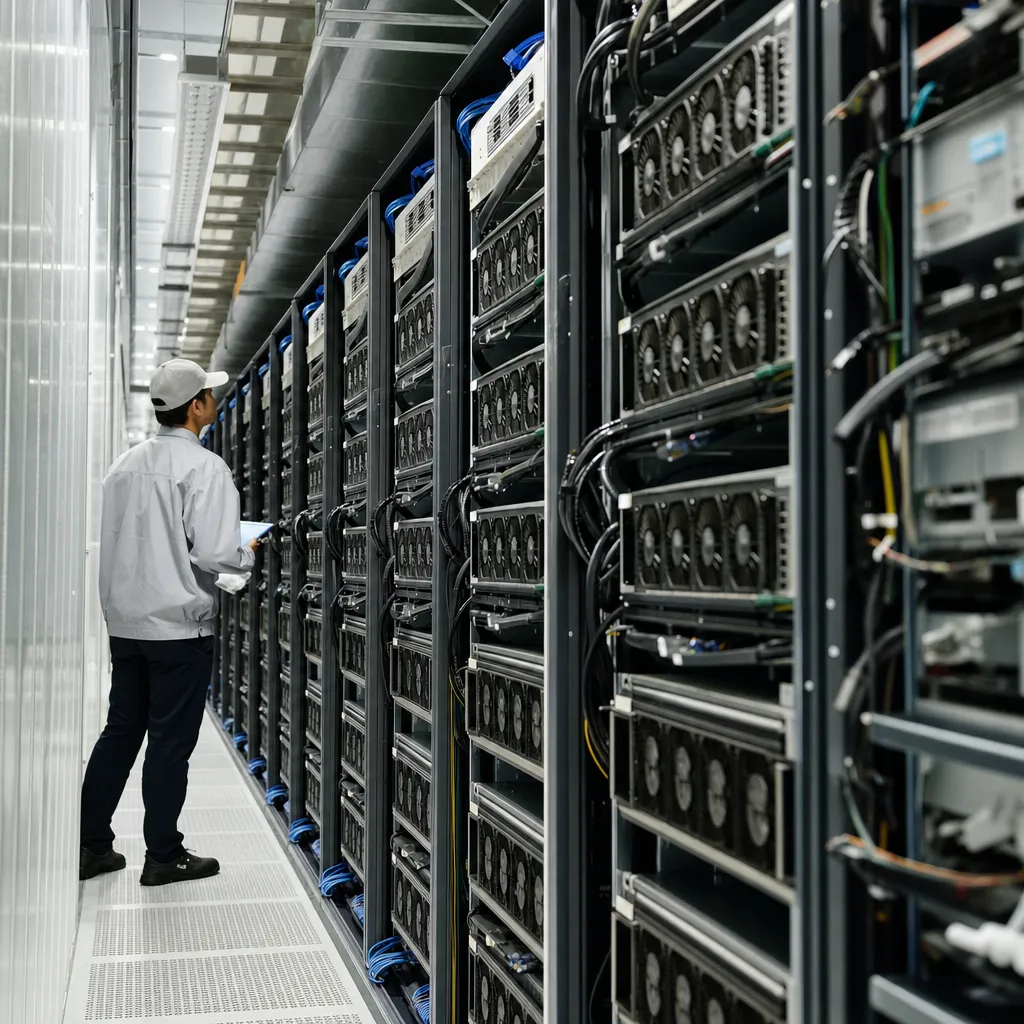
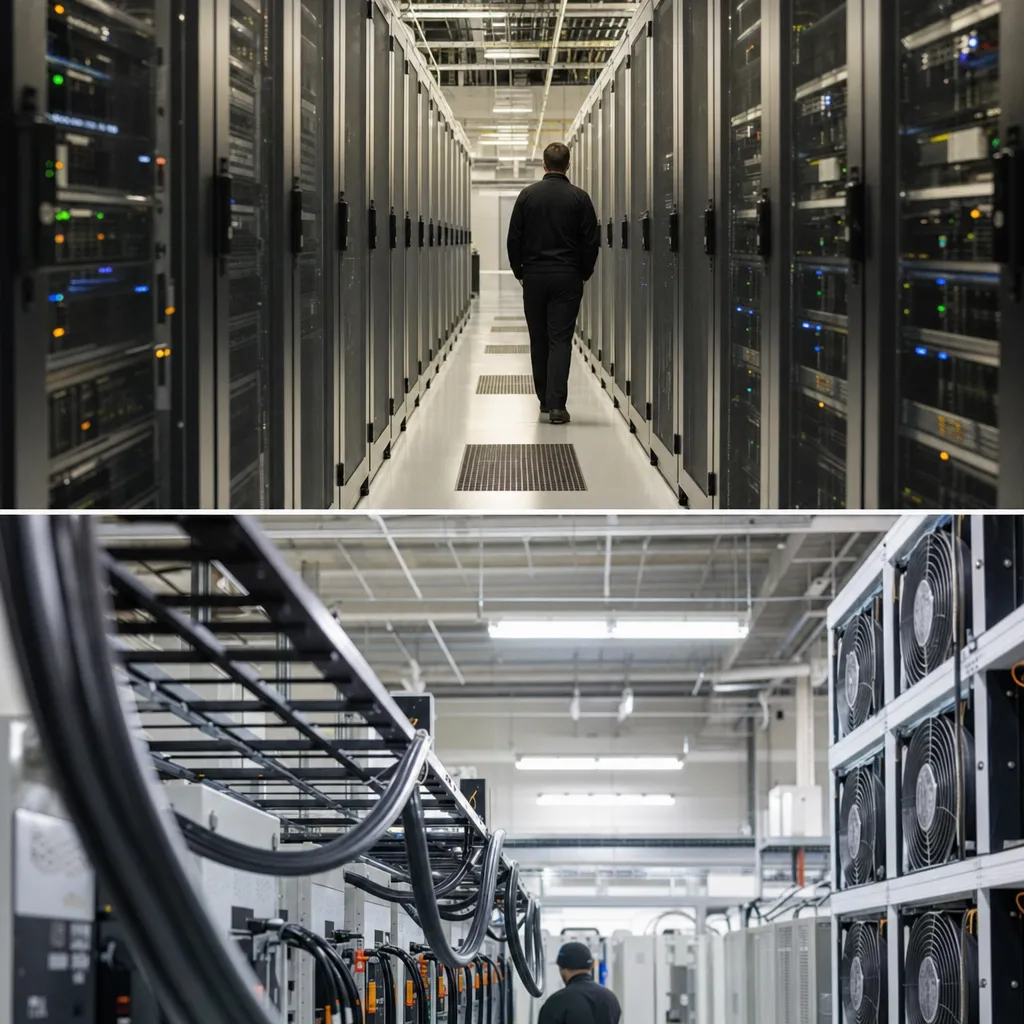
Nvidia has stopped shipping its Hopper H200 data center chips to China, interim CEO Colette Kress disclosed during the company's Q3 2026 earnings call. The halt came one day after the Trump administration enacted new advanced computing export restrictions, and has left an estimated 600,000 H200 processors stranded in Hong Kong with no confirmed timeline for delivery.
Context
The H200 was Nvidia's last advanced chip legally available in China under licensed export arrangements. The company had already downgraded its China-market chips to the H20 — a modified Hopper architecture designed to stay under earlier export control thresholds — after U.S. regulators restricted the original H100 in 2023. The H200 occupied a gray area: licensed for export, but only under specific U.S. Commerce Department approvals.
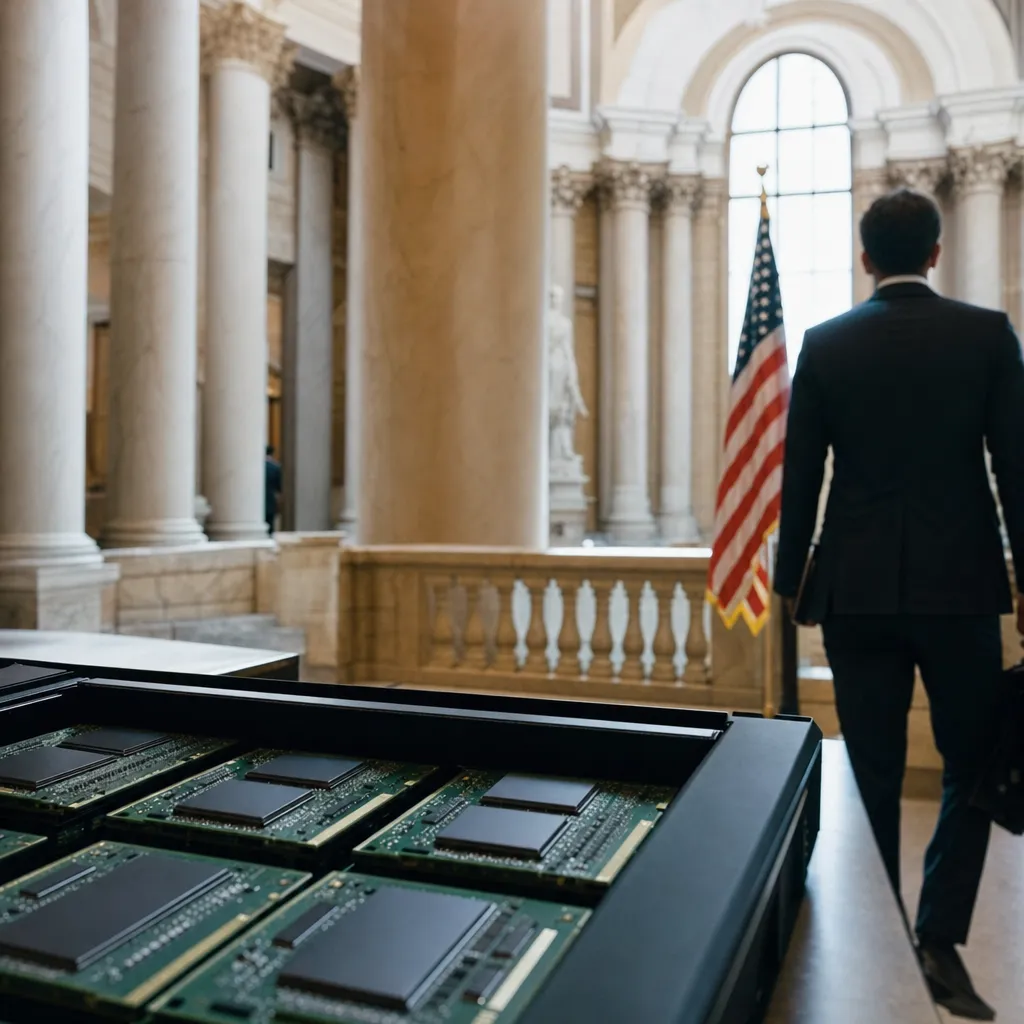
That gray area appears to have closed. The Trump administration's November 2026 rules tightened what qualifies as "advanced computing" for export purposes, and Nvidia is now treating H200 shipments as off the table regardless of prior licensing.
What Kress Said
According to Bloomberg, Kress made the disclosure during the Q3 earnings call and confirmed:
- H200 shipments to China have ceased
- The chips are excluded from forward guidance — Nvidia is not counting them in revenue projections
- Roughly 600,000 H200 units are sitting in Hong Kong, destination unclear
- Whether the pause is temporary was not addressed
Kress did not use the word "permanent." But excluding the chips from forward guidance is the operational equivalent — it means Nvidia's finance team does not expect to book that revenue.
Get this in your inbox.
Daily AI intelligence. Free. No spam.
What It Means for Nvidia's China Business
China represented a significant portion of Nvidia's data center revenue before export controls tightened. The company engineered the H20 specifically to maintain some market presence there. Losing H200 volume on top of ongoing H20 restrictions compounds the exposure.
The 600,000 stranded units represent substantial value. H200 chips carry list prices in the range of $30,000–$40,000 each, depending on configuration. Even at the low end, that's roughly $18 billion in product sitting in a Hong Kong warehouse awaiting clarity.
Chinese cloud providers and AI labs that had ordered H200 chips through licensed channels are now facing delivery uncertainty. The alternative — the H20 — offers meaningfully less compute density, which limits what China-based AI labs can build at scale.
Broader Impact
The halt signals that the Trump administration's November export rules had immediate operational consequences for the largest AI chip supplier in the world. It also narrows the compute runway for Chinese AI companies: they can no longer rely on licensed U.S. chips and must accelerate domestic alternatives — primarily Huawei's Ascend 910C — or pursue gray-market sourcing.
For U.S. chip companies broadly, the rules introduce reciprocal risk. Chinese customers blocked from buying Nvidia chips don't stop needing compute — they redirect spending toward domestic Chinese suppliers, strengthening competitors Nvidia doesn't control.
What to Watch
Nvidia has not clarified whether the H200 pause applies to other regions facing similar export conditions, or whether it covers H200 chips already in transit elsewhere. The 600,000 units in Hong Kong represent a live negotiation point: they were ordered under valid licenses, and their fate depends on whether the administration carves out exceptions or enforces the new rules retroactively. Watch for a formal Nvidia statement before the end of Q4 2026.
Did this help you understand AI better?
Your feedback helps us write more useful content.
Get tomorrow's AI briefing
Join readers who start their day with NexChron. Free, daily, no spam.