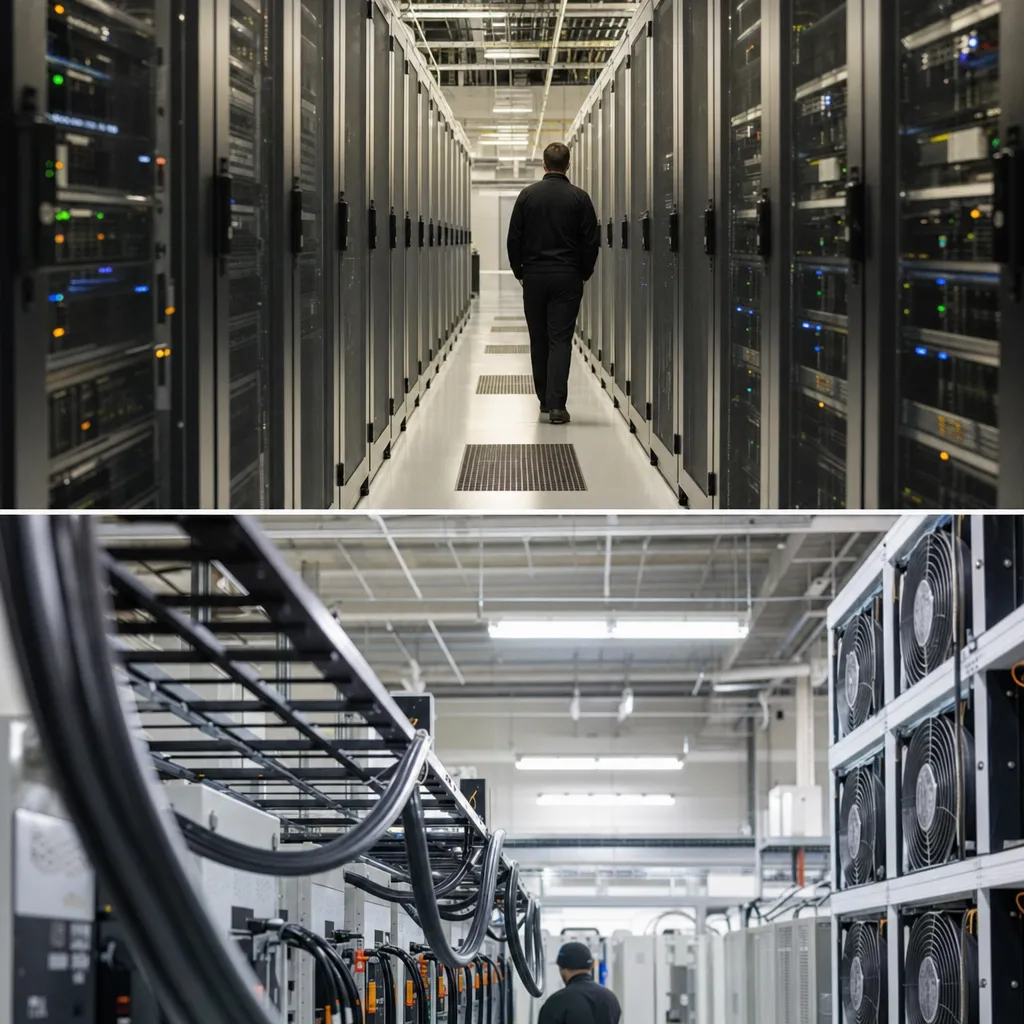
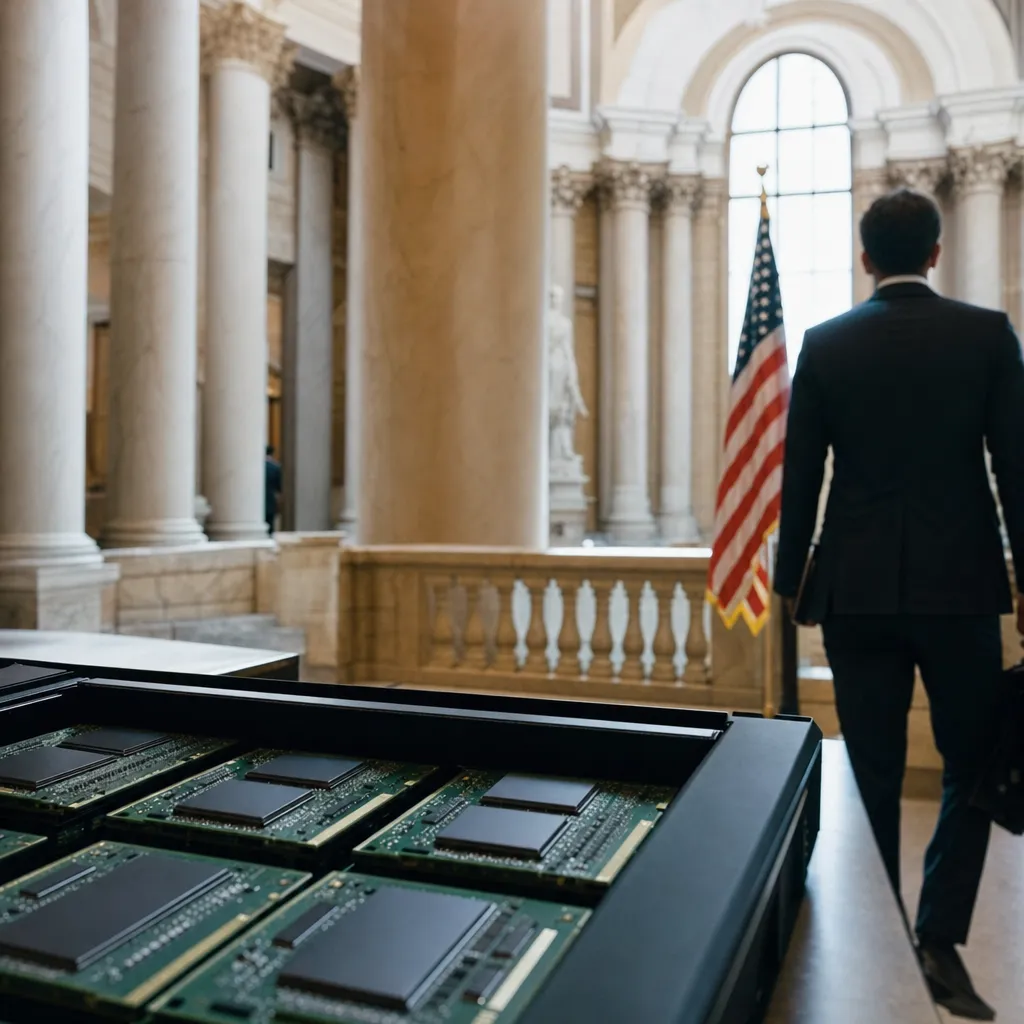
Cursor, the AI coding editor owned by SpaceX, is exploring dropping Chinese-developed open-weight models after a House committee report recommended a full ban on PRC AI in federal systems.
Cursor, the AI coding editor owned by SpaceX, is exploring whether to drop support for Chinese-developed open-weight AI models — a disclosure that lands the popular developer tool at the center of an escalating congressional push to wall off U.S. software from Chinese AI infrastructure.
The admission is embedded in a joint report from the House Committee on Homeland Security and the House Select Committee on China, published Saturday. The committees recommend a full prohibition on PRC-developed AI models in federal systems — a move that, if enacted, would create immediate compliance pressure for any software tool used by government contractors or federal employees.
Why Cursor Is in the Crosshairs
Cursor is not a marginal product. It has become one of the most widely used AI coding assistants among professional developers, prized for its ability to work across an entire codebase rather than line by line. Its Composer 2 coding model — the engine behind its most powerful agentic features — runs on Moonshot AI's Kimi K2.5, a model developed by a Beijing-based AI lab.
That dependency is now a liability. The committees' report frames PRC-developed models as potential vectors for data exfiltration, back-door access, and intellectual property theft — particularly when those models process sensitive source code from U.S. defense contractors, financial institutions, and government agencies.
SpaceX acquired Cursor's parent company earlier in 2026, adding another dimension to the scrutiny: SpaceX holds extensive U.S. government contracts, and its ownership of a tool that runs Chinese AI models creates a conflict that lawmakers appear intent on resolving.
What the Congressional Report Recommends
The joint report makes several specific recommendations:
Get this in your inbox.
Daily AI intelligence. Free. No spam.
- A full ban on PRC-developed AI models in federal systems, including models from Moonshot AI, DeepSeek, Baidu, and other Chinese labs.
- Mandatory disclosure requirements for any commercial AI tool used by federal agencies that relies on non-U.S. model weights.
- Procurement policy updates that would require vendors to certify their AI components are free of PRC-origin models before receiving federal contracts.
The committees note that open-weight models — meaning models whose underlying parameters are publicly downloadable — present a particular challenge because they can be integrated into commercial products without the same visibility as API-based services.
The Cursor Dilemma
Cursor's situation illustrates a tension that will increasingly define the enterprise AI market: performance vs. provenance.
Kimi K2.5 is not a minor component in Composer 2. It was selected for its strong performance on complex, multi-file coding tasks — the core use case that differentiates Cursor from simpler autocomplete tools. Replacing it requires either:
- Switching to a U.S.-origin model — such as Claude, GPT-4o, or Gemini — that may underperform on the specific coding benchmarks where Kimi K2.5 excels.
- Investing in proprietary model development — an expensive path that few developer-tool companies have chosen, though Cursor's SpaceX ownership gives it unusual resources.
- Maintaining a tiered offering — a consumer product that retains Chinese models and a federal/enterprise product that does not.
Cursor has not committed to a timeline. Its disclosure to Congress was described as an exploration, not a commitment — but the political pressure to move quickly is now public.
What This Means for Developers
For individual developers, nothing changes immediately. Cursor continues to function as before, and the Chinese model dependency is not visible at the user level.
For enterprise and government customers, the calculus is different. Any organization with federal contracts — or that expects to pursue them — now has a documented reason to audit which AI models underlie their development tools. The joint committee report, once formally published, will likely be cited in procurement guidance and risk assessments.
The broader developer-tool market is watching. Cursor is not the only IDE or coding assistant that relies on non-U.S. model weights. GitHub Copilot, Replit AI, and several smaller tools use a mix of model providers, some of which include Chinese-developed models. If Cursor is pressured to disclose and potentially divest, similar questions will follow.
What to Watch
The committees' report triggers a legislative clock: expect a bill or executive order restricting PRC-origin AI models in federal systems within the next 90 days, based on the pace of prior technology-restriction measures. Cursor's response — whether it announces a phase-out timeline or remains silent — will signal how the broader developer-tools industry plans to navigate the new compliance landscape.
Did this help you understand AI better?
Your feedback helps us write more useful content.
Get tomorrow's AI briefing
Join readers who start their day with NexChron. Free, daily, no spam.