Workable solutions to AI's power grid strain exist — but permitting bottlenecks, eliminated tax credits, and political obstacles are blocking 2,500 gigawatts of energy projects worldwide.
AI's Power Problem: 2,500 Gigawatts Stuck in Grid Queue as Solutions Go Unbuilt
By Hector Herrera | April 26, 2026 | Energy
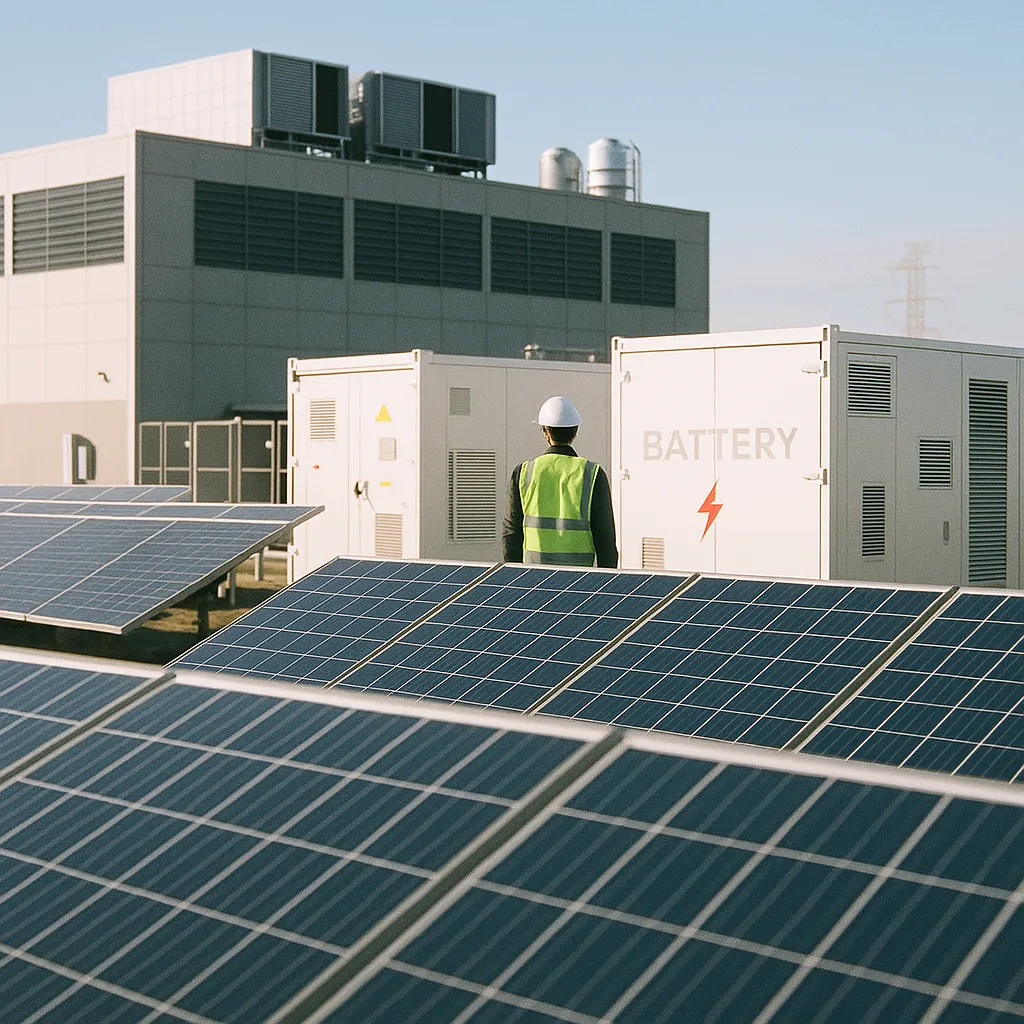
The solutions to AI's electricity problem exist. Renewables, battery storage, and nuclear power could together meet the explosive demand that AI data centers are generating. What's blocking them isn't technology — it's permitting backlogs, eliminated tax credits, and the political gridlock described in a CNN Business investigation published April 23. More than 2,500 gigawatts of energy projects are currently stalled in connection queues worldwide. That's not a small gap to close.
The scale of what's stuck in those queues is worth sitting with. 2,500 gigawatts is roughly 2.5 times the entire current installed generating capacity of the United States. The projects are approved in concept. They're not getting built.
The Demand Driving the Crisis
U.S. electricity consumption is forecast to reach 4,388 billion kilowatt-hours by 2027, driven overwhelmingly by AI data center growth. That's a sharp upward revision from projections made just three years ago, before the generative AI boom reshaped compute demand.
Every major AI model training run and inference deployment requires massive sustained compute — and compute requires power. A single large-scale AI training run can consume more electricity than a small city uses in a month. Scaled across hundreds of hyperscale data centers across the U.S. and globally, the numbers add up fast.
Google, Microsoft, Amazon, and Meta have all made public commitments to run on 100% clean energy. But between committing to clean power and actually having clean power connected to the grid is a chasm that the current U.S. permitting system is not designed to cross quickly.
The Queue Problem
The 2,500 gigawatt queue figure refers to energy generation and transmission projects that have applied for grid connection but have not yet received it. Connection queue backlogs are not new — they've been a persistent feature of U.S. energy infrastructure for years. But the AI-driven demand surge has turned a chronic problem into an acute one.
Projects sit in queues for multiple reasons:
Get this in your inbox.
Daily AI intelligence. Free. No spam.
- Interconnection studies required before approval can take 3-5 years
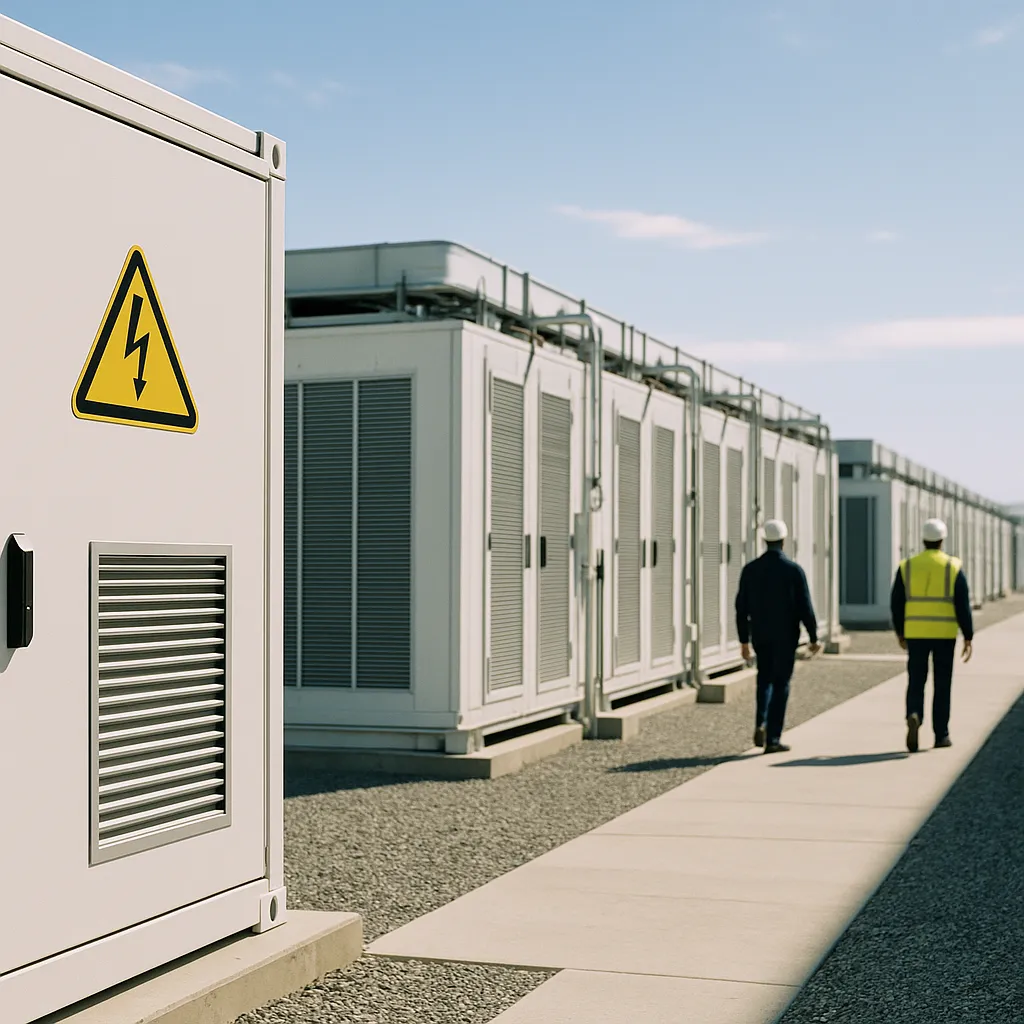
- Transmission infrastructure upgrades needed to support new generation capacity face their own permitting timelines
- Local and state-level opposition slows siting approvals for both generation and transmission
- FERC (Federal Energy Regulatory Commission) backlogs create administrative delays that stack on top of technical ones
The bottleneck is not a shortage of investment capital. Billions in private investment are ready to deploy. The bottleneck is the regulatory and permitting infrastructure required to connect that investment to the physical grid.
Tax Credits and the Political Obstacle
The situation worsened in early 2026 when several clean energy tax credits established under the Inflation Reduction Act faced elimination or curtailment as part of federal budget negotiations. Those credits were a primary driver of the investment economics that made utility-scale solar, wind, and battery storage projects financially viable for developers.
Removing or reducing those credits doesn't make the projects impossible — but it raises the cost of capital and forces developers to renegotiate offtake agreements, extending project timelines further. Projects that were 18 months from breaking ground have slipped to 36 months.
Nuclear is theoretically well-positioned to provide the dense, reliable baseload power AI data centers need. Several tech companies have struck agreements with nuclear operators — Microsoft's deal with Constellation to restart Three Mile Island being the most prominent. But new nuclear construction timelines are measured in decades, not years. The near-term gap is too large for nuclear alone to fill.
What This Means for the AI Buildout
The electricity constraint is now a genuine bottleneck on the pace of AI infrastructure deployment — and it's one that the industry cannot solve on its own.
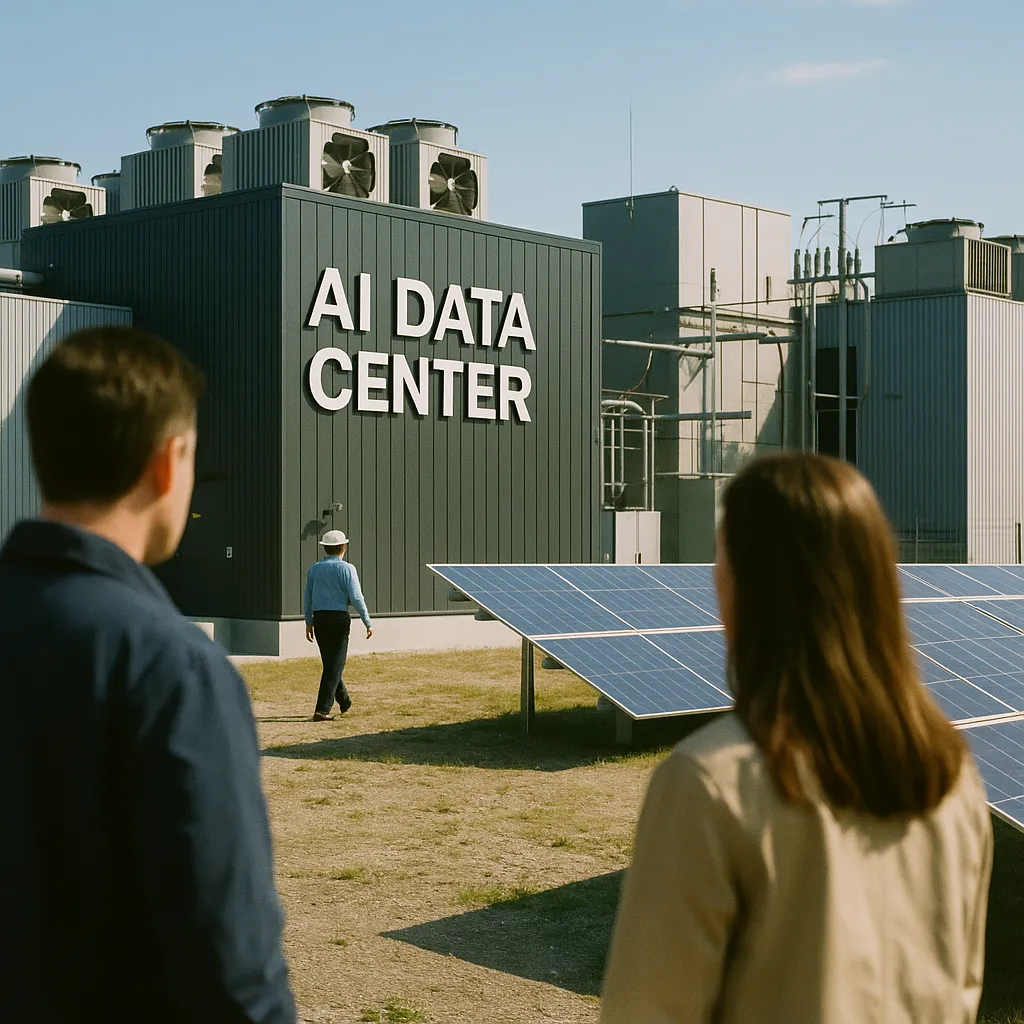
For data center operators: Projects are increasingly being sited based on power availability first, labor and land costs second. Regions with existing grid capacity — or with streamlined permitting — are commanding significant premiums. Northern Virginia, which hosts the world's largest concentration of data centers, is already facing grid constraints that are pushing new development to other states.
For AI companies: Power costs are a growing share of inference economics. Higher electricity prices and constrained supply mean higher per-query costs for AI services. That pressure will eventually show up in product pricing.
For the energy sector: The AI demand surge is the most significant catalyst for grid investment in decades. Utilities and grid operators are upgrading capacity plans — but those upgrades require the same permitting approvals facing new generation projects.
What to Watch
The next 12-18 months will determine whether the U.S. can streamline grid interconnection fast enough to support the AI buildout timeline that tech companies are publicly committed to. FERC has proposed reforms to the interconnection queue process — watch whether those reforms survive political pressure and take practical effect.
The wildcard is whether federal permitting reform legislation advances in 2026. Several bipartisan proposals are in play. If even one passes, it could unlock a meaningful share of those stalled 2,500 gigawatts.
Source: CNN Business
Did this help you understand AI better?
Your feedback helps us write more useful content.
Get tomorrow's AI briefing
Join readers who start their day with NexChron. Free, daily, no spam.