Malaysia's Sarawak state is co-locating high-performance computing directly alongside hydropower and solar generation, bypassing the grid congestion blocking AI data center expansion in the US and Europe.
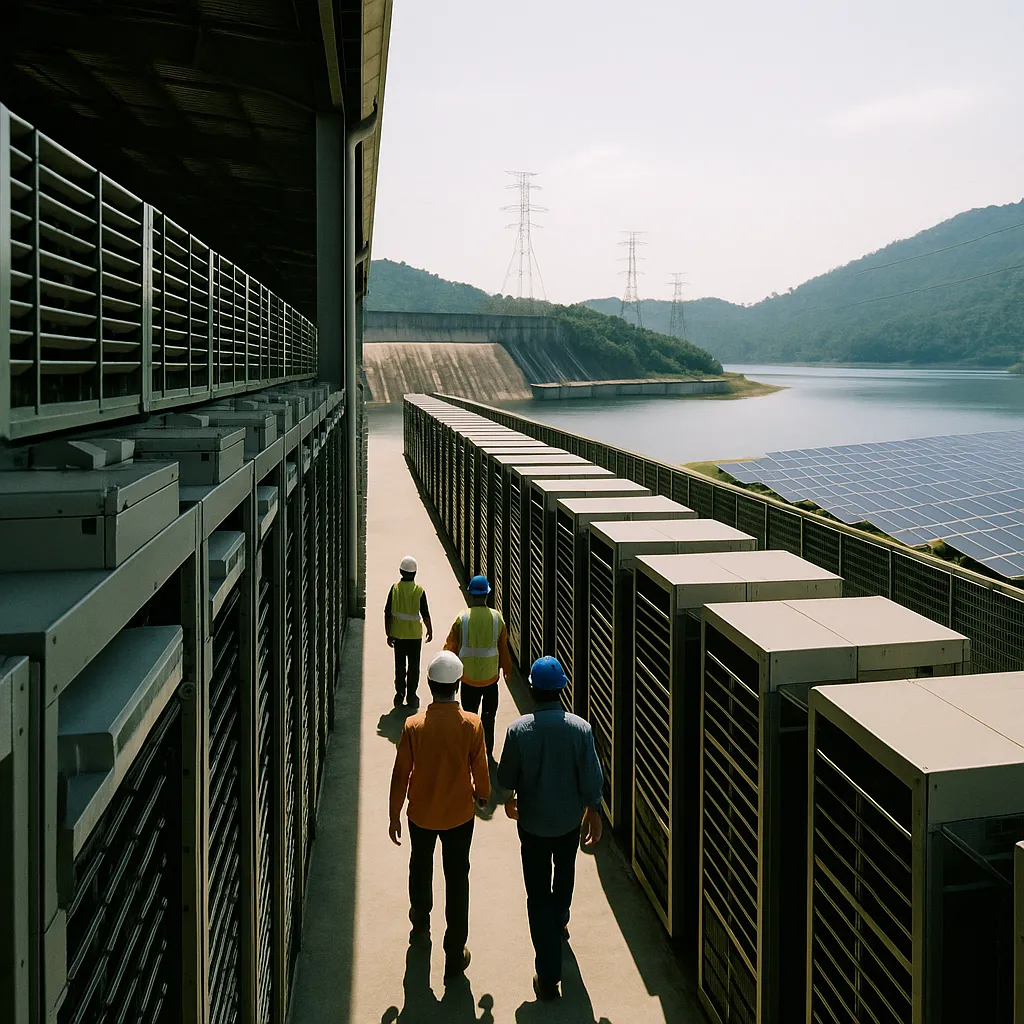
Malaysia's Sarawak state is building an AI Grid that physically co-locates hydropower and solar generation with high-performance computing infrastructure — bypassing the grid congestion problem blocking AI data center expansion across the US and Europe. The model reframes renewable energy not as a power source for computing, but as computing infrastructure itself.
It's a structural inversion that matters well beyond Malaysia. Energy-rich emerging markets are watching Sarawak to see whether the model works at scale.
The Grid Congestion Problem
In the United States and Europe, AI data center expansion has run into a hard constraint: the power grid cannot absorb the load fast enough. Grid interconnection queues in major US markets are backlogged three to seven years. New data center applications in Northern Virginia — the world's largest data center market — are being deferred or denied. In the UK and Germany, utilities are warning that planned AI compute expansion will require grid upgrades that take a decade to complete.
The result is that AI companies are competing for limited power capacity in markets where electricity infrastructure was built for a different era.
Sarawak's Answer
Sarawak holds a significant natural advantage: abundant hydroelectric capacity, a low-cost electricity tariff structure, and new solar installations coming online. Instead of using that generation capacity to power a conventional grid and then routing power to a data center somewhere else, Sarawak is co-locating the computing directly at the generation source.
The AI Grid links hydropower stations and solar farms to high-performance computing facilities in a physical and contractual bundle — AI companies buy compute that is inseparable from the clean energy generating it. There is no transmission bottleneck because the power does not travel far. There is no grid congestion because the load does not enter the national grid at scale.
Get this in your inbox.
Daily AI intelligence. Free. No spam.
What Sarawak is offering AI companies:
- Clean compute at generation-source electricity costs — typically far lower than grid retail rates
- No grid interconnection queue — capacity is available now
- Low-latency proximity to Southeast Asian markets
- A jurisdiction actively investing in AI infrastructure policy
The Broader Implication
Sarawak's model is replicable anywhere with abundant renewable generation and the infrastructure will to co-locate computing alongside it. The obvious candidates are significant:
- Brazil — among the world's largest hydroelectric producers, with underutilized Amazonian generation capacity
- Zambia and the DRC — major hydroelectric resources, minimal domestic industrial electricity demand
- Tajikistan and Kyrgyzstan — high-altitude hydropower, proximity to Central Asian tech corridor investment
Each of these carries different political and infrastructure risks. But the core logic holds: countries that generate cheap, clean electricity and build the data center infrastructure to match have a structural cost advantage over markets running AI compute on imported fossil fuel power or congested legacy grids.
What This Means
For AI companies seeking compute: Sarawak is a differentiated option — cost-competitive clean compute in a jurisdiction actively courting the sector. For startups doing training runs or inference at scale where compute cost is a primary variable, the calculus deserves examination.
For US and European data center operators: Competition for AI compute is now global. The incumbent advantages of proximity to US and European enterprise customers are real, but they are not unlimited. As AI inference workloads become more latency-tolerant and training workloads are increasingly batch-oriented, geographic flexibility increases.
For climate-focused AI investors: Co-located renewable compute solves one of the more persistent greenwashing problems in AI infrastructure — the practice of purchasing renewable energy certificates for data centers running on grid power that is still majority fossil fuel.
What to Watch
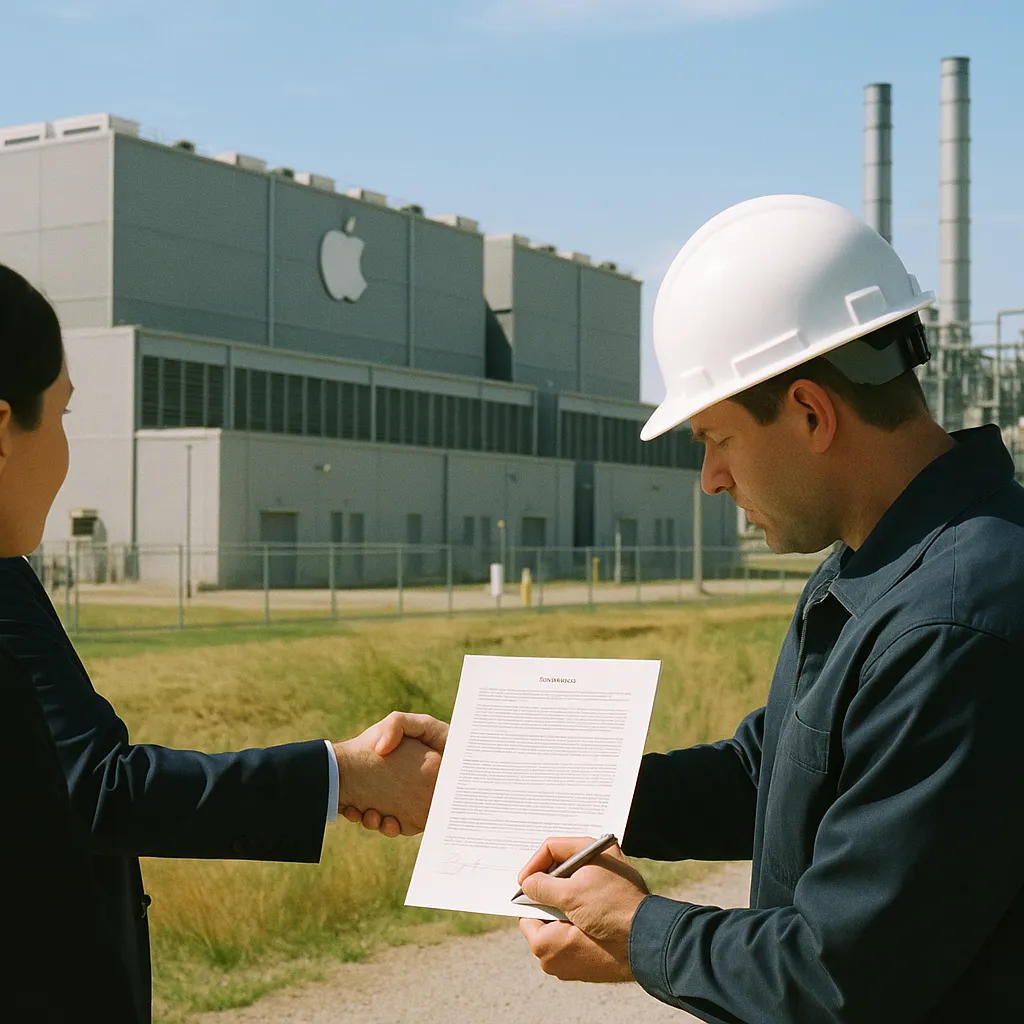
Whether a major hyperscaler — Google, Microsoft, or Amazon — signs a capacity agreement with Sarawak's AI Grid before the end of 2026. A deal at that scale would validate the model commercially and accelerate similar initiatives in other energy-rich jurisdictions.
By Hector Herrera
Did this help you understand AI better?
Your feedback helps us write more useful content.
Get tomorrow's AI briefing
Join readers who start their day with NexChron. Free, daily, no spam.