MIT published a method to estimate AI energy consumption from chip architecture specs alone — giving grid planners and policymakers a faster way to project AI's power demand before systems are deployed.
MIT Builds a Faster Way to Estimate AI Power Consumption From Chip Specs Alone
By Hector Herrera | May 16, 2026 | Energy
MIT researchers have published a method for estimating how much electricity an AI system will consume — using only its chip architecture specifications, without needing to deploy the hardware or run the system. It's a practical tool for a problem that is becoming urgent: nobody has a reliable way to predict AI's energy cost before it hits the grid.
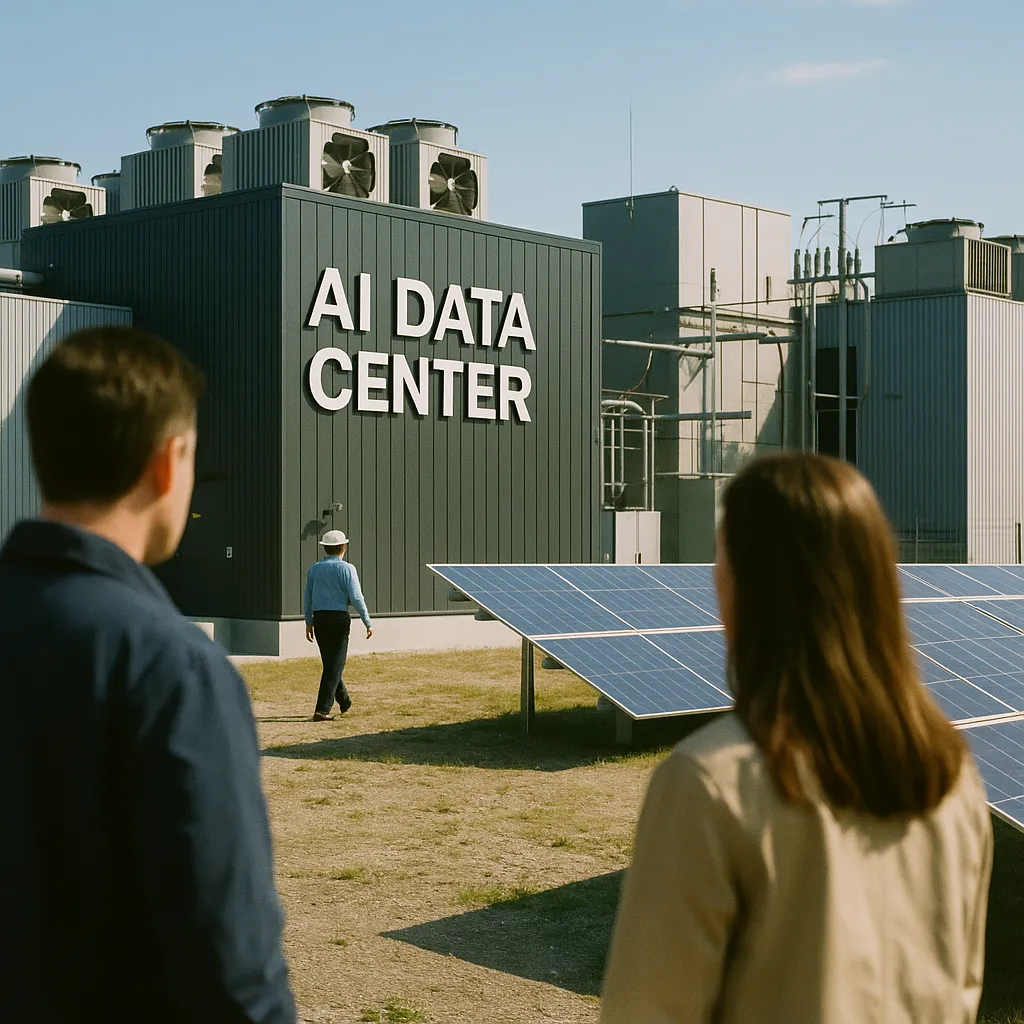
The timing matters. AI data centers are on track to consume up to 12% of all U.S. electricity by 2028, and planners currently have no fast, standardized way to estimate how much a new AI deployment will demand before it's built.
What the MIT Tool Does
The MIT research, published in April 2026, developed a modeling framework that takes publicly available chip architecture specifications — the technical descriptions of how a processor is designed, including transistor counts, memory bandwidth, compute throughput, and interconnect specs — and uses them to project power consumption for running AI workloads at scale.
The method does not require:
- Physical access to the hardware
- Runtime telemetry from deployed systems
- Proprietary information from chip manufacturers
Why that's significant: Today, accurate AI energy estimates require either actually running the system and measuring it, or getting detailed power draw data from chip vendors — data that is often not publicly disclosed. The MIT approach lets policymakers, grid planners, and AI developers run energy projections at the planning stage, before any hardware is purchased or deployed.
The Problem It Solves
The current state of AI energy forecasting is poor. Estimates for total AI data center power consumption vary by enormous margins — not because the physics is complicated, but because the data is fragmented, proprietary, or simply doesn't exist until systems are running.
This creates several compounding problems:
Get this in your inbox.
Daily AI intelligence. Free. No spam.
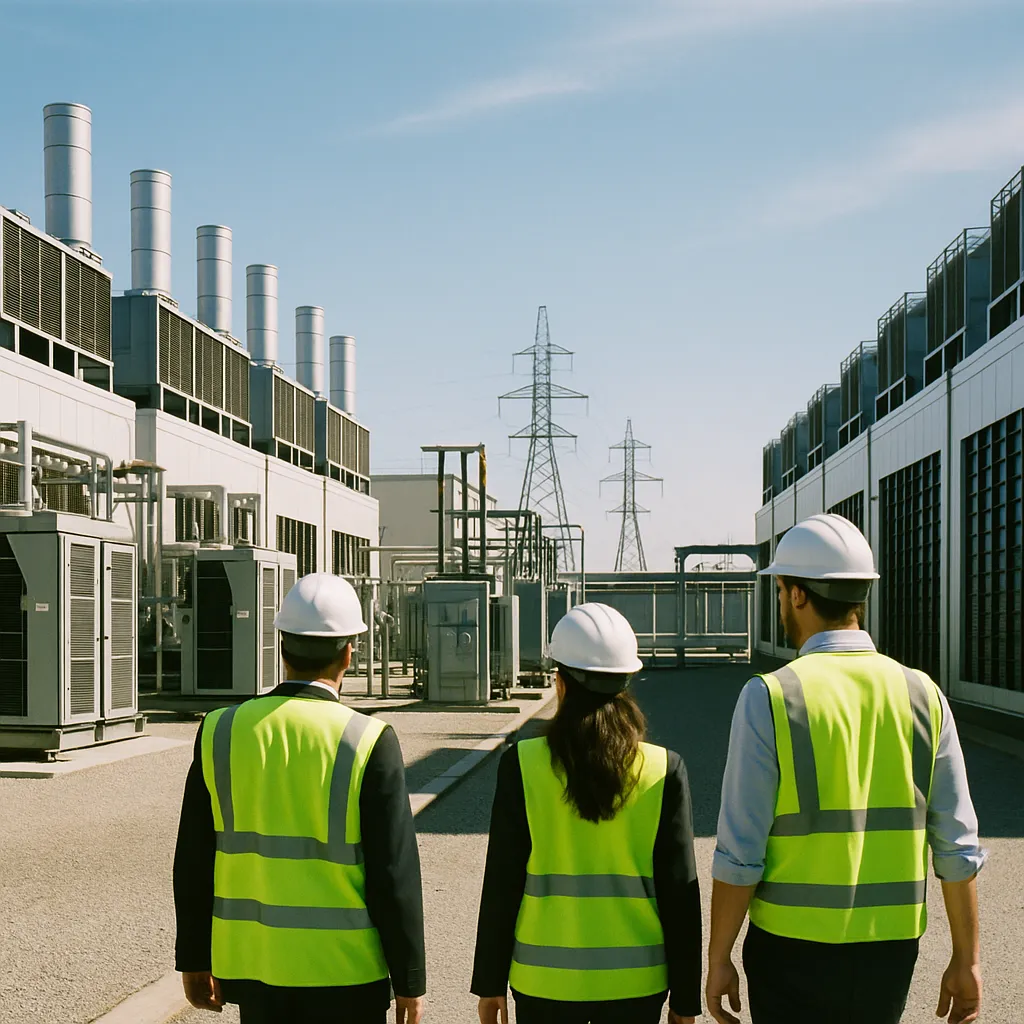
Grid operators can't plan capacity. Utilities need years of lead time to build generation and transmission capacity. An AI data center that comes online with higher-than-projected power demand strains local grids and, in some cases, has triggered emergency capacity measures. PJM Interconnection, which manages the grid for 65 million people across 13 states, has publicly flagged AI data center growth as a planning crisis.
Policymakers can't regulate what they can't measure. Proposed AI energy disclosure requirements — including bills in California and the EU AI Act's sustainability provisions — struggle to define standardized measurement methodologies. The MIT framework could provide the technical basis for a standardized approach.
Developers underestimate costs. AI compute is often purchased in terms of GPU-hours or FLOPS (floating point operations per second), not watts or kilowatt-hours. Teams building large AI systems frequently discover their energy budget is wrong only after deployment begins.
The Chip Architecture Angle
The MIT approach works because AI power consumption is largely deterministic from hardware specs. The amount of electricity a GPU or custom AI chip draws at peak load is a function of its transistor density, clock speed, memory bandwidth, and thermal design power — all of which are captured in architecture specifications.
What varies is utilization: how hard the chip is pushed, for how long, and under what workload mix. The MIT framework addresses this by modeling utilization patterns from the characteristics of common AI workload types — training vs. inference, transformer-based models vs. convolutional architectures, batch sizes, and precision levels.
The result is a range estimate rather than a single number — which is actually more useful for planning than a false-precision point estimate.
The 12% Number
The projection that AI data centers could consume 12% of U.S. electricity by 2028 comes from multiple independent analyses and is consistent with data center growth projections from utilities, grid operators, and the Department of Energy.
To put that in context: 12% of U.S. electricity consumption is approximately equal to the entire electricity consumption of California. It's not a rounding error in the energy budget — it's a structurally significant new demand source that will require new generation capacity, transmission infrastructure, and grid management approaches.
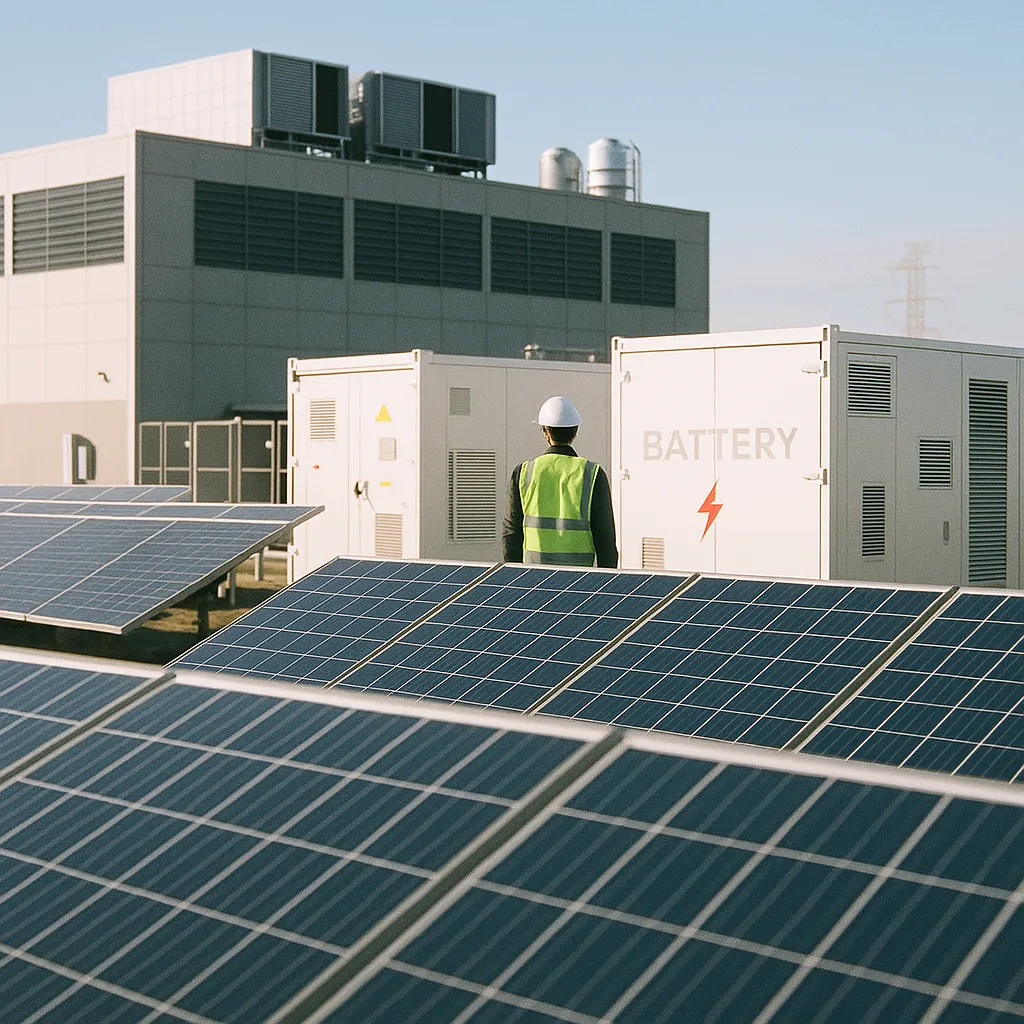
The MIT tool is one input into getting that planning right. It doesn't solve the problem of building enough clean power capacity, or managing demand response, or deciding where to site data centers. But it gives planners a faster path from "we're considering this AI deployment" to "here's the energy envelope we're working with."
What to Watch
The practical next step is whether grid operators and regulators adopt the MIT methodology — or something like it — as a standard reporting requirement for large AI deployments. The DOE's Office of Scientific and Technical Information has been tracking AI energy demand as a research priority; the MIT framework is the kind of output that typically gets incorporated into federal technical guidance.
The harder question is whether energy forecasting can keep pace with AI deployment timelines. The industry is not waiting for better measurement tools — it's building. The MIT tool is useful precisely because it works at the planning stage, before that window closes.
Sources: MIT News, April 2026
Did this help you understand AI better?
Your feedback helps us write more useful content.
Get tomorrow's AI briefing
Join readers who start their day with NexChron. Free, daily, no spam.