Capital is shifting from AI ag hype to measurable farm-level ROI, with AI combined with precision genetics emerging as the highest-conviction investment theme at World Agri-Tech 2026.
Agricultural robotics has moved past novelty, and investors at the World Agri-Tech Innovation Summit are responding by demanding proof of farm-level ROI rather than demo-day spectacle. The 2026 World Agri-Tech outlook finds capital shifting toward measurable field outcomes — yield improvements, input cost reductions, and resilience gains that can be underwritten — with AI combined with precision genetics emerging as the highest-conviction investment theme for the remainder of the year.
What Changed Between 2023 and 2026
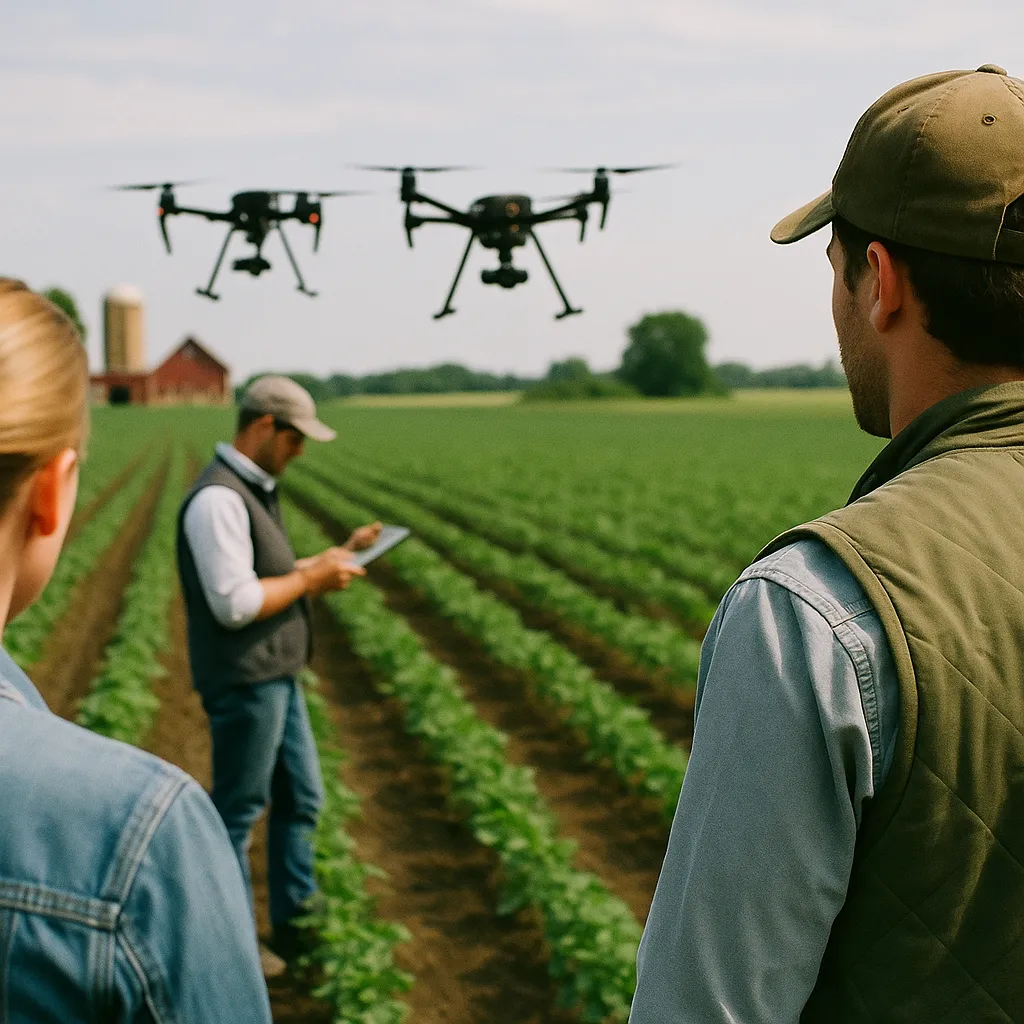
Three years ago, the dominant farm technology pitch involved autonomous everything: drones delivering precise pesticide applications, fleets of small robots replacing farm labor entirely, and AI systems making planting and harvest decisions without human input. Investors funded the vision.
What those investments produced was more instructive than the pitch decks. Deployments that worked at research station scale often failed at commercial farm scale. Complexity, maintenance overhead, connectivity gaps, and the fundamental reality that farm operations run on tight margins with no tolerance for downtime filtered out a large portion of the pilot-stage robotics field.
What survived and scaled were solutions to specific, high-value problems — weeding, spray targeting, harvest thinning — that plug cleanly into existing farm management platforms and don't require farmers to reinvent their operations around the technology.
What the Investors Are Buying Now
World Agri-Tech's 2026 outlook identifies three investment categories attracting serious capital:
Non-chemical mechanical weeding robots. Herbicide resistance is a growing crisis across major row crops and specialty crops. Mechanical weeding robots that use AI vision to distinguish crop from weed and remove weeds with physical or targeted laser mechanisms address a problem that chemical solutions are increasingly failing to solve. Proving field-level ROI here is straightforward: compare herbicide spend plus yield loss from resistance against robot operating cost.
Precision spray systems. Variable-rate application systems that use real-time crop sensing to apply inputs only where needed — rather than across entire fields — reduce input costs by 20–40% in well-documented deployments. The technology works, the ROI is measurable, and it integrates with existing equipment rather than replacing it.
Get this in your inbox.
Daily AI intelligence. Free. No spam.
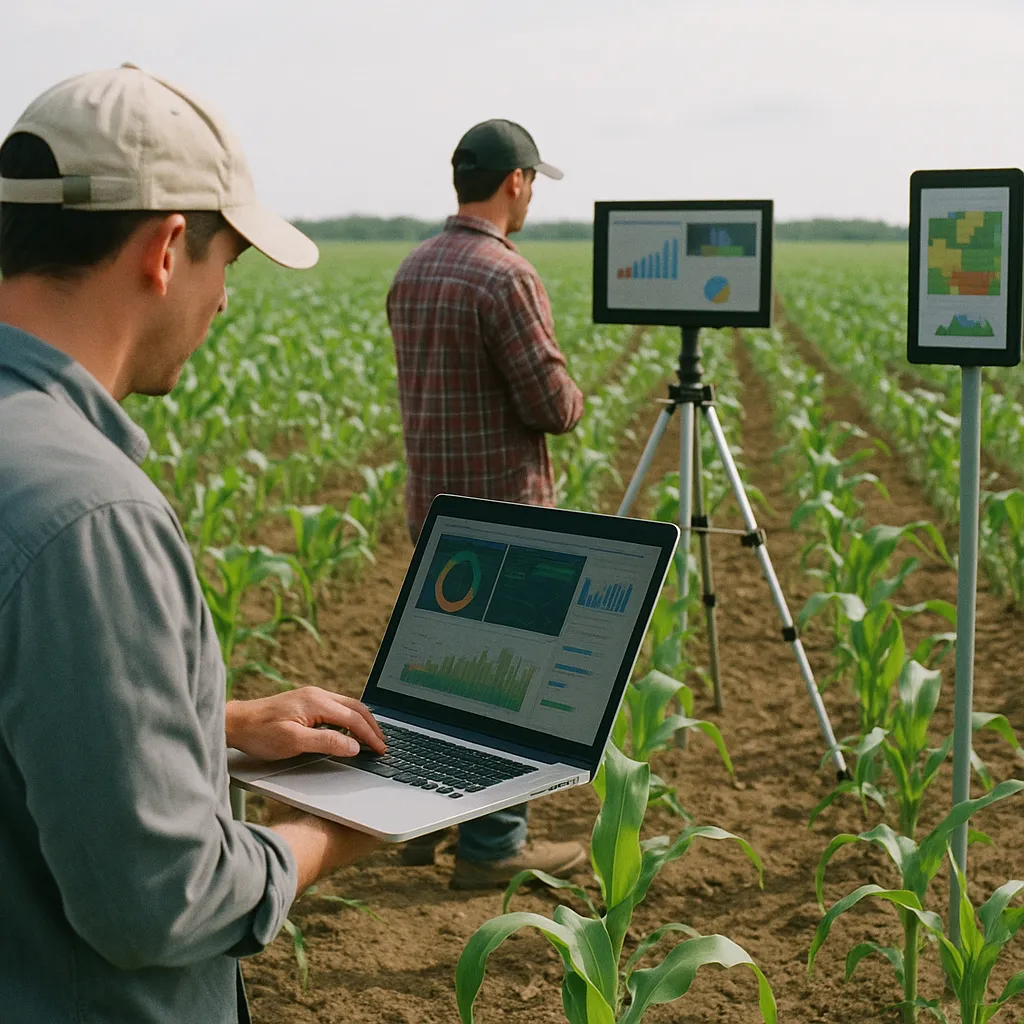
AI-enabled farm management integration. The companies attracting the strongest investment multiples are those that connect sensor data, weather, soil measurements, and market information into decision support that farm operators actually use daily — not standalone AI tools that require separate workflows.
Precision Genetics: The Highest-Conviction Theme
The most significant shift in the 2026 World Agri-Tech investment landscape is the elevation of AI combined with precision genetics as the top investment theme.
The reasoning: traditional crop breeding operates on 8–12 year development cycles to move a genetic improvement from discovery to commercial seed. AI-accelerated genomic prediction can compress that dramatically — identifying high-performing genetic combinations in silico before committing to field trials. Companies doing this credibly are shortening time-to-commercial-trait development while improving the precision of what they're breeding for.
Climate resilience is the primary target. As growing seasons become less predictable across major agricultural regions, the economic value of crops that perform under heat stress, drought, and variable precipitation is growing. Genetics is the deepest and most durable solution — you can manage some problems agronomically, but you can't manage your way out of a crop that simply doesn't perform in hotter, drier conditions.
The ROI Standard Has Raised the Bar
The shift from growth-at-all-costs to measurable ROI has changed the due diligence conversation materially. Investors who funded farm technology platforms on total addressable market projections are now requiring:
- Third-party field trial data across multiple geographies and soil types, not just company-provided demos
- Adoption data — what percentage of customers who deploy the technology are still using it 12 months later
- Integration evidence — does the product work with the farm management systems farmers already use, or does it require a separate workflow
Companies that built for demo-day impact rather than daily utility are finding the current capital environment difficult. Those that have quietly accumulated real usage data from working farms are finding they can raise at multiples that would have seemed aggressive two years ago.
What to Watch
The integration of AI with precision genetics is still early enough that the competitive landscape isn't settled. Watch for consolidation between data platform companies and genetics/seed companies — combining AI-driven agronomic recommendations with AI-accelerated genetics creates a vertically integrated value chain that would be difficult to unbundle.
Also watch the farm bill reauthorization process. Federal AI subsidy provisions in the current farm bill affect which technologies get adoption incentives — and that policy environment will shape which farm AI categories scale fastest through 2027.
By Hector Herrera
Did this help you understand AI better?
Your feedback helps us write more useful content.
Get tomorrow's AI briefing
Join readers who start their day with NexChron. Free, daily, no spam.