AI precision agriculture delivers genuine per-acre efficiency, but an investigative report finds those gains are being captured as yield increases and intensification — not environmental recovery — as the Farm Bill directs billions toward AI subsidies without outcome requirements.
Precision Farming's AI Gains Are Real. The Environmental Claims Aren't.
AI-guided precision agriculture is delivering genuine efficiency improvements — up to 90% reductions in herbicide application per acre, 40% less water usage — but those gains are being captured as yield increases and land intensification, not environmental recovery. An investigative report from Inside Climate News finds that aggregate farm-sector emissions and runoff metrics are not improving even as per-acre efficiency rises. As the 2026 Farm Bill directs billions in USDA subsidies toward AI precision agriculture, the gap between per-acre efficiency and sector-level outcomes is a policy problem that is not yet being treated as one.
The technology works. The narrative built around it needs more scrutiny.
What Precision AI Actually Does
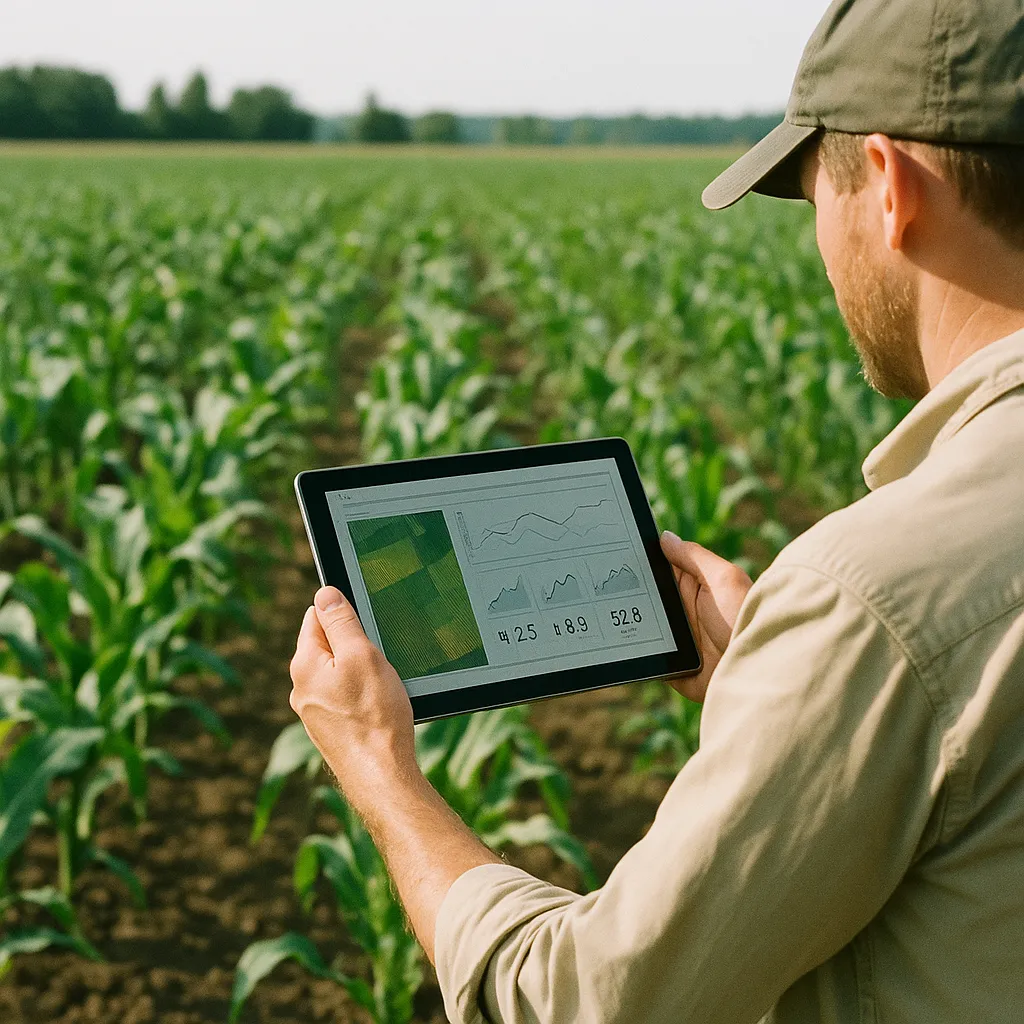
Computer-vision sprayers identify individual weeds and apply herbicide with surgical precision, reducing chemical use by up to 90% per acre compared to broadcast application. AI irrigation systems monitor soil moisture, weather forecasts, and crop growth models to deliver water only where and when plants need it, achieving 30-40% reductions in water usage per acre compared to schedule-based systems.
These are real, measurable improvements. The hardware is commercially deployed. The software works at field scale. Farmers who have adopted these systems see genuine input cost reductions — lower seed, chemical, and water bills — alongside comparable or higher yields.
The Intensification Problem
The investigative analysis documents a consistent pattern: when precision AI makes farming more efficient per acre, farmers don't use that efficiency to reduce total inputs. They use it to farm more acres, plant more intensively, or expand into marginal land that was previously uneconomical to cultivate.
Per-acre herbicide use falls. Total herbicide use stays flat or rises because acreage expands into land that precision tools make profitable to farm. Per-acre water use drops. Total aquifer withdrawal doesn't fall proportionally because the freed efficiency makes previously unviable land viable. Per-acre emissions may improve. Aggregate farm-sector emissions don't because output rises to consume the efficiency gains.
Economists call this the Jevons paradox: efficiency improvements in resource use lead to increased total consumption of that resource, not decreased consumption, because lower cost per unit drives higher volume. It has played out in automotive fuel efficiency, building energy systems, and airline fuel consumption. Precision agriculture AI is showing the same pattern.
The challenge for precision ag advocates is that the Jevons effect is not a failure of the technology — it is a predictable response to economic incentives. When input costs fall and yield potential rises, rational farmers expand. The problem isn't the tool. It is the absence of any mechanism that requires efficiency gains to translate to environmental outcomes rather than production expansion.
Get this in your inbox.
Daily AI intelligence. Free. No spam.
Why the Farm Bill Matters
The 2026 Farm Bill directs USDA subsidies toward AI precision agriculture adoption. The programs are written around adoption metrics — not outcome requirements.
A farmer who deploys a computer-vision sprayer qualifies for the subsidy whether or not total herbicide use on the operation declines. A farm that purchases an AI irrigation system receives the incentive whether or not total water withdrawal from the regional aquifer falls. The incentive is for buying the machine, not for what happens after you turn it on.
Critics quoted in the Inside Climate News investigation — including agricultural economists and environmental scientists — argue that the Farm Bill's AI subsidies are paying for efficiency technology while claiming environmental benefit, without building any mechanism to verify that the benefit materializes at the scale that matters: the watershed, the aquifer, the atmosphere.
What the Industry Argues
Precision agriculture advocates counter that the technology is a necessary condition for sustainable farming at commercial scale, even if it isn't sufficient on its own. Without precision tools, input reduction is impossible at the throughput that modern agriculture requires. With them, outcome requirements become technically enforceable — you can verify chemical application rates with field sensors, water use with metering, and nitrogen runoff with remote sensing.
They also note that macro-level agricultural metrics are shaped by factors beyond farm technology: crop commodity prices, export market conditions, drought years, and land prices all influence how much farmers plant and how intensively they operate. Holding precision AI technology accountable for sector-level trends is, they argue, too broad a frame.
Both arguments are partly right. The technology does enable outcomes that are impossible without it. And macro forces do move sector-level metrics in ways individual technology choices can't override. The question is whether the policy framework captures the opportunity to link the two.
The Policy Question
The debate is arriving at a useful moment. The Farm Bill is active legislation. Subsidy program rules are being written now.
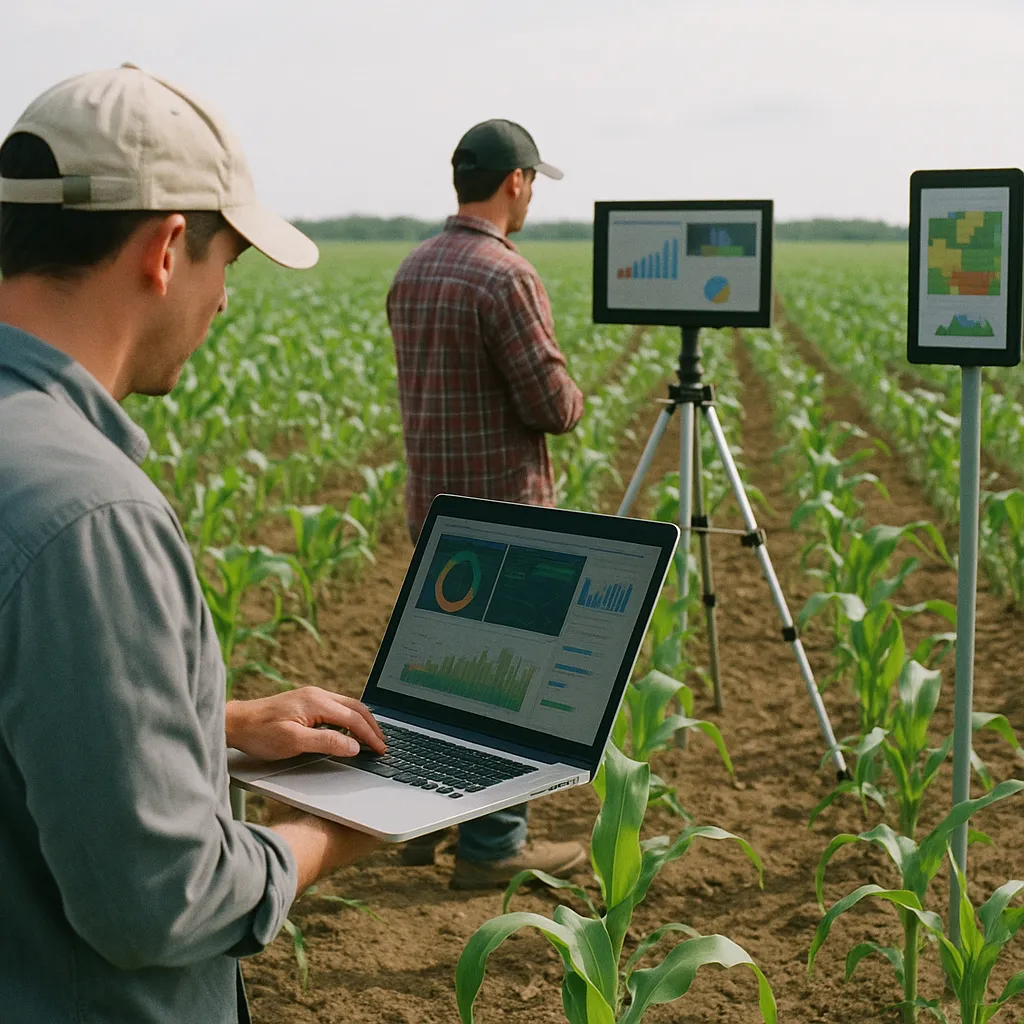
Outcome-linked subsidy structures — where payments scale with verified reductions in total input use, not just adoption of efficient technology — are technically feasible. Satellite monitoring can verify land use changes. Field sensors can track chemical application volumes. Water meters can measure withdrawal. The data infrastructure to link payments to outcomes exists and is already used in some conservation programs.
Whether Congress builds outcome requirements into precision ag AI subsidies, or continues rewarding adoption without accountability for results, will determine whether AI precision farming delivers on its environmental promise or remains a powerful efficiency tool that enables the next wave of agricultural intensification.
What to Watch
The USDA's implementation guidance for precision ag programs under the 2026 Farm Bill is the first place where outcome metrics will either appear or not. Environmental groups are expected to file formal comments pushing for verified outcome requirements tied to watershed and aquifer data. Farm state legislators will resist requirements they view as burdensome on operators who have already invested in the technology. That negotiation — playing out in regulatory comment periods and USDA rulemaking over the next 18 months — will determine how billions in subsidies get spent and whether they shrink the farm sector's environmental footprint or fund its next expansion.
By Hector Herrera
Did this help you understand AI better?
Your feedback helps us write more useful content.
Get tomorrow's AI briefing
Join readers who start their day with NexChron. Free, daily, no spam.