AI-connected farm equipment is generating data demands rural broadband cannot meet. The Fiber Broadband Association says existing rural network standards must be fundamentally updated.
Precision Farming Tools Are Outrunning Rural Broadband — And the Gap Is Becoming an Equity Problem
By Hector Herrera | May 14, 2026
AI-connected farm equipment, soil sensors, and cloud analytics platforms are generating data demands that rural broadband networks were never designed to handle. A new paper from the Fiber Broadband Association (FBA) makes the case that existing rural connectivity standards must be updated — not incrementally, but fundamentally — or precision agriculture will remain inaccessible to the farms that need it most.
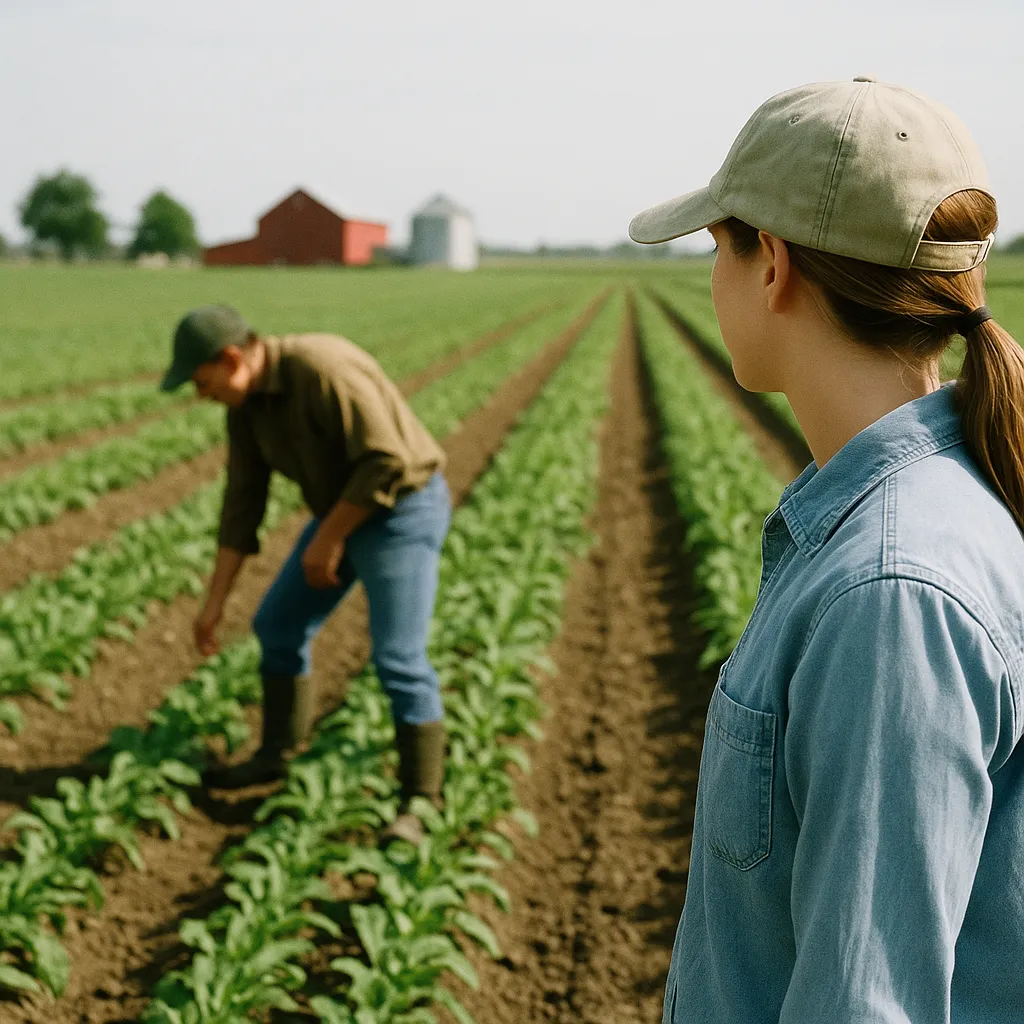
The FBA paper, released May 11, 2026, argues that the connectivity gap is no longer just a technology problem. It's an equity problem. Large commercial operations have the capital and infrastructure to access precision AI tools. Most smaller and rural farms do not — not because the tools don't exist, but because the network underneath them isn't there.
What Precision Farming Actually Requires
Modern precision agriculture involves systems working simultaneously that each carry bandwidth and latency requirements:
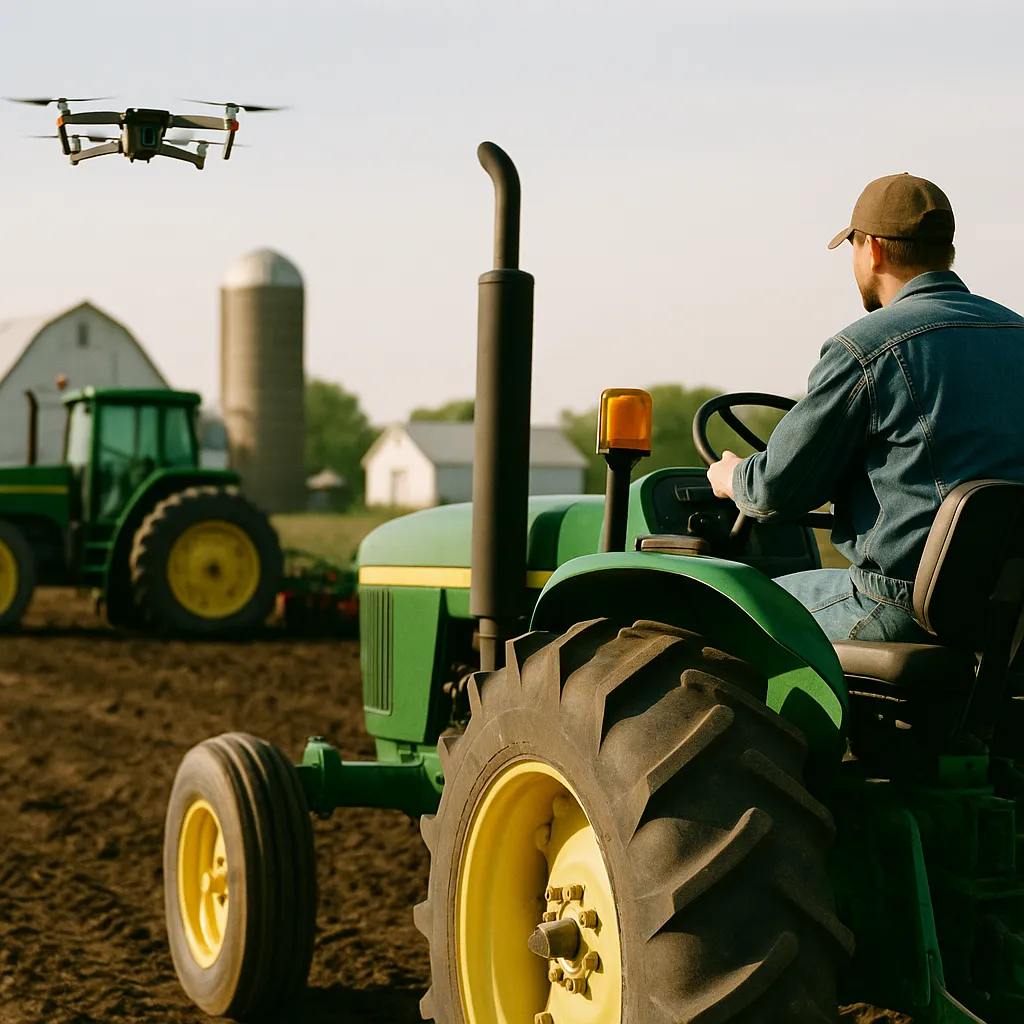
- Connected equipment — tractors, planters, and harvesters streaming real-time sensor data to cloud platforms for AI analysis
- Drone and satellite imagery — high-resolution visual data uploaded for crop health modeling and yield prediction
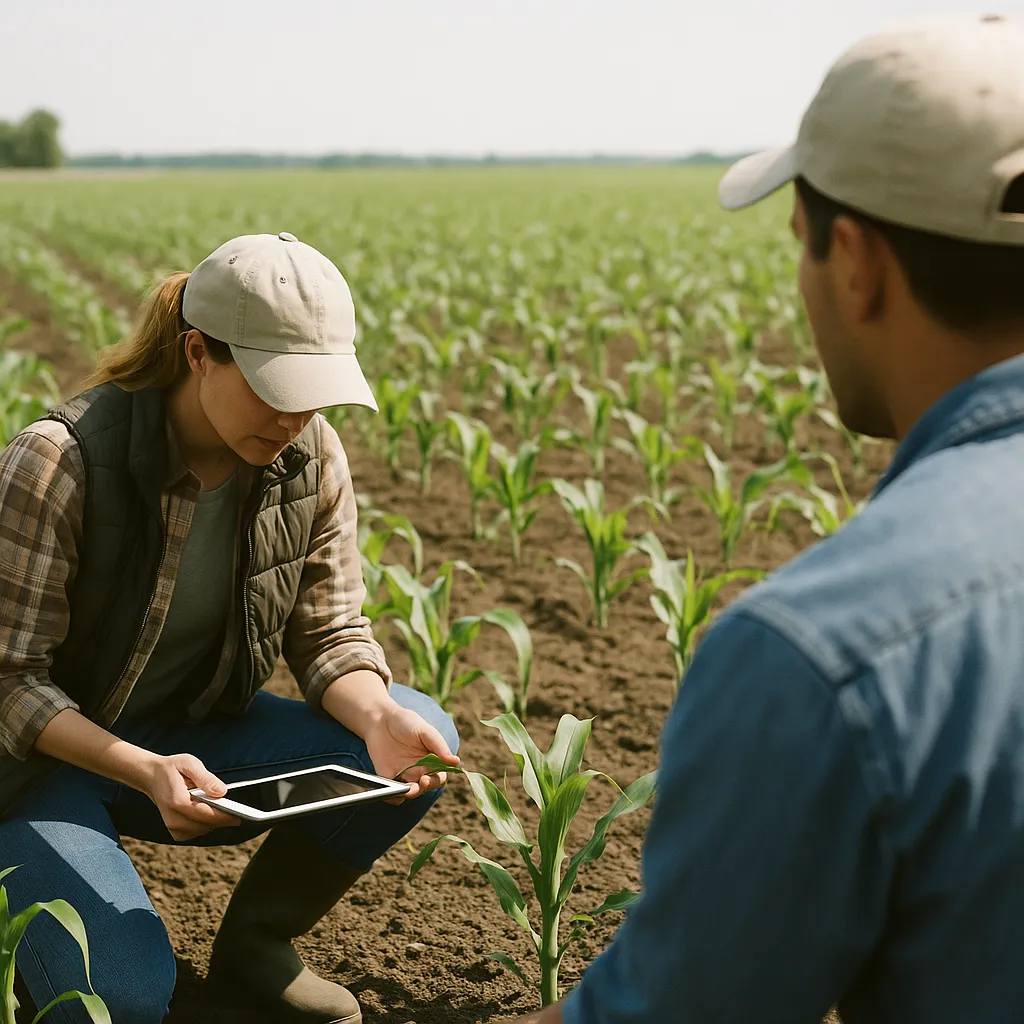
- IoT soil and water sensors — continuous streams of telemetry feeding irrigation and nutrient application systems
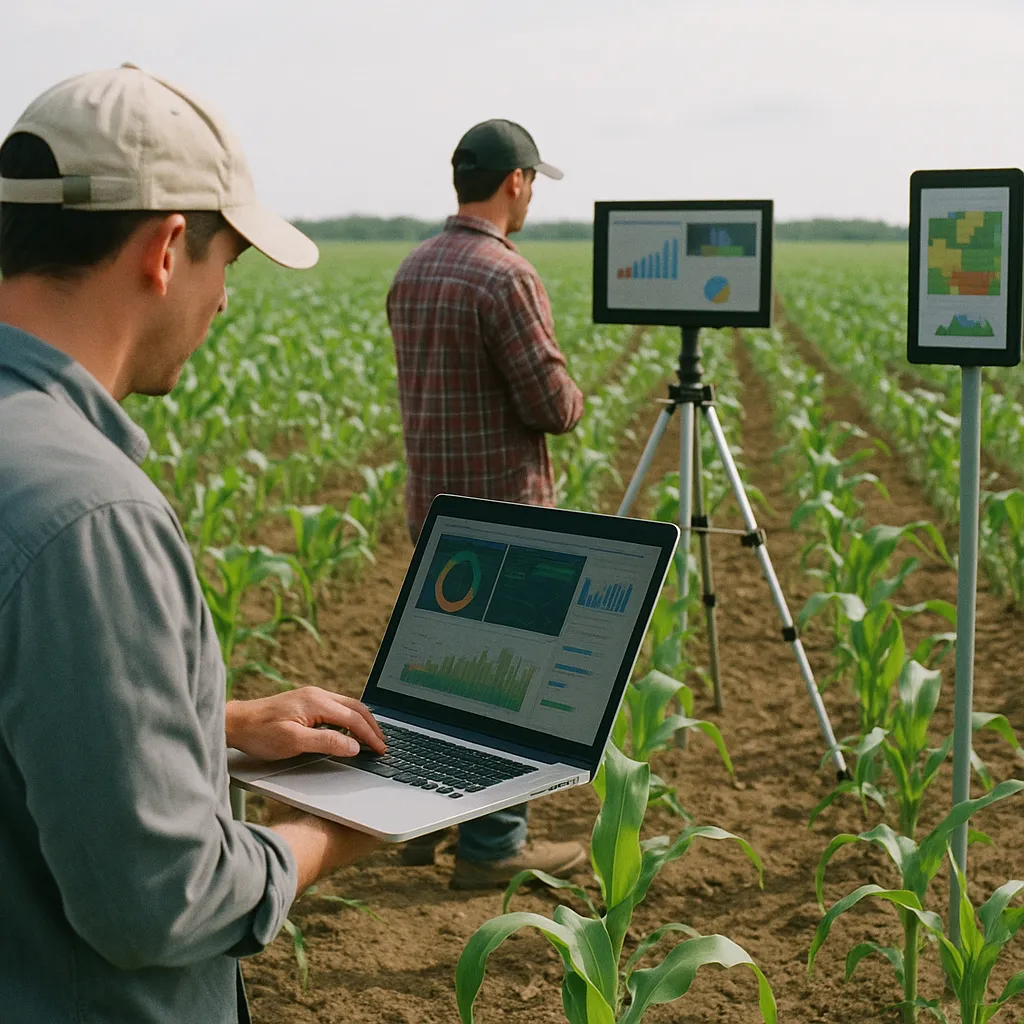
- Cloud AI platforms — two-way connections where algorithms push adjusted recommendations back to field equipment in near real-time
The combination demands high upstream capacity (not just download speed), low latency, and high reliability — especially during planting and harvest windows when decisions must happen fast and network downtime is costly.
Get this in your inbox.
Daily AI intelligence. Free. No spam.
Current rural broadband standards — including the FCC's 25 Mbps download / 3 Mbps upload benchmark — were established when rural connectivity meant access to email and basic web browsing. The FBA paper argues those standards are now structurally inadequate for the agricultural use case that is rapidly becoming dominant in rural areas.
The Equity Dimension
The precision agriculture gap splits along lines that already define agricultural inequality. Large-scale commercial farms — generally operating at higher margins with dedicated technology budgets — have been early adopters of AI-driven tools. Many have upgraded their own connectivity infrastructure or negotiated private network access where public infrastructure falls short.
Smaller family farms and rural operations in remote areas typically cannot do either. They rely on the same public rural broadband that the FBA is flagging as insufficient. The result: farms that most need productivity improvements from precision tools are least able to access them.
This compounds across generations. Younger farmers entering the industry expect technology-native operations. When the infrastructure isn't there, rural areas lose both agricultural productivity and the next generation of operators.
Policy Intersections
The FBA's timing is deliberate. Farm bill negotiations in Congress are ongoing, and broadband infrastructure investment remains a contested priority in agricultural policy. The FBA is making an explicit argument that broadband funding tied to agriculture needs to be calibrated against precision farming's actual technical requirements — not legacy standards.
This also intersects with USDA's rural broadband programs and the FCC's Affordable Connectivity Program successor. Multiple federal funding streams touch rural connectivity, but their coordination and technical benchmarks have not been updated to reflect AI-era agricultural needs.
What to Watch
Whether USDA and FCC issue updated connectivity standards for agricultural areas — and whether farm bill language ties broadband funding to precision agriculture use cases rather than general household access metrics. The difference between "rural broadband" and "agriculture-ready broadband" is significant, and the policy conversation is only beginning to make that distinction explicit.
By Hector Herrera. Published May 14, 2026.
Did this help you understand AI better?
Your feedback helps us write more useful content.
Get tomorrow's AI briefing
Join readers who start their day with NexChron. Free, daily, no spam.