A provision in the 2026 Farm Bill reimburses farmers up to 90% of the cost of AI tools through EQIP — but critics warn it subsidizes Big Tech data collection from American farmland without requiring farmers to own their own data.
The 2026 Farm Bill Has a Hidden AI Subsidy — and It Could Hand Big Tech a Foothold on American Farmland
By Hector Herrera | May 2, 2026 | Agriculture
Buried in the 2026 Farm Bill is a provision that reimburses farmers up to 90% of the cost of adopting AI and precision agriculture technologies — 15 percentage points above the normal cap for the EQIP program. On the surface, it's a subsidy to help farmers modernize. Underneath, Fortune's analysis argues it's a publicly funded on-ramp for Big Tech to embed itself in American agricultural decision-making.
The Environmental Quality Incentives Program (EQIP) is a USDA program that reimburses farmers for adopting conservation and production practices. Normally, cost-share rates top out at 75%. The new Farm Bill provision raises that ceiling to 90% specifically for AI and precision ag technology — a targeted subsidy that makes the economics of adopting AI tools almost risk-free for individual farmers.
How the Subsidy Works in Practice
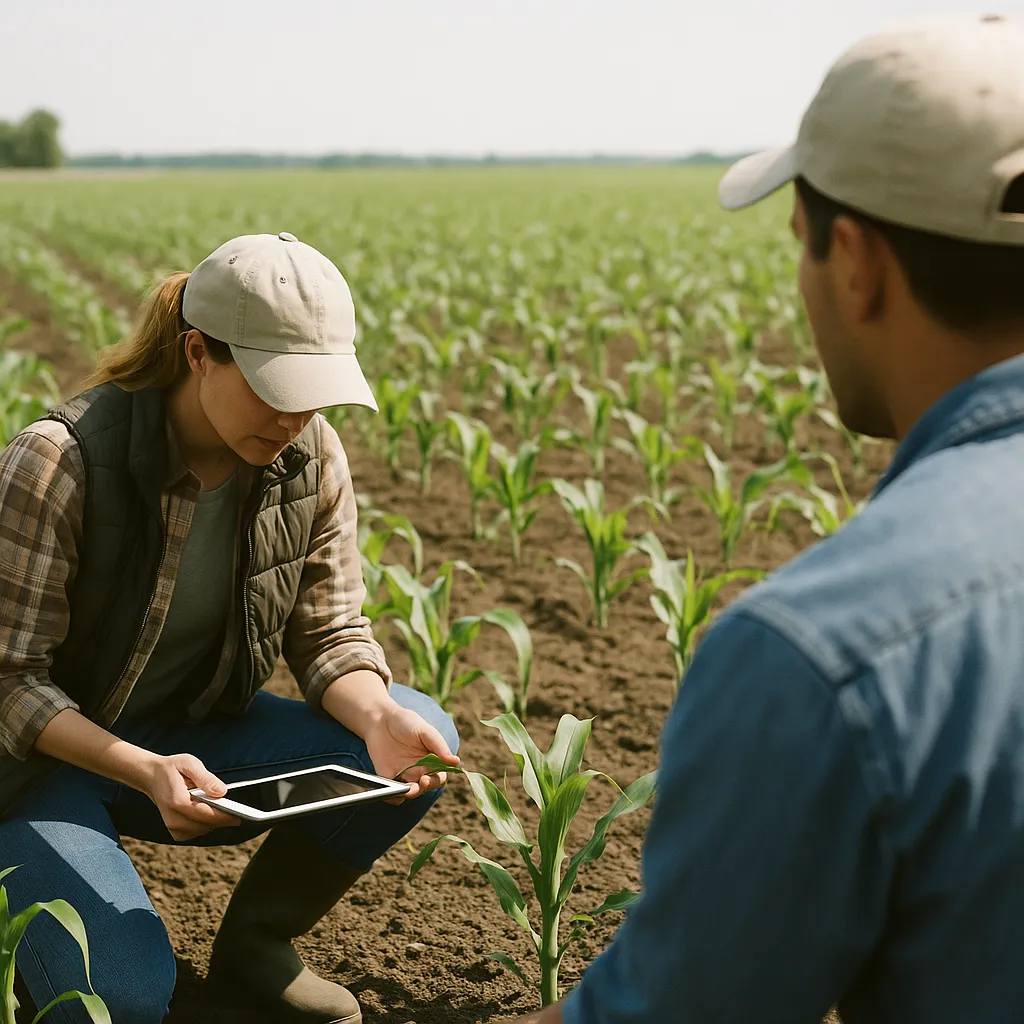
A farmer considering an AI-powered soil monitoring system, autonomous planting equipment, or a predictive crop disease platform would typically face a significant upfront cost that makes adoption slow. At 90% reimbursement, the farmer pays 10 cents on the dollar. At that price point, the decision calculus changes dramatically.
The eligible technologies include tools for:
- Precision irrigation — AI systems that adjust water delivery based on soil moisture, weather forecasts, and crop stress signals
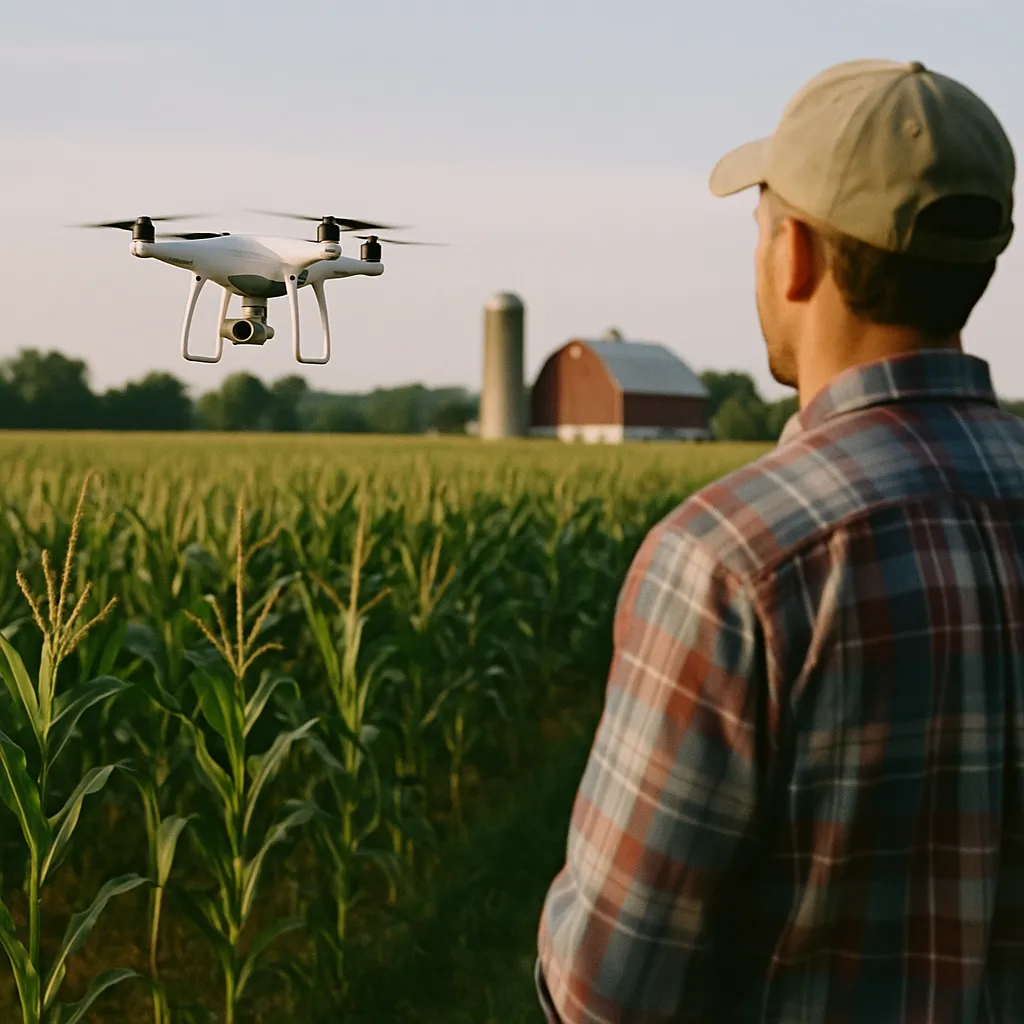
- Predictive crop health monitoring — drone and satellite imagery analysis that flags disease or pest pressure before visible symptoms appear
- Yield prediction and input optimization — models that recommend fertilizer and pesticide application rates by field zone
- Autonomous equipment — tractors and planters that navigate fields without a driver, adjusting in real time to soil conditions
These are legitimate productivity tools. For individual farmers — especially smaller operations that have been slower to adopt precision agriculture — the 90% subsidy removes the primary barrier to entry.
The Big Tech Data Question
The problem, as Fortune frames it, is what happens to the data those tools generate.
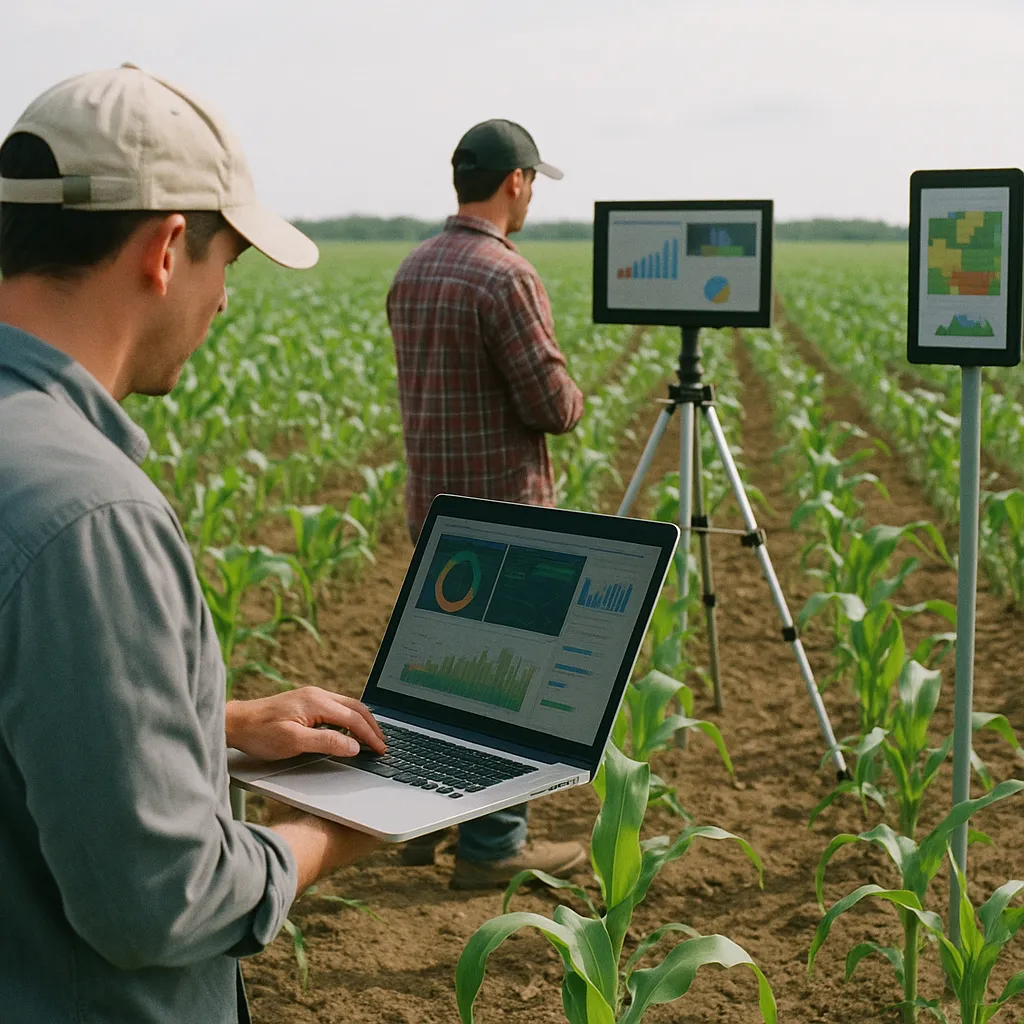
When a farmer adopts an AI precision agriculture platform — whether from John Deere, Climate Corporation (owned by Bayer), Trimble, or a newer entrant backed by venture capital — that system begins collecting extraordinarily detailed information: soil composition at the sub-field level, yield variability by acre, input response rates, weather correlation data, equipment performance. Aggregated across thousands of farms, this data is among the most valuable agricultural intelligence ever assembled.
Get this in your inbox.
Daily AI intelligence. Free. No spam.
And in most current contracts, the farmers don't own it.
The typical data rights terms in precision agriculture platforms allow the vendor to use anonymized or aggregated farm data to train their own models, improve their services, and in some cases share data with third parties for research or commercial purposes. Farmers who have read their agreements carefully describe terms that give vendors broad rights to the operational intelligence of their farms.
The 90% EQIP subsidy doesn't change those terms. It accelerates adoption of tools that carry them.
Critics quoted in Fortune's analysis warn that the provision effectively uses federal agricultural money to subsidize Big Tech's data collection from American farmland — building proprietary datasets at public expense that will ultimately give the data owners pricing power over the farmers who generated the data.
The Counter-Argument
Proponents of the provision make a straightforward case: precision agriculture tools deliver real, measurable benefits. Farms using AI-driven input optimization typically reduce fertilizer application by 15-25% while maintaining or improving yields. Water use drops. Fuel consumption falls. For American agriculture facing climate pressure, labor shortages, and international price competition, these efficiency gains matter.
The data rights concern, in this view, is a separate policy problem — one that could be addressed through data portability requirements, interoperability standards, or farmer data ownership legislation rather than by blocking technology adoption.
That argument has merit. But it also assumes Congress will follow through on addressing the data rights problem. There is currently no legislation requiring AI agriculture vendors to give farmers portable access to their own data, and the Farm Bill provision includes no such requirement.
What Congress Should Have Done
The model exists for doing this better. The EU's Data Act, effective 2024, establishes rights for businesses to access data generated by connected products they purchase. A similar provision applied to U.S. agricultural AI tools — requiring vendors to provide farmers with machine-readable exports of all data their farms generate — would preserve the productivity benefits of the subsidy while preventing the vendor lock-in and data concentration it currently enables.
Absent that, the provision is a gift to technology vendors dressed up as a gift to farmers.
What to Watch
Watch USDA's implementation rules for the AI provision — the specific technologies eligible for the 90% rate and any conditions attached. Also watch whether farm advocacy groups and data rights organizations push for amendments requiring data portability as a condition of EQIP reimbursement. The Farm Bureau and National Farmers Union have both engaged on farmer data rights in the past; this provision gives them a concrete policy hook.
Source: Fortune
Did this help you understand AI better?
Your feedback helps us write more useful content.
Get tomorrow's AI briefing
Join readers who start their day with NexChron. Free, daily, no spam.