USDA Launches National Network to Stress-Test AI Farm Tech Before It Reaches Fields
The USDA's new National Proving Grounds Network for AgTech will independently evaluate AI-powered farm tools — precision drones, autonomous equipment, yield models — under real farming conditions before commercial release.
Why this matters
The USDA's new National Proving Grounds Network for AgTech will independently evaluate AI-powered farm tools — precision drones, autonomous equipment, yield models — under real farming conditions before commercial release.
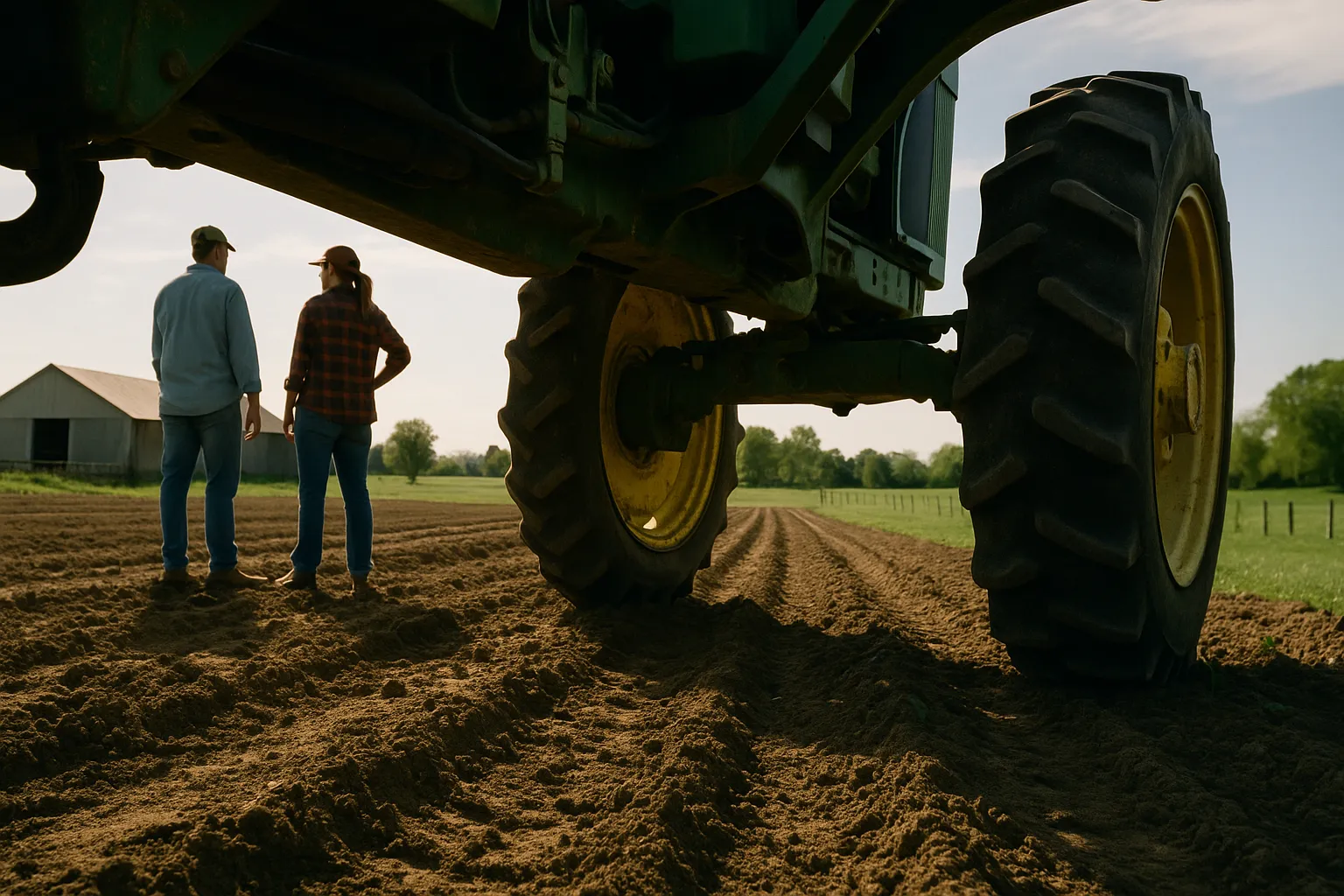
The USDA announced the National Proving Grounds Network for AgTech (NPG-Ag), a nationwide program to rigorously evaluate AI-powered farm technologies under real U.S. farming conditions before they reach commercial deployment. The initiative targets precision drones, autonomous equipment, and yield-prediction models — and explicitly prioritizes ensuring American farmers benefit from these tools before broader commercialization.
What the NPG-Ag Is
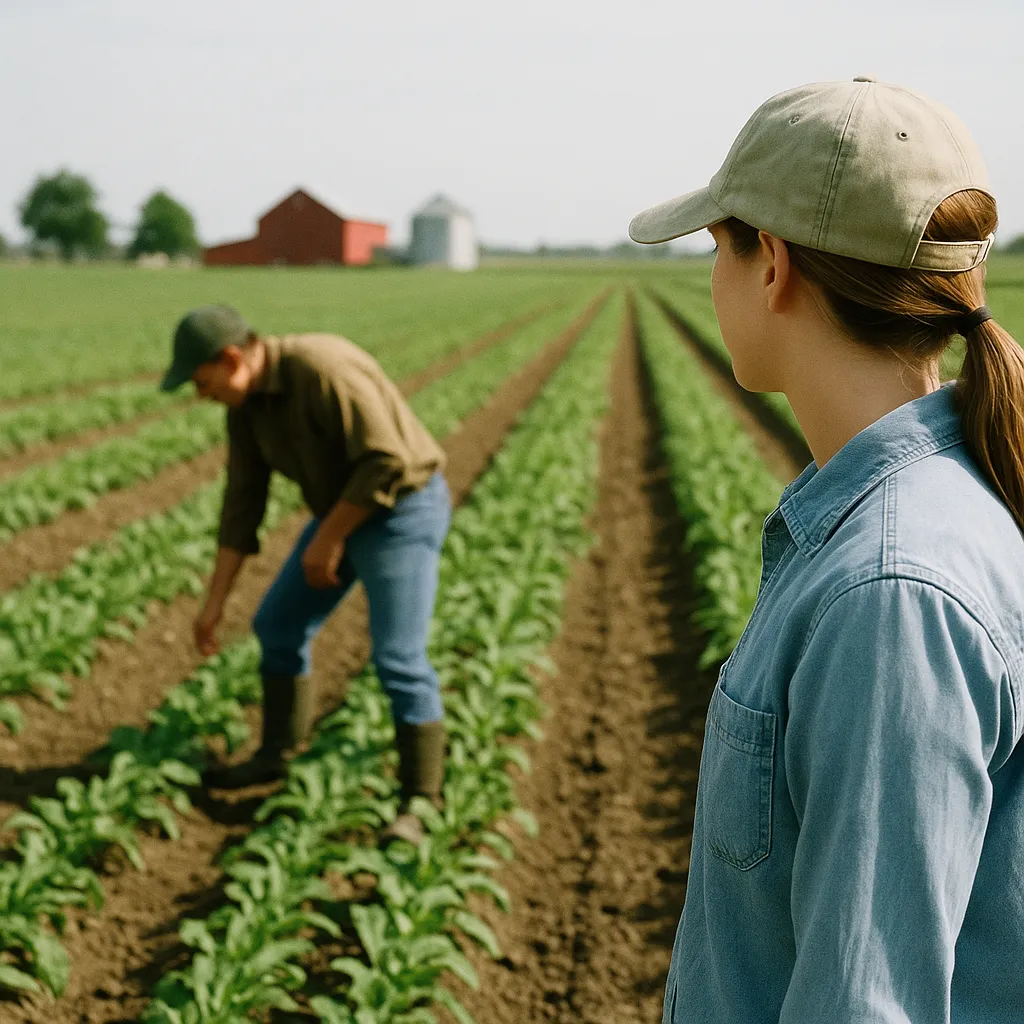
The National Proving Grounds Network is a coordinated system of test sites across different agricultural regions of the United States, designed to evaluate AgTech (agricultural technology) under the full diversity of conditions American farmers actually face: different soil types, climates, crop systems, terrain, and farm scales.
Precision drones — AI-guided unmanned aircraft for crop monitoring, spraying, and soil analysis
Autonomous equipment — self-driving tractors and implement systems
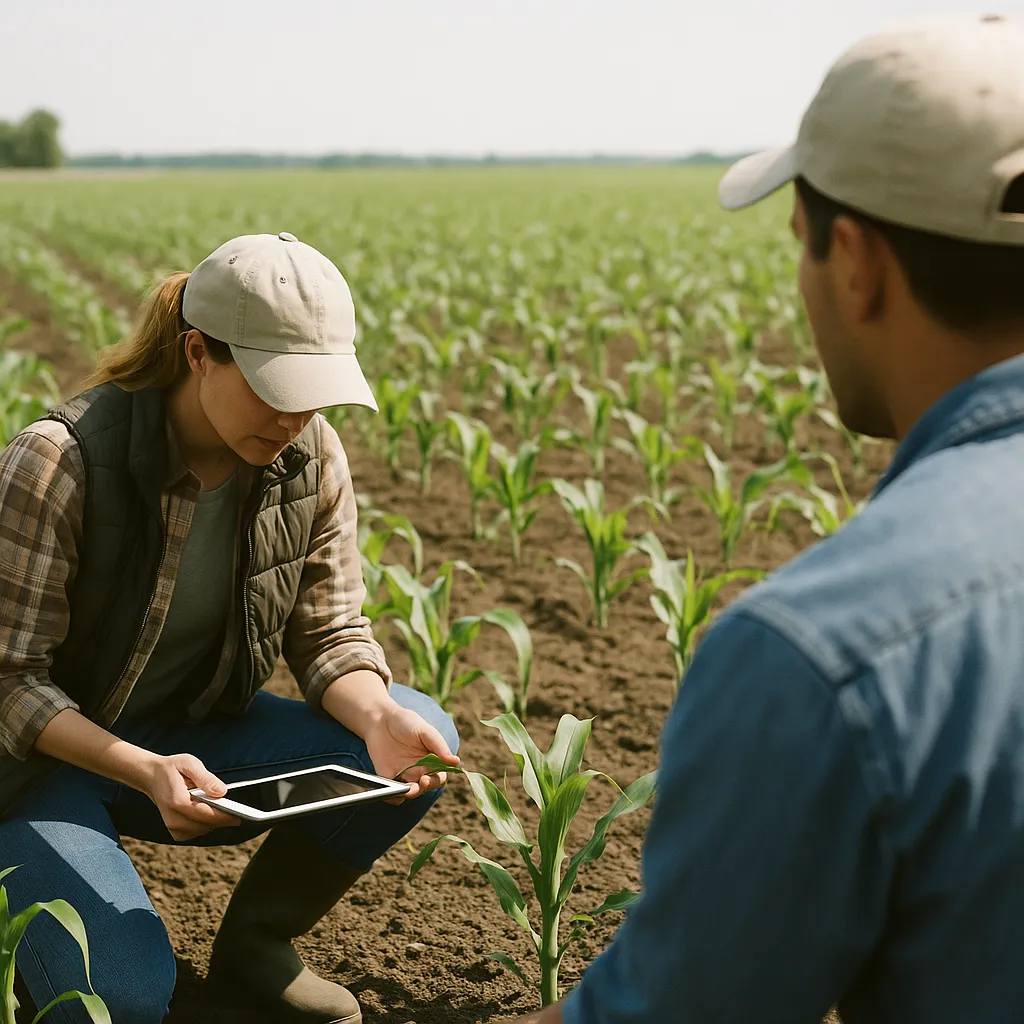
Yield-prediction models — AI that forecasts harvest outcomes based on satellite data, weather, soil sensors, and historical yields
Other AI-powered farm management tools as they emerge
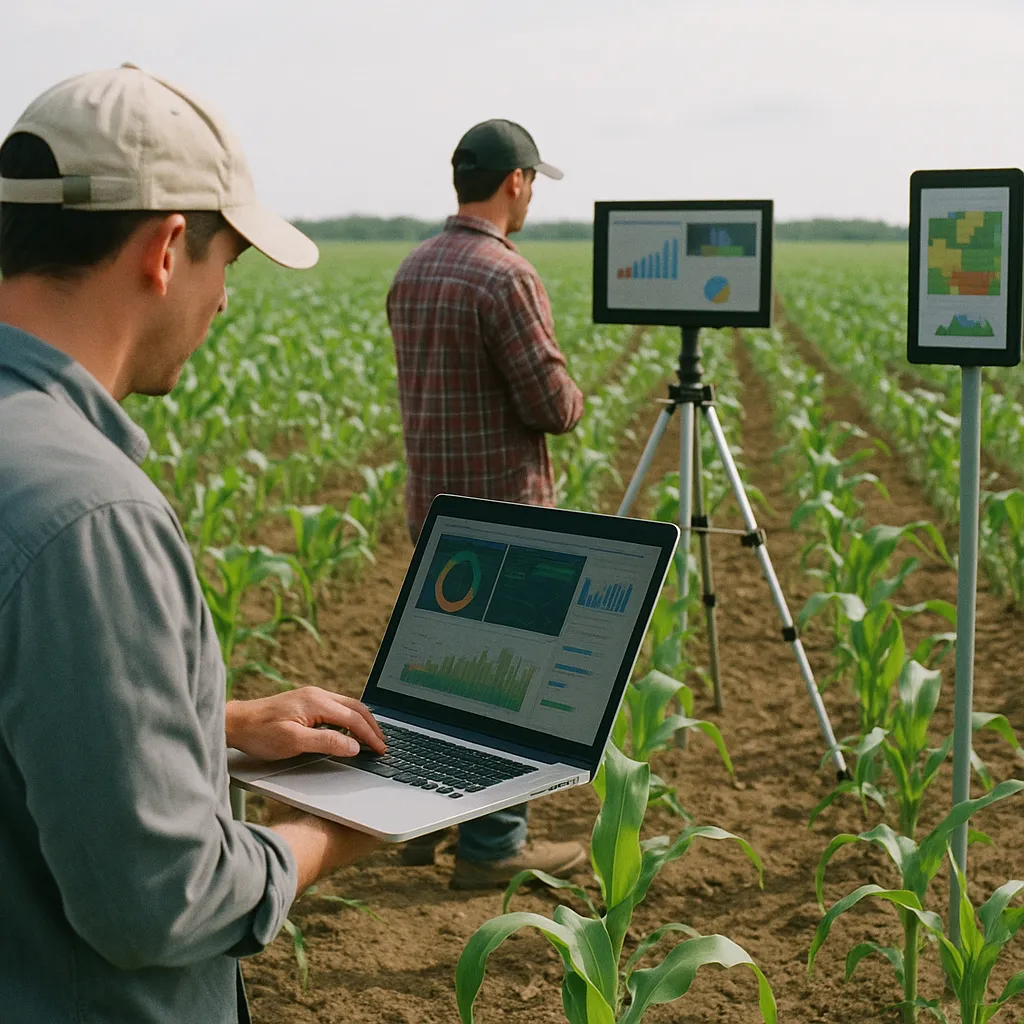
The key distinction from existing AgTech validation efforts is rigor and independence. Most AgTech companies conduct their own field trials and publish their own results — creating obvious validation bias. NPG-Ag is designed to be an independent evaluator, testing technology against standardized protocols and real farm conditions rather than ideal demonstration conditions.
Why This Matters for Farmers
AI-powered farm technology has attracted significant investment and attention, but its actual performance on American farms has been mixed. Precision agriculture tools that work reliably in Iowa's flat, uniform corn fields may perform poorly in the irregular terrain of an Appalachian vegetable farm. Yield-prediction models trained primarily on Midwest row crops may give unreliable forecasts for specialty crop producers.
Get this in your inbox.
Daily AI intelligence. Free. No spam.
Farmers who adopt expensive technology that underperforms face real financial consequences. In an agricultural sector already operating under thin margins and significant climate uncertainty, a bad technology investment can be genuinely damaging.
NPG-Ag is designed to de-risk adoption by answering the question every farmer considering an AI tool actually needs answered: does this work in conditions like mine?
The "Farmers First" Priority
The USDA's explicit framing — ensuring American farmers benefit first before broader commercialization — reflects a political and economic concern that AgTech benefits have historically flowed to the largest operations and to technology companies, rather than to mid-size and small farms.
Large commercial agriculture operations have internal engineering teams, data science capabilities, and capital to experiment with and customize AI tools. A 500-acre family farm does not. NPG-Ag's farmer-first mandate signals intent to ensure the network's findings are accessible and actionable for the full range of farm sizes and types, not just the operations that can already afford to self-evaluate.
This distinction matters because the farms that stand to benefit most from productivity-improving AI are often the farms least equipped to evaluate and adopt it on their own.
What to Watch
Watch which AgTech companies submit their products to NPG-Ag evaluation — voluntary participation signals confidence in independent testing. Companies that resist independent validation while aggressively marketing AI performance claims are worth examining closely. Also watch whether state land-grant universities, which have historically run agricultural extension programs for exactly this purpose, are integrated into the network as regional evaluation sites.
Hector Herrera is an AI systems architect and the founder of Hex AI Systems. He designs and runs AI systems in production and writes daily about how AI is reshaping business, government and everyday life. 20+ years building for the web. Houston, TX.