The global AI-in-agriculture market hit $3.37 billion in 2026, up 24.5% — and farm operators are done accepting pilot results. They want documented ROI, and vendors are now under pressure to deliver it.
2026 Is the Proof Year for Precision Agriculture AI — Farmers Are Demanding Real ROI
By Hector Herrera | May 16, 2026 | Vertical: Agriculture
Agricultural technology executives and analysts are calling 2026 the "precision, prediction, and proof" year for farm AI — the inflection point when operators stop accepting pilot results and demand documented commercial returns. Industry analysts at World Agri-Tech tracking the sector agree: the global AI-in-agriculture market hit $3.37 billion in 2026, up 24.5% year-over-year, and the money is now following operators who can show yield gains, water savings, or labor cost reductions in real deployments — not demo plots.
Why "Proof" Is the Word of the Year
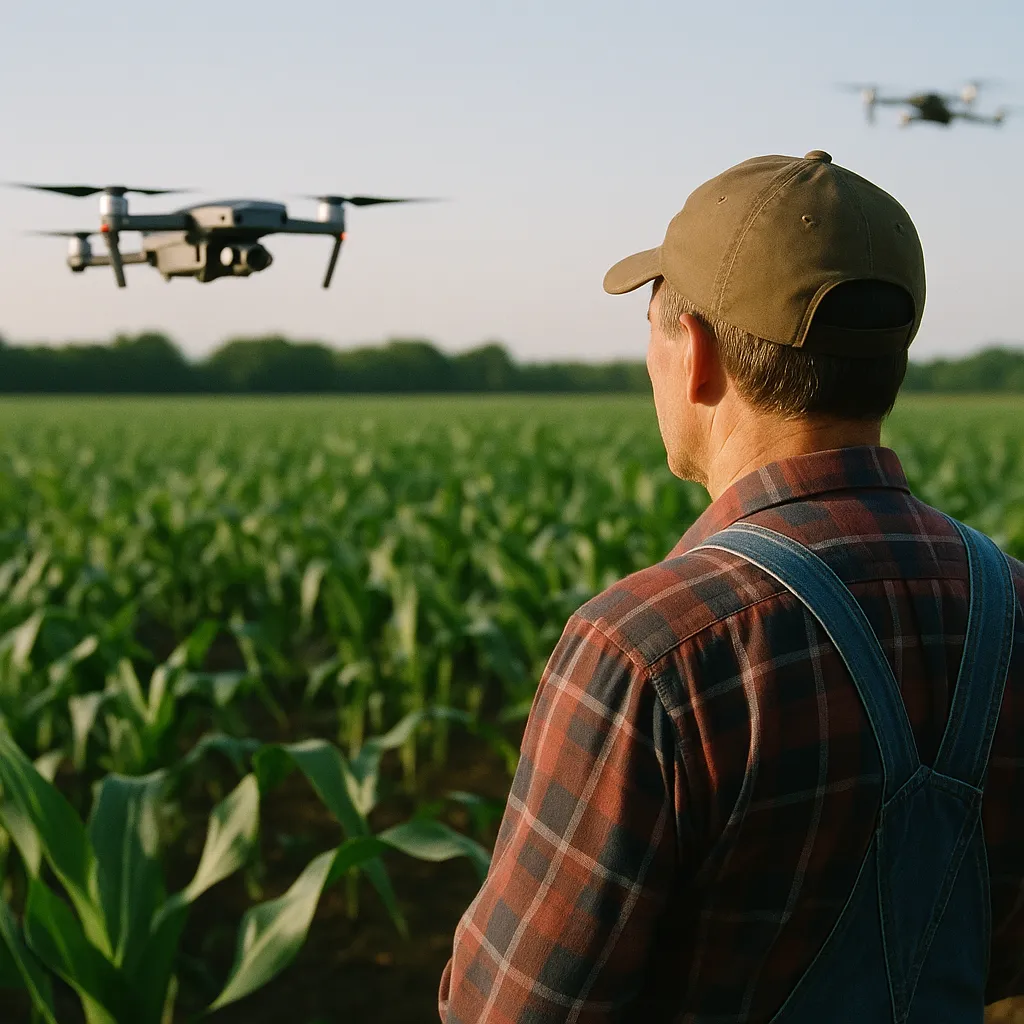
Precision agriculture — using AI, sensors, drones, and data analytics to optimize crop production — has been one of the most consistently hyped sectors in applied AI for nearly a decade. The promise was always compelling: farming is deeply data-rich (soil chemistry, weather patterns, crop growth cycles), and AI's pattern recognition should theoretically generate significant efficiency gains.
But adoption has been fragmented. Pilots proliferated; commercial scale didn't always follow. Farm operators, particularly those running mid-size and smaller operations, watched two or three pilot programs generate interesting data without translating to measurable yield improvement or cost savings they could put on a balance sheet.
The 2026 inflection is driven by three forces converging simultaneously:
Get this in your inbox.
Daily AI intelligence. Free. No spam.
- Tighter farm economics — input costs (fertilizer, water, labor) remain elevated, compressing margins and forcing operational efficiency
- Vendor consolidation — the AgTech landscape has been rationalizing since 2024, and the companies still standing have better products and clearer ROI data
- Operator experience — farmers who ran pilots are now either committing to full deployment or demanding harder evidence before investing further
What Commercial AI Is Actually Delivering
Leading precision agriculture platforms are now reporting real-world benchmarks that go beyond controlled trials:
- Water reduction of 20–50% in AI-guided irrigation systems deployed across commercial operations in water-stressed regions
- Yield improvements up to 30% in controlled deployments using AI-driven soil management and precision fertilization
- Autonomous equipment handling planting, spraying, and harvesting tasks in labor-constrained operations — reducing the dependence on seasonal labor that has been a persistent operational risk
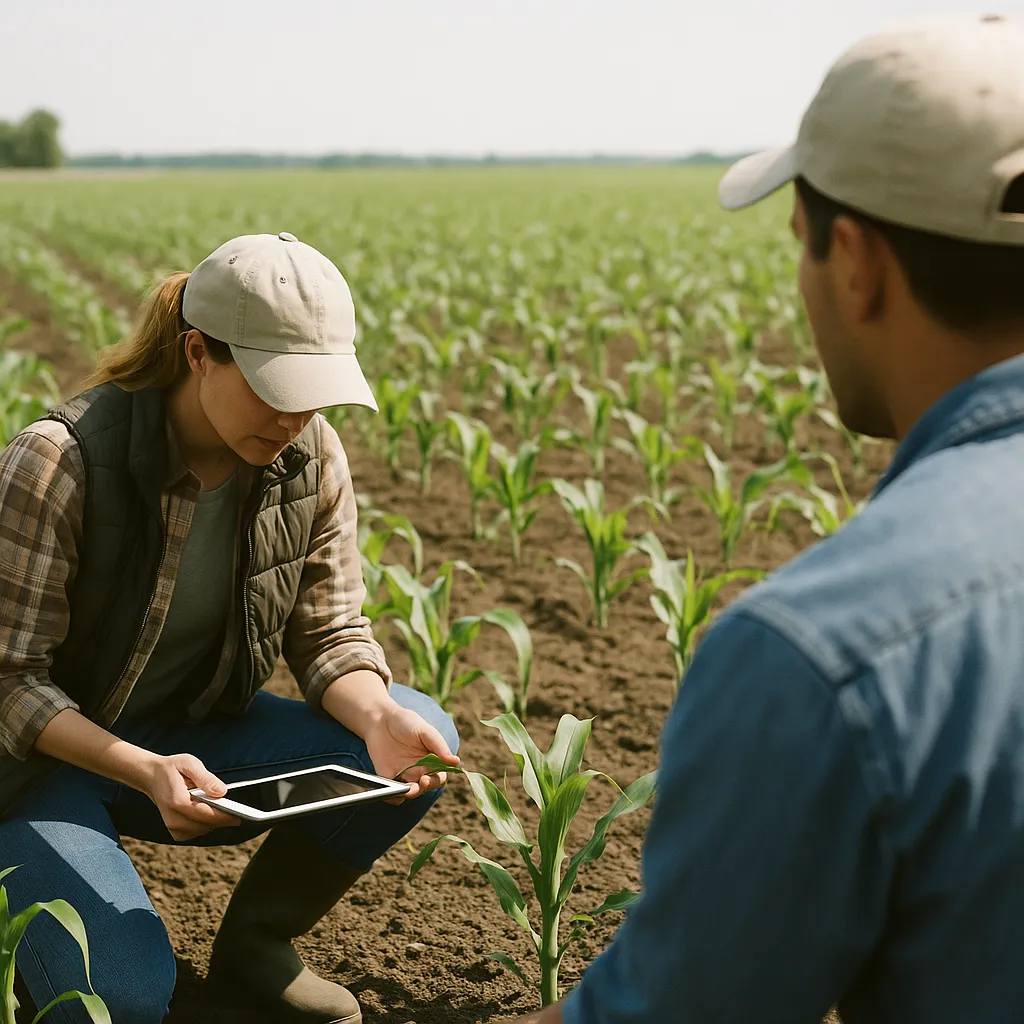
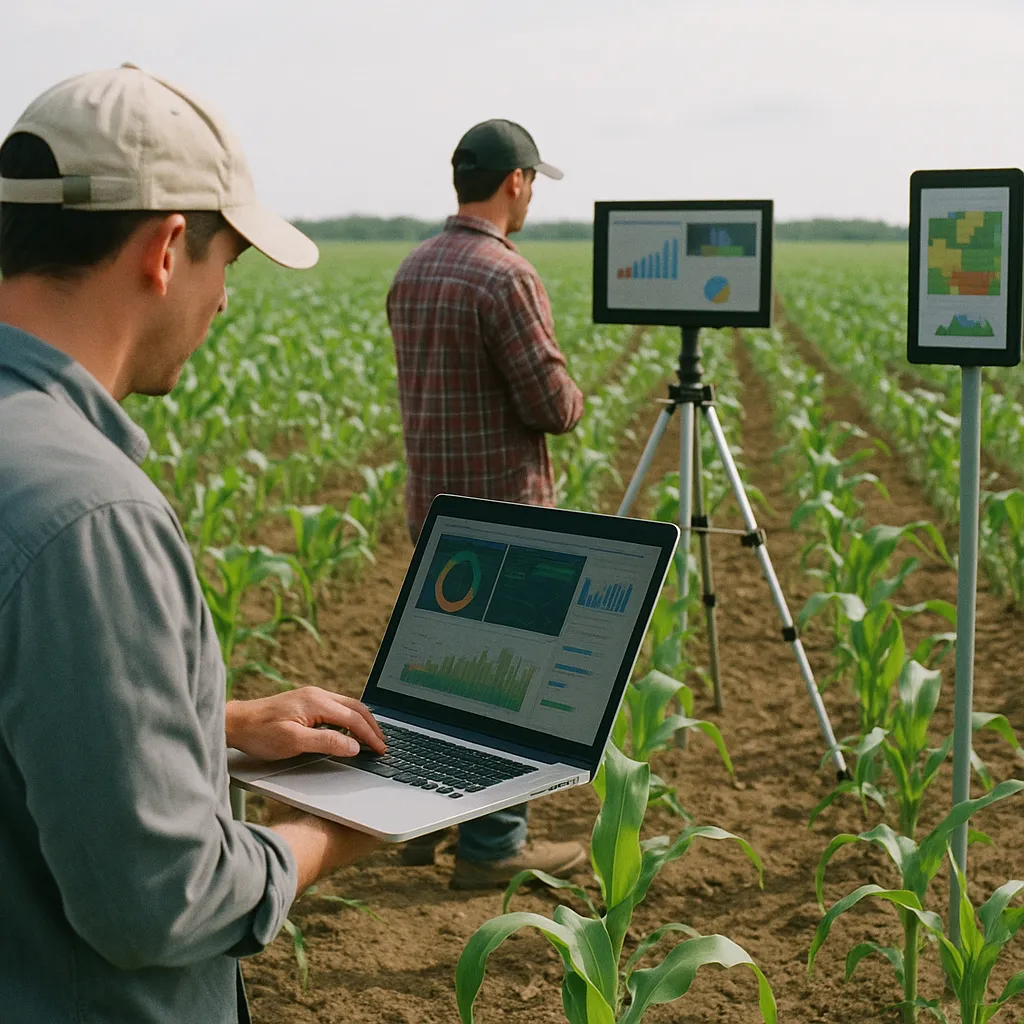
- Real-time IoT-based monitoring — soil sensors, pest detection cameras, and weather integration that move from quarterly field assessments to continuous data streams
These aren't lab results. They're coming from commercial farms that adopted AI tools at scale and are reporting performance data to vendors and investors who have incentive to publish it accurately.
Who Is Getting Left Behind
The proof year dynamic has a shadow: the farms seeing the best AI results are large commercial operations. They have the capital to invest in sensor networks and platform subscriptions, the data volumes that make AI recommendations more accurate, and the technical staff to integrate and interpret the tools.
Mid-size and small farms — which represent the majority of U.S. agricultural operations by count — remain largely outside the precision AI adoption curve. The cost of entry is still high relative to the margin structure of smaller operations, and the ROI timeline can stretch beyond what farm credit allows.
The 2026 Farm Bill debate includes provisions for AgTech subsidies and rural broadband expansion that could change this calculus. Without connectivity, remote precision agriculture tools don't function. Without capital support, the upfront investment is prohibitive. Policy infrastructure is as important as technology infrastructure for this market to reach its stated potential.
The Global Stakes
Agricultural AI isn't just an efficiency story. It sits at the intersection of food security, climate adaptation, and water stewardship — three of the most consequential resource challenges of the next 30 years.
- Water: Agriculture consumes approximately 70% of global freshwater withdrawals. AI-guided precision irrigation directly addresses the largest single-use pressure on freshwater resources.
- Climate: Shifting precipitation patterns, rising temperatures, and more frequent extreme weather events require adaptive crop management that static planning can't handle. AI models that process real-time environmental data and adjust recommendations accordingly are one of the few scalable responses.
- Food supply: The global population continues to grow toward 10 billion. Producing more food on the same or less land, with less water and fewer chemical inputs, is the core challenge. Precision AI is a genuine lever.
What to Watch
Whether the commercial ROI data accumulating in large-scale deployments creates the evidence base needed to drive adoption down the farm-size curve. Also watch the consolidation of AgTech vendors — the remaining players after the 2024–2025 rationalization period will define what precision agriculture looks like for the next decade. Companies that can't demonstrate commercial ROI by end of 2026 will face significant capital headwinds heading into 2027.
Hector Herrera covers AI in agriculture, energy, and the systems shaping the physical world. He is the founder of Hex AI Systems.
Did this help you understand AI better?
Your feedback helps us write more useful content.
Get tomorrow's AI briefing
Join readers who start their day with NexChron. Free, daily, no spam.