The 2026 Farm Bill routes federal precision agriculture subsidies through AI platforms controlled by major tech companies — raising concerns about long-term data lock-in for American farmers.
2026 Farm Bill Quietly Hands Big Tech Control Over AI-Driven Precision Agriculture Subsidies
By Hector Herrera | June 8, 2026 | Agriculture
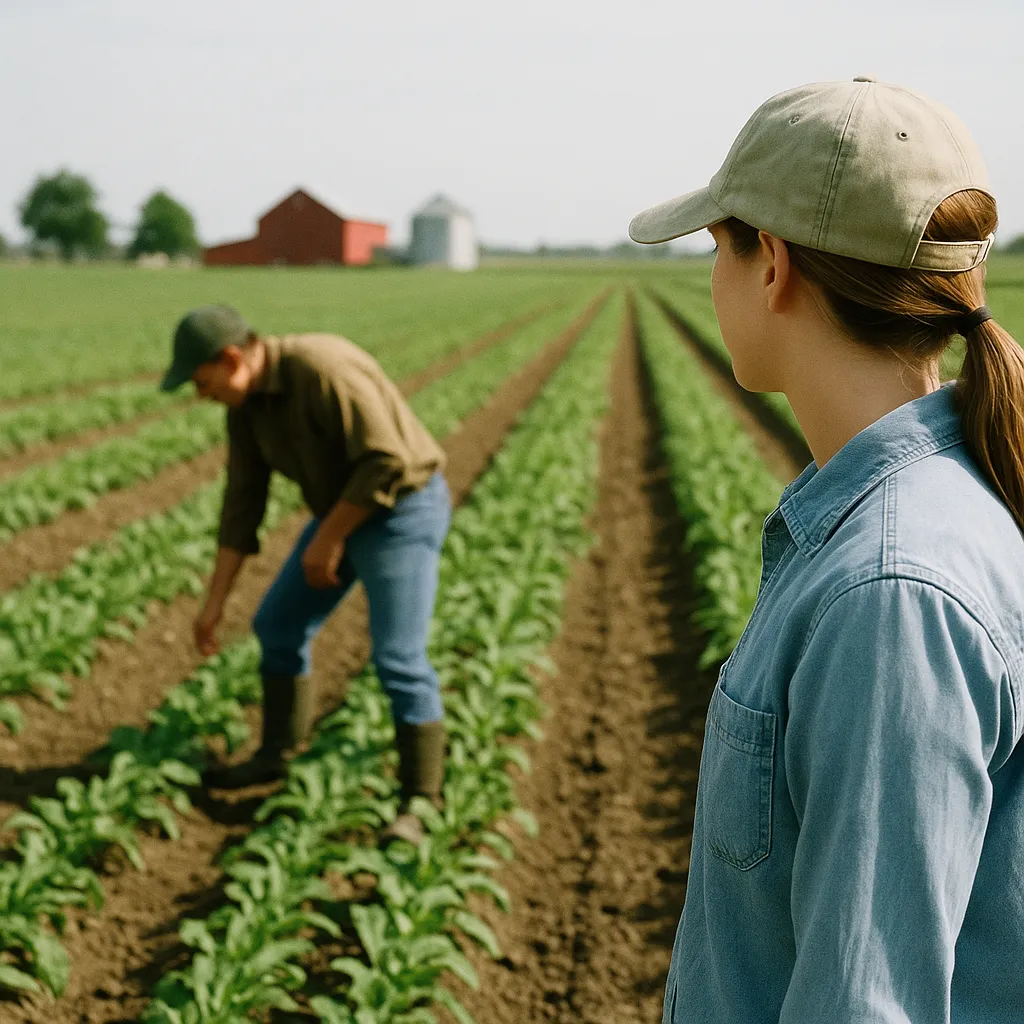
Buried in the 2026 Farm Bill is a provision that channels federal precision agriculture subsidies through AI platforms controlled by major technology companies — giving Big Tech unprecedented influence over how American farmland is managed and what data it generates. Fortune's investigation into the rewritten Environmental Quality Incentives Program (EQIP) found the language essentially hands AI platform vendors a government-subsidized foothold in U.S. agriculture. The debate over that tradeoff is fracturing the farm policy world.
EQIP is the USDA's primary conservation cost-share program, distributing billions annually to farmers who adopt practices that improve soil health, water quality, and resource efficiency. For decades it covered cover crops, irrigation upgrades, and drainage improvements. The 2026 Farm Bill expands EQIP's definition of eligible precision agriculture investments — and in doing so, routes a significant share of those funds into AI-powered farm management platforms operated by a handful of large technology and agtech companies.
What the Provision Does
According to Fortune's reporting, the Farm Bill language as written:
- Designates AI-enabled precision agriculture platforms as eligible EQIP cost-share investments
- Does not require open data standards or data portability for platforms receiving subsidy funds
- Allows vertically integrated agtech companies to onboard farmers into proprietary systems using taxpayer money as the entry subsidy
- Includes no cap on the share of EQIP funds flowing to any single vendor's platform
Critics in the farm policy community are calling the provision a taxpayer-subsidized data grab. The concern is straightforward: once a farm's field data — soil composition, yield history, input usage, drainage patterns — is inside a proprietary AI platform, migrating to a competitor is prohibitively expensive. Federal subsidies that make initial adoption free or cheap accelerate lock-in without farmers fully understanding the long-term data dependency they're entering.
Get this in your inbox.
Daily AI intelligence. Free. No spam.
The Case for the Provision
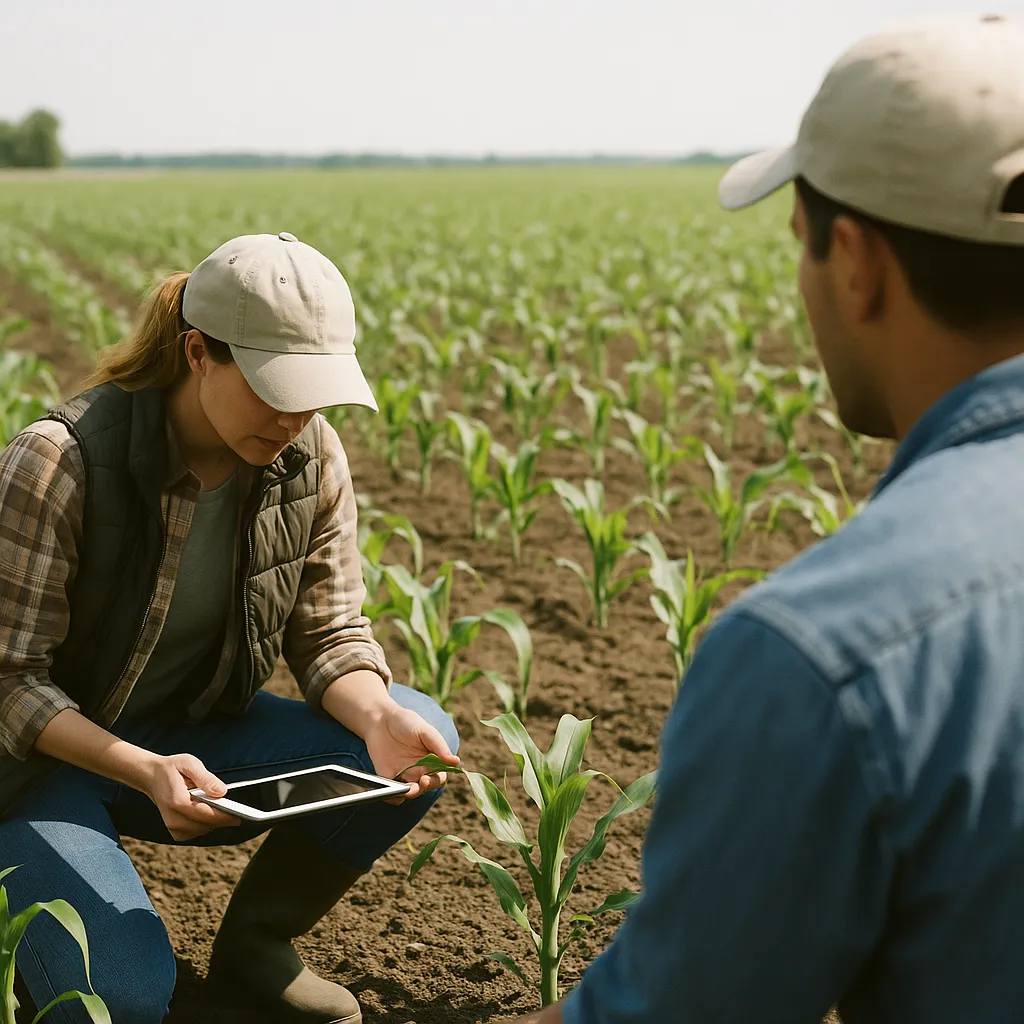
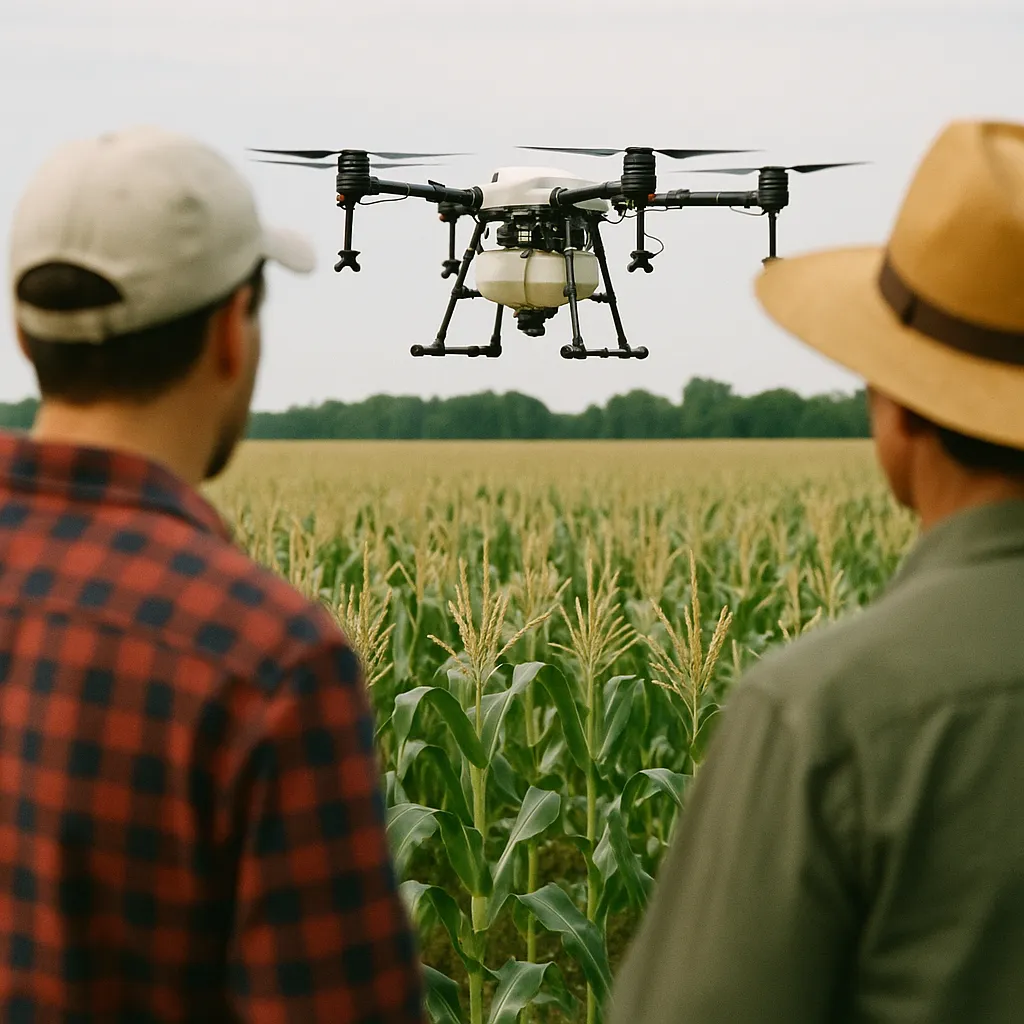
Supporters argue the alternative is worse. AI-powered precision agriculture — variable rate seeding, predictive irrigation, real-time disease detection — delivers measurable yield improvements and input cost reductions. Smaller and mid-size farms that couldn't afford these platforms independently now have a path to adoption. From this perspective, the provision accelerates a technology transition that benefits both farmers and the broader environmental goals EQIP was designed to advance.
USDA data supports the yield argument: farms using AI-enabled precision agriculture report 8–15% reductions in fertilizer and water input per acre while maintaining or improving yields, according to agency analysis cited in the bill's committee markup.
The Data Ownership Problem
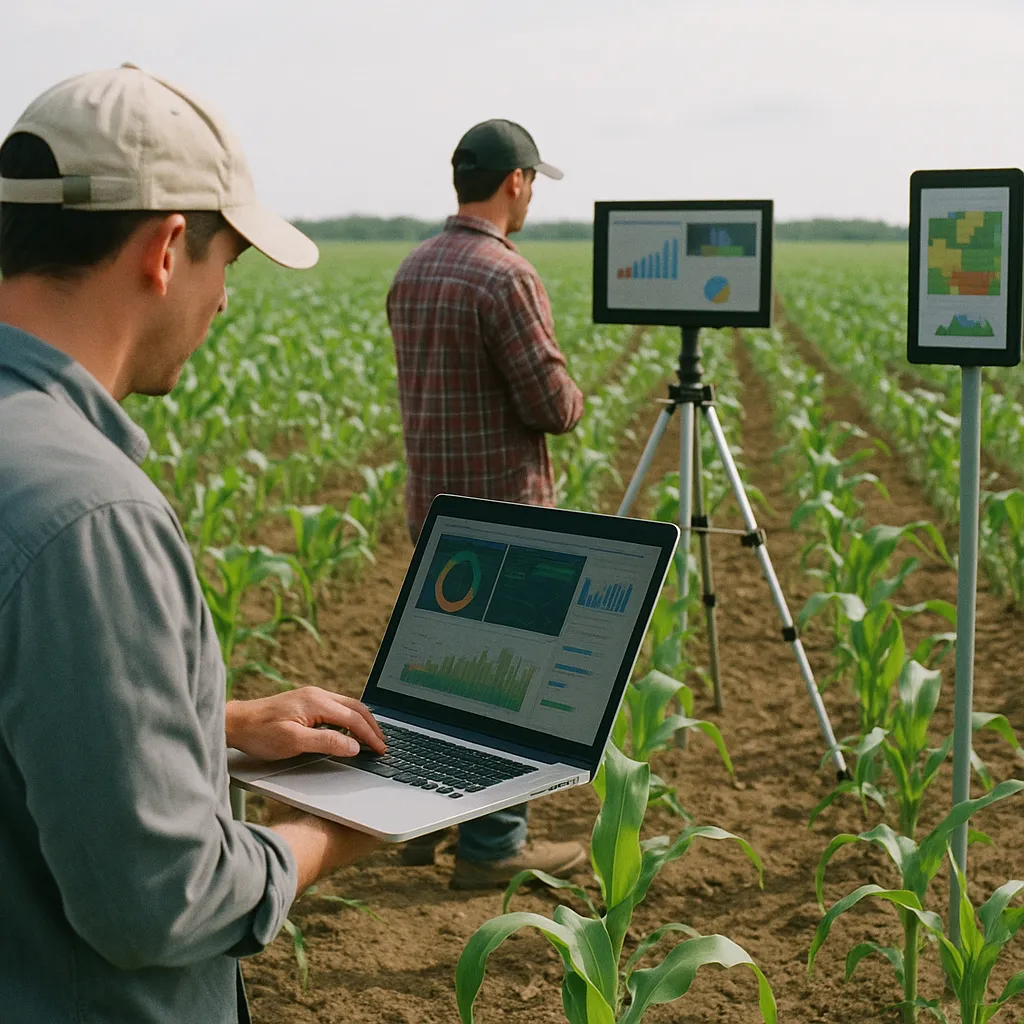
What supporters and critics agree on is that data ownership is the unresolved fault line. AI platforms improve with more data — a platform with field records from 50,000 Corn Belt farms has a prediction accuracy advantage that a new entrant cannot replicate without years of data collection. That competitive moat, built in part on government-subsidized farmer data, raises questions that go well beyond agriculture.
The companies best positioned to absorb the subsidy flow include John Deere's Operations Center, Climate Corporation (Bayer), Trimble Agriculture, and emerging AI-native platforms backed by venture capital. Several have existing USDA partnerships and are already integrated with Farm Service Agency data systems.
What This Means for Farmers
In the near term, farmers who adopt EQIP-eligible AI platforms get real financial assistance for tools that genuinely improve operations. The risk materializes 5–10 years out, when data dependency becomes visible and costly. A farmer whose entire decision-making infrastructure — planting recommendations, input applications, yield projections — runs on a single proprietary platform faces pricing leverage, service disruption risk, and limited ability to comparison-shop.
Farm advocates are pushing for a data portability amendment before the bill is finalized that would require any EQIP-eligible platform to allow farmers to export their own data in a standard format. As of this writing, that amendment has not been included in the working draft.
What to Watch
The Farm Bill's final language on data portability requirements will determine whether this provision becomes a genuine technology access program or a long-term lock-in mechanism. Agricultural committees are expected to finalize the bill before the fall planting season, making the next 60 days the critical window for advocacy on data rights amendments. Whether Big Tech-aligned interests or independent farm groups prevail on that narrow question will shape American agriculture's digital infrastructure for a generation.
Did this help you understand AI better?
Your feedback helps us write more useful content.
Get tomorrow's AI briefing
Join readers who start their day with NexChron. Free, daily, no spam.