AI precision agriculture tools are delivering real gains on commercial farms, but the 80% of the world's farmers who operate smallholder plots face structural barriers the technology wasn't designed to address.
AI Precision Agriculture Is Booming — But 80% of the World's Farmers Could Be Left Behind
By Hector Herrera | June 7, 2026 | Agriculture
AI-powered precision agriculture is delivering real gains in yield prediction, pest detection, and water efficiency — but the benefits are concentrating almost entirely in regions with capital, connectivity, and large-scale farms. A new analysis warns that without targeted intervention, AI won't close the global agricultural productivity gap. It will deepen it.
The roughly 80% of the world's farmers who operate smallholder plots — typically fewer than two hectares of mixed-crop land — face compounding barriers that precision agriculture's current design doesn't address. The technology exists. The access doesn't.
What Precision Agriculture AI Can Do
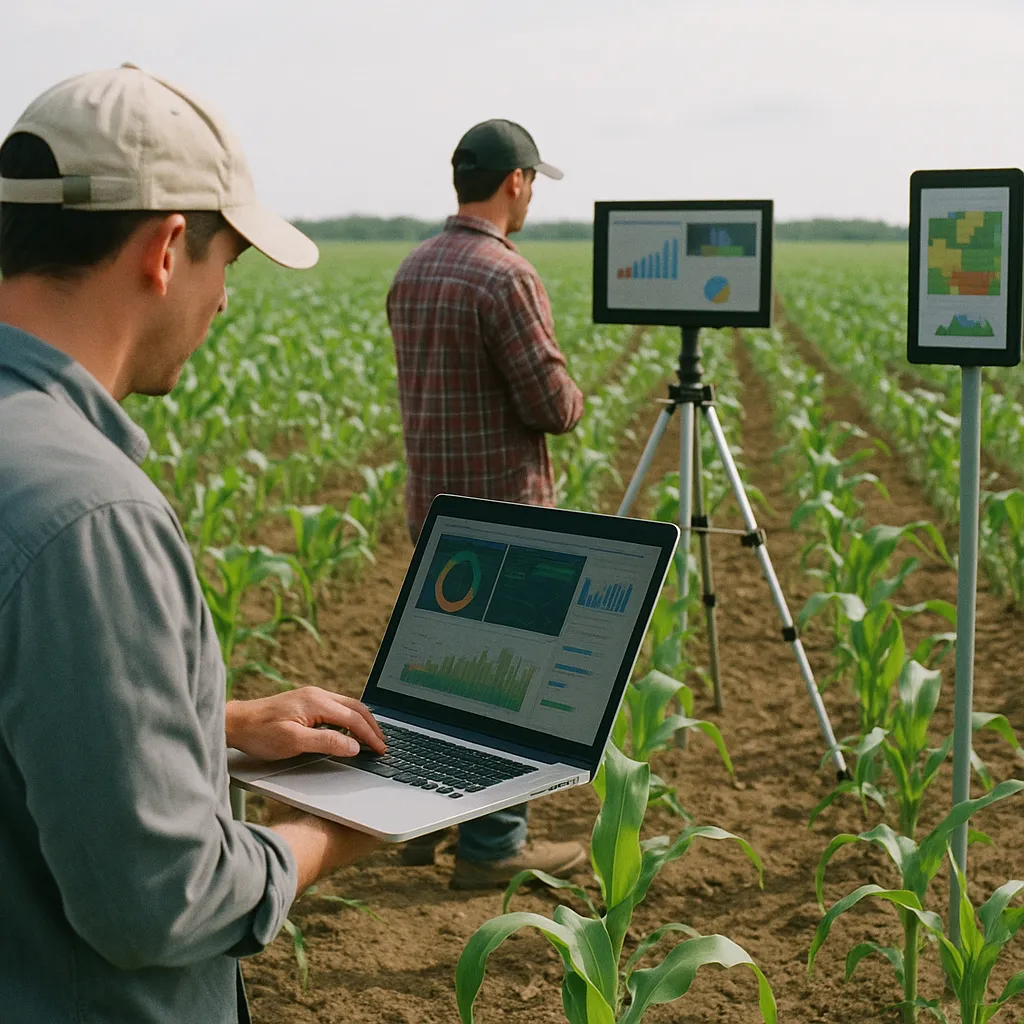
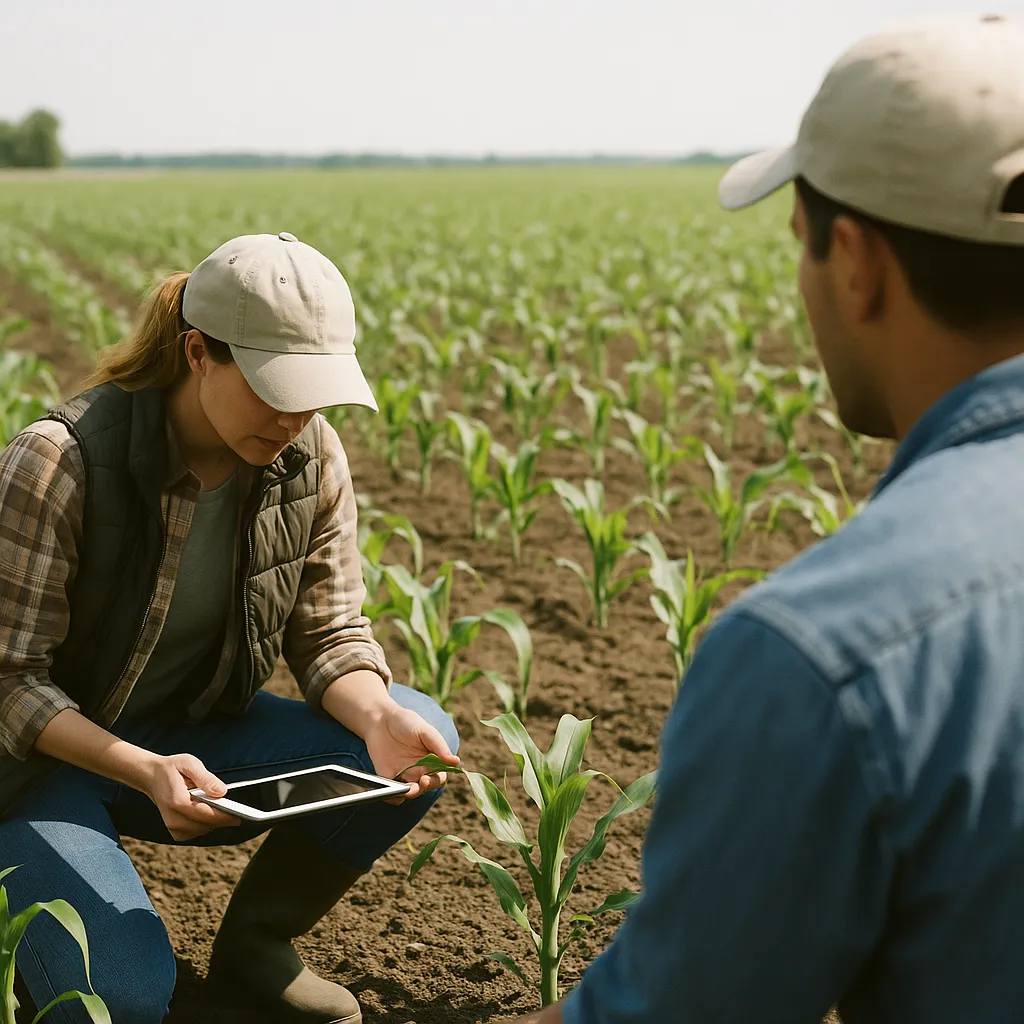
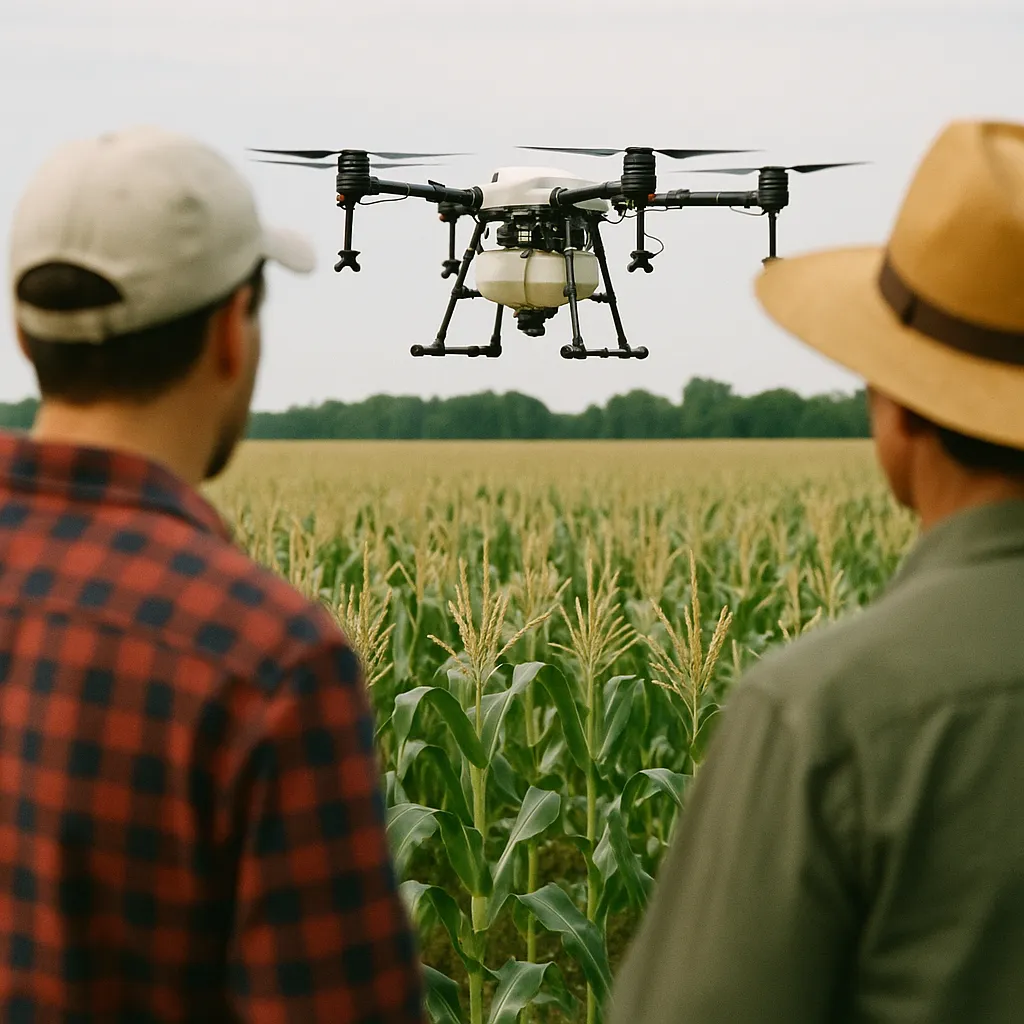
At its best, precision agriculture AI does things human operators cannot do at scale: it monitors crop health acre by acre using satellite and drone imagery, predicts pest pressure days before visual symptoms appear, optimizes irrigation schedules based on soil moisture sensors and local weather forecasts, and recommends fertilizer application rates tuned to specific field zones rather than averaged across an entire farm.
According to a Phys.org analysis, these tools have demonstrated measurable yield improvements and input cost reductions in controlled deployments — primarily on large commercial farms in North America, Australia, and parts of Europe. The return on investment is real. So is the concentration of benefit.
The Smallholder Problem
Eighty percent of the world's farmers are smallholders, operating plots in sub-Saharan Africa, South Asia, Southeast Asia, and Latin America. They grow a disproportionate share of the food consumed in developing economies. And they face barriers that precision agriculture's current tools weren't designed to overcome.
The barriers are structural, not incidental:
Get this in your inbox.
Daily AI intelligence. Free. No spam.
1. Connectivity. AI-driven farm management requires data upload and model inference, which requires internet connectivity. Reliable broadband doesn't exist across most smallholder farming regions. Satellite internet (Starlink and its competitors) is expanding coverage but not at the price points smallholder farmers can afford.
2. Training data. The machine learning models underlying precision agriculture tools were trained overwhelmingly on large-scale monoculture operations — corn and soy in the U.S. Midwest, wheat in Ukraine, rice paddies in Japan. Smallholder plots in West Africa or Bangladesh typically involve mixed cropping — multiple crops grown simultaneously on a single plot — that generates sensor and imaging patterns the models weren't trained to interpret. A pest-detection model trained on monoculture data can generate unreliable or actively wrong recommendations when applied to intercropped millet and cowpea.
3. Data ownership. Where precision agriculture tools do reach smallholder farmers — often via NGO or government programs — the data generated by those farmers' plots typically flows to the technology provider, not back to the farmer. Smallholders have near-zero visibility into how their data is used, what insights it generates, or how to transfer those insights if they switch platforms.
4. Capital and risk. Even low-cost precision agriculture subscriptions represent a meaningful portion of smallholder income. When a bad-season recommendation from an AI system costs a family their annual food security, the downside risk is existential in a way it isn't for a commercial farm operator.
What the Productivity Gap Looks Like
The Phys.org analysis frames the risk clearly: as AI tools improve yields and reduce costs for large-scale commercial agriculture, the production cost advantage of large farms over smallholders grows. Smallholders already compete on thin margins; precision agriculture's commercial adoption widens the margin gap further. The result is accelerated land consolidation — the economic pressure that causes smallholder farmers to sell or abandon their plots to larger operations.
This isn't an abstract policy concern. It's a food security scenario. Smallholder farmers supply the majority of food consumed domestically in many developing economies. Their exit from farming doesn't just affect them — it affects regional food availability.
What Would Actually Help
Researchers and agricultural development organizations point to a set of interventions that would meaningfully extend precision agriculture's benefits to smallholder contexts:
- Locally trained models. AI tools trained on mixed-crop, smallholder-scale data from target regions — not models fine-tuned on commercial farm data. This requires investment in data collection from underrepresented farming systems.
- Offline-capable tools. Models that run locally on low-cost Android devices, sync when connectivity is available, and function with degraded accuracy (rather than failing completely) when offline.
- Farmer data rights. Requiring that farmers retain ownership of and access to their plot data, with portability between platforms.
- Subsidized access programs. Government and development bank-funded subscriptions that make precision agriculture tools economically accessible at smallholder scale.
Some of this is happening. Microsoft's FarmBeats program and several World Bank-funded agritech pilots have made progress. But the scale remains small relative to the problem.
What to Watch
The 2026 global harvest cycle will produce another year of data on the yield gap between AI-enabled commercial agriculture and smallholder production. The political and economic pressure to address that gap — from food security advocates, development banks, and climate adaptation programs — is building. Watch for new international frameworks addressing AI in agriculture at the UN Food Systems Summit process and COP30 agricultural working groups later this year.
The tools exist to extend precision agriculture's benefits broadly. The question is whether the development funding and policy frameworks to do it will arrive before the productivity gap becomes irreversible.
Sources: Phys.org
Did this help you understand AI better?
Your feedback helps us write more useful content.
Get tomorrow's AI briefing
Join readers who start their day with NexChron. Free, daily, no spam.