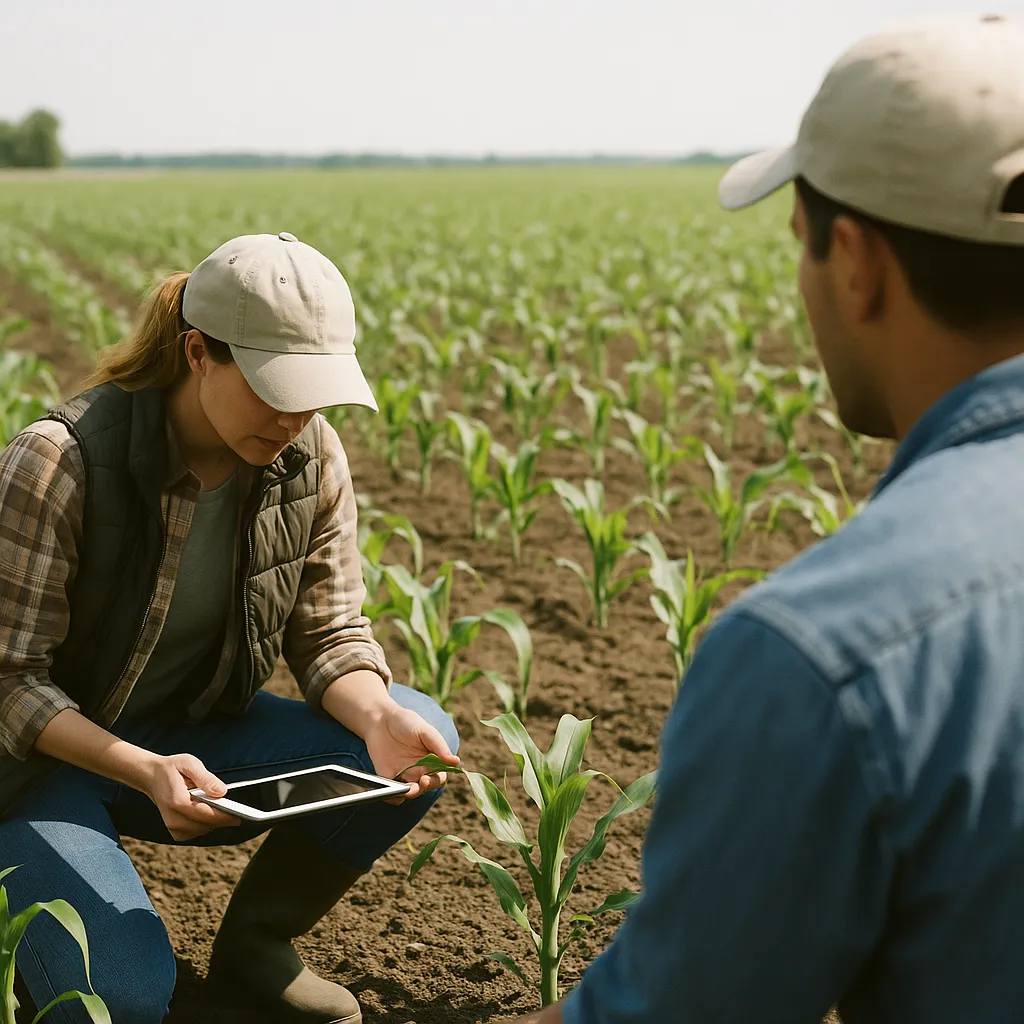
Variable-rate technology, AI yield prediction, and smart irrigation are delivering quantified savings in documented cases — though climate volatility and the digital divide challenge global adoption.
Agriculture 2026: AI Moves From Hype to Measurable ROI — and Farmers Are Demanding Proof
By Hector Herrera | June 9, 2026 | Agriculture
Farmers have stopped asking what AI can do and started demanding documented evidence that it pays. In 2026, in a growing number of documented deployments, it does. ICL Group's analysis of agriculture in 2026 finds that variable-rate technology, AI-powered yield prediction, and smart irrigation are delivering quantified savings on inputs and water use — though climate volatility and the digital divide continue to challenge adoption at scale, particularly for smallholder and emerging-market farmers.
What's Actually Working in the Field
The gap between AI in agriculture's marketing pitch and its operational reality has been wide for most of the past five years. Precision agriculture vendors promised yield optimization and input savings. Farmers, operating on tight margins with little tolerance for tools that require IT support, were skeptical — and often right to be.
The 2026 shift is that the ROI claims are now backed by documented field data, not vendor projections. The categories with the clearest evidence:
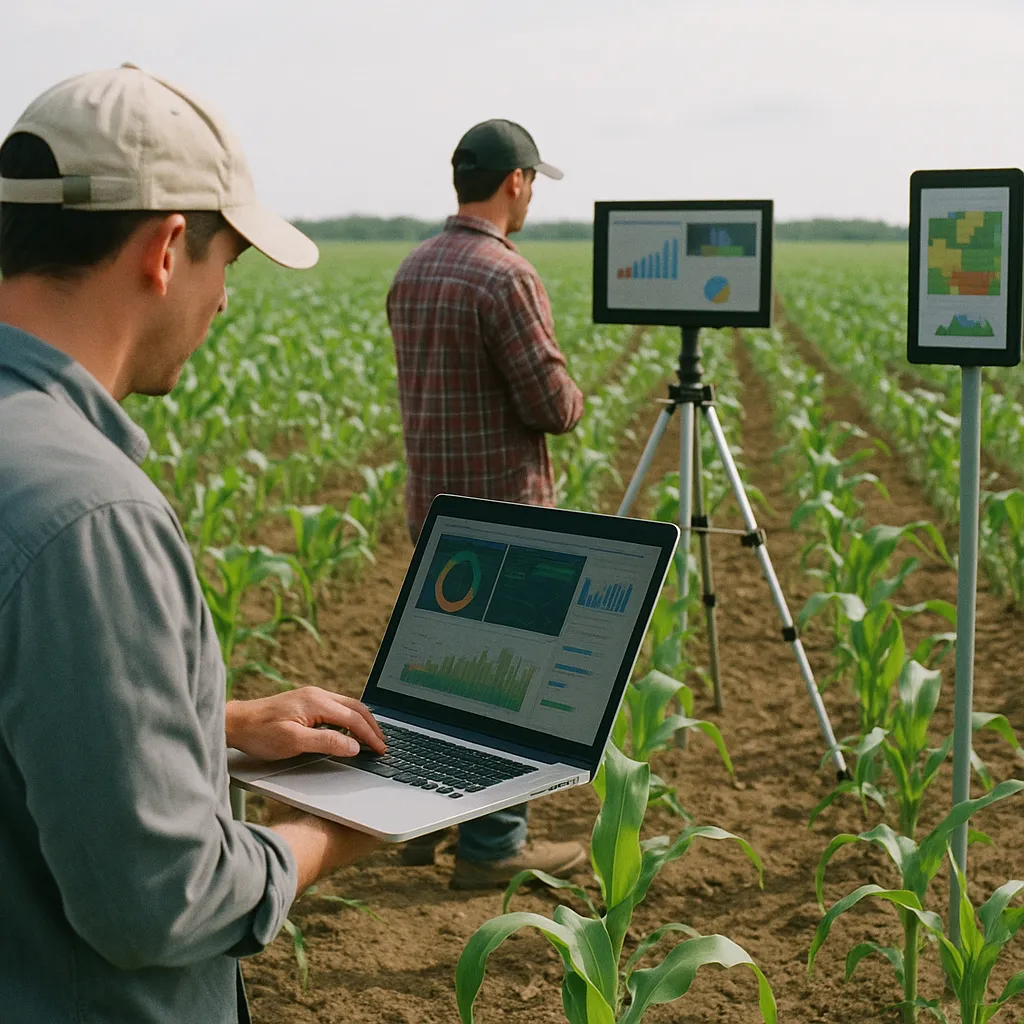
Variable-rate technology (VRT): AI-driven VRT systems prescribe differentiated fertilizer and pesticide application rates across a single field, based on soil sensor data, satellite imagery, and historical yield maps. In documented cases, farms running VRT are reducing total input volume by 10–20% while maintaining or improving yields — a direct hit on one of the industry's highest cost lines.
AI yield prediction: Machine learning models trained on weather data, crop genetics, soil profiles, and historical yield records are narrowing forecast ranges from ±15% (traditional agronomist estimate) to ±5–7% in favorable data environments. Tighter yield forecasts allow farmers and ag lenders to make better financing, storage, and marketing decisions.
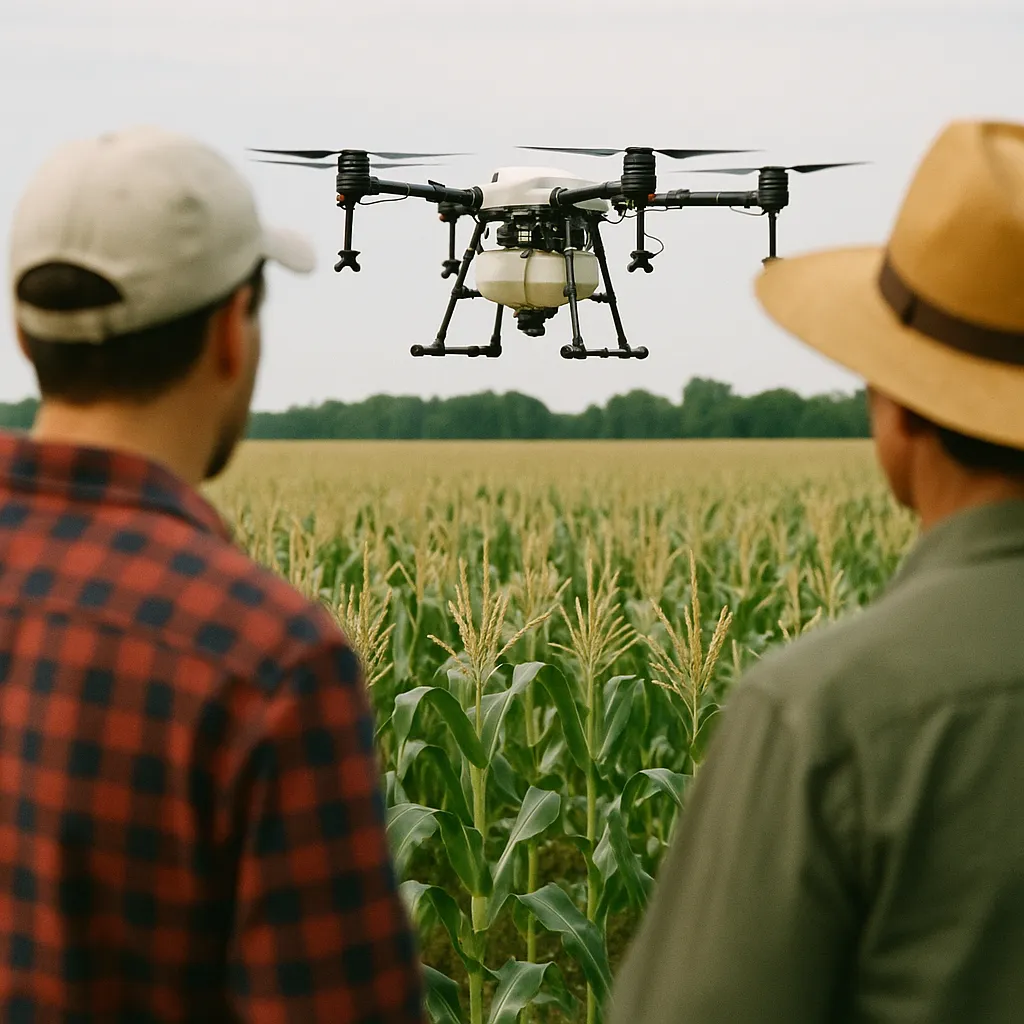
Smart irrigation: AI-controlled irrigation systems that integrate soil moisture sensors, evapotranspiration models, and weather forecasts are reducing water consumption by 20–30% in documented deployments — a critical outcome in water-stressed growing regions across California, Spain, and parts of India and Brazil.
Get this in your inbox.
Daily AI intelligence. Free. No spam.
The Demand Side Shift
What's changed isn't just the technology — it's the buyer. According to the ICL analysis, farmers and agronomists in 2026 are demanding proof-of-ROI before adoption. That has forced ag tech vendors to move from demo-phase vaporware to documented case studies with quantified outcomes attached.
This is a healthy market correction. The ag tech sector has been littered with well-funded startups that built impressive demos but couldn't survive contact with actual farm economics. The vendors surviving 2026 are those that built tools around measurable outcomes — input cost reduction, yield per acre, water-use efficiency — rather than around "digital transformation" narratives that don't translate to a P&L line.
The Climate Volatility Complication
AI's ROI case in agriculture hits a structural headwind: climate volatility is making prediction harder, precisely as AI tools are getting better at prediction. Extreme weather events — drought, flood, late frost, heat stress during pollination — introduce variance that even sophisticated AI models can't fully absorb into their forecasts.
The practical result is that AI delivers its strongest ROI in stable or moderately variable weather environments and sees compressing returns in high-volatility growing seasons. For farmers in climate-exposed geographies, AI is a useful tool in a risk management toolkit, not a guarantee.
The Digital Divide Challenge
The farms seeing the clearest AI ROI are, by and large, the farms that already had the infrastructure to capture data: soil sensors, satellite imagery subscriptions, GPS-enabled equipment, and connectivity to cloud-based analytics platforms. Large commercial operations in North America, Australia, and Western Europe are well-positioned. Smallholder farmers in South Asia, Sub-Saharan Africa, and parts of Latin America face a different reality.
Without on-farm sensors, reliable connectivity, or equipment that can receive variable-rate prescriptions, AI tools that work in Kansas are inaccessible in Kenya — regardless of how good the underlying models are. The WEF's 2026 agriculture AI review estimated that 70 million hectares of smallholder farmland could benefit from precision AI tools that their operators can't currently access due to infrastructure and capital gaps.
Bridging that divide isn't primarily a technology problem — it's a financing, infrastructure, and market development problem that no AI model solves on its own.
What to Watch
The near-term indicator for ag AI maturity is whether crop insurance and ag lending markets start incorporating AI-derived yield data into their risk models. If lenders and insurers start pricing AI-adopting farms differently — rewarding documented precision agriculture practices with lower rates or better terms — that creates an economic incentive for adoption that purely productivity-based arguments haven't fully delivered.
Watch also for consolidation among ag AI vendors as the market narrows to the platforms with the deepest field data. Proprietary yield and soil databases are the competitive moat in ag AI — and the firms that have built them over the past decade are pulling away from the field.
Did this help you understand AI better?
Your feedback helps us write more useful content.
Get tomorrow's AI briefing
Join readers who start their day with NexChron. Free, daily, no spam.