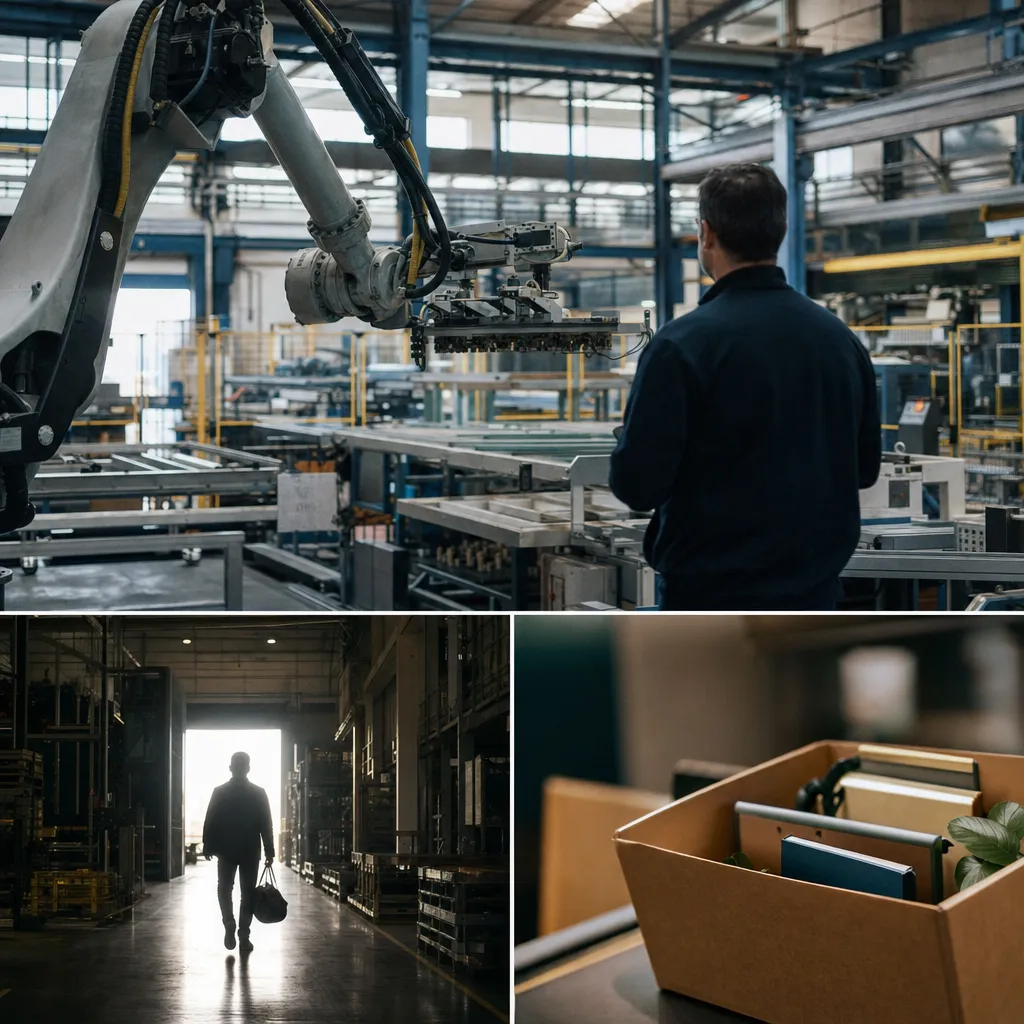
Goldman Sachs research finds workers displaced from AI-exposed roles take a full month longer to find new jobs — and are 10 percentage points more likely to remain unemployed a year later.
Goldman Sachs: Workers Displaced by AI Take a Full Month Longer to Find New Jobs
Workers who lose jobs to AI automation take approximately one month longer to find new employment than other displaced workers — and are 10 percentage points more likely to still be out of work a full year after being laid off, according to new [Goldman Sachs](/finance/goldman-sachs-claude-hong-kong-ban) research. The data puts numbers on an anxiety that has been building since AI automation began accelerating in 2025: not just that jobs are going, but that the people who lose them face a steeper climb back into the workforce than any previous wave of displacement.
Why AI Displacement Is Different
When a factory closes or a company downsizes for financial reasons, displaced workers can typically find comparable work elsewhere in the same industry or in adjacent roles. Their skills transfer. The displacement is painful but bounded.
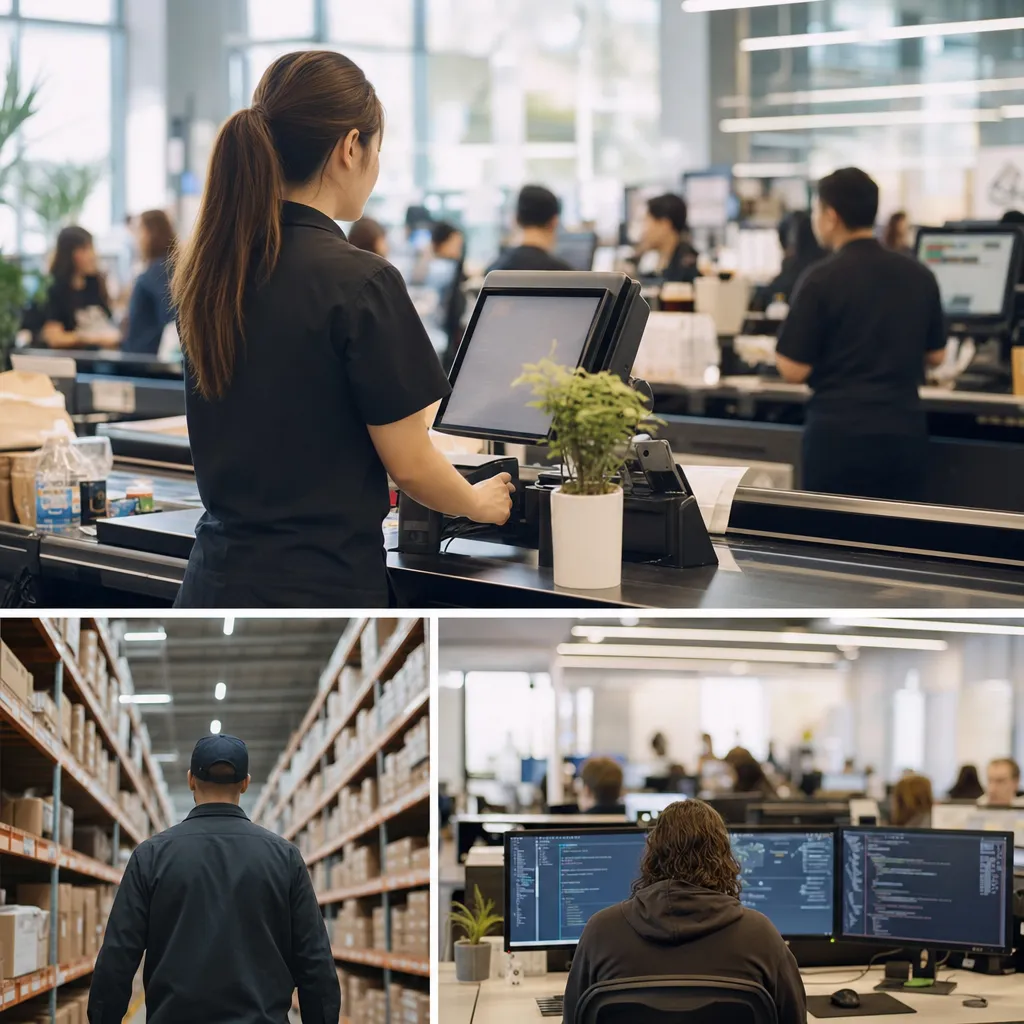
AI displacement is operating differently. Workers whose roles are automated — data entry clerks, junior paralegals, basic coding positions, call-center agents — find that the same automation pressure that eliminated their job is also reshaping adjacent roles before they can retrain for them. The jobs they would traditionally move into are themselves being compressed or eliminated on overlapping timelines.
Goldman's research, tracking outcomes for workers displaced from AI-exposed roles since early 2025, documents this dynamic in the employment data. The extra month of unemployment and the elevated long-term joblessness rate are consistent with workers cycling through multiple failed transitions rather than a single extended job search.
The Scale Goldman Is Projecting
Goldman Sachs estimates AI could displace roughly 9% of the US workforce — approximately 15 million jobs — with acceleration most likely during an economic downturn. Recessions historically trigger companies to execute on automation plans they have been deferring; the AI infrastructure investment of 2024-2026 has created a large stock of ready-to-deploy automation waiting for a cost-cutting trigger.
That 15 million figure is a projection over an unspecified medium-term horizon, not an immediate forecast. But it lands in a year when AI-related layoffs are already measurable. Challenger, Gray & Christmas data shows employers cited AI as the reason for 120,136 announced US job cuts through September 2026, making AI the top stated reason for workforce reductions — ahead of restructuring, product pivots, and economic conditions.
Get this in your inbox.
Daily AI intelligence. Free. No spam.
Who Is Most at Risk
Goldman's analysis identifies workers in AI-exposed roles as those whose job tasks can be replicated by current-generation AI systems. That population skews toward:
- Information workers — roles centered on processing, routing, or summarizing data
- Entry-level professional services — junior finance, legal, HR, and administrative positions
- Customer-facing roles — call center agents, basic support, appointment scheduling
The risk is not evenly distributed. Workers with higher levels of education and the ability to rapidly upskill are better positioned to absorb displacement and find new roles. Workers with narrow skill sets in highly automated roles, particularly those without access to retraining resources, face the steepest re-employment curve.
What Companies and Policymakers Are — and Aren't — Doing
The retraining ecosystem has not scaled to match the pace of displacement. Public workforce programs, community college curricula, and employer-sponsored reskilling initiatives are all growing, but Goldman's employment-duration data suggests they are not yet closing the gap.
A few specific data points on the employer side:
- Kyndryl and Skillsoft launched a joint free AI training program targeting high school students in September 2026, aiming to build upstream pipeline before workers enter roles at risk
- AI4MiddleSchools (Carnegie Mellon) expanded to four states in October, focusing on foundational AI literacy in grades 6-8
- Amazon, Microsoft, and Google have all announced individual workforce development commitments, but these are primarily designed to supply their own AI talent pipelines rather than address broad displacement
On the policy side, the federal government has not passed workforce-transition legislation specific to AI displacement. A bipartisan bill proposing an AI displacement fund — modeled loosely on Trade Adjustment Assistance — has been introduced but not moved to a committee vote.
The Downturn Risk
Goldman's note that displacement acceleration is most likely during a downturn is the part worth watching most closely. Corporate automation spending does not pause in a recession — it accelerates, because the primary driver shifts from growth investment to cost cutting. Companies that have been running AI pilots for two years enter a downturn with production-ready automation they can deploy quickly.
The US economy is currently growing, which is suppressing some of the displacement pressure visible in the job-cut data. If that changes, the 9% displacement estimate would compress into a much shorter timeline than Goldman's baseline scenario implies.
What to Watch
The November jobs report — covering October 2026 employment — will be the next data point. Economists will be watching the AI-exposed sectors (professional services, administrative support, financial services back-office) for signs that the displacement rate is accelerating beyond the gradual curve visible through September. Goldman's research team is expected to update its displacement projections with Q3 data before year-end.
By Hector Herrera
Did this help you understand AI better?
Your feedback helps us write more useful content.
Get tomorrow's AI briefing
Join readers who start their day with NexChron. Free, daily, no spam.