Venti Technologies won the 2026 FedEx Small Business Grant in Asia Pacific, validating AI-powered autonomous vehicles that cut port logistics costs by 65% versus human-driven operations.
Venti Technologies Wins FedEx Grant for Autonomous Port Logistics Across Asia Pacific
By Hector Herrera | April 29, 2026 | Transportation
Venti Technologies won the 2026 FedEx Small Business Grant Contest in Asia Pacific, announced April 27 at the Forbes Asia 100 to Watch Forum in Singapore—an endorsement that validates AI-powered autonomous vehicles as commercially viable replacements for human-driven port logistics. The recognition accelerates Venti's expansion into one of the world's busiest freight corridors at exactly the moment when autonomous port operations are advancing faster than autonomous vehicles on public roads.
The company reports its systems reduce goods transportation costs by 65% compared to human-operated alternatives. That figure, if it holds at scale across diverse port environments, is large enough to force competitive response across the entire sector.
Why Ports Before Roads
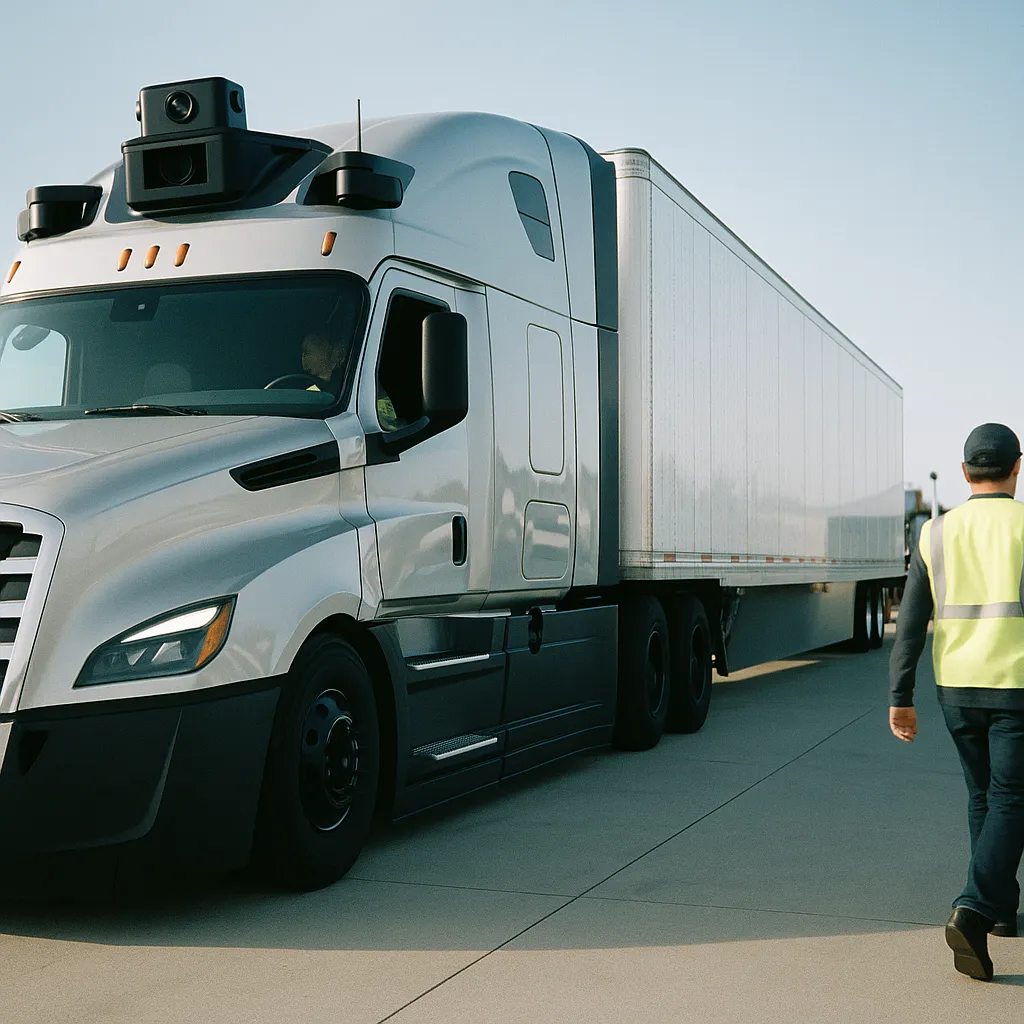
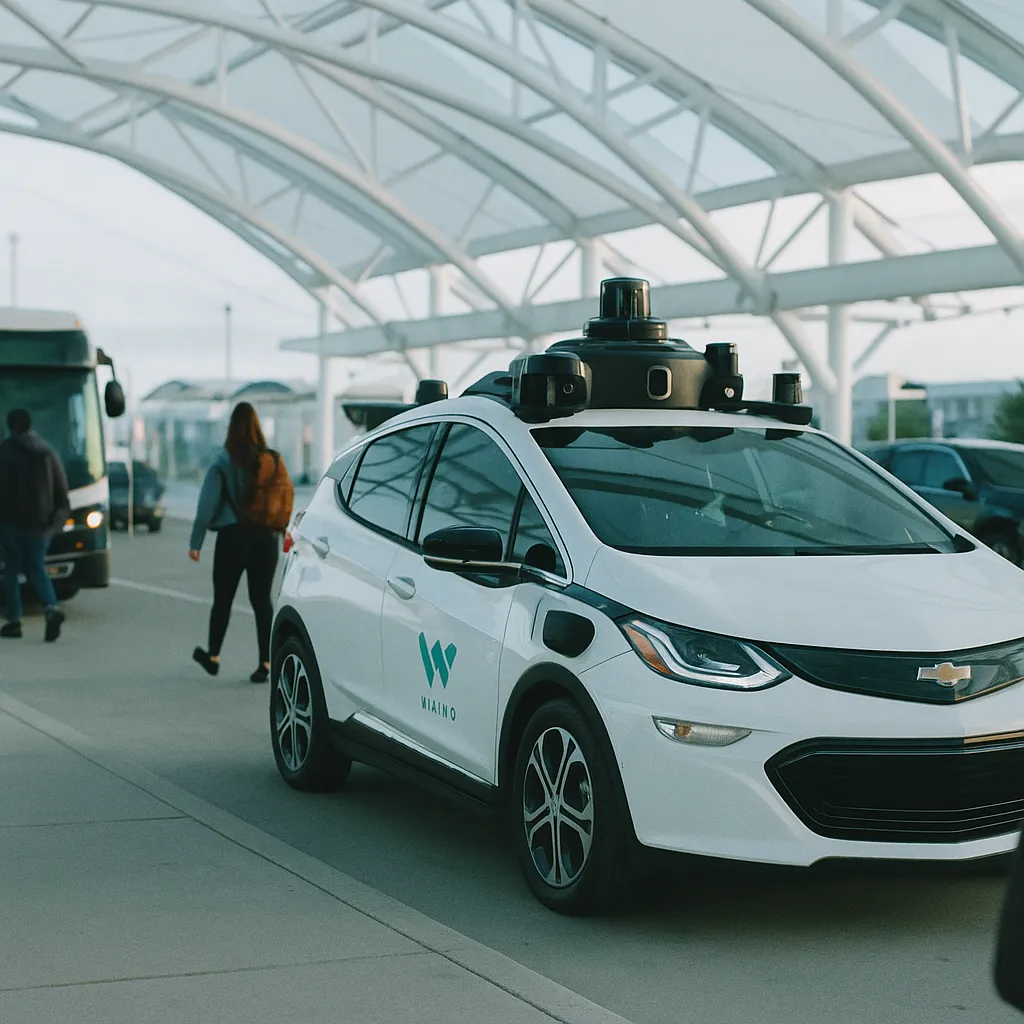
Autonomous vehicle deployment on public roads has faced relentless friction: regulatory variability, unpredictable human drivers, liability frameworks that don't yet fit the technology, and the edge-case density of open urban environments. Ports are different.
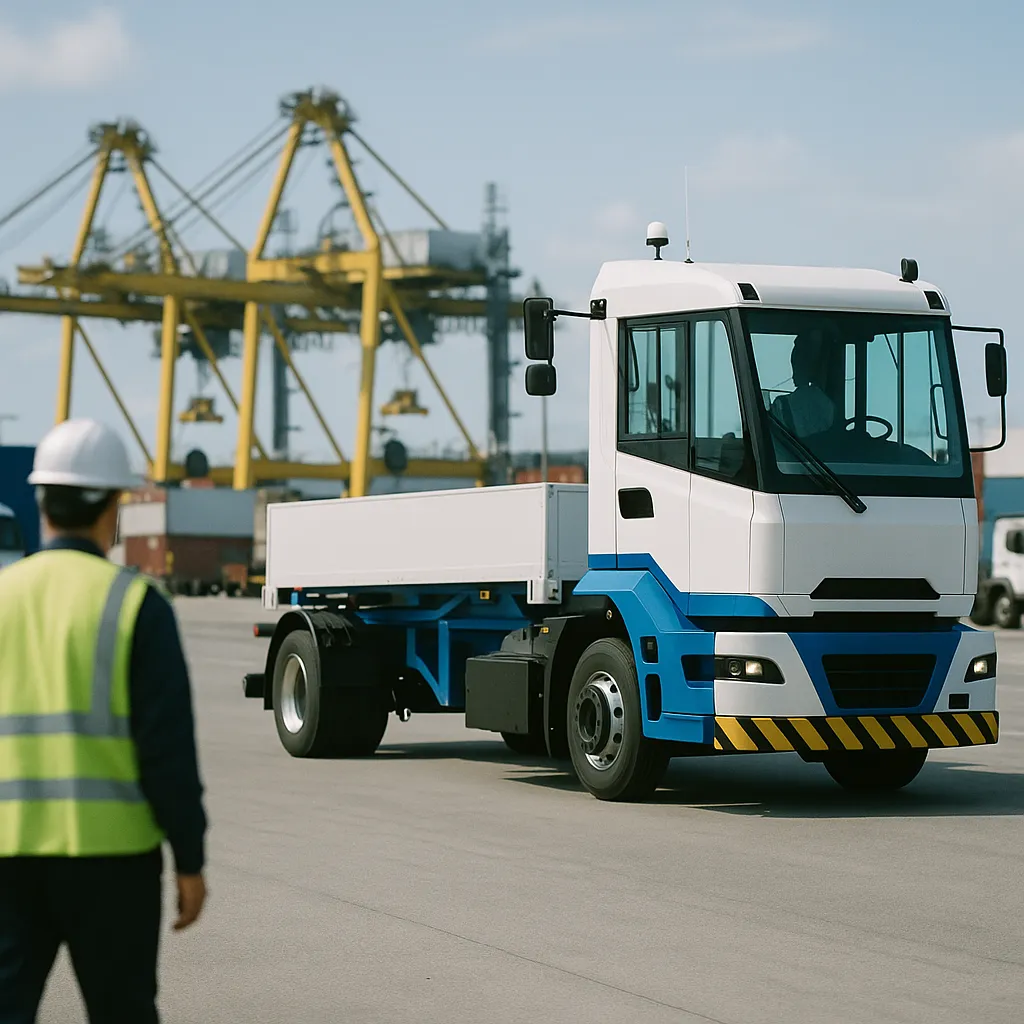
Port logistics operations are contained environments with controlled access, low vehicle speeds, defined routes, and predictable cargo flows. The variables are manageable. The labor costs are high and rising. And the throughput stakes—a container port handles thousands of units per day—mean even marginal efficiency gains translate to significant economic value.
Venti Technologies operates AI-powered autonomous vehicles specifically inside ports and logistics yards, a narrower and more tractable problem than level-5 autonomy on city streets. That focus is a deliberate architectural choice: solve the contained problem first, prove the economics, then expand.
Get this in your inbox.
Daily AI intelligence. Free. No spam.
What the FedEx Grant Signals
The 2026 FedEx Small Business Grant Contest in Asia Pacific—awarded at the Forbes Asia 100 to Watch Forum in Singapore—puts Venti among a cohort of high-potential logistics technology companies recognized in a region where port throughput and supply chain efficiency are strategic national priorities.
FedEx's association matters beyond the grant itself. Enterprise shippers evaluating autonomous logistics partners watch what the major freight carriers endorse. When FedEx surfaces a company publicly at a high-profile regional forum, it signals a level of institutional confidence that marketing cannot replicate.
The Asia Pacific context is also significant. The region's major ports—Singapore, Shanghai, Busan, Hong Kong, Shenzhen—handle a disproportionate share of global container volume. Autonomous logistics systems operating inside those facilities would touch supply chains that span every major industry sector globally.
The 65% Cost Reduction Claim
Venti reports that its autonomous systems reduce goods transportation costs by 65% for customers versus human-driven operations. This figure deserves scrutiny: cost comparisons in logistics depend heavily on what is included—labor, fuel, maintenance, downtime, accident costs, insurance—and on the specific operational environment.
Port logistics is labor-intensive. Human operators work shifts, require training, take breaks, and command wages that have risen substantially in recent years as labor markets tightened. An autonomous system that operates continuously, does not require shift management, and does not vary in performance across a 12-hour shift has structural cost advantages that are real and measurable.
Whether 65% holds across diverse port environments—different container types, weather conditions, equipment mixes, integration requirements—is the question that scaled deployment will answer.
What to Watch
Asia Pacific ports represent the stress test Venti's technology needs to prove its model. Watch for commercial deployment announcements at specific named port facilities over the next 12 months. The move from "operating in ports" to "contract at Port of [X] announced" is the signal that separates a successful pilot from a scalable business.
The competitive dynamics are also worth tracking. Venti is not the only company pursuing autonomous port logistics—Outrider, Einride, and others are active in adjacent yard automation segments. How the Asia Pacific competitive landscape develops as Venti scales will shape whether the company becomes a platform or a niche player.
Hector Herrera covers transportation and autonomous systems at NexChron. Source: BusinessWire
Did this help you understand AI better?
Your feedback helps us write more useful content.
Get tomorrow's AI briefing
Join readers who start their day with NexChron. Free, daily, no spam.