
Transportation & Logistics | 2 min read

United Airlines Blocks AI Agents From Booking Flights, Warns of Cancellations

United Airlines has banned unauthorized AI assistants from booking, modifying, or servicing reservations—and says it will cancel any that slip through.

Hector Herrera
Hector Herrera
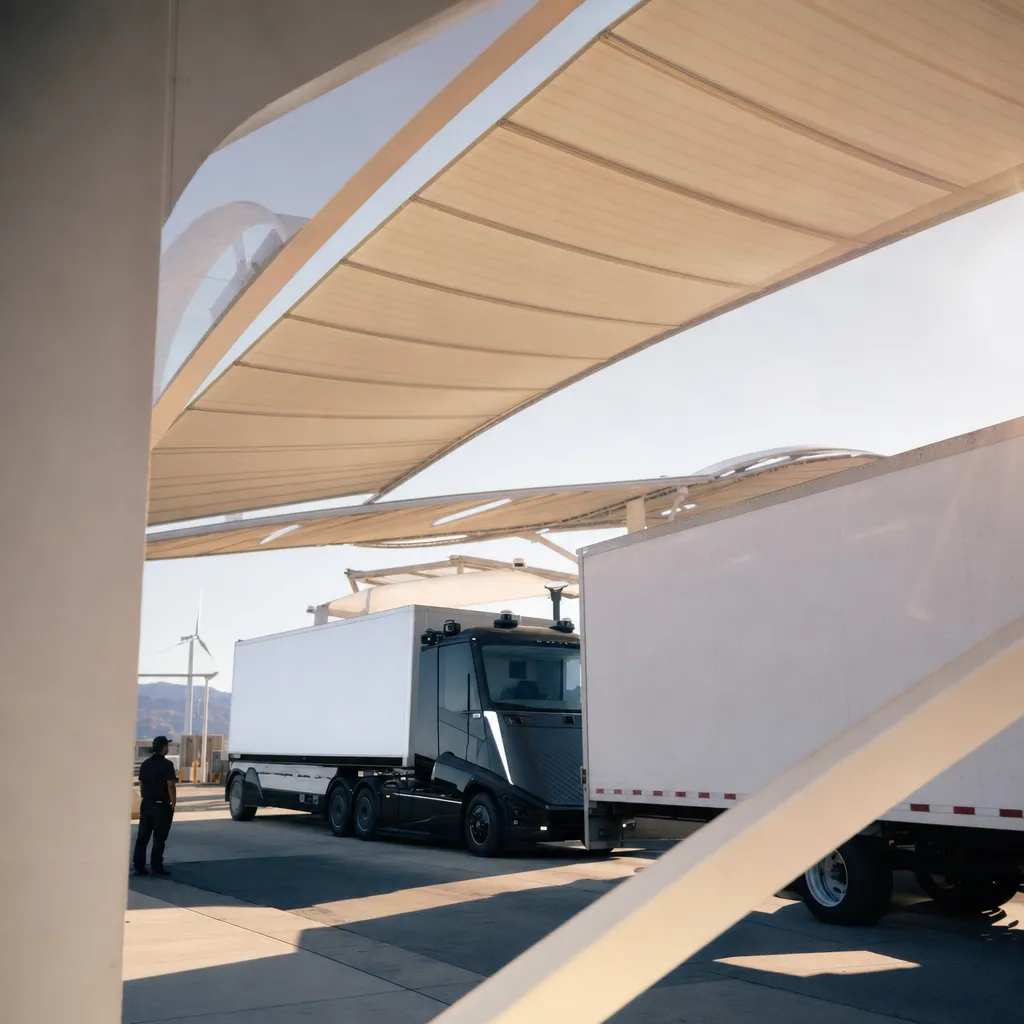
A transportation hub featuring contract, related to United Airlines Blocks AI Agents From Booking Flights, Warns
Why this matters United Airlines has banned unauthorized AI assistants from booking, modifying, or servicing reservations—and says it will cancel any that slip through.

United Airlines has updated its contract of carriage to ban unauthorized AI assistants from booking, modifying, or servicing reservations — and says it will cancel any reservation made in violation. The move puts United on a collision course with a wave of AI travel agents that consumers and corporate travel managers have been adopting to manage trip logistics.

What changed: United's updated terms, reported by The Washington Post, explicitly prohibit AI agents — software that acts on behalf of a user — from interacting with United's booking systems without prior authorization from the airline. The contract reserves the right to cancel any booking made through an unauthorized agent, meaning travelers who used an AI assistant to book could find their reservation voided.

Why United did this: CEO Scott Kirby framed it as not wanting "another middleman" inserted between the airline and its customers. United already pushed back against online travel agencies for years over data access and commission structures; Kirby appears to view AI booking agents as the same dynamic at scale, with the added complication of data security and federal regulatory compliance. Airlines operate under strict rules around passenger data handling; an AI agent accessing and transmitting itinerary data raises questions about liability that current federal regulations do not cleanly resolve.

The industry divide: Delta and American Airlines have not followed suit as of publication. That split matters. If a corporate travel manager deploys an AI agent to manage employee travel across multiple carriers, United's policy creates a manual exception workflow — the agent books Delta and American automatically, but someone has to handle United by hand. That friction could push travel managers and frequent flyers toward competitors.

What to watch: Whether Delta or American use this as a competitive opening, and whether United carves out an authorized-partner program that lets select AI platforms access its systems under agreed terms. That would mirror how the airline handled early OTA (online travel agency) conflicts — initial resistance, followed by structured API access deals.

Hector Herrera covers AI and transportation at NexChron.

Key Takeaways

  • ✓ Why United did this:
  • ✓ The industry divide:

Did this help you understand AI better?

Your feedback helps us write more useful content.

Hector Herrera

Written by

Hector Herrera

Hector Herrera is an AI systems architect in Houston and founder of Hex AI Systems. He designs and runs AI systems in production and writes daily about how AI is reshaping business, government and everyday life. 20+ years building for the web. Houston, TX.

More from Hector →

Get tomorrow's AI briefing

Join readers who start their day with NexChron. Free, daily, no spam.

More from NexChron