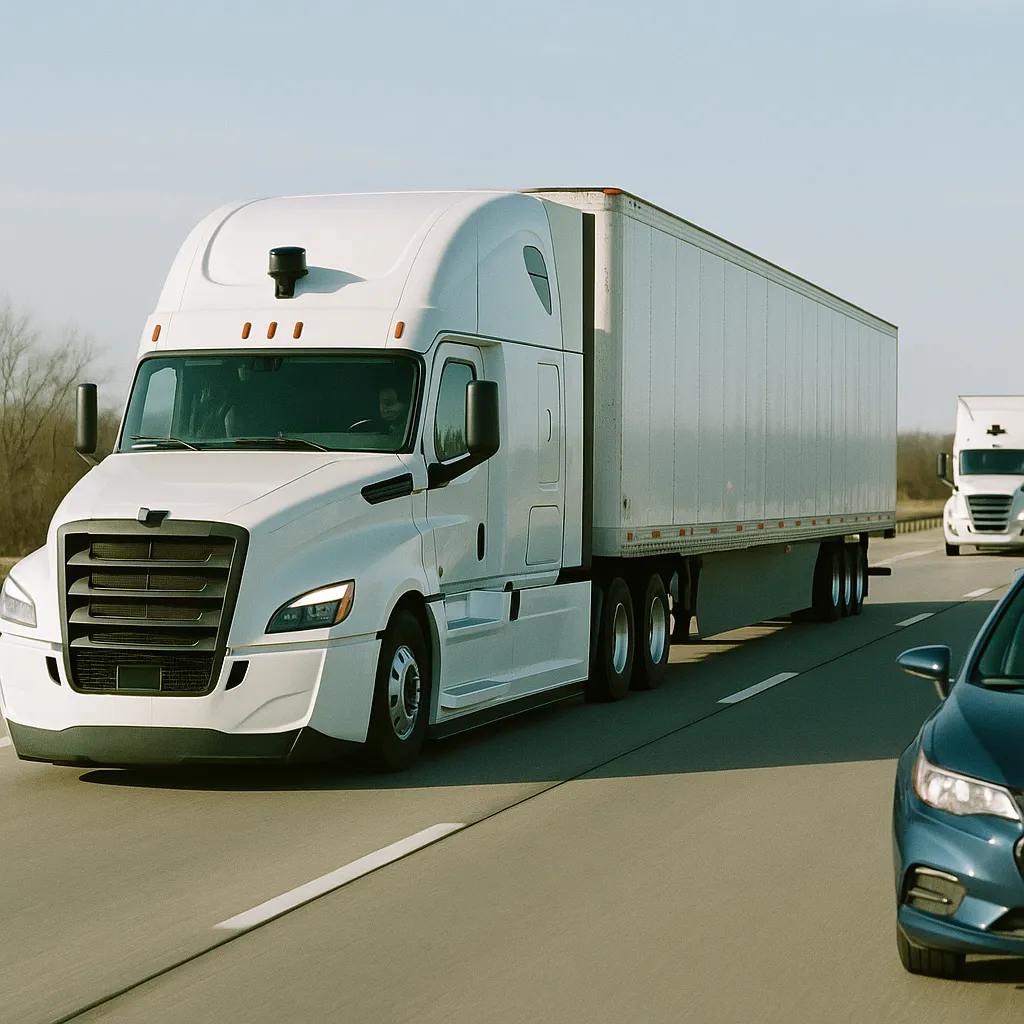
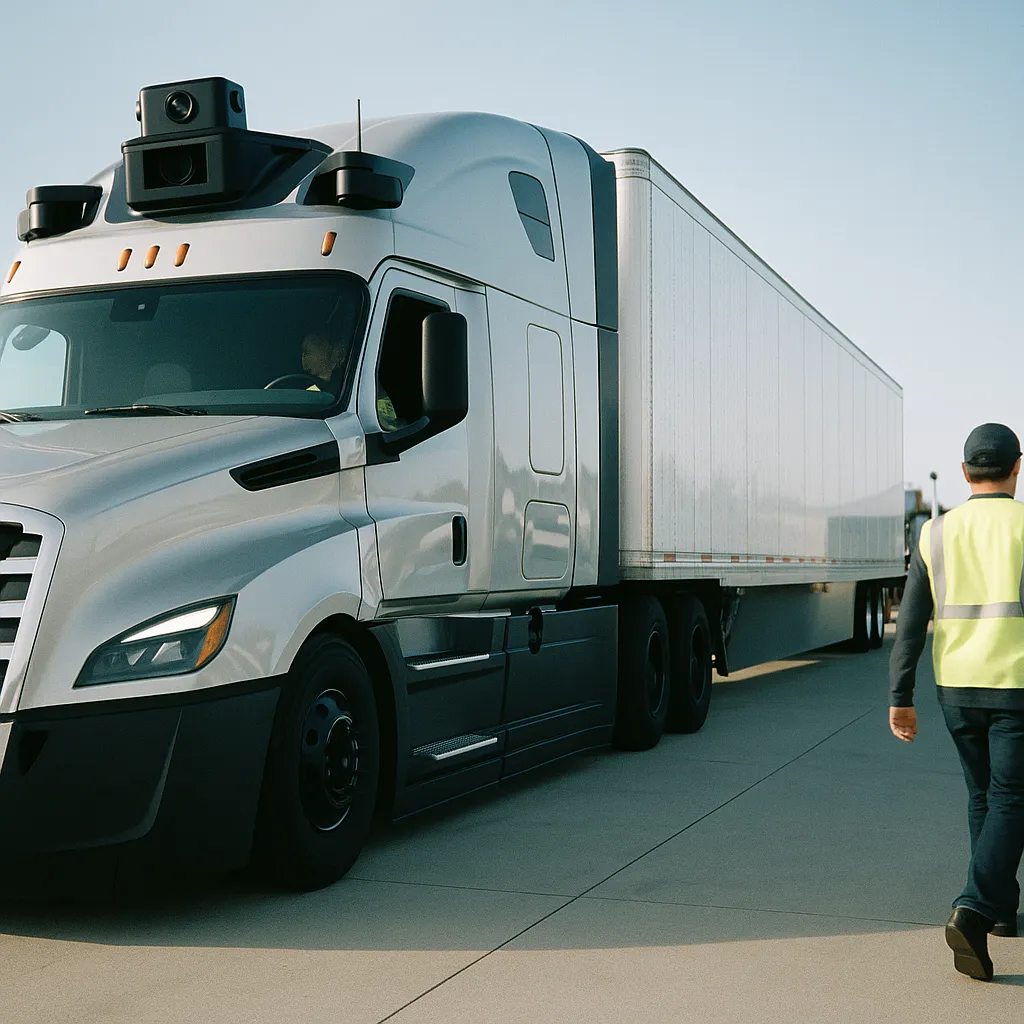
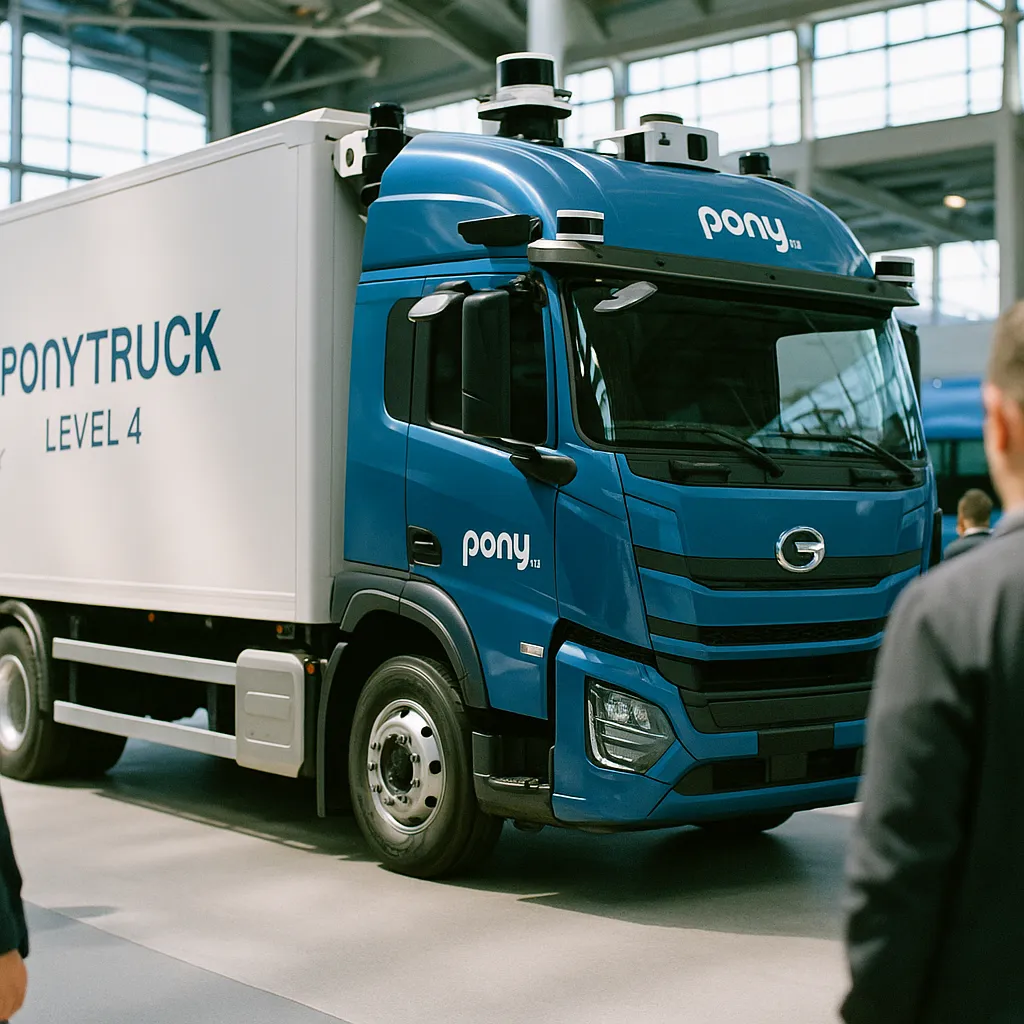
Kodiak AI has completed its first autonomous trucking deployment outside the Sun Belt, operating driverless commercial trucks on Interstate 70 — one of North America's busiest freight corridors.
Kodiak Expands Driverless Trucking Beyond Sun Belt to Ohio and Indiana Freight Corridor
By Hector Herrera | April 21, 2026
Kodiak AI has completed its first driverless trucking run outside the Sun Belt, operating autonomous commercial trucks on Interstate 70 in Ohio in partnership with DriveOhio. The expansion tests Kodiak's autonomous systems against weather conditions, road surfaces, and traffic patterns that Sun Belt deployments have largely avoided — and marks a meaningful geographic milestone for the autonomous freight sector.
The partnership was reported by FreightWaves and represents the first leg of what Kodiak describes as an expansion into one of North America's most important freight corridors.
Why Sun Belt Deployments Came First
Autonomous trucking's geographic concentration in Texas, Arizona, and neighboring states was not coincidental.
Early autonomous vehicle systems are more reliable in predictable conditions. Sun Belt highways offer stable weather (minimal rain, snow, and ice), consistent road surfaces, and high-visibility operating environments. The sensor arrays that autonomous trucks depend on — radar, lidar, and high-definition cameras — all perform more reliably when they're not dealing with precipitation, snow-covered roads, or temperature-induced sensor drift.
Waymo Via, Aurora, and Kodiak all built their commercial autonomy track records primarily in Texas. The industry logic was: demonstrate reliability in favorable conditions first, then expand to more challenging environments as systems mature. Kodiak's Ohio move signals the maturity threshold has been reached.
Get this in your inbox.
Daily AI intelligence. Free. No spam.
What I-70 Represents
Interstate 70 is not a test track — it is one of the primary arteries of U.S. freight.
The highway runs from Baltimore through Columbus, Indianapolis, Kansas City, Denver, and into Utah. The Ohio–Indiana section is particularly dense with manufacturing and logistics traffic: automotive parts, agricultural goods, consumer packaged goods, and distribution center operations for major retailers.
This corridor matters because it's where the commercial case for autonomous freight is strongest. I-70 is high-volume, relatively flat, and heavily used by over-the-road trucking companies that face chronic driver shortages. The same driver shortage that has constrained the sector for years is the economic pressure that makes autonomous trucking commercially attractive. Autonomous systems don't need rest breaks, don't have hours-of-service limits, and can operate overnight on corridors where finding drivers for night shifts is increasingly difficult.
The Funding Backdrop
The expansion comes as the AV sector raised a record $21.4 billion in Q1 2026 — a 262% increase over all investment in autonomous vehicles in 2025. That number reflects renewed institutional confidence in AV timelines after several years of more cautious investor sentiment following earlier over-promises in the sector.
The funding surge suggests capital markets now believe practical autonomous freight is closer than the 2022–2024 narrative suggested. Whether that belief is justified depends significantly on how companies like Kodiak perform in expanded geographic deployments over the next 12–18 months.
What to Watch
Two things will determine whether this expansion represents a genuine inflection point for autonomous freight.
Winter operations are the true test of Midwest deployment. The conditions that matter are not summer I-70 — they are January I-70, with snow, ice, road salt affecting sensor performance, and reduced visibility. How Kodiak's systems handle Ohio and Indiana winters will be closely watched by every other autonomous freight operator with Sun Belt-built systems.
Competitive response: If Kodiak demonstrates Midwest reliability, competitive pressure on Waymo Via and Aurora to expand similarly will mount. Watch for whether either company announces comparable Midwest deployments in the next two quarters.
By Hector Herrera | NexChron.com
Source: FreightWaves
Did this help you understand AI better?
Your feedback helps us write more useful content.
Get tomorrow's AI briefing
Join readers who start their day with NexChron. Free, daily, no spam.