More than half of American holiday shoppers used AI for Black Friday 2026, with 64% trusting AI to recommend unknown brands — a commercial tipping point that reshapes how retailers compete.
Black Friday 2026: 59% of US Shoppers Used AI to Hunt Holiday Deals
By Hector Herrera | November 27, 2026 | Retail
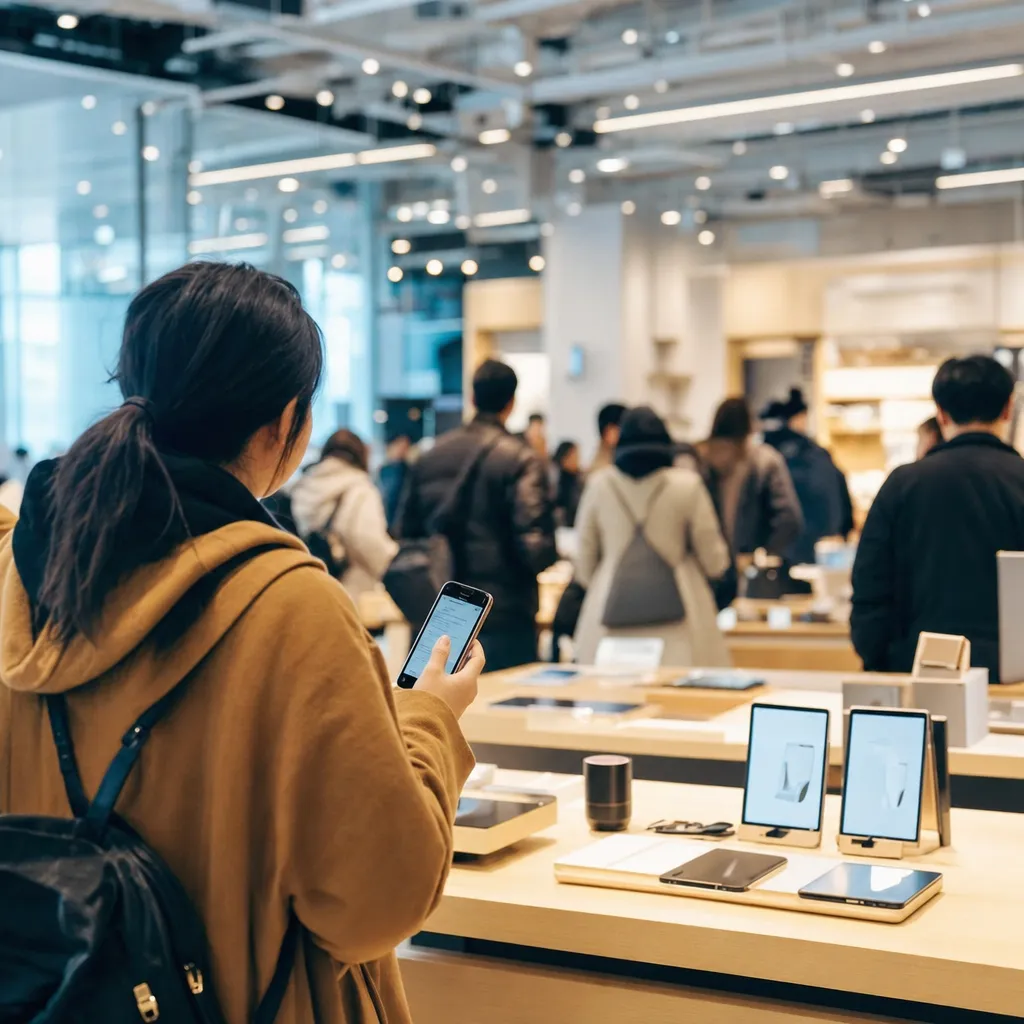
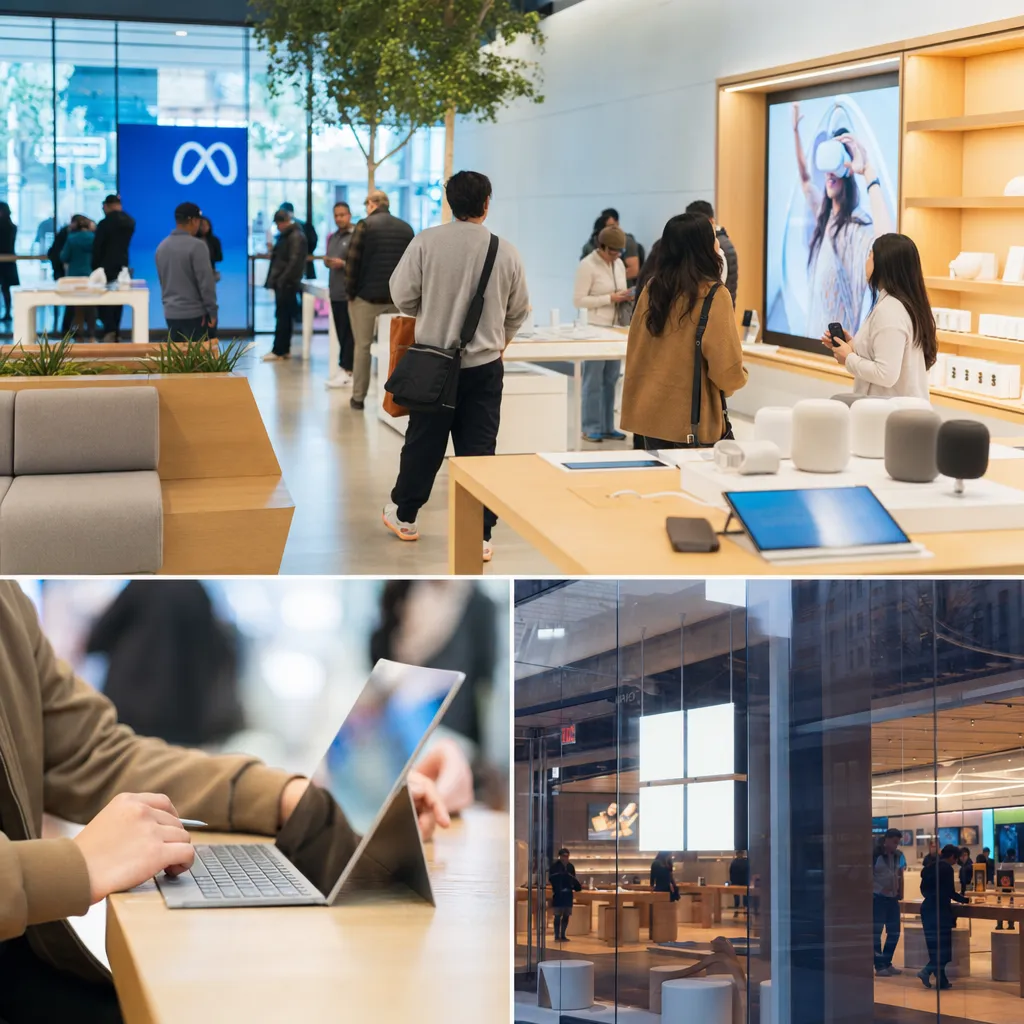
For the first time, more than half of American holiday shoppers delegated deal-hunting to AI — and the results are reshaping how retailers compete for attention. The National Retail Federation reported that 59% of US consumers used AI during Black Friday weekend 2026, handling tasks from price comparison and gift recommendations to tracking restocks across Target, Nordstrom, and Google Shopping. The shift signals that consumer AI adoption has crossed a commercial tipping point, moving from novelty to default tool in a single season.
This isn't sudden. Adobe Analytics has tracked AI-assisted retail traffic growing all year. But the holiday weekend crystallized a behavioral change: shoppers aren't just browsing with AI — they're outsourcing the work of shopping entirely. That changes the competitive dynamics for every retailer with a storefront, digital or physical.
The Numbers Behind the Shift
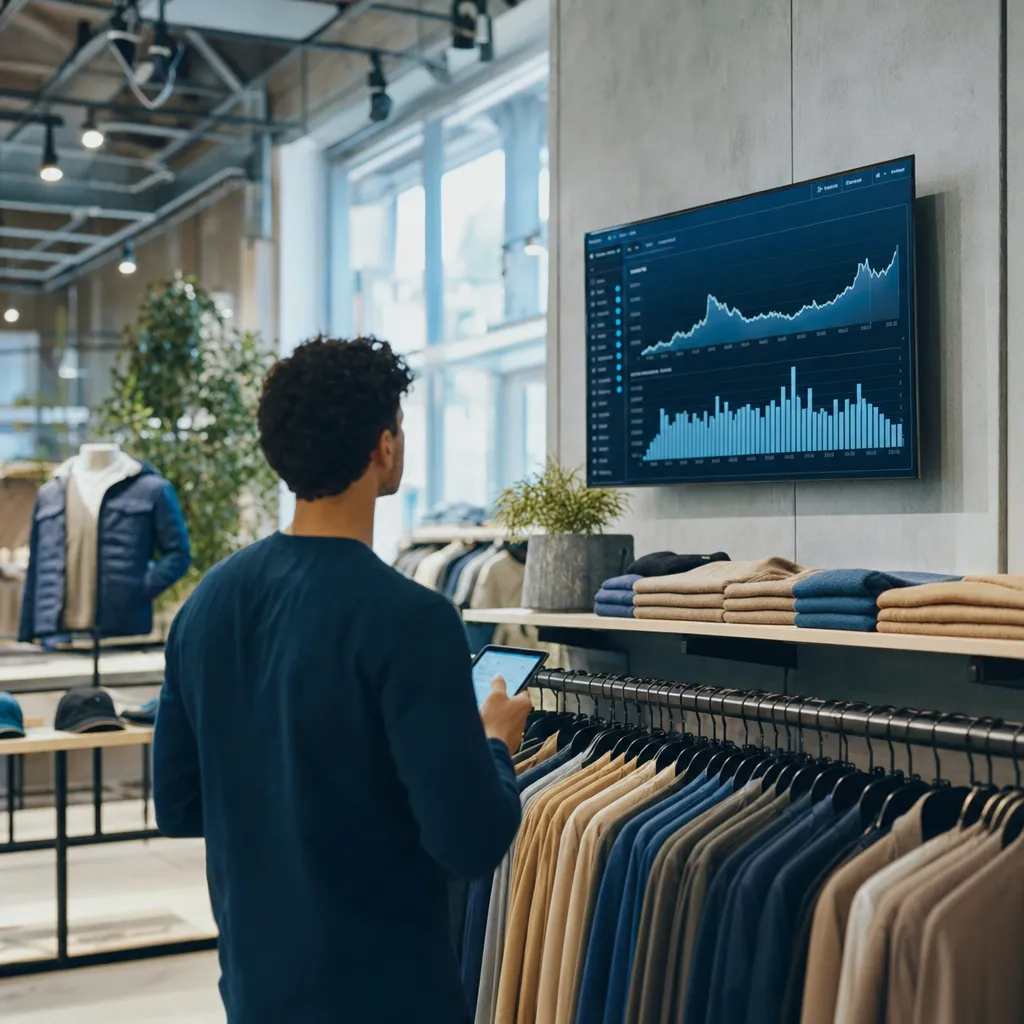
Adobe Analytics forecasted a 130% year-over-year jump in AI-driven retail traffic this holiday weekend, the steepest single-period increase since AI shopping assistants became mainstream. The underlying driver is promotion fatigue — Black Friday now spans weeks, with hundreds of competing sales running simultaneously. AI agents, trained to track price histories and filter by user preferences, solve a problem shoppers couldn't solve efficiently on their own.
According to Northeastern University research covering this year's Black Friday data:
- 59% of US shoppers used AI for holiday shopping this weekend
- 64% of shoppers said they would buy from an unknown brand based solely on an AI recommendation
- Among Gen Z, that trust figure rises to 74%
That last number is the one retailers should be marking. For decades, brand recognition and paid search placement drove discovery. If nearly three-quarters of Gen Z consumers will purchase from an unknown brand because an AI recommended it, the traditional brand funnel is being bypassed entirely.
What AI Was Actually Doing
The shopping AI use this weekend wasn't just chatbots answering "what should I get my dad." The more sophisticated use cases included:
Get this in your inbox.
Daily AI intelligence. Free. No spam.
- Autonomous price tracking — agents monitoring specific SKUs across retailers and alerting when prices dropped below thresholds
- Bundle comparisons — evaluating total value across competing deals, not just headline discounts
- Restock alerts — monitoring high-demand items and automatically queuing purchases when inventory returned
- Gift matching — generating ranked gift lists from recipient interest profiles provided by the shopper
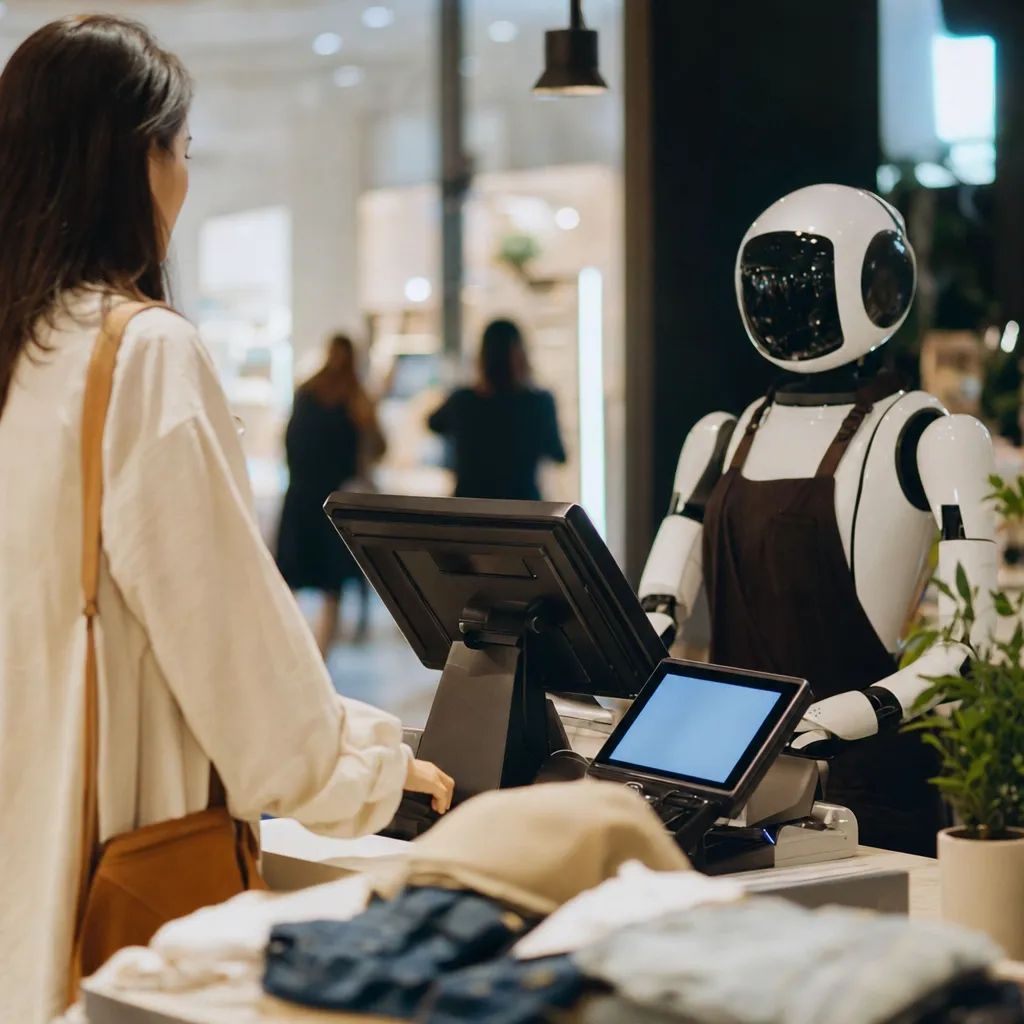
Retailers including Target and Google Shopping had integrated AI shopping layers directly into their platforms this year. That integration matters: when AI is embedded in the destination, it increases conversion rather than potentially routing shoppers elsewhere.
What This Means for Retailers
The implications split across two categories of retailer:
Winners: Retailers with structured product data, clean inventory feeds, and AI-compatible checkout flows. If your pricing, availability, and product attributes are machine-readable, AI agents can find and recommend you. If they're not, you're invisible to 59% of holiday shoppers.
Losers: Retailers who built their competitive advantage on human browsing patterns — attention-grabbing homepage layouts, impulse-purchase placement, promotional email sequences designed for human eyes. These tools lose leverage when the browsing is handled by an agent that has already filtered for what the shopper wants.
The trust data compounds this. If consumers trust AI recommendations enough to buy from unfamiliar brands, the competitive moat of brand recognition narrows. A smaller specialty retailer with strong product data and competitive pricing can surface alongside a major chain in AI recommendations — and a trust-delegating shopper may convert without ever consciously comparing brands.
The Friction That Remains
Not all AI shopping experiences worked cleanly. Shoppers reported agents surfacing out-of-stock items, misreading promotional exclusions, and in some cases generating recommendations that didn't match the recipient's preferences when the input prompt was vague. The failures highlight a gap: AI shopping agents are good at optimization problems with clear parameters, but struggle with subjective gift-giving where the "right answer" is ambiguous.
There's also a data question. AI agents that track price histories and monitor inventory require persistent account connections across retailers. Consumers who set up those connections accepted that tradeoff consciously. Those who didn't — or who used one-off chatbot queries — got less capable service.
What to Watch
The 59% figure almost certainly rises next year. Adobe's traffic forecast implies the infrastructure is in place; consumer behavior will follow. Watch for retailers to accelerate investment in machine-readable product catalogs and AI-native checkout integrations — the new storefront optimization is for agents, not eyes.
The brand trust finding deserves a longer study. If 74% of Gen Z is brand-agnostic on AI recommendation, that's a structural shift in how consumer brands build loyalty. The first retailer to systematically optimize for AI recommendation quality — not just search ranking — will have a durable edge.
Sources: Northeastern University News
Did this help you understand AI better?
Your feedback helps us write more useful content.
Get tomorrow's AI briefing
Join readers who start their day with NexChron. Free, daily, no spam.