A new forecast projects AI-agent-originated U.S. retail sales will grow from $9.0 billion in 2026 to $74.7 billion by 2031, a 52.7% compound annual growth rate that would make agentic commerce one of the fastest-expanding channels in retail history.
U.S. Agentic Commerce Will Reach $74.7 Billion by 2031 as AI Agents Rewrite Holiday Shopping
AI agents are on track to originate $74.7 billion in U.S. retail sales by 2031, up from $9.0 billion today — a compound annual growth rate of 52.7% that would make agentic commerce one of the fastest-expanding channels in the history of retail.
The forecast, released this week, defines agentic commerce as retail transactions initiated or completed by AI agents acting on behalf of consumers — without direct human input at the point of purchase. This includes subscription replenishment agents, deal-hunting bots, comparison-shopping assistants, and the emerging class of personal AI agents that manage household purchasing autonomously.
The 2026 Baseline
The numbers aren't speculative. AI agents are already a material force in 2026 holiday shopping.
Salesforce data shows AI agents driving 20% of all holiday e-commerce traffic this season. Adobe projects 130% year-over-year growth in AI-referred site visits through the end of 2026. Those figures capture a channel that barely registered as a measurement category 18 months ago.
The shift is structural, not seasonal. Consumers who've experienced an AI agent that reliably finds better prices, remembers preferences, and executes purchases without friction don't revert to manual browsing. The behavior compounds.
The Retailer-Owned Agent
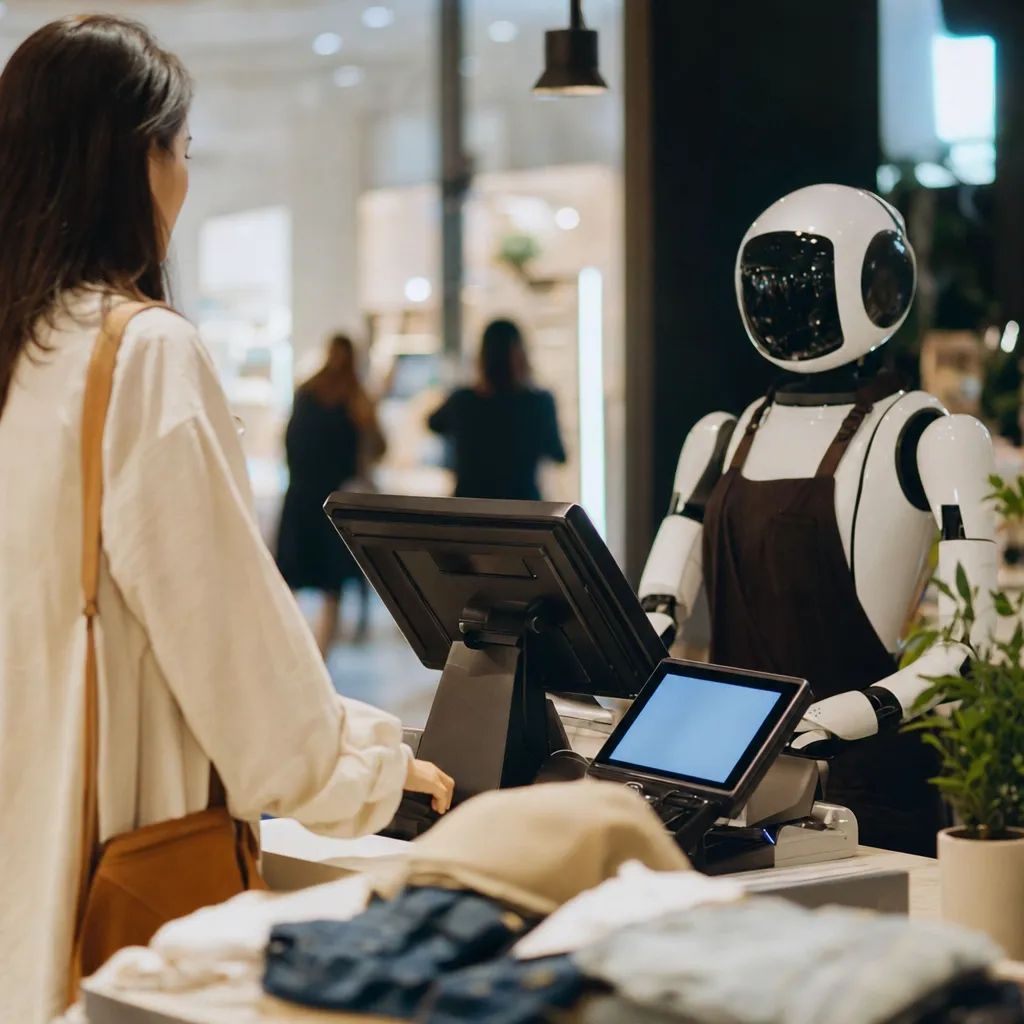
The forecast identifies retailer-owned agents — shopping bots controlled by merchants rather than platforms — as the fastest-growing segment in agentic commerce.
Get this in your inbox.
Daily AI intelligence. Free. No spam.
The distinction matters. Platform-owned agents (think an Amazon or Google shopping assistant) optimize for the platform's ecosystem, surfacing whatever product serves the platform's economics. Retailer-owned agents optimize for the retailer's conversion, margin, and customer lifetime value. As AI agent capabilities commoditize, every merchant with meaningful digital traffic will deploy their own.
This creates a new front in the battle for consumer attention: instead of competing for search rankings or social feeds, merchants will compete for the attention of their customers' AI agents. That means structured product data, real-time inventory feeds, and agent-readable pricing APIs — not just SEO-optimized landing pages.
What Changes for Retailers
The implications for retail operations stack quickly.
Visibility comes first. If a consumer's AI agent never surfaces your product, the sale doesn't exist. Traditional SEO doesn't map cleanly to agent-readable commerce. Retailers need to invest in the data infrastructure that makes their products discoverable to agents, not just search engines.
Pricing dynamics shift. AI agents comparison-shop at machine speed. Dynamic pricing strategies built for human psychology — urgency nudges, visual anchoring, artificial scarcity signals — don't work on agents. Transparent, competitive pricing becomes more important; psychological pricing tricks become less relevant.
Fulfillment expectations tighten. Agents executing autonomous purchases will increasingly be paired with automated fulfillment. Same-day and next-day delivery SLAs that were competitive advantages become table stakes as agent-initiated orders bypass the deliberation time that previously buffered fulfillment windows.
The Risk Scenario
The 52.7% CAGR assumes continued consumer comfort with AI-executed purchases — a trust threshold that hasn't been uniformly crossed. High-consideration purchases (appliances, electronics, apparel with fit requirements) are unlikely to fully automate in the near term. The growth will concentrate in replenishment, commodity goods, and low-stakes purchases where the agent's value proposition is clearest and transaction error is recoverable.
Regulatory questions around autonomous purchasing — liability for agent errors, disclosure requirements, data handling — are unresolved. The EU's AI Act and upcoming U.S. agentic commerce guidance will shape the trajectory after 2027 and could slow adoption in regulated categories.
What to Watch
Watch for which major retailers move first to deploy proprietary shopping agents — and which platform ecosystems (Apple Intelligence, Google Gemini, OpenAI's shopping layer) capture the most consumer agent share. The distribution of that power will determine whether this $74.7 billion market flows primarily to platforms or to merchants who build direct agent relationships with their customers.
Did this help you understand AI better?
Your feedback helps us write more useful content.
Get tomorrow's AI briefing
Join readers who start their day with NexChron. Free, daily, no spam.