Your daily AI intelligence for May 11, 2026.
Good morning. Here's your AI intelligence for Monday, May 11, 2026.
The Labor Squeeze Is Already Here
Yale School of Management researchers have identified a more insidious AI labor effect than mass layoffs: entry-level hiring is quietly disappearing. Companies are letting AI handle junior-level tasks — data entry, basic research, first-draft writing — and simply not filling those positions when they open. The result is a shrinking on-ramp into professional careers, with younger workers absorbing a structural shift that produces no headlines and no severance packages.
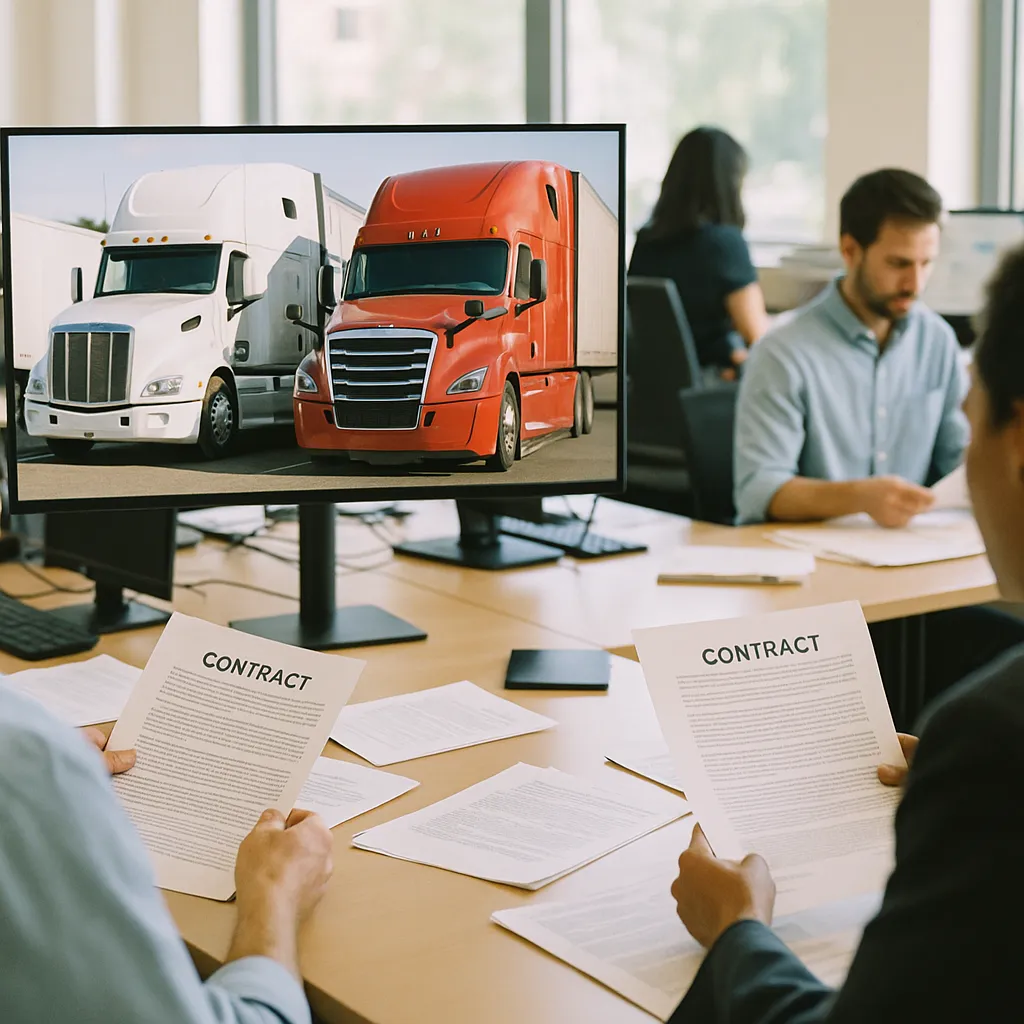
On the freight side, the economics are finally moving. Goldman Sachs projects autonomous trucks will reach cost parity with human-driven freight by 2028, falling from $8.60 per mile today toward $2 per mile by 2035. Commercial deployments from Aurora, Kodiak, Gatik, and Bot Auto are providing the real-world revenue data behind the forecast. The industry has heard the autonomous freight promise before — but Goldman's numbers are grounded in actual contracts, not pilot program projections.
The Security Gap Between Policymakers and Researchers
Anthropic's Mythos model triggered genuine alarm when its exploit-generation capability became visible — bank executives were shaken, and the White House had to revisit AI policy guidance. But cybersecurity researchers are pushing back on the panic: the capability Mythos demonstrated is already present in models that are quietly deployed across enterprise and consumer applications right now. The real story isn't Mythos. It's the gap between what alarmed policymakers and what researchers already knew.
Regulation: The States Are Writing the Rules
Connecticut's SB5 cleared both legislative chambers on May 1, covering companion chatbots, automated hiring tools, and synthetic content — one of the most comprehensive state AI laws in the country. The bill creates disclosure obligations, requires impact assessments for high-risk AI decisions, and puts enforcement behind synthetic media rules. It joins a wave of state-level action filling the vacuum left by federal inaction.
The insurance market is doing parallel regulatory work. State regulators have approved more than 80% of insurer requests to exclude AI-related damages from general liability policies, already effective in Florida, Connecticut, and Maryland. A standalone AI liability market with $2 million to $50 million limits is emerging to fill the gap. What legislators haven't defined, insurers are now defining by exclusion.
Healthcare: OpenAI Proposes Rules That Benefit OpenAI
OpenAI released a healthcare policy blueprint calling for faster FDA pathways and expanded data access — on the same day it launched ChatGPT for Clinicians. The proposals would remove regulatory friction that currently limits OpenAI's own commercial healthcare products. Whether that makes the policy wrong is a separate question, but the timing and the beneficiary are not subtle.
Get this in your inbox.
Daily AI intelligence. Free. No spam.
The FDA, meanwhile, completed a sweeping data infrastructure overhaul giving AI systems unified access to previously siloed datasets across drug and device review divisions. It matters because AI-assisted review is only as good as the data it can reach — and fragmented datasets have been a real ceiling on what the agency's tools could do. The consolidation is done. The question now is how much faster reviews actually move.
Physical AI in American Manufacturing
NVIDIA's Omniverse platform is now powering factory digital twins and autonomous robotics at Foxconn, Toyota, TSMC, Caterpillar, and Lucid Motors. Physical AI — software that controls real machines in real facilities — has been a promise for years. These deployments are the most concrete test of it at scale in American manufacturing. Productivity data from these factories over the next 12 months will determine whether the investment thesis holds.
Real Estate and Retail: The Trust Deficit
Consumer trust in AI for homebuying collapsed from 30% to 16% in a single year, even as AI tools became more embedded in property search, valuation, and transaction workflows. Two-thirds of buyers now want mandatory disclosure when AI is involved in the process. The industry is building AI in; consumers are pulling back. That gap won't close without transparency infrastructure most platforms haven't built.
Retail tells nearly the same story. Ninety-seven percent of retailers are building toward agentic commerce — AI systems that complete purchases autonomously on a customer's behalf. Only half of consumers say they're comfortable with it. The deployment pace and the trust curve are moving in opposite directions, and retailers haven't figured out how to reconcile them.
Energy: Funding the Transition, Overwhelming the Grid
AI data center demand is funding renewable energy projects at record pace — and simultaneously overwhelming the transmission infrastructure needed to deliver that power. Hyperscalers need clean power contracts, and that demand is financing new solar and wind development. But the grid interconnection queue is years long, and transmission lines don't exist to carry electricity from where it's generated to where data centers need it. AI is accelerating the energy transition and stress-testing its limits in the same motion.
Agriculture: The ROI Has Arrived
After years of pilot programs and vendor promises, AI in agriculture is delivering measurable commercial returns in 2026. John Deere's See & Spray system is reducing herbicide use by up to 90% in active deployments — identifying weeds at the plant level and spraying only what's needed. For operations large enough to deploy the equipment, input cost savings are covering the technology investment. The barrier now is scale: smaller farms still can't access the economics.
What to Watch Today
Connecticut SB5. Governor Ned Lamont hasn't signed the bill yet. Watch for a signature or veto decision this week — either outcome sets the tone for state AI bills still moving through legislatures in May.
Goldman Sachs autonomous freight forecast. Aurora and Kodiak both have investor updates this quarter. Whether their commercial revenue data matches Goldman's cost model will determine how much capital flows into autonomous freight in H2 2026.
FDA review speed. With data platform consolidation complete, the agency should begin publishing AI-assisted review timelines. The first comparative data — AI versus traditional process — will be the real benchmark for whether the infrastructure investment delivered what was promised.
That's your briefing for May 11. Back tomorrow.
Did this help you understand AI better?
Your feedback helps us write more useful content.
Get tomorrow's AI briefing
Join readers who start their day with NexChron. Free, daily, no spam.