Manufacturing & Industry | 3 min read

Robo.ai Hits $100M Monthly Revenue, Projects $600M for Full Year 2026

Robo.ai reported September revenue exceeding $100 million and raised its full-year guidance to approximately $600 million, reflecting surging commercial demand for AI-driven factory automation.

Hector Herrera
Hector Herrera
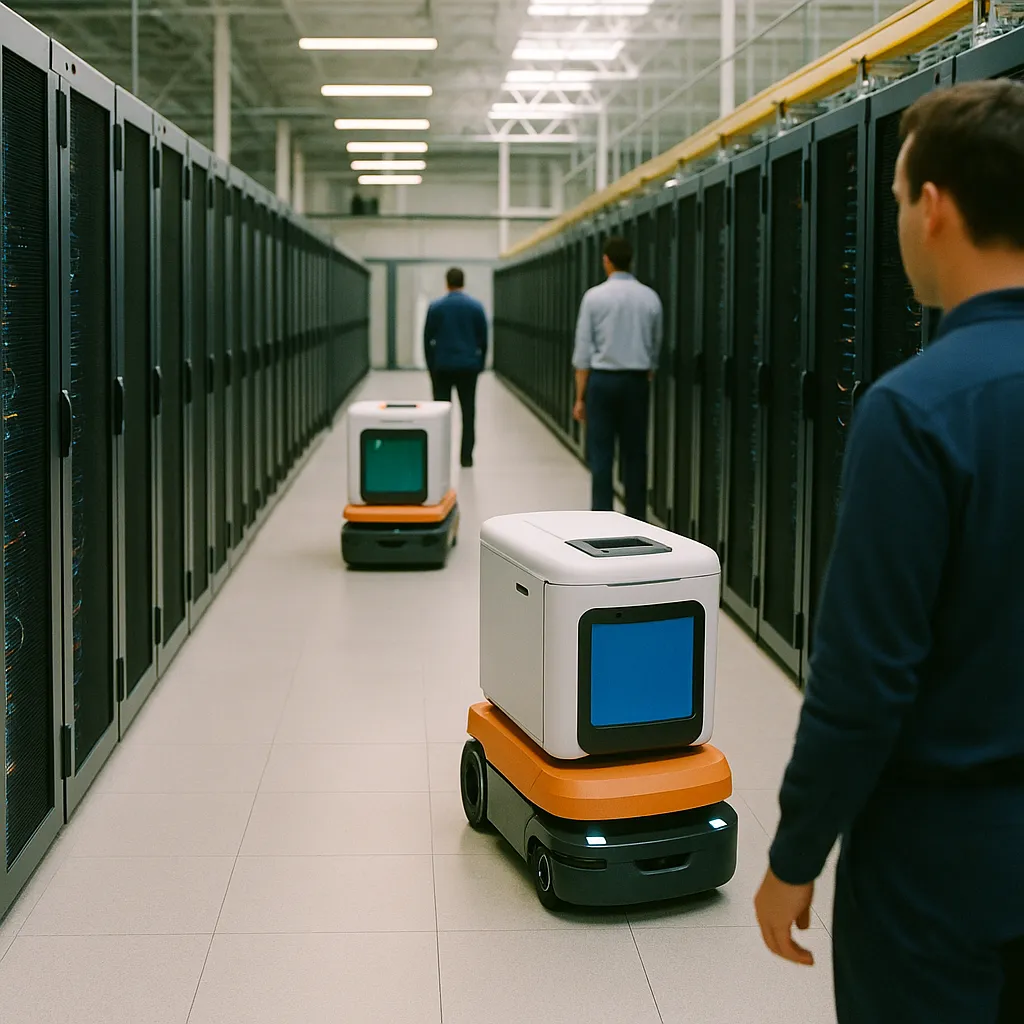
A data center featuring data center, robots, related to Robo.ai Hits $100M Monthly Revenue, Projects $600M for Full  from an unusual angle or perspective
Why this matters Robo.ai reported September revenue exceeding $100 million and raised its full-year guidance to approximately $600 million, reflecting surging commercial demand for AI-driven factory automation.

Robo.ai reported September 2026 revenue exceeding $100 million and raised its full-year guidance to approximately $600 million — the first time the industrial AI company has reached that monthly threshold and one of the fastest revenue trajectories in the physical AI sector. The figure underscores commercial demand for AI-driven factory automation that manufacturing executives have described as unlike anything in the prior decade.

The milestone places Robo.ai among the fastest-scaling industrial AI companies outside the US hyperscaler ecosystem — in a market that, unlike cloud AI, requires software to function reliably on the factory floor rather than in a data center.

What Robo.ai Does

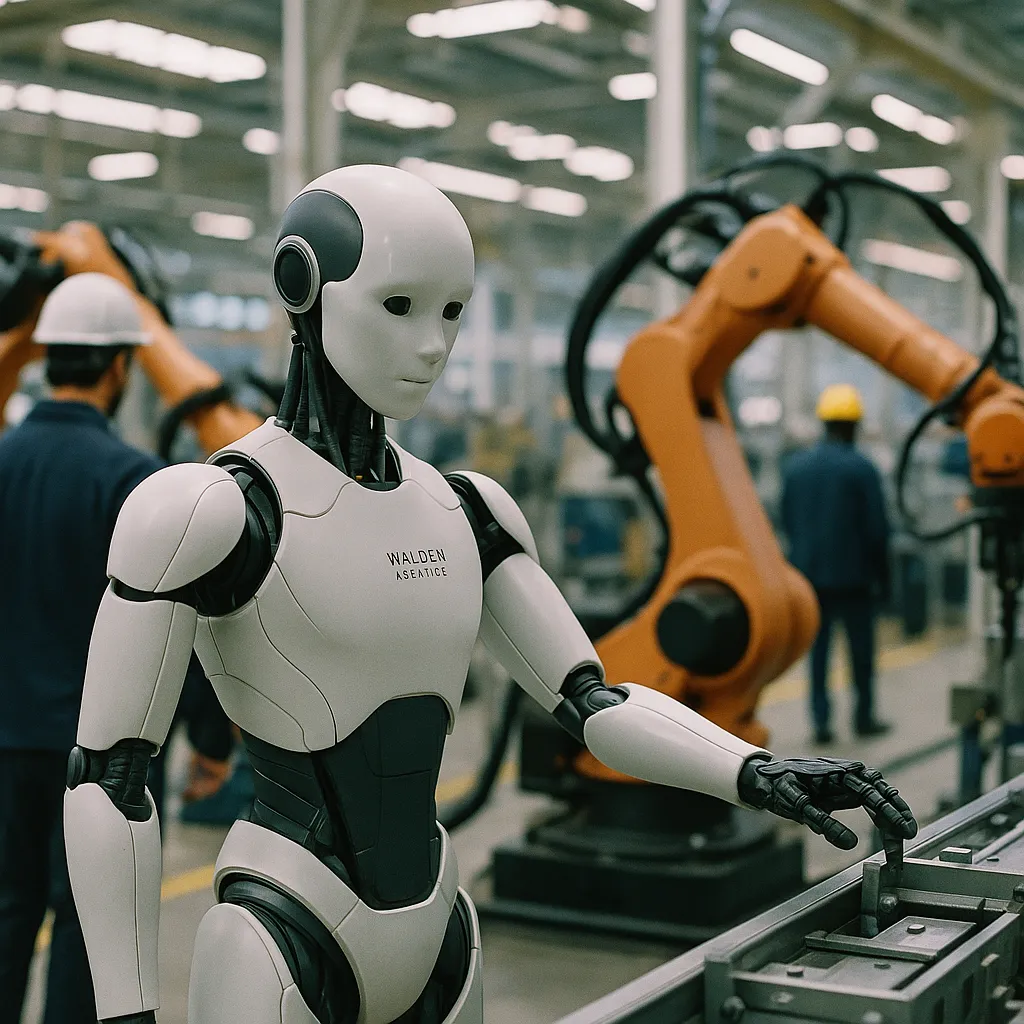
Robo.ai provides AI-driven automation software for manufacturing environments. Its platform enables robotic systems to operate with greater autonomy — adapting to new tasks faster, reducing setup time between production runs, and coordinating across mixed fleets of equipment from multiple manufacturers.

The key technical challenge Robo.ai addresses is flexibility. Traditional industrial robots are programmed for specific, repetitive tasks and require significant downtime and engineering effort to retask. Robo.ai's AI layer allows equipment to handle variability — different product SKUs, changing line configurations, irregular input materials — with substantially less manual reprogramming.

The Numbers Behind the Milestone

  • September 2026 revenue: Exceeded $100M — Robo.ai's first month at that threshold
  • Full-year 2026 guidance: Raised to approximately $600M
  • Global robot installations: More than 5 million industrial robots in factories worldwide, per the International Federation of Robotics
  • The company's $600M annual run rate would make it one of the largest pure-play industrial AI software companies not backed by a hyperscaler or industrial conglomerate

Why the Demand Is There

Two forces are converging in manufacturing. First, labor availability in factory work — particularly in North America, Europe, and East Asia — is structurally constrained. An aging workforce, immigration policy changes, and generational shifts in occupational preference have made it genuinely difficult for manufacturers to staff production lines at competitive wages.
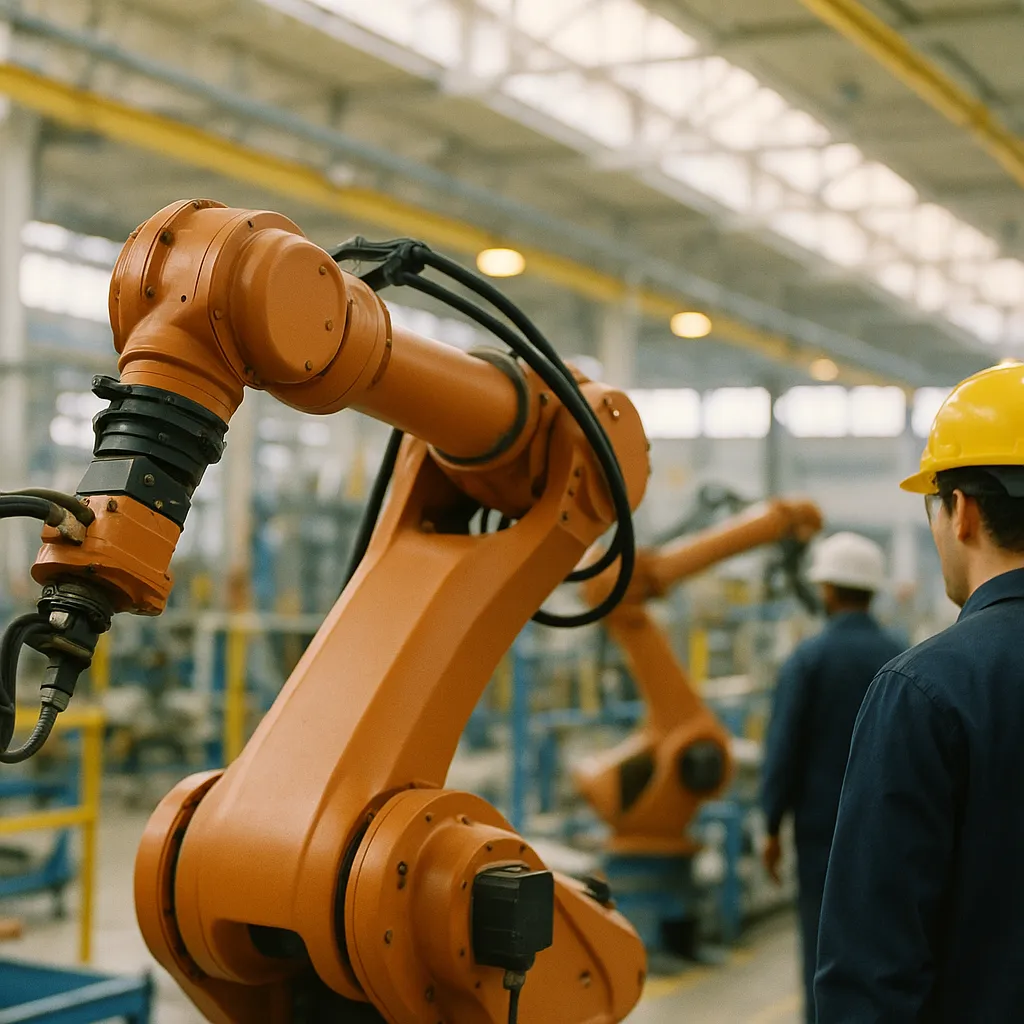
Second, the cost of AI-driven automation has dropped sharply. The combination of cheaper compute, better vision models, and improved robotic hardware means automation that cost $2M per station four years ago now costs a fraction of that. The return on investment calculus for manufacturers has shifted decisively.

The result: demand described as "off the charts" by factory operators who, as recently as 2023, were still primarily running fixed automation sequences installed in the 2010s.

What This Means

For manufacturers: Robo.ai's trajectory suggests the software integration layer — the AI that makes existing robots smarter and more flexible — is now the fastest-growing segment of the factory automation stack. Companies still running fixed-sequence automation face rising cost disadvantages against competitors who have upgraded to adaptive AI systems.

For the industrial AI sector: A $600M run rate from a non-hyperscaler signals that this market has matured beyond pilots and early deployments. The demand is real, the contracts are large, and the renewal rates are high enough to sustain that revenue trajectory.

For workers in manufacturing: The combination of a structural labor shortage and AI automation that directly fills that gap creates a compounding displacement effect. The argument that automation creates jobs in manufacturing — a claim that held reasonably well in earlier automation cycles — faces serious stress testing in 2026.

What to Watch

Whether Robo.ai pursues an IPO or a large private placement in 2027, given its revenue run rate. And how competitors — including Vention, Flexxbotics, and the software arms of large robotics vendors like FANUC and KUKA — respond to the emerging scale gap.


By Hector Herrera

Key Takeaways

  • ✓ September 2026 revenue:
  • ✓ Full-year 2026 guidance:
  • ✓ Global robot installations:
  • ✓ For the industrial AI sector:
  • ✓ For workers in manufacturing:

Did this help you understand AI better?

Your feedback helps us write more useful content.

Hector Herrera

Written by

Hector Herrera

Hector Herrera is an AI systems architect in Houston and founder of Hex AI Systems. He designs and runs AI systems in production and writes daily about how AI is reshaping business, government and everyday life. 20+ years building for the web. Houston, TX.

More from Hector →

Get tomorrow's AI briefing

Join readers who start their day with NexChron. Free, daily, no spam.

More from NexChron