China has embedded AI-powered robotics at the center of its 15th Five-Year Plan, directing state investment toward physical AI systems in factories, logistics, and construction.
China Makes AI-Powered Robotics Core of 15th Five-Year Plan, Targeting Industrial Leadership
By Hector Herrera | May 10, 2026 | Manufacturing, Government
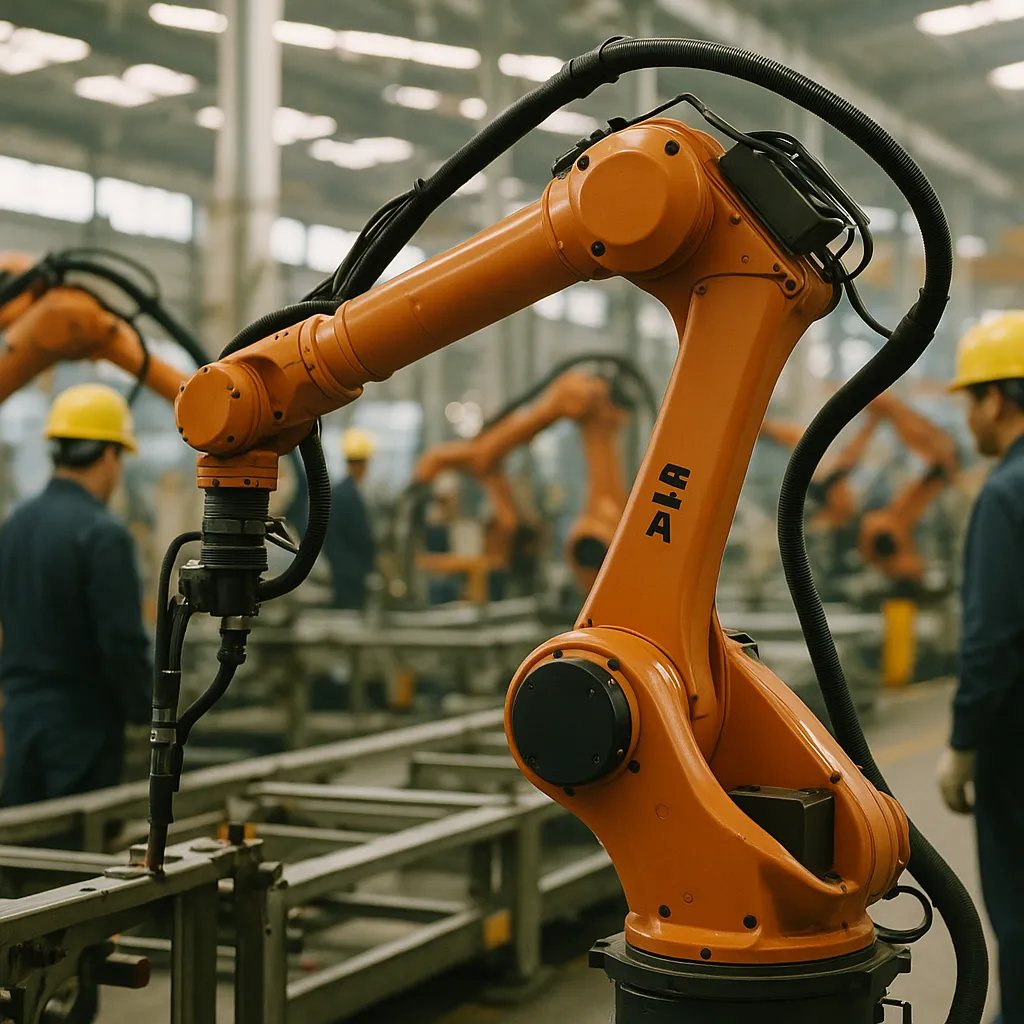
China has embedded AI-powered robotics at the center of its 15th Five-Year Plan — the country's most comprehensive government-backed manufacturing strategy yet — signaling a deliberate pivot from software-centric AI competition to physical, embodied AI systems operating in factories, logistics, and construction. The move represents the most concentrated state-directed push for industrial robotics any major economy has attempted, and it will reshape competitive dynamics in manufacturing for years.
Context
China's Five-Year Plans are binding policy frameworks that direct state investment, R&D subsidies, procurement preferences, and regulatory priority across the economy. The 15th plan, covering 2026–2030, places AI-powered robots in the same strategic tier as semiconductors and clean energy — sectors where China has already committed hundreds of billions in subsidies. The International Federation of Robotics (IFR), the authoritative global body tracking industrial automation, called the plan's alignment the most concentrated government-backed robotics push in history.
What the Plan Contains
The 15th Five-Year Plan directs resources across three interconnected areas:
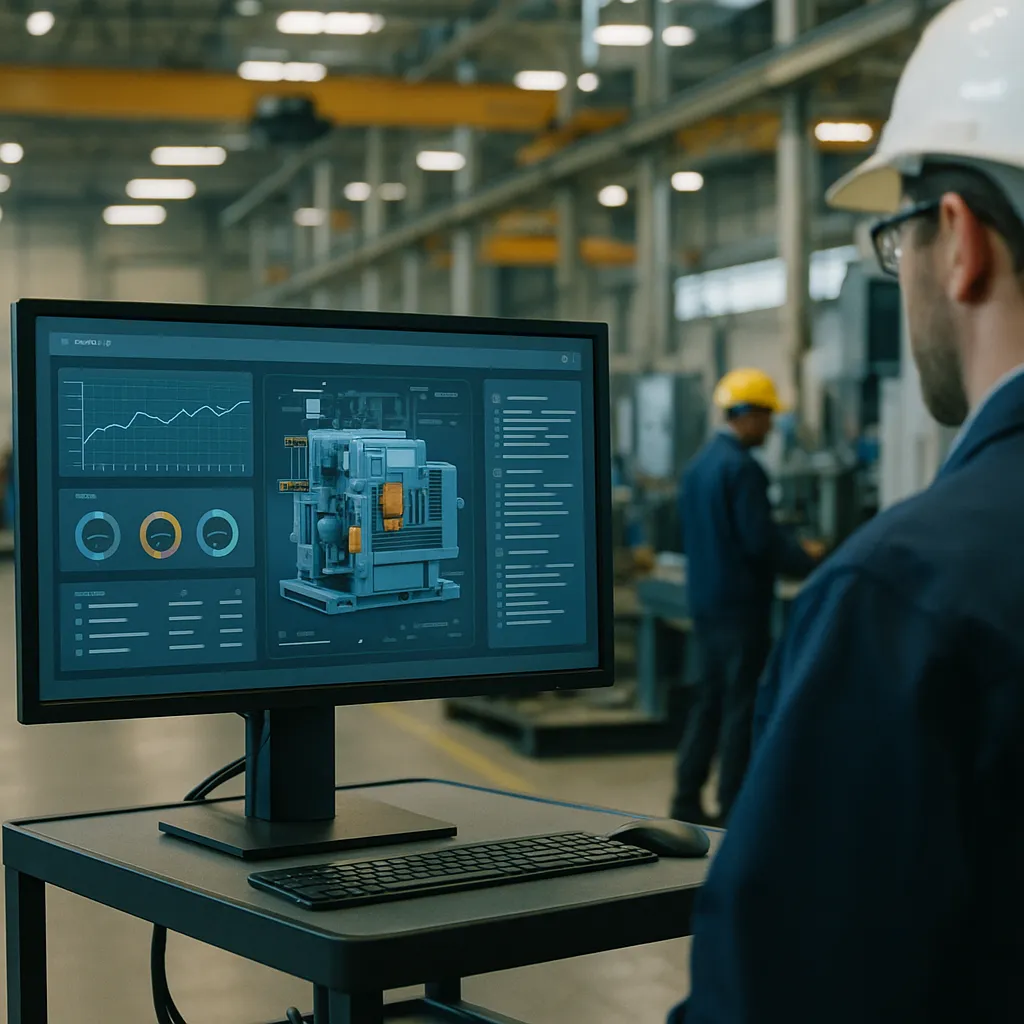
- Research funding — State capital is flowing toward physical AI: perception systems, dexterous manipulation, real-time edge inference, and multi-robot coordination at industrial scale
- State subsidies — Manufacturing companies deploying certified AI-powered robots in priority sectors (automotive, electronics, logistics, construction) are eligible for equipment subsidies and tax incentives
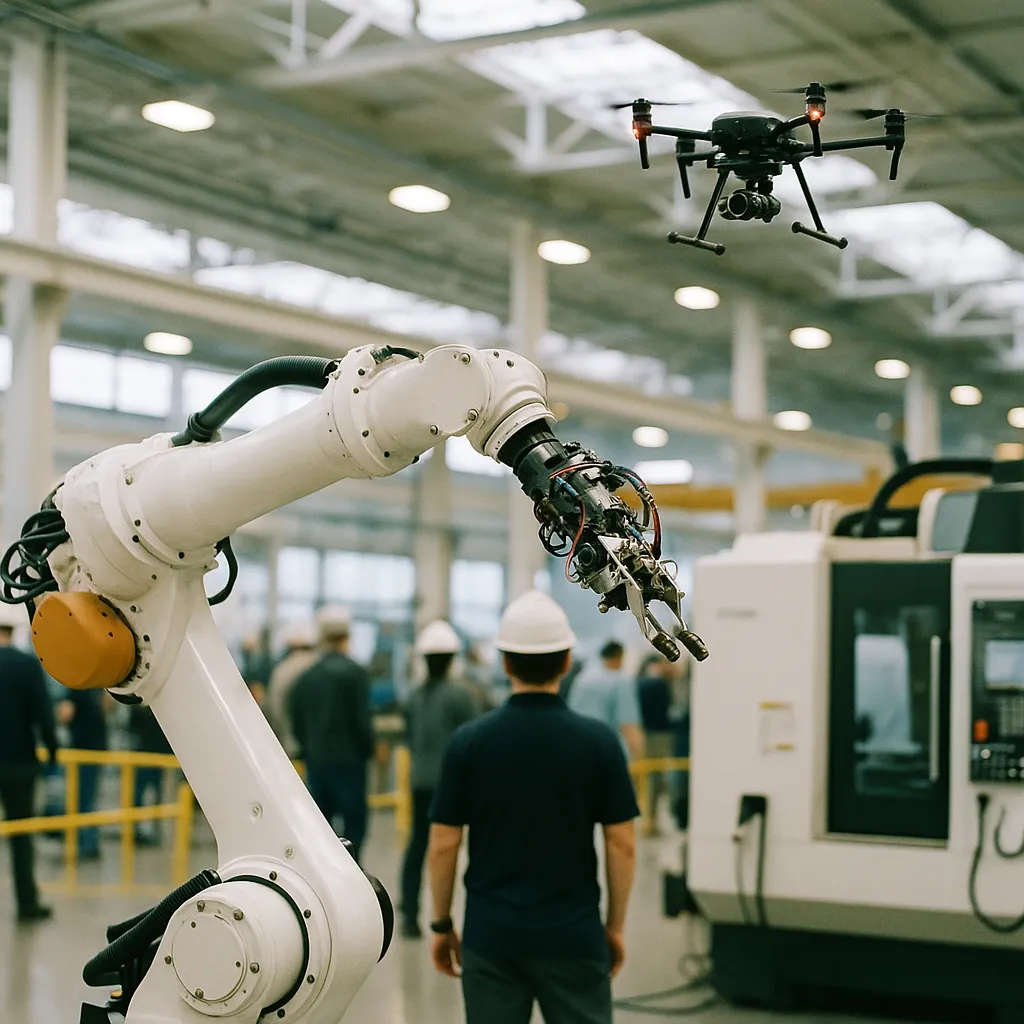
- Technology development mandates — Government labs and universities are tasked with bridging the gap between large language models and physical control systems, producing what Chinese state media calls "intelligent embodied AI"
The plan explicitly targets international competitiveness, naming robotics as a sector where China intends to move from fast-follower to market leader by 2030.
China's Current Position
China is already the world's largest market for industrial robots by volume. According to the IFR's 2025 data, China installed approximately 276,000 industrial robots in a single year — more than Europe and the Americas combined. But much of that capacity has been imported Japanese and European systems (ABB, Fanuc, KUKA). The 15th plan is designed to shift that equation: grow domestic brands, reduce import dependence, and turn Chinese robotics companies into exporters competing globally.
Get this in your inbox.
Daily AI intelligence. Free. No spam.
Companies like UBTECH, Unitree Robotics, and Fourier Intelligence are already shipping humanoid robots to domestic factory floors. The plan accelerates the competitive environment for all of them.
Why This Matters
For global manufacturers: Any company with supply chains running through Chinese factories will operate in an increasingly automated environment. That means renegotiating labor assumptions, updating quality control systems, and planning for factories where human headcount shrinks substantially over the plan's five-year horizon.
For Western robotics companies: The plan is a direct competitive challenge. Boston Dynamics, Figure AI, and European robot makers are racing to build the same physical AI systems China is now subsidizing at national scale. The difference is that China's approach is coordinated top-down across R&D, manufacturing, and procurement, while Western robotics competition is primarily market-driven.
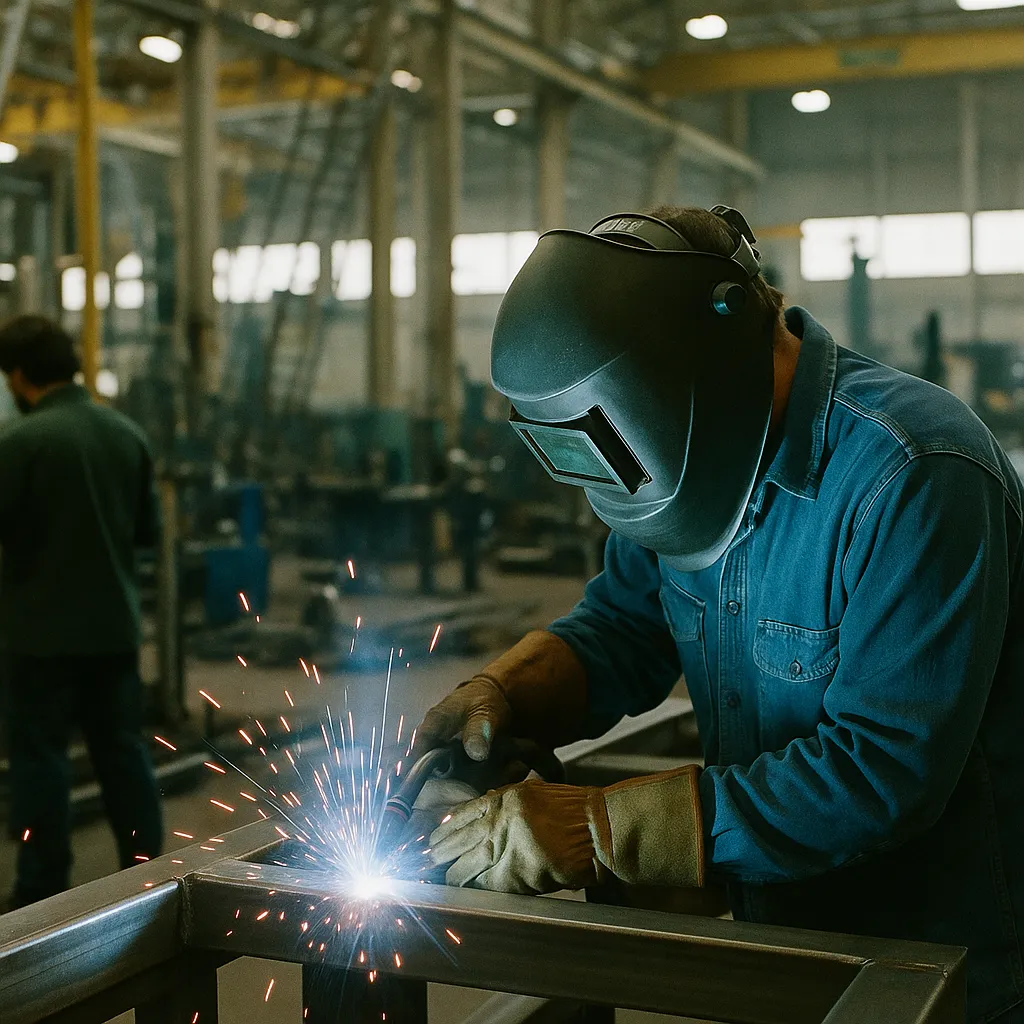
For workers in global supply chains: The IFR and labor economists have noted that China's automation push has historically displaced lower-wage manufacturing jobs domestically and put downward pressure on labor costs in competing economies. A faster, AI-accelerated automation wave in Chinese manufacturing will extend that pressure.
The Embodied AI Thesis
The strategic logic behind the 15th plan reflects a calculation visible in Beijing's planning documents: software AI — large language models, generative tools, cloud services — is becoming commoditized and hard to monopolize. Physical AI — robots that act in the real world, handle materials, navigate factories, and replace human labor in structured environments — is harder to copy, takes longer to deploy, and creates durable competitive advantages tied to physical infrastructure.
That calculation is not unique to China. Nvidia CEO Jensen Huang has made essentially the same argument in multiple public appearances, calling physical AI "the next wave." The difference is that China's government is funding and directing the wave rather than letting it emerge from venture capital alone.
What to Watch
The first concrete signal of the plan's scale will come from China's domestic robot deployment numbers in 2026 and 2027 — if state subsidies work as intended, installations of AI-powered systems should accelerate meaningfully above the already high baseline. Watch also for Chinese robotics exports to Southeast Asia and emerging markets, where lower-cost AI-integrated systems could displace legacy automation vendors in price-sensitive markets.
Source: International Federation of Robotics
Did this help you understand AI better?
Your feedback helps us write more useful content.
Get tomorrow's AI briefing
Join readers who start their day with NexChron. Free, daily, no spam.