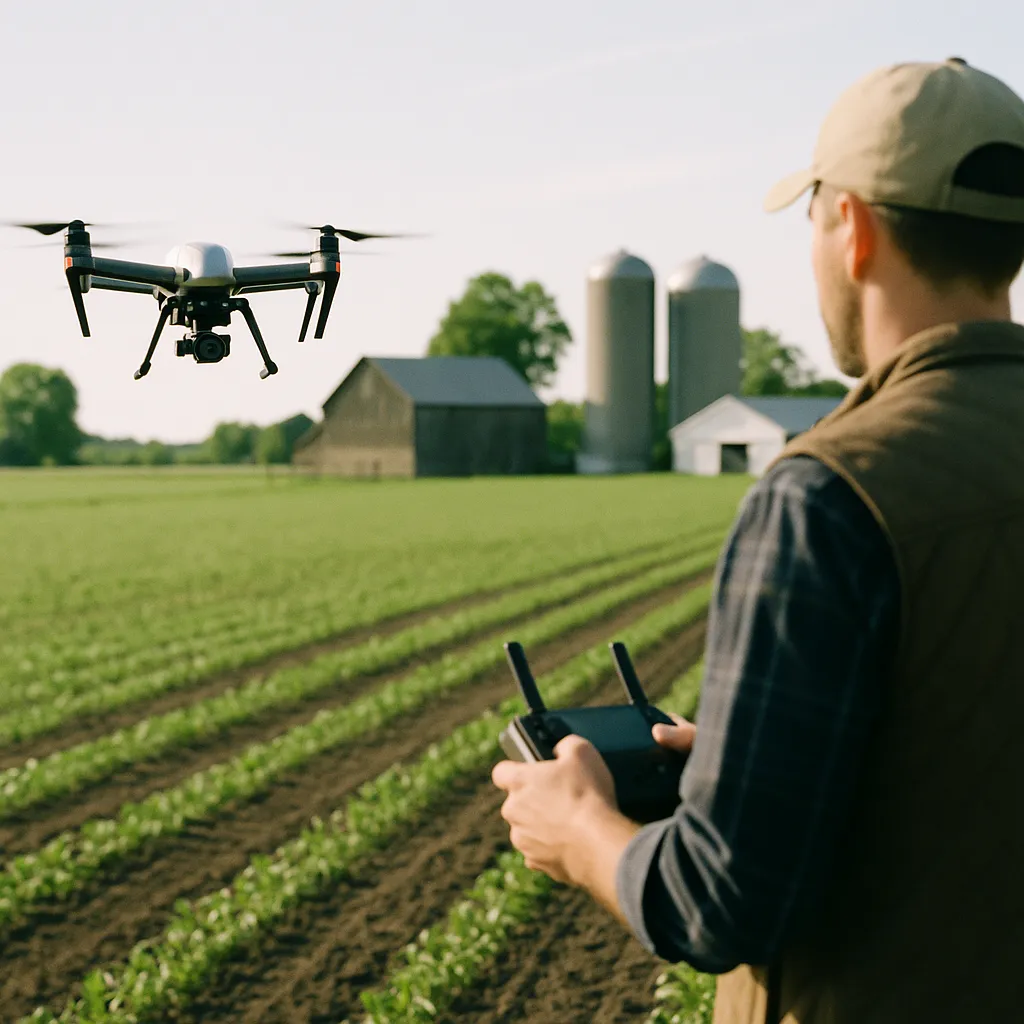
GEODASH Aerosystems' AI drone platform removes the pre-mapping step that has blocked smallholder adoption of drone-based precision agriculture — arriving as only 14% of North American farmers use AI at all.
GEODASH Aerosystems has deployed an AI-driven agricultural drone platform that eliminates the pre-mapping step traditionally required before field operations — removing one of the biggest friction points blocking small-scale farmers from adopting drone-based precision agriculture. The platform uses real-time AI vision and RTK positioning (Real-Time Kinematic GPS, accurate to within centimetres) to operate on fields it has never seen before.
The Pre-Mapping Problem
Understanding why this matters requires understanding what pre-mapping was and why it existed.
Until now, agricultural drones operated from a map of the field loaded before flight — boundaries, obstacles, elevation changes, crop row spacing. Creating that map required a separate survey mission, often with different equipment, conducted on a calm day before the actual operation. For large commercial farming operations with stable field configurations, pre-mapping is a manageable one-time investment that amortizes over many seasons.
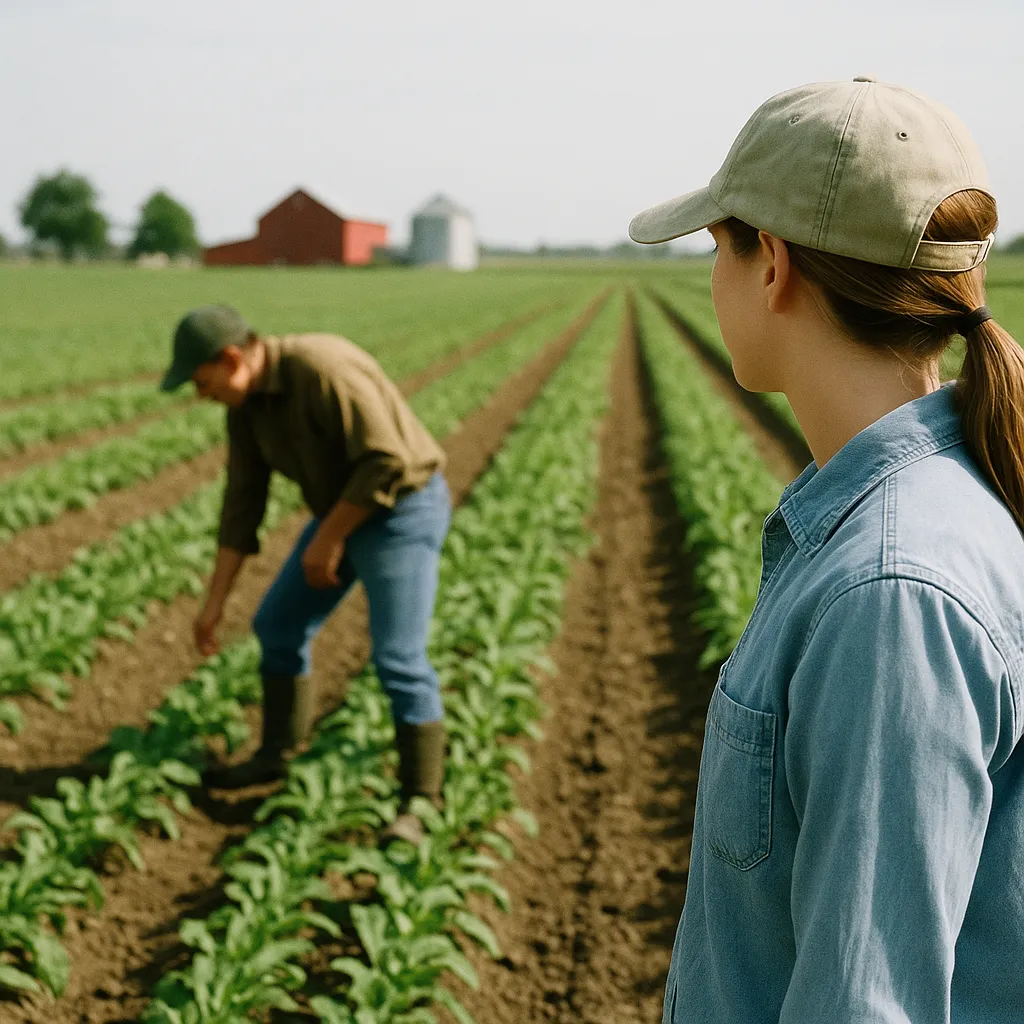
For smallholder farmers with smaller plots, varying crops, irregular field shapes, and limited technical resources, pre-mapping is a barrier. It requires either hiring a service provider to conduct the survey or investing time and equipment that many operations don't have.
GEODASH's AI-driven platform replaces pre-mapped flight paths with real-time AI vision that identifies field boundaries, obstacles, and crop conditions during the mission itself. RTK positioning provides the centimetre-level accuracy needed for precision application — targeted spraying, for example, where coverage gaps waste inputs and over-application damages crops. The result is a drone that can be deployed to a new field without prior setup, on demand.
The Adoption Gap AI Is Trying to Close
The technology development exists against a stark baseline. Bushel's [2026 State](/agriculture/state-farm-report-ai-adoption-14-percent) of the Farm report found that only 14% of North American farmers currently use AI tools of any kind — not just drones, but AI across the full spectrum of farm management software, market pricing tools, and decision-support systems.
That 14% concentrates heavily in large commercial operations. The farmers who stand to gain the most from precision agriculture — smallholders farming 50-500 acres, often without access to the agronomists and technical staff that large operations employ — are largely outside the adoption curve.
Get this in your inbox.
Daily AI intelligence. Free. No spam.
The reasons are consistent across surveys: cost, complexity, and a skills gap. Precision agriculture technology has been designed, priced, and marketed for large commercial farms. Pre-mapping requirements are one layer of that complexity stack. GEODASH's approach addresses one layer without necessarily solving the others — cost and support infrastructure remain.
What Precision Agriculture Actually Delivers
For farmers who do adopt it, precision agriculture AI produces measurable economic outcomes:
- Input reduction — variable-rate application of fertilizer, pesticides, and water based on real-time crop sensing reduces input costs 10-20% in documented trials
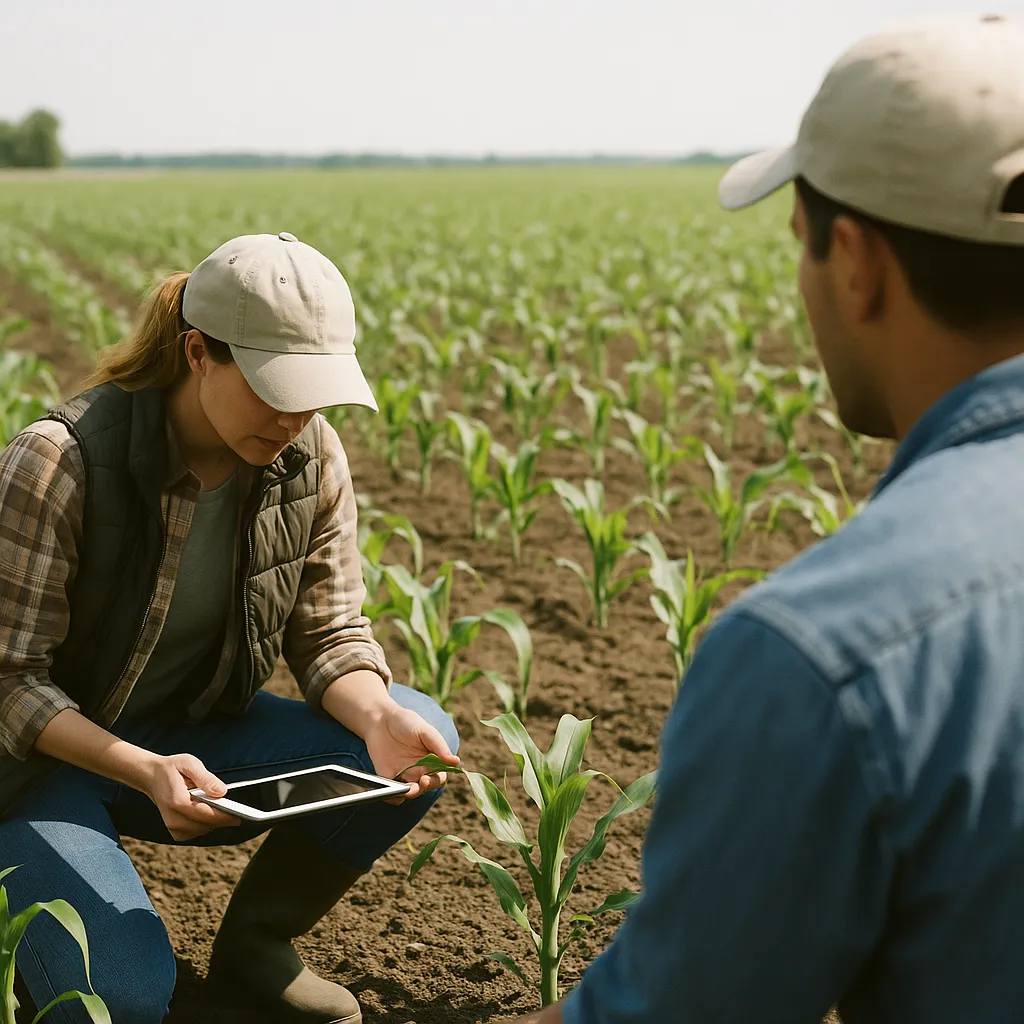
- Yield protection — early identification of disease, pest pressure, and nutrient deficiency allows intervention before yield loss compounds
- Labor substitution — drone-based operations cover terrain inaccessible or dangerous to ground equipment and reduce the per-acre time cost of scouting
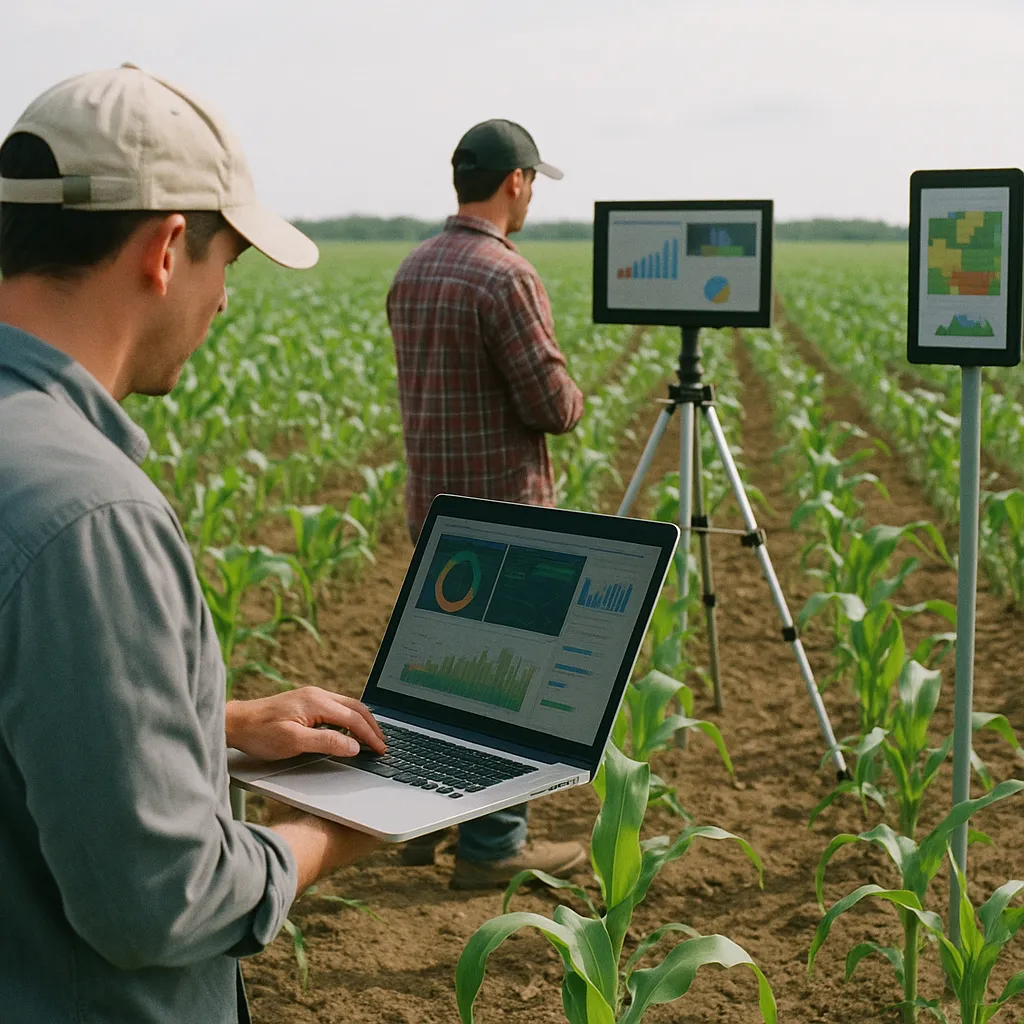
- Data continuity — repeated sensing missions build field history that improves future decision-making season over season
The challenge is that these benefits compound over time. The payback period for precision ag investment is typically 2-4 years in independent studies — a significant ask for operators farming on thin margins with limited capital access.
Where This Is Going
The GEODASH platform represents a specific technical solution to a specific problem. Eliminating pre-mapping lowers one rung on the adoption ladder, but doesn't eliminate the ladder. Drone cost, connectivity in rural areas, regulatory requirements for commercial drone operations, and ongoing software support all remain as barriers for smallholder adoption.
The larger trajectory points toward autonomous field scouting becoming a default service rather than a capital investment. AI vision quality has improved to where real-time analysis can identify crop stress, pest damage, and irrigation inconsistencies that previously required an agronomist walking the field. As drone hardware costs continue to fall — they've dropped roughly 60% over five years — the question is whether the software and support infrastructure can reach smallholder farmers through service models rather than direct ownership.
The historical pattern in farm equipment is instructive: most farmers don't own combines — they hire custom operators. The same model is already emerging in drone services, where operators run multi-farm routes rather than selling hardware to every grower. That's likely the path to reaching the 86% of farmers not yet using AI tools.
What to Watch
The Bushel 14% AI adoption figure is the benchmark to track. If it climbs toward 25% in next year's survey, it signals that usability improvements and service models are genuinely reaching the intended audience. If it stays flat, it indicates the technology-pull argument isn't sufficient and that economic or regulatory barriers are the real constraint.
Watch also for USDA program involvement. Federal agricultural support programs have historically accelerated technology adoption through subsidies, education programs, and demonstration projects. If precision ag AI qualifies for conservation or efficiency programs, adoption could accelerate faster than technology improvement alone would drive.
By Hector Herrera | April 20, 2026
Did this help you understand AI better?
Your feedback helps us write more useful content.
Get tomorrow's AI briefing
Join readers who start their day with NexChron. Free, daily, no spam.