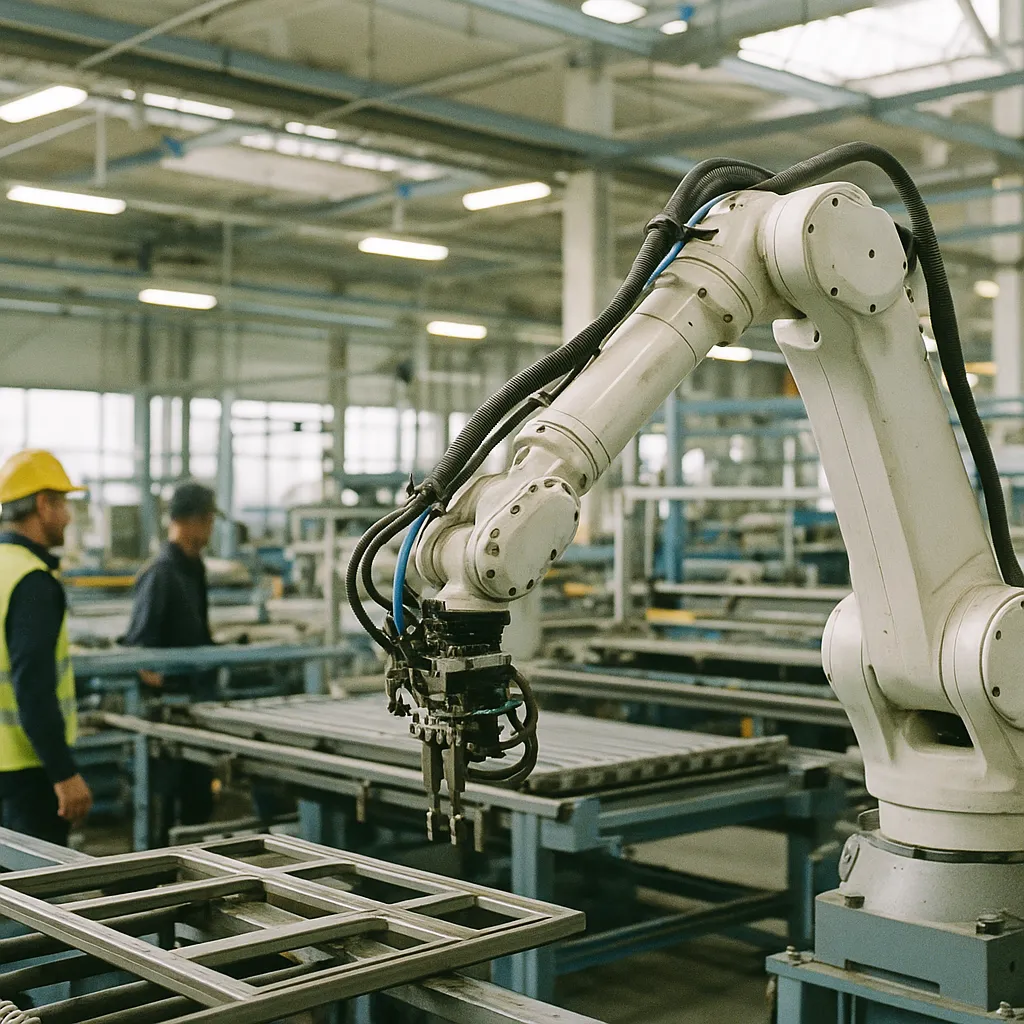
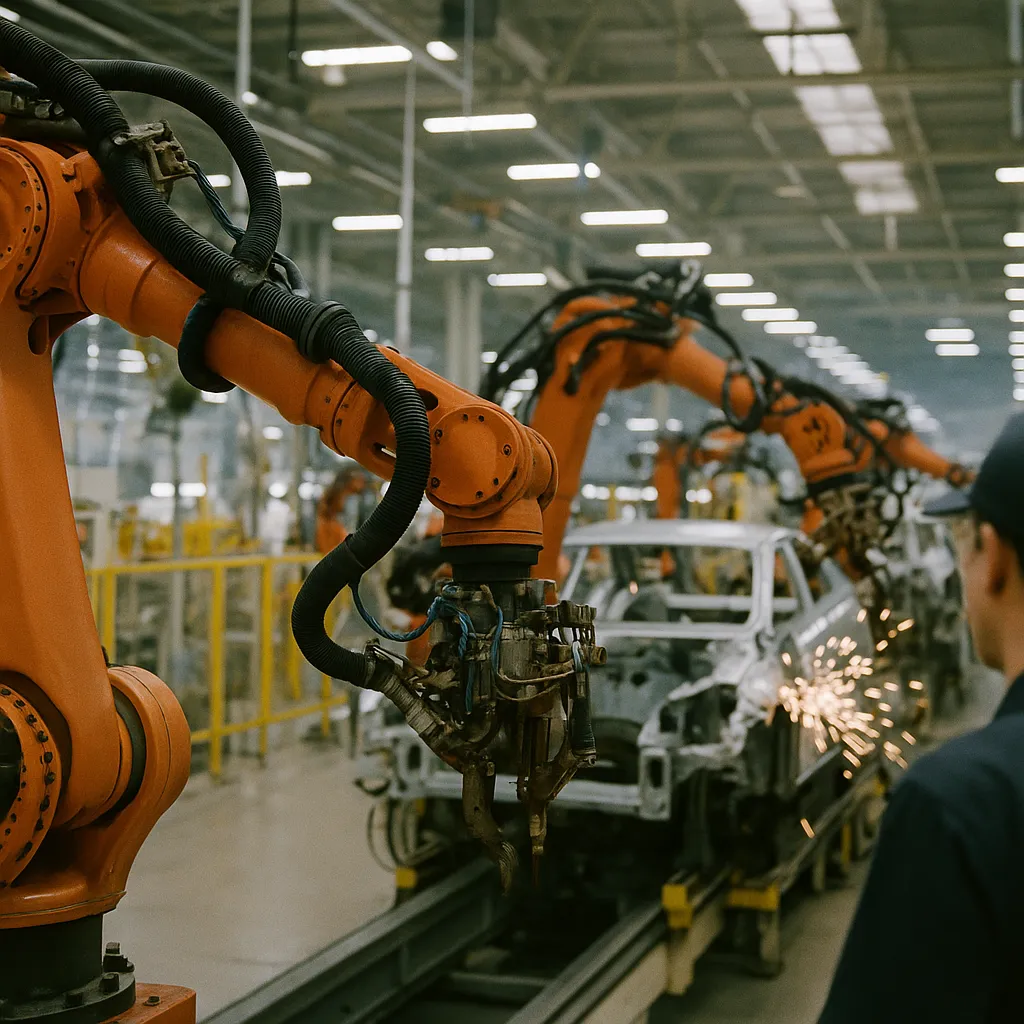
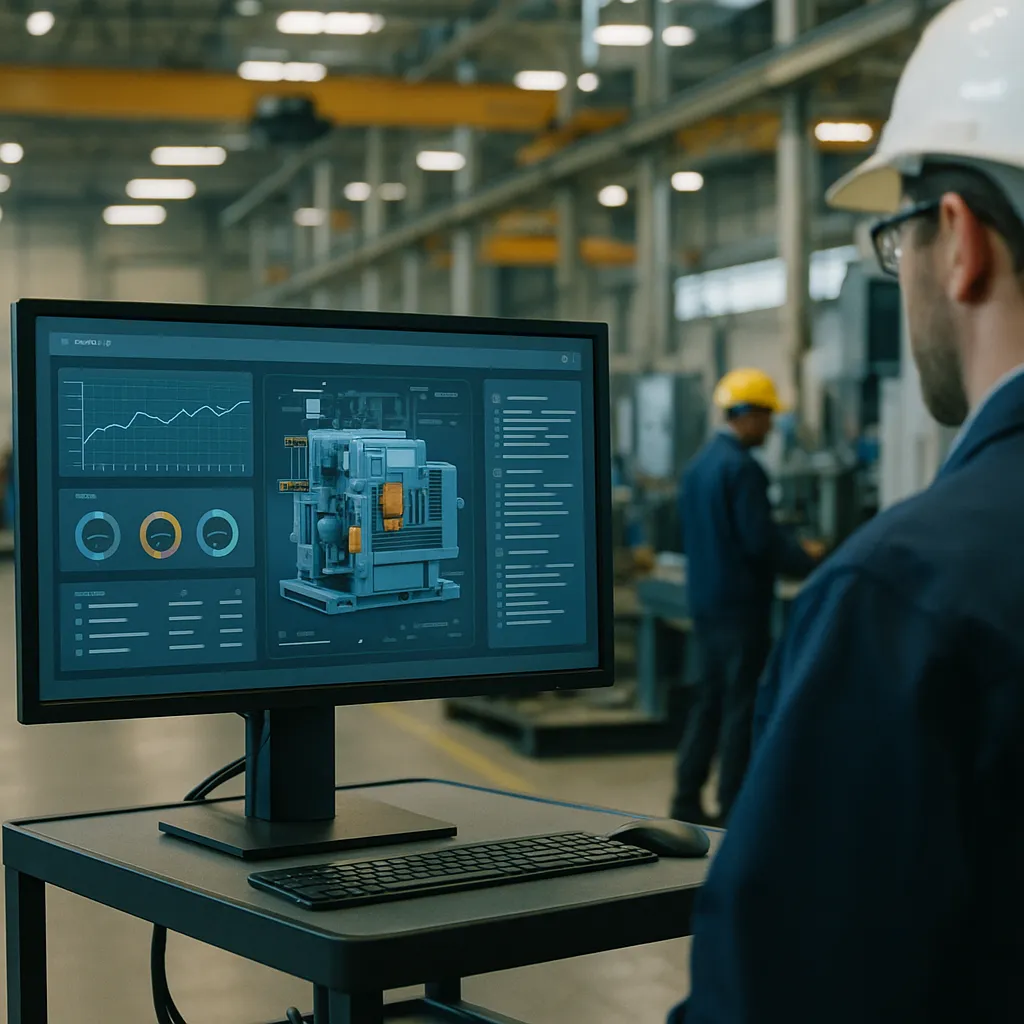
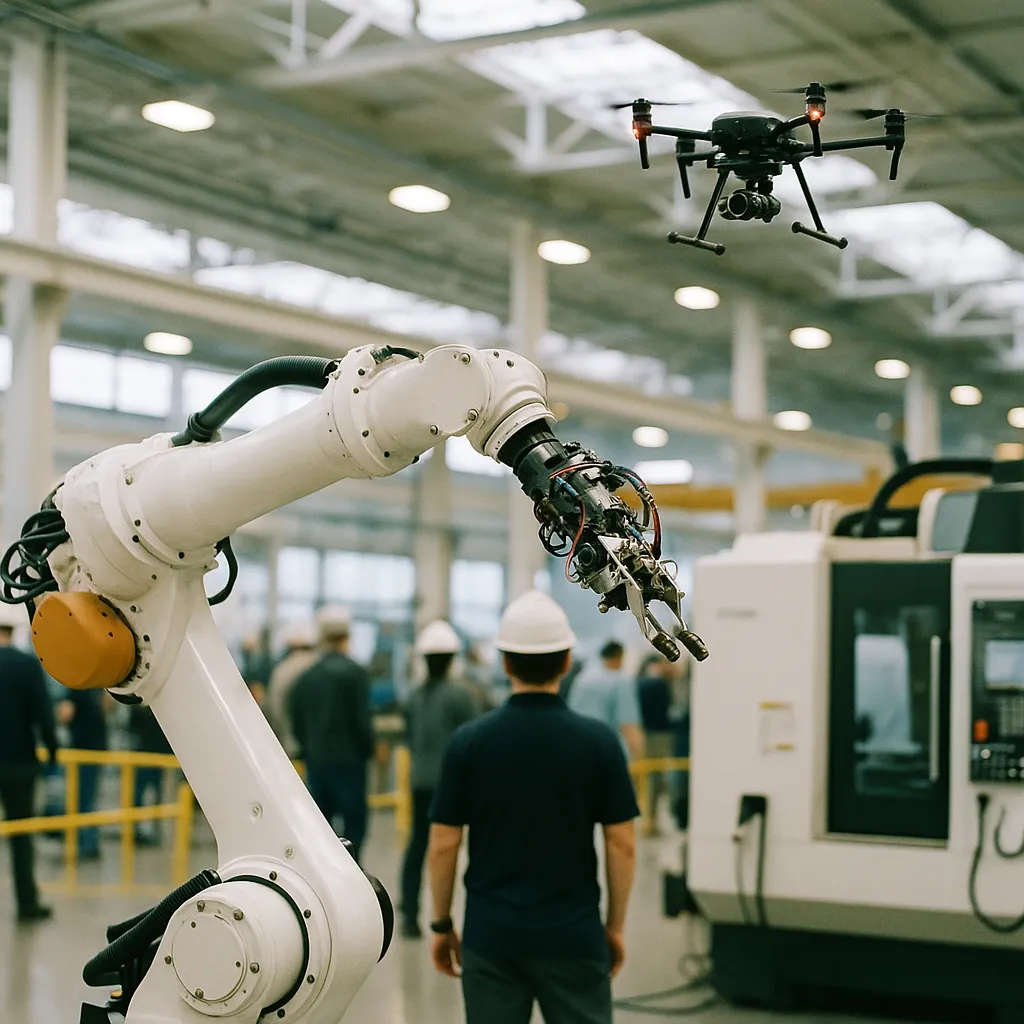
At AUTOMATE 2026, the industrial AI conversation has shifted from what the technology can do in pilots to what it's delivering in live production environments at scale.
Industrial AI has crossed a threshold. At AUTOMATE 2026, the conversation has shifted from what AI can do in controlled pilots to what it's delivering in live factory production environments — for efficiency optimization, quality control, and predictive maintenance at scale. The "pilot-to-production gap" that dominated industrial AI discussions for three years is closing.
The shift is significant because production deployment is not a better version of a pilot. Pilots are controlled, tolerant of failure, and typically run under innovation budgets insulated from operational accountability. Production deployments are tied to uptime metrics, defect rates, and quarterly cost targets. That companies at AUTOMATE 2026 are reporting production-scale outcomes rather than pilot results is the signal, according to Metrology News.
Physical AI Taught by Demonstration
The most consequential development on the AUTOMATE 2026 floor isn't a faster robot or a more accurate sensor. It's the emergence of physical AI systems that learn factory tasks by watching human workers — rather than requiring dedicated programming.
Traditional industrial robotics deployment requires robotics engineers who spend weeks or months programming exact movement sequences for each task. Change the task, change the product, or move the line — and you need another engineering engagement. For mid-tier manufacturers without in-house robotics engineering capacity, this has been the practical barrier to adoption even when the hardware economics were favorable.
Physical AI taught by demonstration eliminates that bottleneck. An operator performs a task while the system observes and builds a model of the motion and context. The robot executes. The operator corrects. The system improves. No specialized engineering required.
This isn't theoretical at AUTOMATE 2026. It's being demonstrated in production partnership with manufacturers, not in isolated lab conditions.
Get this in your inbox.
Daily AI intelligence. Free. No spam.
Key Partnerships Anchoring the Show
Fanuc, Kawasaki, and Stellantis are anchoring major new industrial AI partnerships at AUTOMATE 2026. The combination of Japanese precision robotics manufacturers and a major global automaker signals that industrial AI at production scale isn't being driven by startups with compelling demos — it's being adopted by the operators who cannot afford system failures.
Stellantis in particular represents a proof-of-concept at automotive scale: production volumes, quality tolerances, and safety standards that leave no margin for immature technology. Its presence as an AI deployment partner at the show validates that industrial AI has met the bar for environments where failure costs are high.
What Production Deployment Actually Looks Like
Efficiency optimization: AI systems analyzing production line sensor data in real time identify throughput bottlenecks and adjust equipment parameters faster than human operators can respond. Plants running AI optimization are reporting 5-15% throughput improvements on established lines.
Quality control: Computer vision running on production lines detects surface defects, dimensional deviations, and assembly errors at rates and consistency levels that human inspectors cannot match at scale. The practical implication is fewer defect escapes to downstream customers — and better data on where quality problems originate.
Predictive maintenance: AI models trained on equipment sensor data identify failure signatures before breakdowns occur. The shift from scheduled maintenance to predictive maintenance reduces both unplanned downtime (which is expensive) and unnecessary scheduled maintenance (which is also expensive and disrupts production flow).
What This Means for Mid-Tier Manufacturers
The "taught by demonstration" model is particularly significant for manufacturers outside the Fortune 500. Large automakers and consumer electronics manufacturers have had the engineering resources to implement industrial robotics for decades. The new accessibility is for mid-tier operations — job shops, specialty manufacturers, regional producers — that couldn't previously afford the integration overhead.
If a production-ready AI system can be deployed by an operator showing it what to do rather than by an engineer programming what to do, the economics of industrial AI adoption change structurally for the 95% of manufacturers who aren't running automotive-scale operations.
What to Watch
How quickly the demonstration-based learning model expands beyond showcase partnerships into standard manufacturing practice. The AUTOMATE 2026 partnerships suggest the technology is ready; the question is whether the sales and implementation channels can reach mid-tier manufacturers at speed. Also watch for quality and reliability data from the Stellantis and other production deployments — the first real-world performance numbers will either confirm or complicate the production-readiness narrative.
Sources: Metrology News
Did this help you understand AI better?
Your feedback helps us write more useful content.
Get tomorrow's AI briefing
Join readers who start their day with NexChron. Free, daily, no spam.