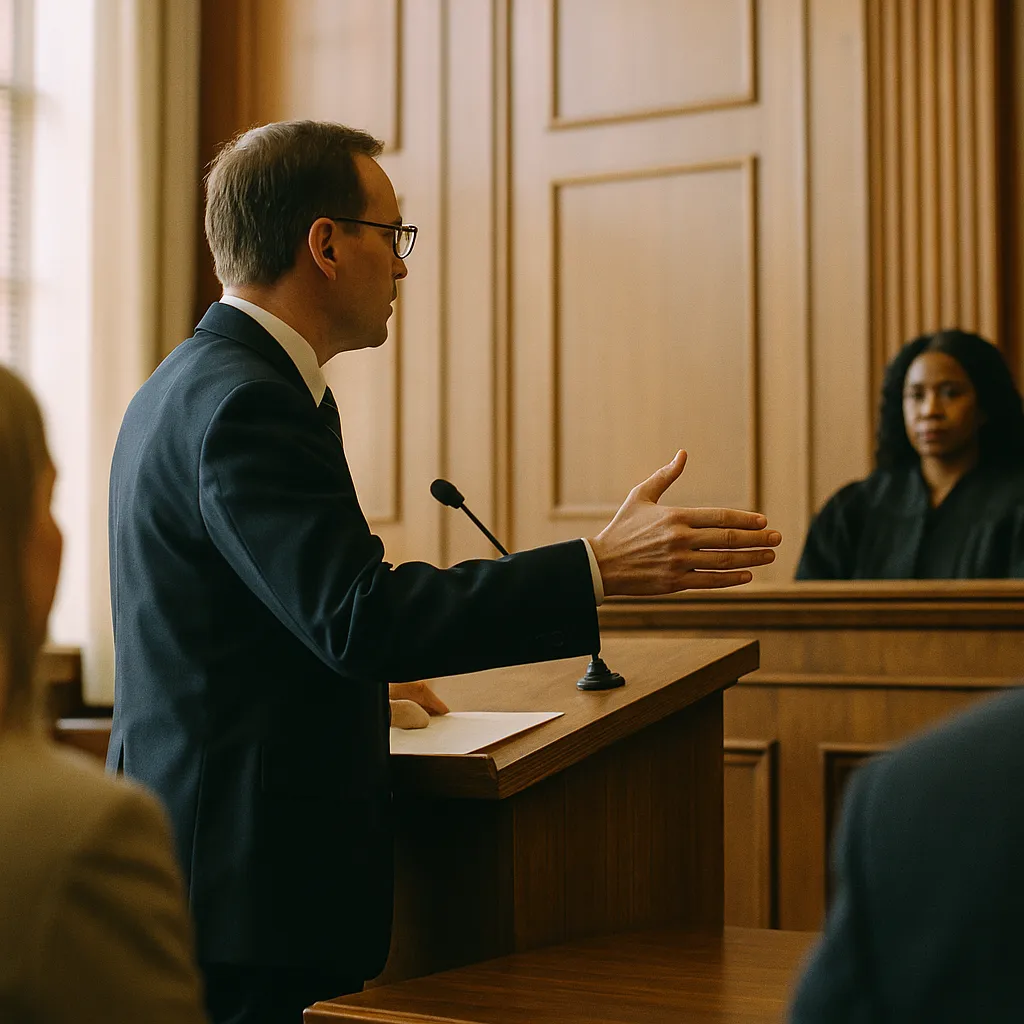
California became the first state to prohibit attorneys from delegating legal work to AI, banning confidential client data from AI tools and requiring human verification of all AI-generated citations. The law takes effect January 1, 2027.
California Becomes First State to Ban Attorneys From Delegating Legal Work to AI
By Hector Herrera | October 4, 2026
California just handed the legal industry its most restrictive AI rule yet. Governor Gavin Newsom signed legislation making California the first state to prohibit attorneys from delegating the practice of law to artificial intelligence — and the implications stretch from San Francisco law firms to the American Bar Association's model rules.
The law bans three things: assigning legal work to AI, entering confidential client data into AI systems without compliant safeguards, and filing documents containing AI-generated citations without individual attorney verification. Every filing must carry a personal attorney signature certifying compliance. The law takes effect January 1, 2027.
The Problem It's Solving
Courts have been dealing with AI-generated legal filings since 2023, and the results have been damaging. Attorneys have filed briefs citing cases that don't exist — hallucinated by tools including early Harvey AI implementations and generic ChatGPT use. Courts in at least 21 jurisdictions had issued AI-related rules by mid-2026, but those rules focused almost entirely on disclosure. Attorneys had to say they used AI. They did not have to stop using it as a substitute for judgment.
In 2026, a UK solicitor became the first lawyer disbarred specifically because of AI-hallucinated citations submitted to a court. That case accelerated legislative action in California, where bar associations had been drafting guidance without binding authority for over two years.
The core problem is not that attorneys use AI. It's that some attorneys have treated AI output as a replacement for legal judgment — submitting its work product with minimal review. California's law explicitly closes that gap.
What the Law Actually Says
The legislation covers three specific prohibitions:
- No AI delegation. Attorneys cannot assign the practice of law to an AI system. This covers legal analysis performed on behalf of a client, drafting documents where the legal judgment is AI-generated, and strategic legal advice. AI can assist; it cannot practice.
- Confidential data prohibition. Client information cannot be entered into any AI platform — including enterprise-licensed tools — without explicit client consent and State Bar-compliant safeguards. This effectively requires documented consent workflows and audit trails that most current legal AI deployments lack.
- Mandatory citation verification. Every citation produced or touched by AI must be manually confirmed by a licensed attorney before filing. The standard is not "the AI said it's accurate" — it's "I personally verified this citation is real and says what I claim."
The law also extends to arbitrators, covering AI use in arbitration proceedings. That's significant because a growing share of commercial disputes bypass courts entirely through private arbitration — a gap that existing AI-in-courts rules never reached.
Get this in your inbox.
Daily AI intelligence. Free. No spam.
What It Means for Legal AI Vendors
Harvey AI, which has raised over $300 million and is deployed at major firms including Allen & Overy and Latham & Watkins, will need to reconfigure its California offering. So will Thomson Reuters CoCounsel, Lexis+ AI, and every other platform currently marketed around automating legal workflows.
The confidential data prohibition is especially impactful. Most legal AI products process client documents in cloud environments. Compliance will require either explicit per-client consent frameworks, private or on-premises deployment architectures, or a fundamental redesign of how these tools handle client matter data.
Every AmLaw 100 firm has California offices. That means every major law firm in the country must audit its AI tool stack against the new requirements before January 1 — not because California is the only market, but because California attorneys within those firms must comply regardless of where the matter originates.
The downstream effect on enterprise sales cycles is immediate. Procurement and IT legal teams at large firms will need compliance sign-off before renewing or expanding AI tool contracts.
How Other States Will React
California functions as a national laboratory for legal reform, and bar associations across the country are watching closely. The American Bar Association has been developing formal AI guidance since 2023 but has not issued binding model rules.
The gap between California's prohibition and most other states' disclosure requirements creates a complex situation for attorneys admitted in multiple jurisdictions: different rules apply depending on where the matter is filed. That inconsistency pushes the ABA toward clearer federal-level model guidance — or locks the industry into a state-by-state compliance patchwork that no one in the profession wants.
New York, the other dominant legal market, has its own bar guidance under development. Texas, where several large firms have aggressively expanded AI deployments, will likely emerge as the contrast case — and a test of whether restrictive state rules create competitive pressure on legal markets in less-regulated jurisdictions.
What to Watch
The State Bar of California will issue implementation guidelines before the January 1 effective date. The central interpretive question is what qualifies as "delegating the practice of law" — that phrase will define the law's practical scope and will be the subject of the first test cases.
Federal courts sitting in California will need to reconcile the state rule with their own standing AI orders. Some federal courts have more permissive disclosure-based frameworks; California-admitted attorneys in federal practice will face conflicting obligations until that gap is addressed.
Legal AI vendors have until year-end to comply, restructure their California offering, or exit the market for client-matter work. For most, that means building consent management systems, human-in-the-loop verification steps, and client disclosure workflows into tools that were sold specifically on reducing the human review burden.
Hector Herrera is the founder of NexChron and builds AI systems at Hex AI Systems.
Did this help you understand AI better?
Your feedback helps us write more useful content.
Get tomorrow's AI briefing
Join readers who start their day with NexChron. Free, daily, no spam.