A federal judge dismissed a copyright lawsuit by news publishers against Google's AI Overviews, ruling AI-generated summaries are transformative fair use — a precedent that shields AI search features across the industry.
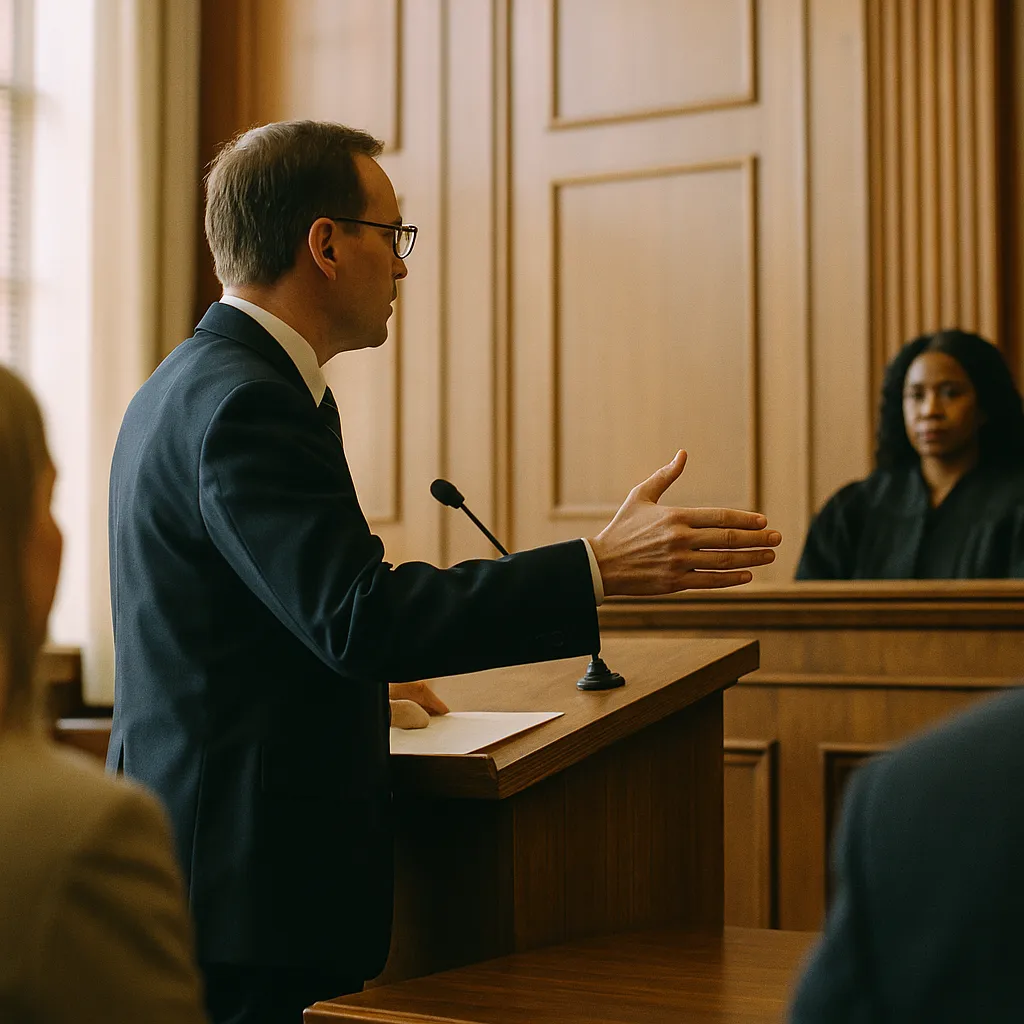
A federal judge dismissed a lawsuit filed by news publishers against Google's AI Overviews feature, ruling that AI-generated summaries of news content constitute transformative fair use under current US copyright law. The decision is the most significant judicial statement yet on AI's relationship to the web's publishing economy — and it lands squarely in Google's favor.
What the Court Decided
The publishers argued that AI Overviews violated copyright by extracting the core informational value from their articles — the reporting, research, and editorial judgment — and presenting it to users without redirecting traffic or paying licensing fees. The judge rejected that framing, holding that AI-generated summaries are transformative works because they synthesize and reframe content rather than reproduce it verbatim.
Transformative use is a recognized defense under the US Copyright Act's fair use doctrine. Courts applying it ask whether the new work adds new expression, meaning, or message rather than simply substituting for the original. The ruling treated AI summarization as a transformation similar in kind to how courts have treated other derivative uses — search engine indexing, academic quotation, and commentary — rather than as reproduction.
Why Publishers Filed
The publishers' core complaint was economic, not philosophical. AI Overviews give users the answer they were seeking — the drug interaction, the legal deadline, the news summary — without the click that used to fund the publication that produced it. Traffic data from multiple publishers showed measurable declines in referral visits from Google following AI Overviews' broad rollout in 2024. Less traffic means less advertising revenue, which means less capacity to fund original reporting.
Get this in your inbox.
Daily AI intelligence. Free. No spam.
The lawsuit was an attempt to establish a legal right to compensation for that lost economic value — either through required licensing payments or through mandatory traffic referral. The dismissal leaves publishers with neither.
The Precedent Problem
The ruling's reach extends well beyond Google. Any AI system that summarizes web content — Microsoft Copilot, Perplexity, ChatGPT's search feature, and hundreds of smaller AI search tools — operates on the same technical and legal logic. A favorable ruling for publishers would have opened those systems to similar claims. The dismissal instead provides a clear, recent judicial statement that AI search summaries are fair use, which will be cited in every future case involving AI and published content.
It also affects the ongoing negotiations between publishers and AI labs over training data licensing. Publishers arguing for mandatory licensing fees for AI training can no longer point to a parallel court victory in the search context as leverage.
What Publishers Can Do Now
The options remaining are narrower than they were before the ruling:
- Appeal. The publishers are expected to challenge the decision at the circuit level. A different panel of judges could reach a different conclusion, and the Supreme Court has not addressed AI-specific fair use questions.
- Legislative reform. Media industry groups have already drafted model legislation that would create a statutory right to compensation when AI systems use published content commercially. The dismissal adds urgency to those lobbying efforts but does not guarantee congressional action.
- Robots.txt and access restrictions. Publishers can block AI crawlers from indexing their content, preventing it from appearing in AI Overviews — but that also removes them from search results entirely, an unacceptable trade-off for most outlets.
- Direct licensing deals. Some publishers have negotiated licensing agreements with AI labs. The Associated Press and News Corp have both struck such deals with OpenAI. The dismissal may reduce the leverage publishers hold in those negotiations.
What to Watch
The appellate timeline will determine how long the current legal uncertainty persists. Given the economic stakes — web publishing revenue runs into billions of dollars annually — publishers are unlikely to accept the district court ruling as final. If the case reaches the Supreme Court, it would be the first time the court has directly addressed AI and copyright fair use, a ruling that would have consequences well beyond search.
The more immediate signal is whether Congress moves on any of the pending AI-and-copyright legislation. Bipartisan concern about the AI's impact on journalism has produced sympathetic rhetoric on Capitol Hill; whether that translates into a legislative vehicle capable of passing is a different question.
Did this help you understand AI better?
Your feedback helps us write more useful content.
Get tomorrow's AI briefing
Join readers who start their day with NexChron. Free, daily, no spam.