Hero Group's Qubo argues India's smart home market needs AI embedded in individual devices at accessible price points, not expensive hubs — a direct challenge to Apple and Google's Western model.
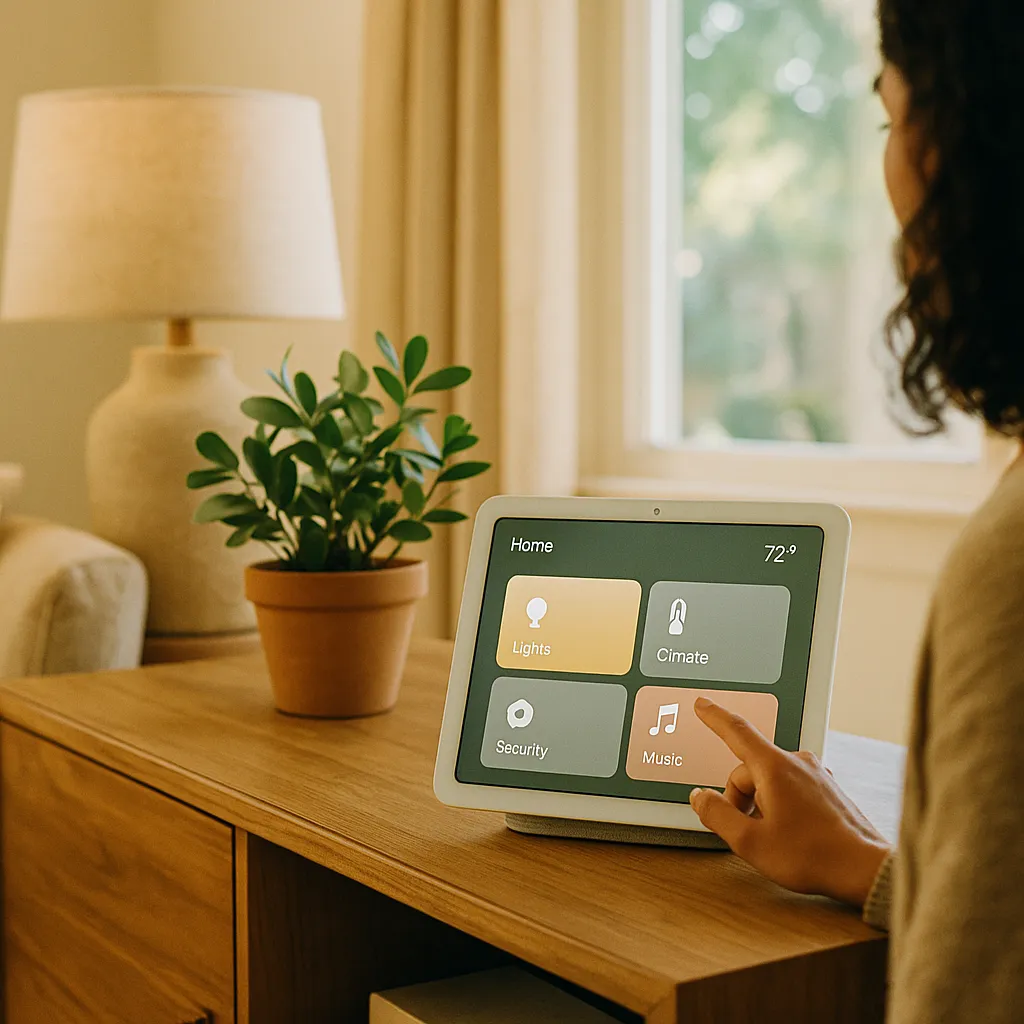
Hero Group's Qubo IoT brand made a pointed argument at India Mobile Congress 2026: the Western hub-centric smart home model — build everything around an Apple HomePod, a Google Nest, or an Amazon Echo — will not transfer to India or the broader emerging market that India represents. The path forward for the world's largest cohort of new smart home buyers is AI embedded directly in individual devices, at price points those buyers can actually afford.
The argument is commercially motivated but structurally sound. And if Qubo is right, it means the AI-in-the-home story in emerging markets will look fundamentally different from the story Apple and Google are telling in the United States and Europe.
The Hub Problem in India
Hub-centric smart home architecture assumes a few things: reliable broadband, a household income that supports a ₹30,000–₹40,000 central hub, and a consumer who wants to manage a unified device ecosystem. In India's urban market, some of those conditions exist. In India's Tier 2 and Tier 3 cities — where the next 150 million connected households are — they largely do not.
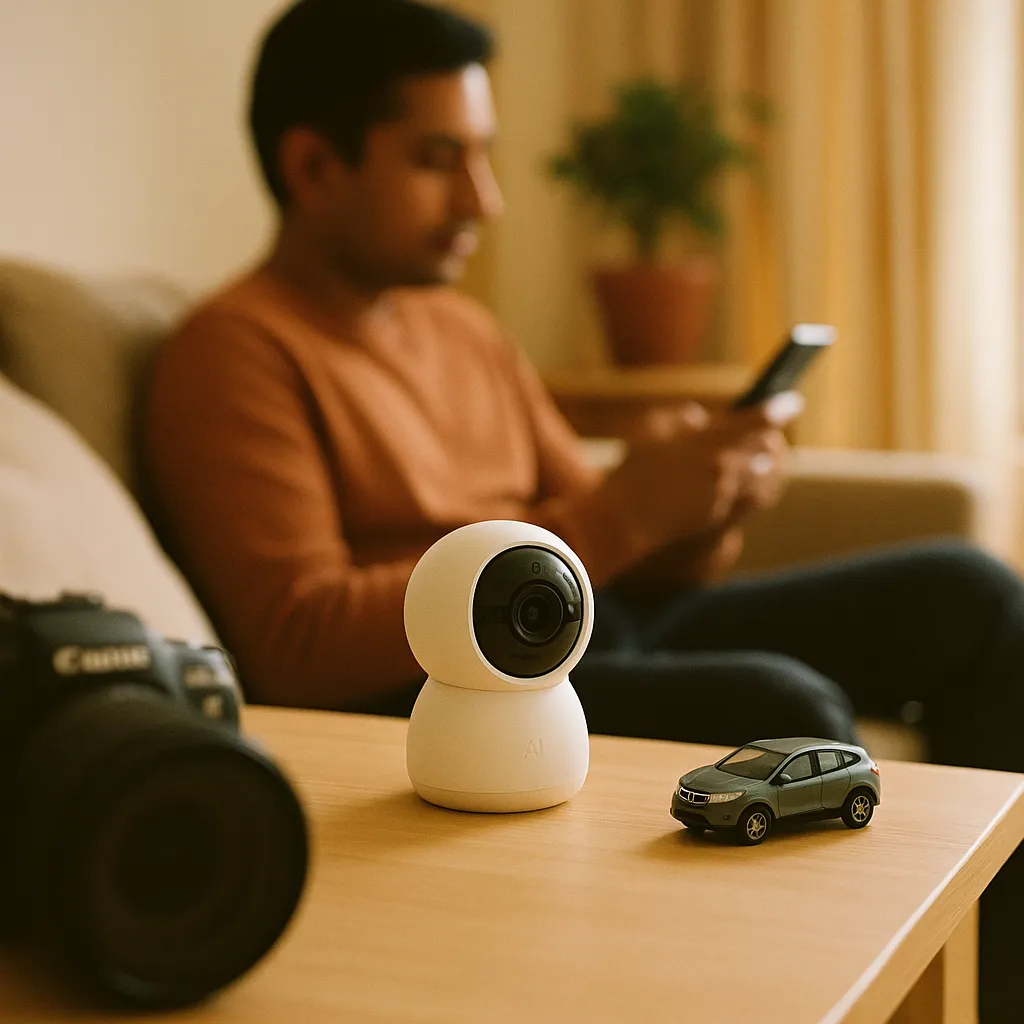
Qubo's position at IMC 2026 is that the smarter approach is to build the intelligence into the device itself. A ₹3,000 AI doorbell that can recognize faces, detect packages, and send contextual alerts does not need a hub. A ₹2,500 AI camera that processes motion detection locally and distinguishes between a person and a passing car does not need a central controller. The AI lives in the device. The device connects to the phone. Done.
What "AI in the Device" Actually Means
The technical shift Qubo is describing is inference at the edge — running AI models directly on the device's processor rather than sending data to a cloud server or a central hub for processing. This requires purpose-built chips (Qubo uses custom AI inference modules in its devices) and optimized models small enough to run on low-power hardware.
Get this in your inbox.
Daily AI intelligence. Free. No spam.
Edge inference has two practical advantages in India's context. First, it works on low-bandwidth connections — a device that processes locally does not need to upload video streams to function. Second, it keeps data on-premises, which is increasingly relevant as Indian consumers become more aware of privacy implications from smart home data collection.
The tradeoff is capability: an AI model running on a ₹3,000 doorbell cannot do everything a model running on a cloud server can. Qubo's bet is that Indian consumers do not need everything — they need specific, well-executed functions at accessible prices.
Why This Challenges the Google and Apple Model
Apple and Google's smart home strategies are built on ecosystem lock-in. Buy an Apple HomePod and it anchors an ecosystem of Apple devices, Siri integrations, and HomeKit-compatible products. The value proposition compounds as you add more devices. The entry cost — both financial and in terms of ecosystem commitment — is high by design.
That model works for consumers who are already inside the ecosystem and have the income to stay there. For a first-time smart home buyer in Lucknow or Coimbatore buying their first connected camera, it does not.
Qubo's thesis: The 500 million households entering the smart home market in India and comparable emerging markets over the next decade will make their first purchases based on device-level value, not ecosystem membership. The AI assistant that becomes indispensable in those markets will be the one that worked out of the box at an accessible price — not the one connected to the most premium hub.
That is a direct challenge to the assumption that Matter (the smart home interoperability standard backed by Apple, Google, and Amazon) defines the global smart home roadmap. Matter solves the ecosystem interoperability problem for consumers who are already inside ecosystems. It does not solve the entry-cost problem for consumers who are not.
What to Watch
Watch whether Apple or Google adapt their emerging market strategies in response to the device-first model gaining traction in India. Google, which has the most distribution in Android-dominated markets, has the clearest incentive to respond. A Google smart home device priced for the Indian mid-market — with on-device AI that does not require a Nest hub — would signal that the tech giants have absorbed the lesson Qubo is demonstrating on the ground.
Did this help you understand AI better?
Your feedback helps us write more useful content.
Get tomorrow's AI briefing
Join readers who start their day with NexChron. Free, daily, no spam.