Google's November smart home update speeds up Gemini by 20% on Nest Hub devices and adds visual responses on smart displays, while expanding the AI assistant to six new countries.
Google's November smart home update, released this week, makes Gemini 20% faster for routine requests on Nest Hub devices and extends the AI assistant to six new countries, including India and Brazil. The update also introduces visual responses on smart displays — Gemini can now show contextually relevant images alongside spoken answers, a first for the platform.
The changes are incremental but telling. Google is treating its smart home ecosystem as a critical Gemini distribution channel, moving to close the speed and feature gap between its devices and competitors like Amazon Echo and Apple's HomeKit platforms.
What Changed in November
The three main additions from the November update:
1. Speed improvement: Gemini is 20% faster for everyday queries — playing music, controlling lights, checking weather, setting timers — on Nest Hub Max, Nest Hub (2nd gen), and compatible displays. Google attributed the gain to on-device processing improvements and infrastructure changes on the backend.
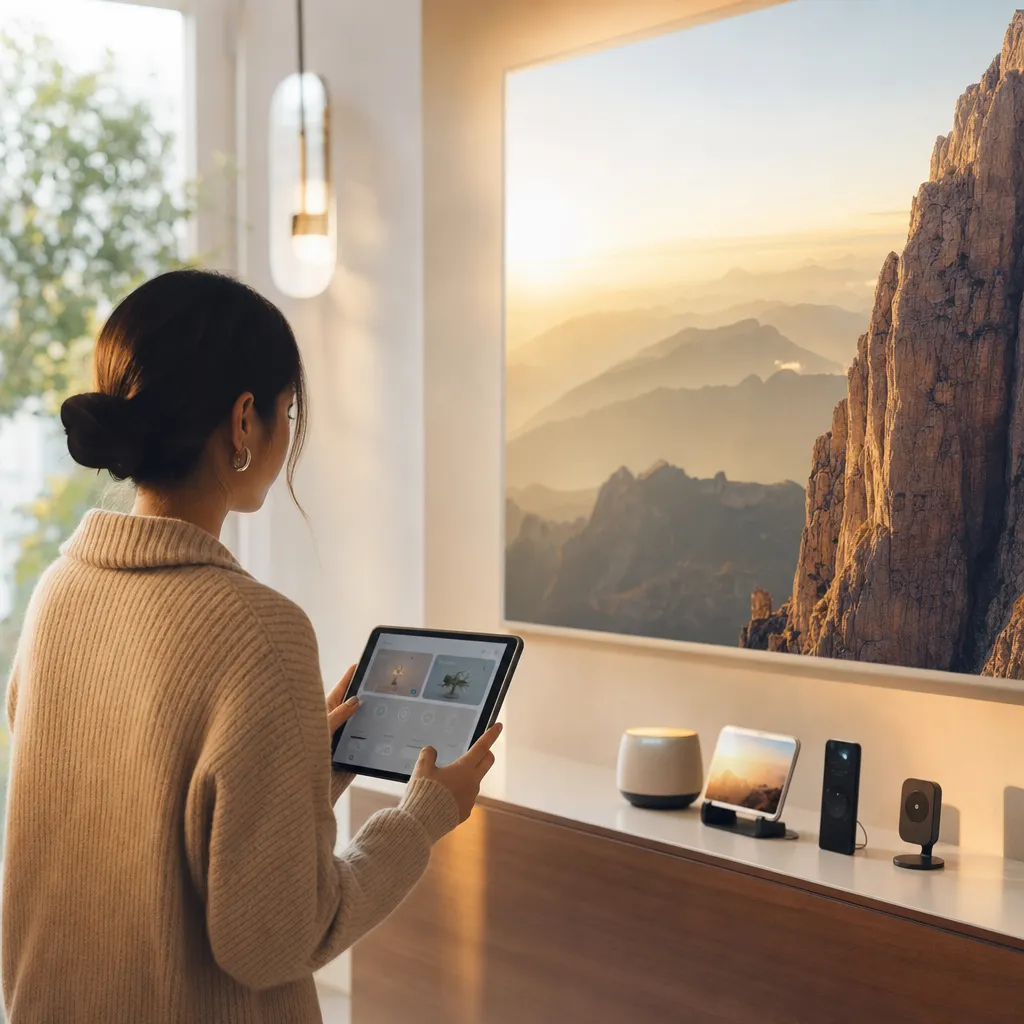
2. Visual responses: When users ask questions like "what does the Space Needle look like?" or "show me today's weather," Gemini can now surface a relevant image on the display screen alongside its spoken response. This extends smart display functionality beyond showing album art and video calls into something closer to a visual assistant.
Get this in your inbox.
Daily AI intelligence. Free. No spam.
3. Geographic expansion: Gemini for Home is now live in India, Brazil, and four additional countries. Google did not specify the other four markets in the update post.
Why Speed Matters
A 20% speed improvement on routine requests sounds modest, but in smart home devices, latency is the primary user experience metric. Users who feel a device is slow stop talking to it — they reach for their phone instead.
Amazon's Alexa built its early market dominance partly on response speed, and Google has consistently trailed on perceived latency for routine queries. Closing that gap, even partially, strengthens retention for the Nest Hub ecosystem and reduces churn toward competing platforms.
The Bigger Picture: Gemini as Platform
Google's Gemini product strategy has increasingly focused on embedding the model across consumer surfaces — Android, Chrome, Search, Workspace, and now smart home displays — rather than competing head-to-head on model benchmarks alone.
Each new country and device that runs Gemini expands the data surface and usage context Google collects for model improvement. The India and Brazil expansions are particularly significant from a scale perspective: together, those markets represent over 1.5 billion people and two of the fastest-growing smartphone user bases globally.
For smart home specifically, expanding Gemini into emerging markets while local competitors have thin presence gives Google an early-mover opportunity in home automation, energy management, and digital assistance categories that are still being built in those regions.
What to Watch
Watch whether the visual response feature expands beyond smart displays to Google's Android TV and Chromecast with Google TV lineup — the natural next surface. If Google announces that integration before year-end, it signals an aggressive push to make Gemini the default visual AI layer across every screen in the home.
Also worth monitoring: how Apple responds. Apple Intelligence for HomePod and Apple TV has been in limited beta, and Google's speed improvements in this update will increase pressure on Apple to accelerate its smart home AI rollout before the holiday shopping season peaks.
Did this help you understand AI better?
Your feedback helps us write more useful content.
Get tomorrow's AI briefing
Join readers who start their day with NexChron. Free, daily, no spam.