Novo Nordisk is embedding OpenAI across every stage of drug development—from discovery to manufacturing and sales—targeting full integration by end of 2026.
Novo Nordisk Partners With OpenAI to Integrate AI Across Its Full Drug Development Pipeline
By Hector Herrera | June 18, 2026 | Health
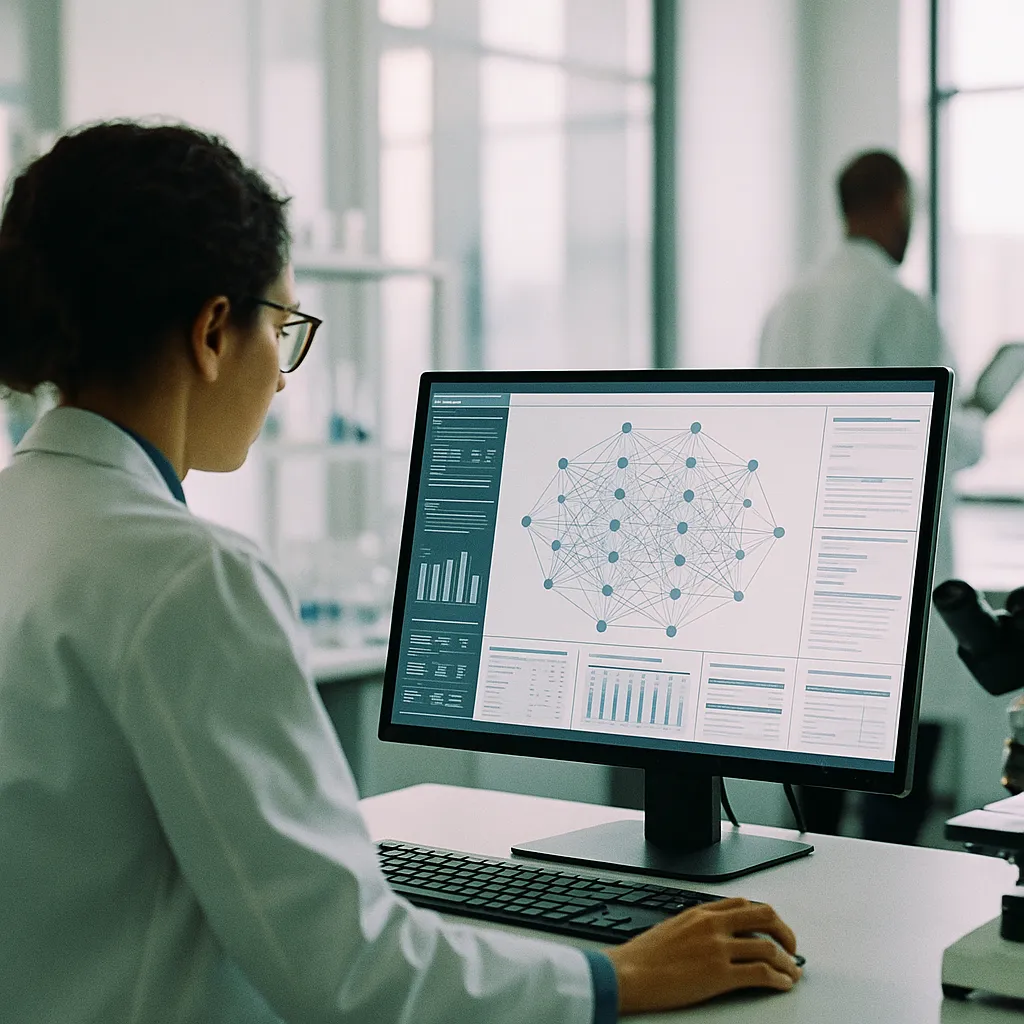
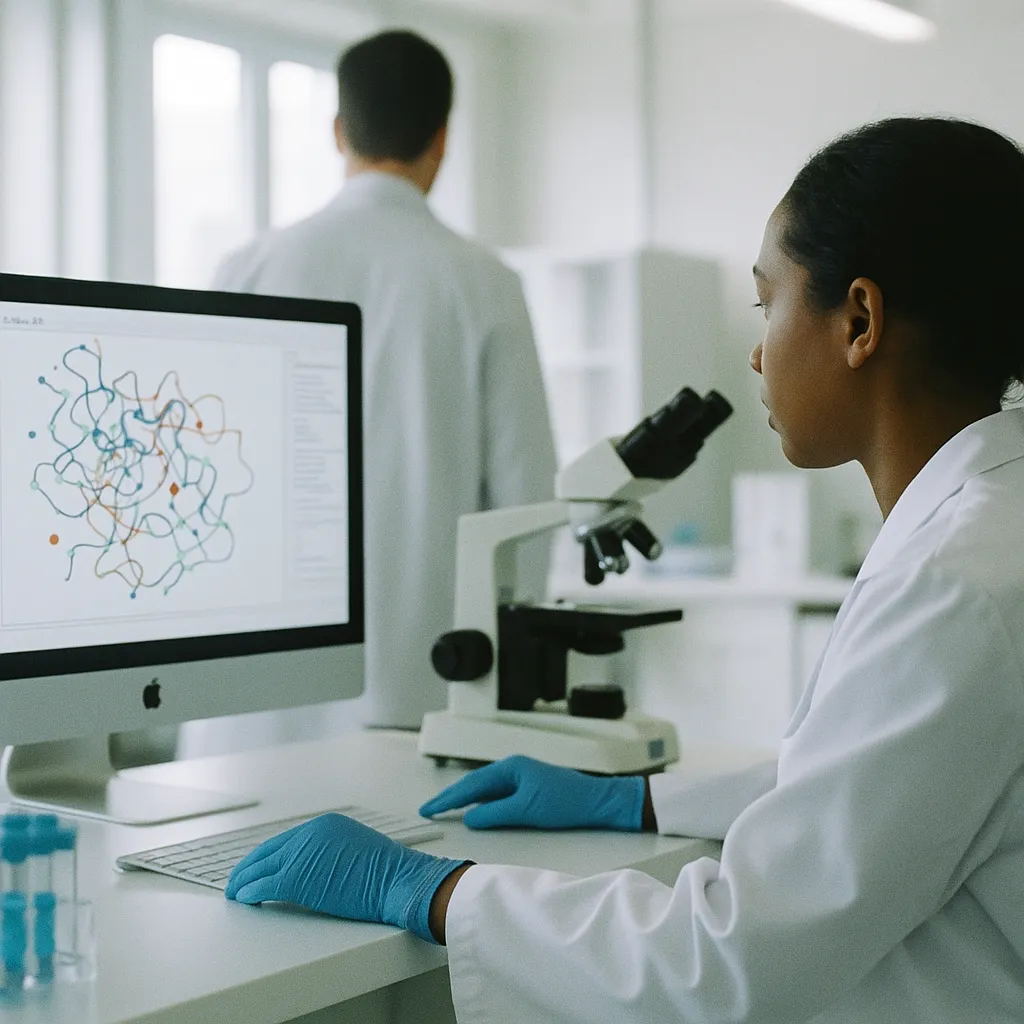
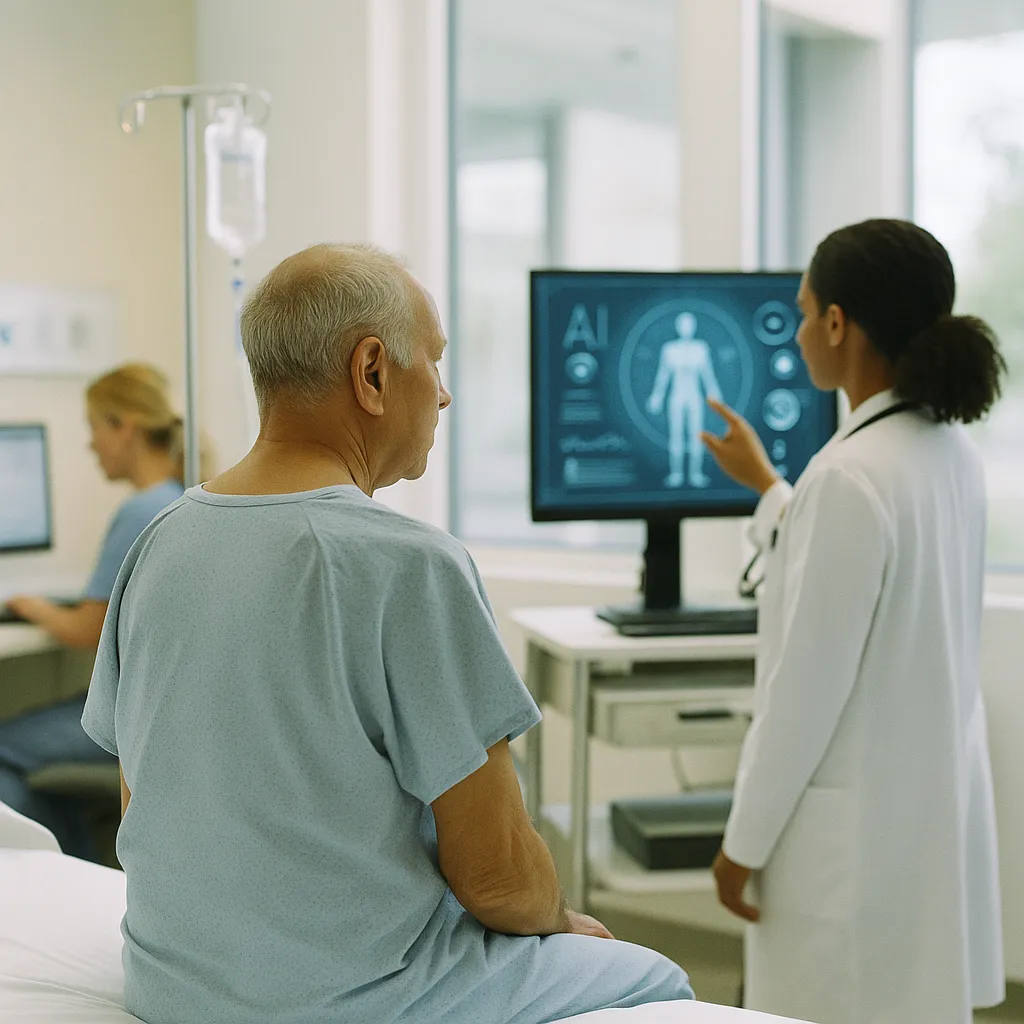
Novo Nordisk is embedding OpenAI's AI tools into every stage of its operations—from analyzing complex biological datasets and identifying drug candidates to manufacturing and commercial sales. The companies expect full integration by the end of 2026, making it one of the most comprehensive pharma-AI partnerships disclosed to date and a clear signal that large biopharma is moving past isolated pilots.
Most pharmaceutical AI deals of the past three years have been narrow in scope: a collaboration on protein modeling in a single therapeutic area, or a licensing arrangement for clinical trial optimization. What Novo Nordisk is committing to is different in kind—restructuring operating workflows across the entire value chain, including commercial functions that have historically been the last to adopt new technology platforms.
What the Integration Covers
According to BioPharma Dive, the partnership spans four distinct operational areas:
- Dataset analysis — processing the large biological, clinical, and operational datasets that underpin research and manufacturing decisions
- Drug prospect identification — using AI to surface and prioritize candidate molecules earlier in the discovery pipeline
- Manufacturing — applying AI to process optimization, quality monitoring, and production efficiency
- Sales and commercial operations — AI-driven forecasting, targeting, and market analysis across Novo Nordisk's global commercial teams
The full integration is targeted for completion by end of 2026—an aggressive timeline for a company operating across regulatory environments on multiple continents.
Why Novo Nordisk, Why Now
Novo Nordisk is under simultaneous pressure from two directions: extraordinary demand and accelerating competition.
The company's GLP-1 medications—Ozempic for type 2 diabetes and Wegovy for obesity—have driven it to become one of the world's most valuable pharmaceutical companies. That demand has strained manufacturing capacity and created supply chain complexity across dozens of markets. At the same time, Eli Lilly, Pfizer, and a wave of biotech challengers are moving aggressively into the GLP-1 space. Novo Nordisk's pipeline needs to move faster, and its manufacturing needs to run more efficiently.
Get this in your inbox.
Daily AI intelligence. Free. No spam.
That combination makes a full-stack AI partnership strategically urgent, not just opportunistic. AI tools that can identify promising drug candidates faster compress the pre-clinical timeline. Tools that reduce manufacturing batch failures and improve yield consistency generate direct financial returns. And better commercial forecasting reduces costly over- and under-production of high-demand medicines—a real operational problem Novo Nordisk has faced as global demand for its GLP-1 drugs has repeatedly outpaced supply.
The Challenge of Full-Pipeline Integration in Pharma
Integrating AI across an entire pharmaceutical operation is significantly harder than doing so in financial services or retail. Drug manufacturing is among the most heavily regulated production environments in any industry—FDA oversight requirements govern data integrity, process validation, and change control in ways that complicate rapid technology deployments.
Research functions operate on proprietary biological datasets that are both legally sensitive and competitively irreplaceable. Commercial operations face country-specific constraints on how pharmaceutical companies can use prescriber data.
That Novo Nordisk has committed to all four areas simultaneously—rather than selecting the easiest wins—suggests executive-level ownership of this initiative. Full-organization AI transformation in pharma requires governance structures and regulatory strategy that only C-suite commitment can sustain through the inevitable friction of operating in regulated environments.
What This Means for the Industry
The pharmaceutical industry has been slower than financial services or retail in moving toward enterprise-wide AI deployment. It has watched AI prove its value in narrow research contexts—DeepMind's AlphaFold protein structure prediction being the most widely cited example—while moving cautiously on broader operational integration.
Novo Nordisk's announcement will pressure major competitors to respond publicly. Eli Lilly, AstraZeneca, Roche, and Pfizer all face structurally similar challenges: competitive pipelines that need to move faster in an environment of rising R&D costs and increasingly capable AI tools available from multiple vendors.
If Novo Nordisk demonstrates measurable acceleration by late 2026—in pipeline velocity, manufacturing efficiency, or commercial performance—the industry will accelerate its own timeline significantly. If the integration runs into the regulatory and data governance obstacles that have slowed previous pharmaceutical technology transformations, that story will be equally instructive for the sector.
OpenAI, for its part, is extending deeper into regulated healthcare infrastructure with this deal—an area that will draw increasing regulatory scrutiny as AI begins to influence decisions about which drug candidates advance and which are deprioritized.
What to Watch
The end-of-2026 integration deadline is the key metric. Pharmaceutical IT transformations have a consistent history of running over schedule. Watch for how Novo Nordisk describes integration progress in H2 2026 earnings calls—and specifically whether the manufacturing and commercial functions, the most complex to transform, are on schedule or slipping.
Also watch whether a major competitor announces a comparable full-pipeline AI partnership in the next 90 days. If one does, the industry has effectively reset its baseline for what serious AI investment in drug development looks like.
Hector Herrera covers AI in health, business, and the economy for NexChron.
Did this help you understand AI better?
Your feedback helps us write more useful content.
Get tomorrow's AI briefing
Join readers who start their day with NexChron. Free, daily, no spam.