Modal
Serverless cloud for AI and data
About Modal
Modal is a serverless cloud platform that eliminates the complexity of running AI and data workloads on GPUs. Developers write Python code locally and Modal handles provisioning GPU instances, managing containers, scaling, and orchestration — all without Dockerfiles, Kubernetes, or infrastructure configuration.
The platform is designed for AI engineers who want to run training jobs, batch inference, data pipelines, and model serving without managing servers. Modal's cold-start times are measured in seconds, and the platform scales from zero to thousands of GPUs automatically based on demand, making it cost-efficient for bursty AI workloads.
Founded by Erik Bernhardsson, former VP of Engineering at Spotify, Modal has gained a strong developer following for its elegant Python-native approach to cloud computing. The company has raised significant venture funding and serves customers ranging from AI startups to large enterprises who value developer productivity over infrastructure control.
Products & Services
Modal Serverless GPUs
Instant access to Nvidia GPUs with per-second billing and auto-scaling
Modal Functions
Serverless Python functions that run on cloud infrastructure with zero config
Modal Volumes
High-performance distributed storage for AI datasets and model weights
Leadership
Notable Achievements
- ✓ Fastest cold-start times for serverless GPU workloads
- ✓ Founded by former Spotify VP of Engineering
- ✓ Python-native cloud platform with zero infrastructure config
- ✓ Raised $100M+ in total funding
Competitive Landscape
Companies competing in the same space as Modal.
NexChron Coverage
Latest articles mentioning Modal

Meta Launches Muse Ember 1.0, Its Smallest and Cheapest Model Built for Agent Workloads
Meta's Muse Ember 1.0 enters the high-volume agent model tier at $0.10 per million input tokens, with native support for text, images, audio, and video and a 1-million-token context window.

Tencent Launches Hy4: 770B-Parameter Open-Weight Model With Vision and Computer Use
Tencent released Hunyuan Hy4, a 770-billion-parameter open-weight model with vision understanding, computer-use capabilities, and a 1M-token context window — the largest openly released Chinese AI model to date.

Mistral Releases Open Weights for Le Chonk, Its 1-Trillion-Parameter Multimodal Model
Mistral has open-sourced the weights for Mistral Large 4 — nicknamed Le Chonk — making it the largest open-weight multimodal model available. The 1.05 trillion-parameter release includes day-one vLLM support for self-hosted deployment.
Liquid AI Releases LFM3, a Unified Multimodal Model Family for Text, Images, and Audio
Liquid AI has launched LFM3, a model family that processes text, images, and audio within a single shared architecture — now available locally via Ollama on all major platforms.
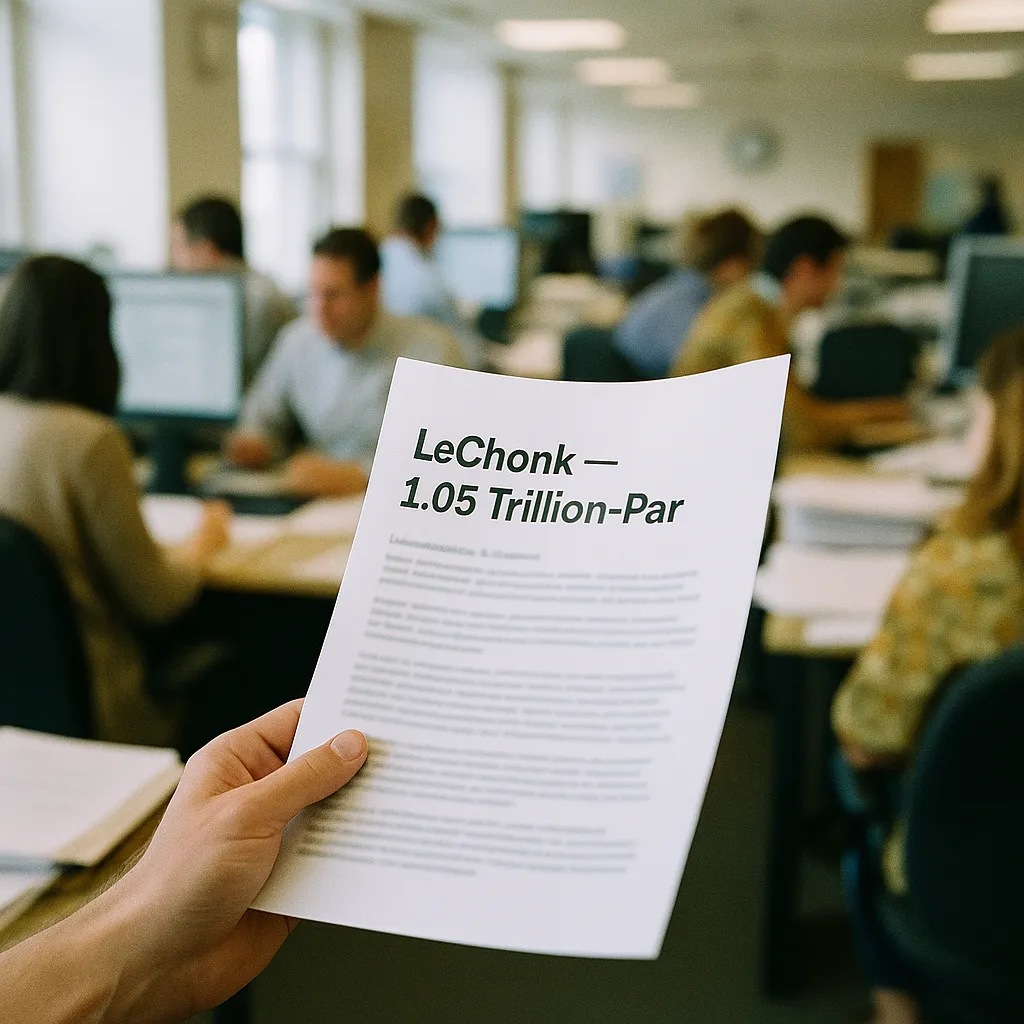
Mistral Releases "Le Chonk" — 1.05 Trillion-Parameter Multimodal Model in Preview
Mistral AI released a preview of Le Chonk, a 1.05 trillion-parameter multimodal model — Europe's first entry into frontier-scale AI, with open weights promised by October 31.

Venti Deploys North America's First Autonomous Truck Fleet Inside Live Rail Yards
Venti Technologies deployed North America's first autonomous truck fleet inside a live intermodal rail yard, with vehicles loading and moving containers entirely without human operators and 40–70% logistics cost reductions reported.
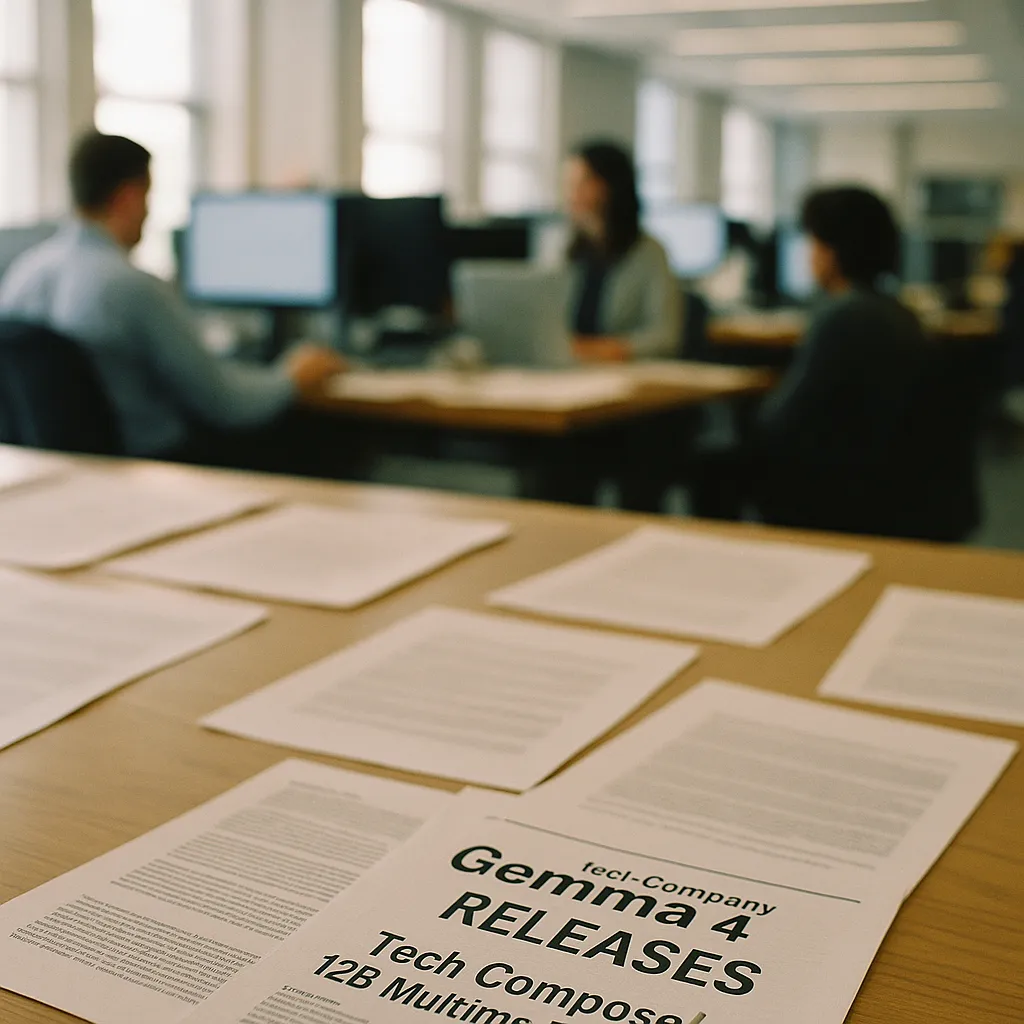
Google Releases Gemma 4 12B Open Multimodal Model With Audio, Vision, and 256K Context Under Apache 2.0
Google released Gemma 4 12B under Apache 2.0 on June 3, adding audio, vision, and a 256K context window to an openly licensable model — making frontier multimodal AI accessible without API fees for the first time.
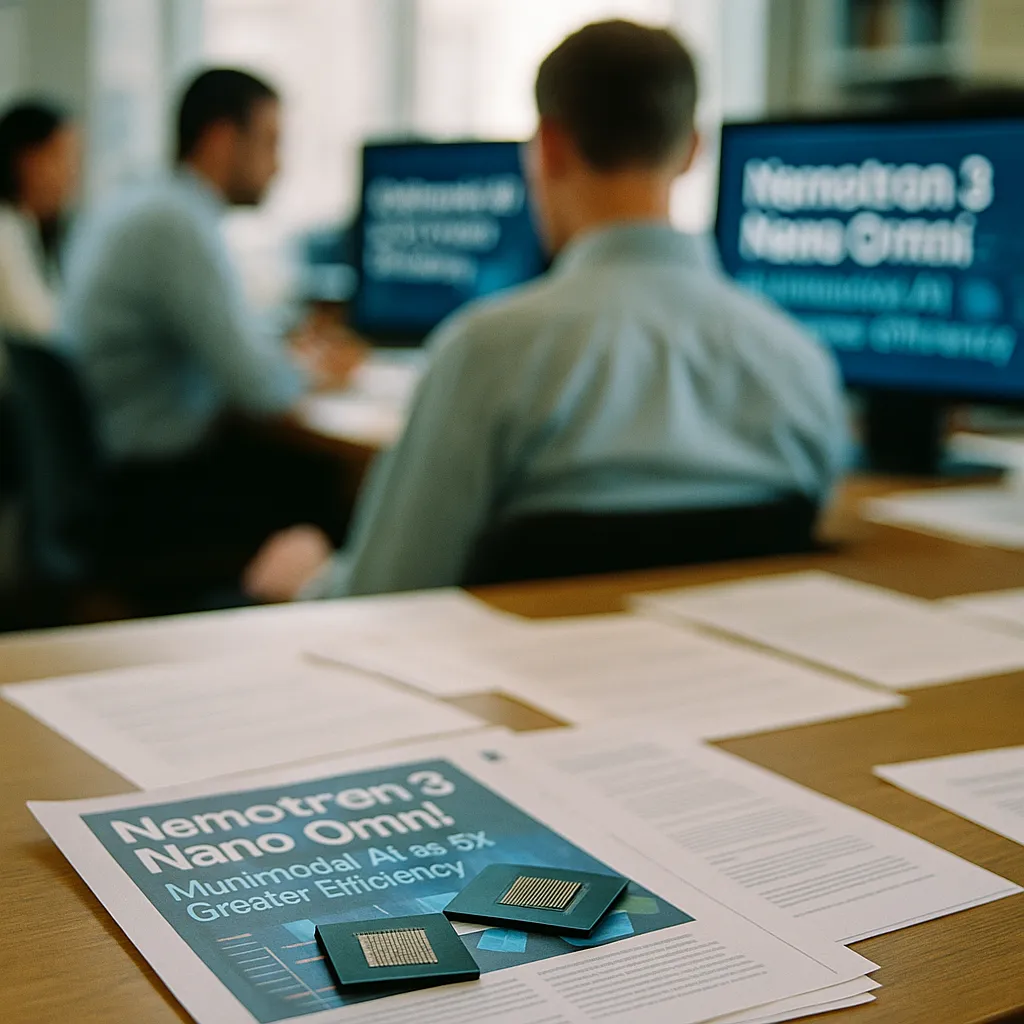
NVIDIA Launches Nemotron 3 Nano Omni: Multimodal AI at 9x Greater Efficiency
NVIDIA released Nemotron 3 Nano Omni, a 30B-parameter open model delivering 9x the throughput of comparable omni models — a direct play to own the agentic AI stack, not just the chips.

Meta Launches Muse Spark, First Major AI Model in Over a Year
Meta released Muse Spark, its first major AI model in over a year, deploying multimodal reasoning across WhatsApp, Instagram, Facebook, Messenger, and Meta AI glasses for three billion users.
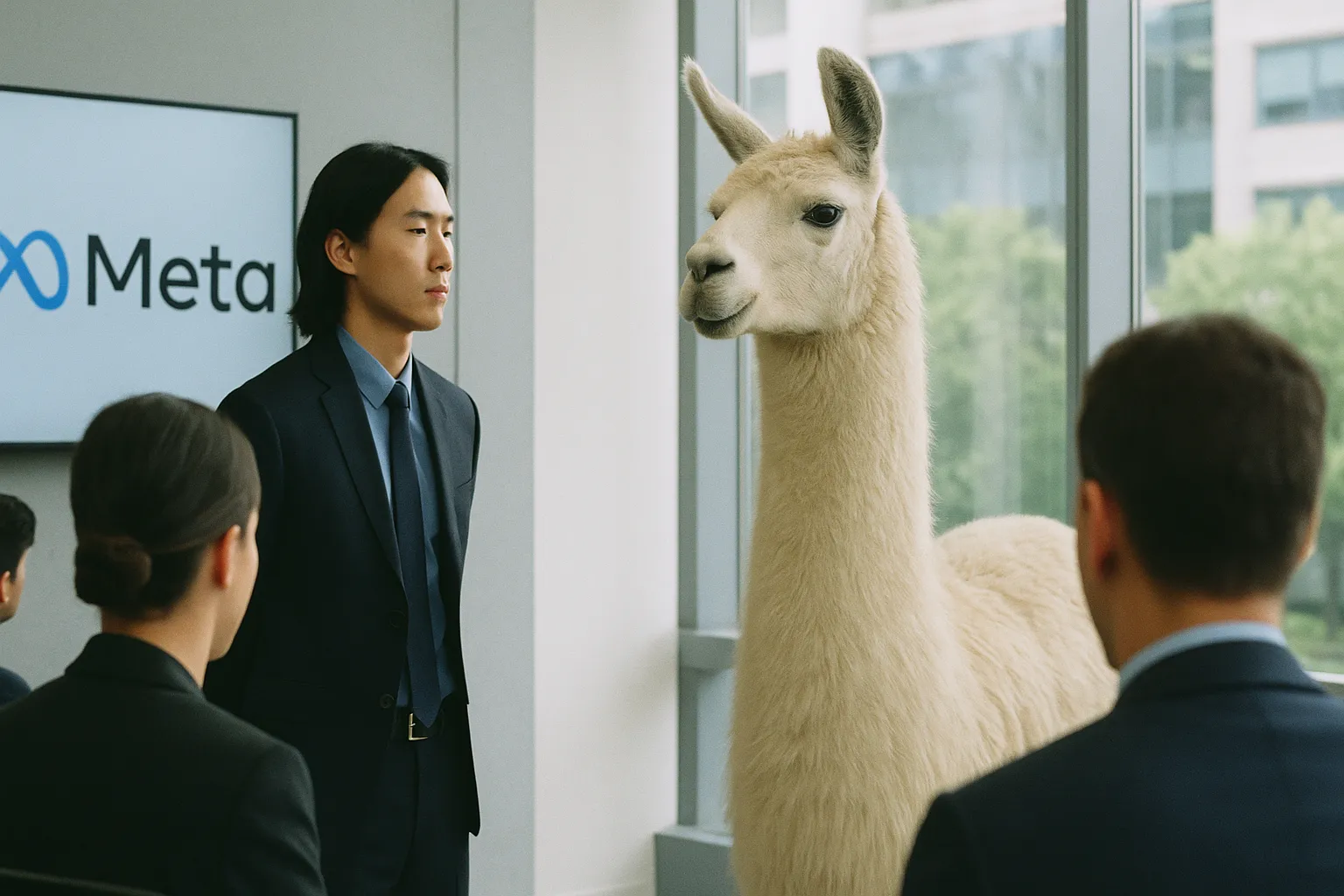
Meta Launches Muse Spark, First Model from Alexandr Wang's Superintelligence Labs
Meta debuted Muse Spark on April 8 — a proprietary multimodal model from its new Superintelligence Labs, marking a sharp break from the open-source Llama playbook.
Financial Disclosure: NexChron provides financial data for informational purposes only. This is not investment advice, a recommendation to buy or sell securities, or an offer to transact. Stock prices are delayed up to 15 minutes and sourced from Yahoo Finance. Funding round data is compiled from public reports and may not reflect the most current information. Company valuations, revenue estimates, and financial projections are based on publicly available data and may be inaccurate or outdated. Always consult a qualified financial advisor before making investment decisions. NexChron, its founder, and contributors may hold positions in companies mentioned on this site.