Polybee is scaling a fleet of self-recharging AI drones to continuously monitor specialty crops and generate harvest timing forecasts — one of the rare AgTech deployments that has achieved immediately measurable financial returns.
Polybee Scales AI Drone Agents for Specialty Crop Monitoring and Harvest Forecasting
By Hector Herrera | April 19, 2026 | Agriculture
Singapore-based Polybee has deployed a fleet of self-recharging AI drones to continuously monitor specialty crops, generating AI-powered harvest timing forecasts that help growers optimize yield and reduce waste. It is one of the rare AgTech deployments that AgFunder analysts have described as achieving both technical defensibility and immediate, measurable financial returns — a threshold few agricultural technology startups have crossed.
What Happened
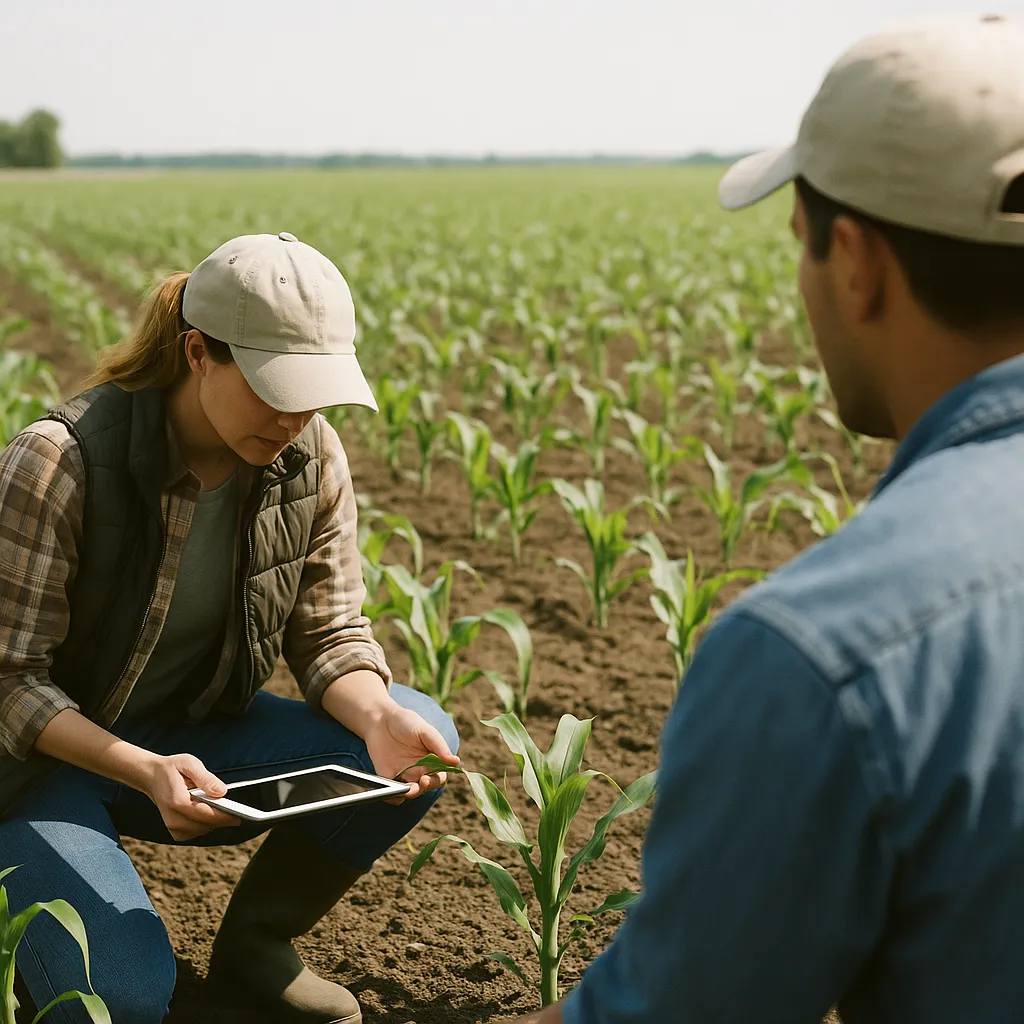
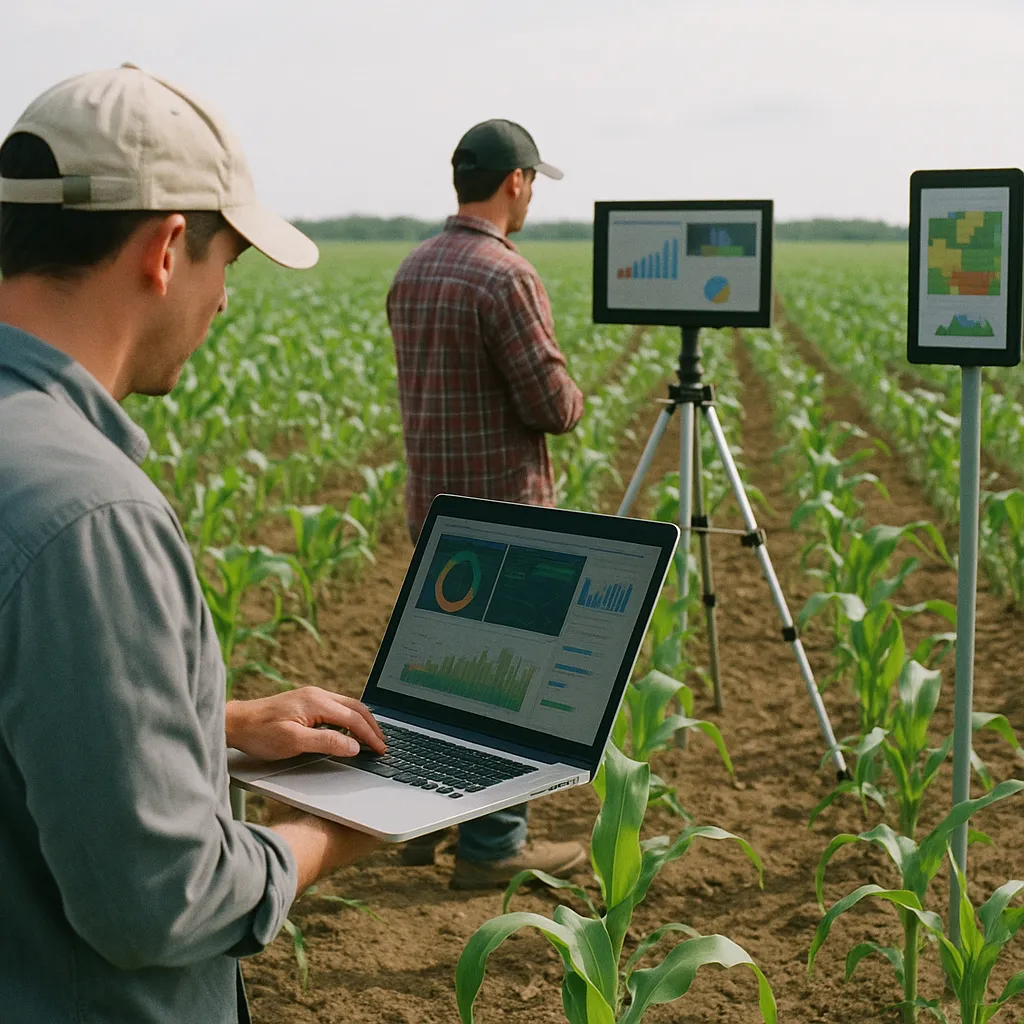
Polybee is scaling [its physical](/science/nvidia-physical-ai-data-factory-blueprint-open) AI drone platform for specialty crop monitoring, deploying autonomous, self-recharging drones equipped with cameras that fly continuous monitoring patterns over specialty farms. The drones capture detailed crop data — quality, ripeness, plant health — which an AI system analyzes to generate harvest timing forecasts and yield predictions.
AgFunder, a specialist agricultural technology investor and research organization, noted that Polybee has achieved what it called "immediate, bankable ROI" — a combination of measurable financial returns and technical defensibility that it described as rare in the AgTech startup landscape. The company is now positioning for global scaling across high-value specialty crops.
Context
Specialty crops — berries, tree fruits, vegetables, nuts, flowers — are among the highest-value agricultural products per acre. They are also among the most labor-intensive and time-sensitive. Harvest timing is critical: pick strawberries too early, and they're flavorless and unsellable at premium prices; pick them too late, and they're damaged in the field or transit. The difference between optimal and suboptimal harvest timing can represent significant revenue on a per-acre basis.
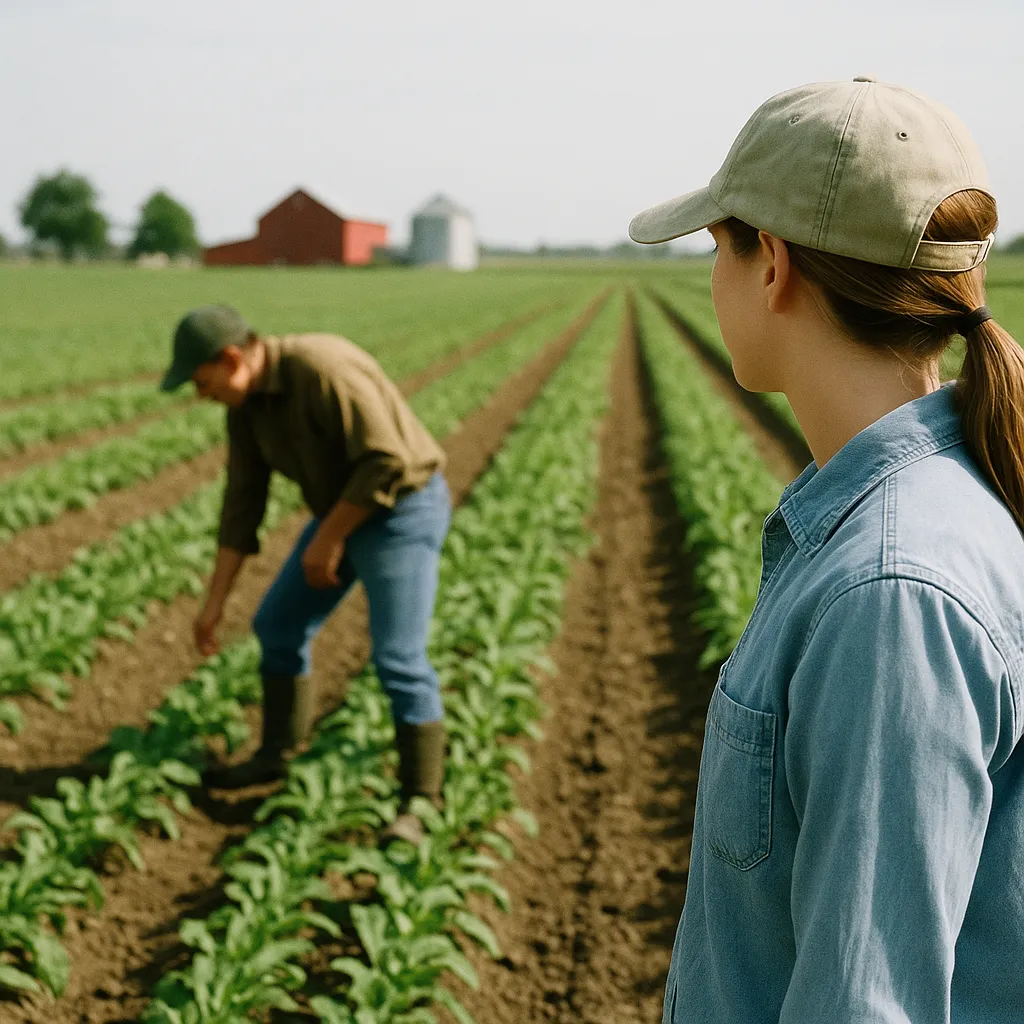
Traditional crop monitoring relies on manual scouting — farm workers walking rows to observe plant condition. It is time-consuming, labor-intensive, inconsistent across large areas, and unable to provide the continuous monitoring that AI systems can.
Get this in your inbox.
Daily AI intelligence. Free. No spam.
The physical AI drone approach solves the monitoring problem by providing:
- Continuous, automated coverage of entire growing areas
- Consistent, quantifiable measurements of crop quality metrics rather than subjective human observation
- AI-powered prediction rather than reactive reporting
- Self-recharging capability that enables autonomous 24/7 operation without requiring human drone pilots
The result is a monitoring system that sees more, more often, and generates predictive recommendations rather than just status snapshots.
Details
- Company: Polybee (Singapore-based)
- Technology: Fleet of self-recharging AI drones with cameras
- Monitoring: Crop quality, ripeness, plant health across specialty farms
- Output: AI-powered harvest timing forecasts, yield predictions
- Target market: High-value specialty crops (berries, tree fruits, vegetables, nuts, flowers)
- Scale: Positioned for global deployment
- AgFunder assessment: "Immediate, bankable ROI" — rare in AgTech
Impact
For specialty crop growers: The direct financial case is harvest optimization. A strawberry grower with AI-driven harvest timing can coordinate picking crews more efficiently, reduce waste from over-ripe or under-ripe fruit, and improve the consistency of product quality delivered to retailers. These improvements translate to lower labor cost per unit and higher average selling price for premium-quality product.
For the agricultural labor market: Specialty crop farming employs large numbers of agricultural workers, particularly for harvest. AI systems that optimize harvest timing don't replace harvest workers — people still pick the fruit. They can, however, reduce the need for manual scouting labor and improve the efficiency of harvest crew deployment. The net labor impact is likely positive: better-timed harvests reduce wasted labor on early-picked or overripe product.
For AgTech investors: AgFunder's "bankable ROI" framing reflects a persistent challenge in agricultural technology: many AgTech tools show promising results in pilots but struggle to demonstrate clear financial returns in commercial deployment. Polybee's ability to clear that bar — and to have a credible specialist investor say so publicly — distinguishes it from the broader AgTech landscape and will attract additional investment attention.
For food supply chains: Specialty crop quality variability is a significant cost in food supply chains. Produce that arrives at distribution centers outside quality specifications creates waste and contract penalties for growers. AI-optimized harvest timing reduces this variability, improving the efficiency of the supply chain from farm to retailer.
What to Watch
Polybee's global scaling ambition is the key variable. The technology has been validated in controlled deployments; the question is how it performs across diverse growing environments — different climates, crop varieties, farm layouts, and regulatory contexts. Watch for announced deployments in Europe, North America, and other key specialty crop markets over the next 12 months. The speed of that expansion will signal whether the technology is genuinely ready for diverse real-world conditions.
Hector Herrera covers agriculture and AI for NexChron.
Did this help you understand AI better?
Your feedback helps us write more useful content.
Get tomorrow's AI briefing
Join readers who start their day with NexChron. Free, daily, no spam.