Meta Slashes 8,000 Jobs in AI Pivot as Tech Sector Layoffs Top 100,000 in 2026
Meta cut 8,000 employees as part of an AI restructuring that pushed 2026 tech sector layoffs past 100,000 globally — nearly half explicitly linked to AI adoption.
Top Stories
All Sections
Finance
About
14 results for "AI adoption"
Meta cut 8,000 employees as part of an AI restructuring that pushed 2026 tech sector layoffs past 100,000 globally — nearly half explicitly linked to AI adoption.
IoT Analytics finds 96% of machine builders have deployed AI, while LLM adoption for factory diagnostics doubled to 35%—the fastest single-year jump of any AI category tracked.
The OECD Digital Education Outlook 2026 documents AI's widening equity gaps across 38 countries, finding that teacher preparation—not technology—is the primary barrier separating effective AI adoption from expensive failure.
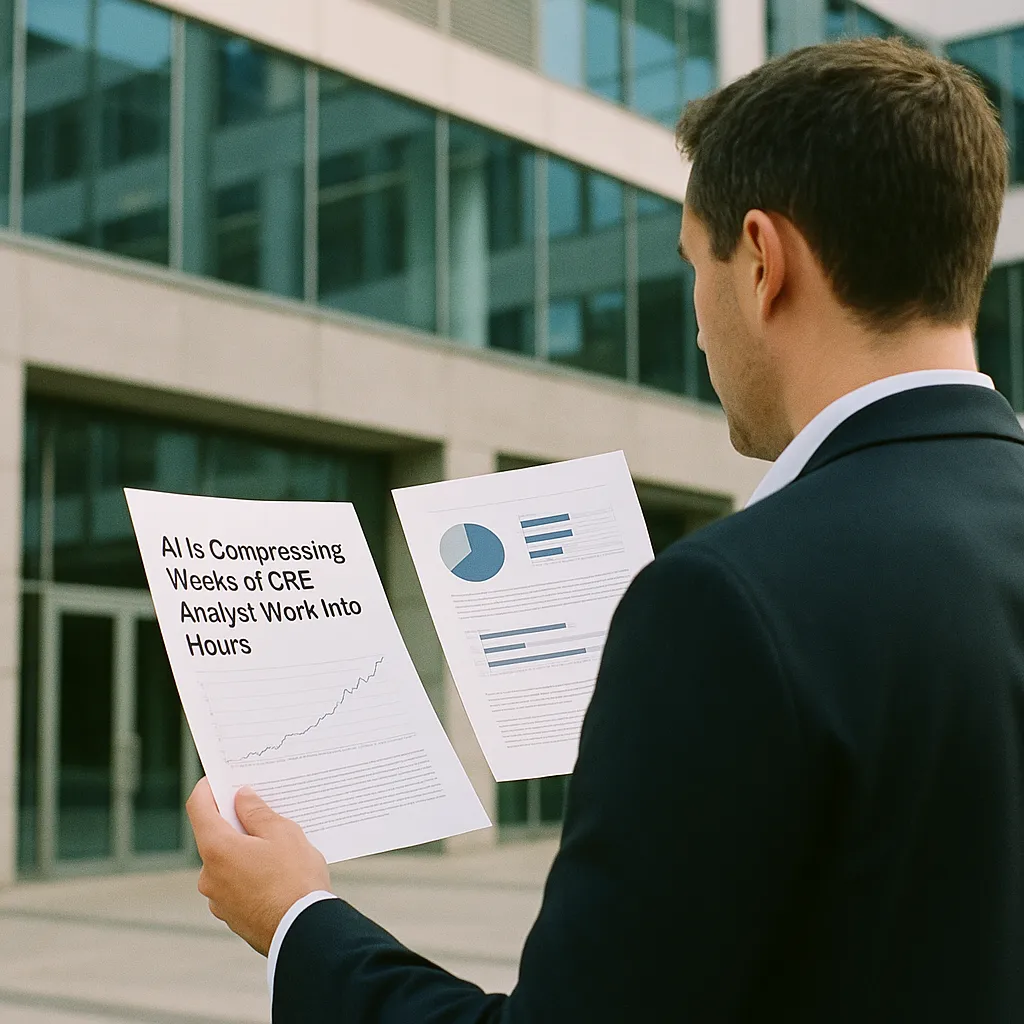
Industrial real estate is capturing AI's biggest gains while residential markets stall. New JLL data shows 61% of institutional investors now use AI for market analysis — nearly triple the 2023 rate.
Gallup's 2026 workplace study finds near-universal AI adoption among creative professionals but no collapse in employment — the creative economy is reorganizing, not contracting.
AI has crossed a quiet threshold in Vermont's rural hospitals — not through institutional mandates but through physicians solving real problems with ambient documentation and diagnostic tools.
Data center developers lead AI adoption in real estate by roughly 18 months — with a structural irony: the asset class powering AI for every other industry is also the leading edge of AI deployment in real estate.
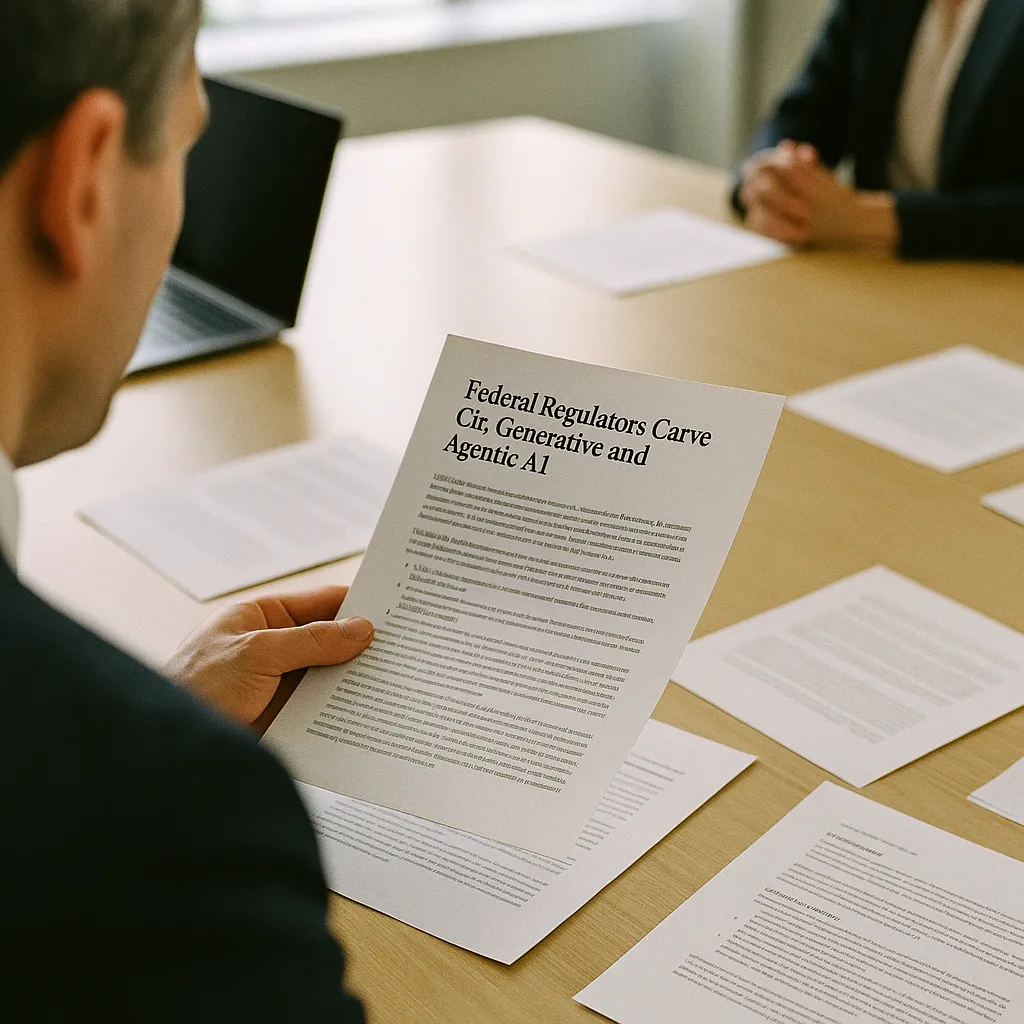
The Federal Reserve, OCC, and FDIC have amended their joint model risk management guidance to explicitly exempt generative and agentic AI, giving banks a compliance green light to accelerate AI adoption—but leaving a governance gap critics say remains unfilled.
AI has compressed real estate site screening from weeks to hours—but adoption is uneven by asset class. Industrial and commercial developers are ahead; residential and hospitality remain significantly behind.
Just 14% of U.S. farmers use AI in 2026—but farmers under 50 jumped from 28.8% to 38.4% of the farming population in one year, signaling a structural shift in who is making agriculture decisions.
New data shows 55% of Americans used AI for financial tasks in the past year, with 86% reporting improved financial clarity. Globally, half of consumers across 23 countries used AI for savings and investment decisions in six months.
PwC's 2026 AI study found three-quarters of AI's economic value flows to just 20% of companies — those focused on growth rather than cost-cutting.
For the first time, more than half of employed American adults use AI at work — a structural inflection point for employers and workforce planners.
MIT Technology Review finds generative AI hit 53% global adoption in three years — faster than the PC, internet, or smartphone — with Anthropic leading frontier model rankings as of March 2026.